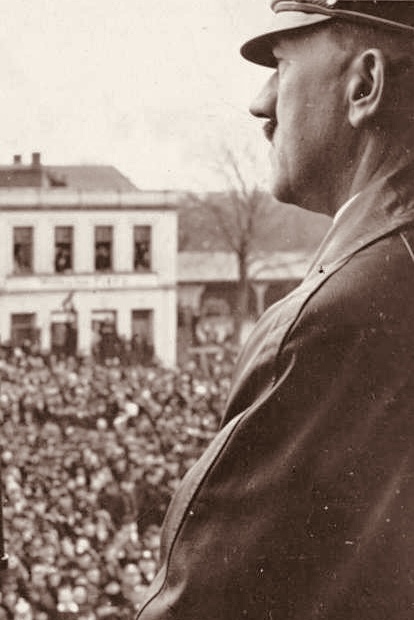
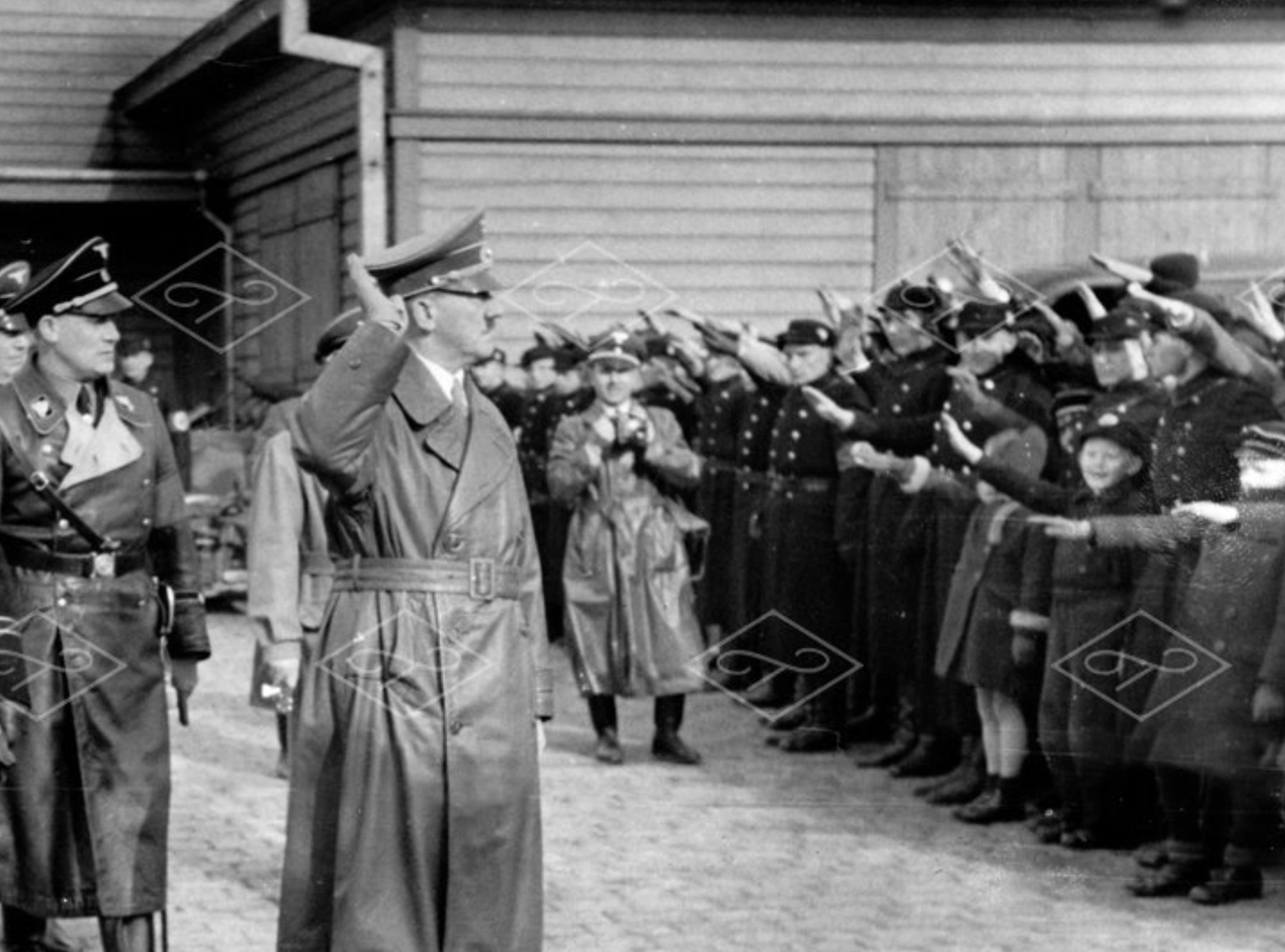
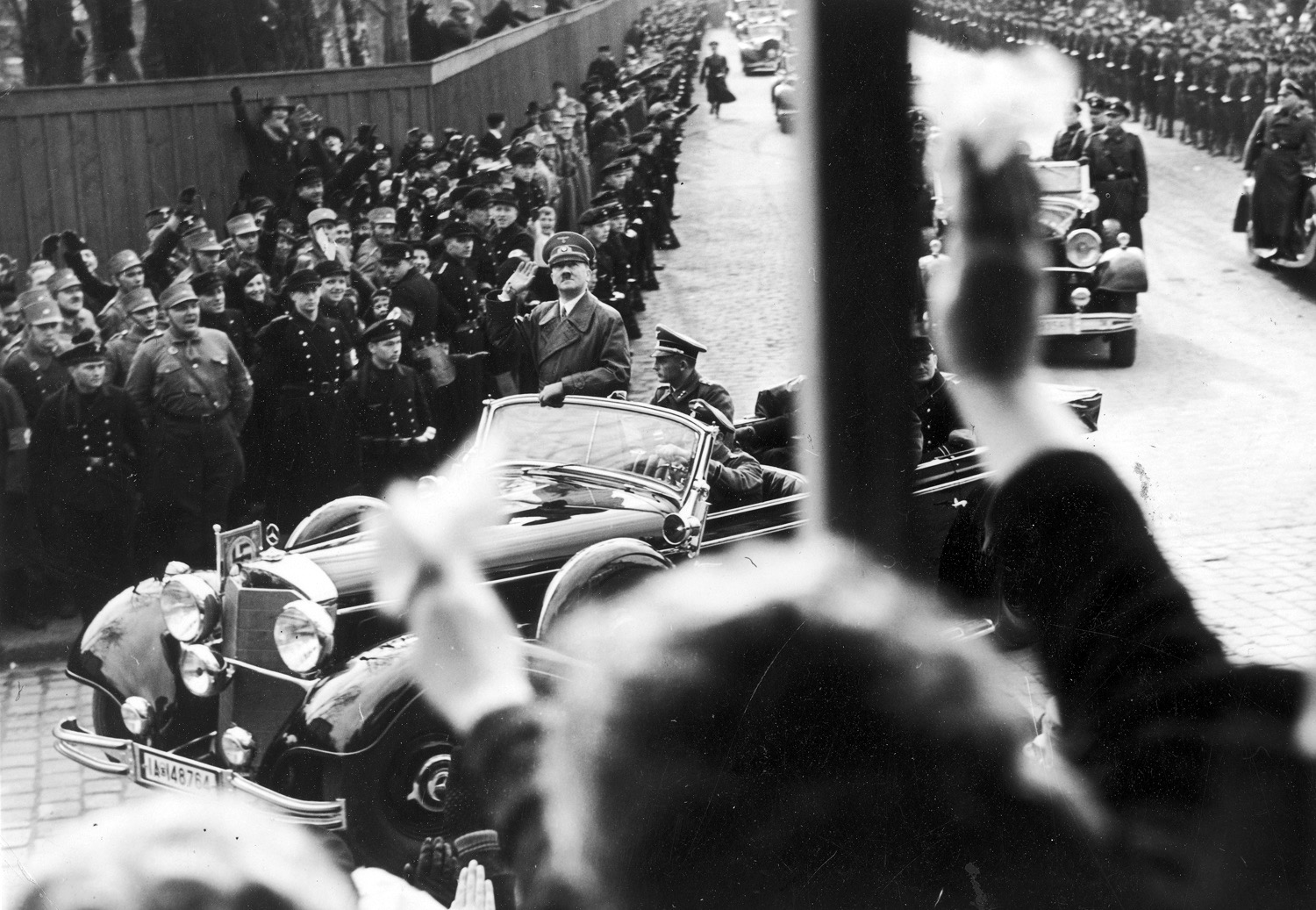
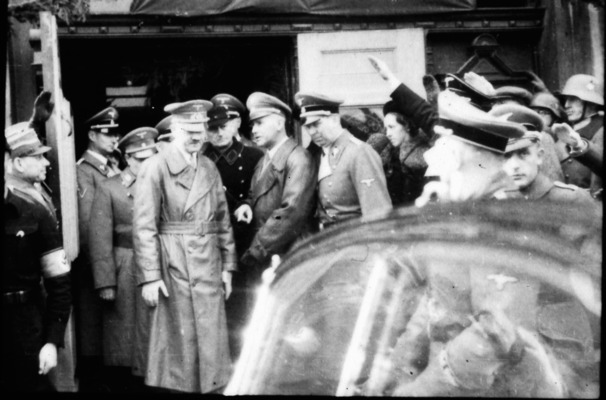
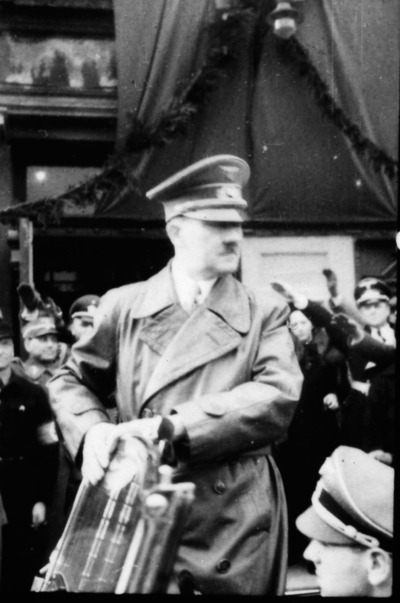
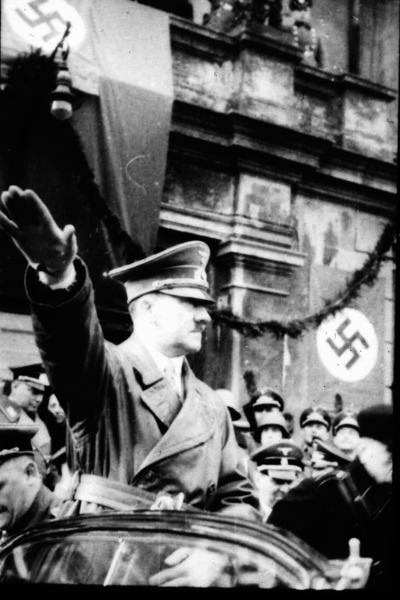
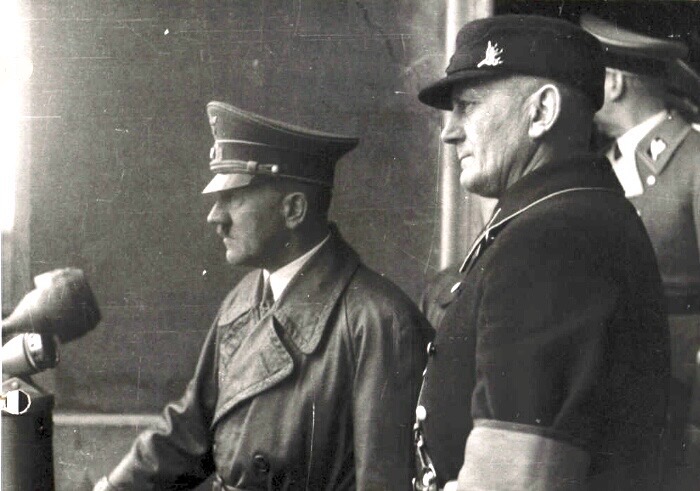
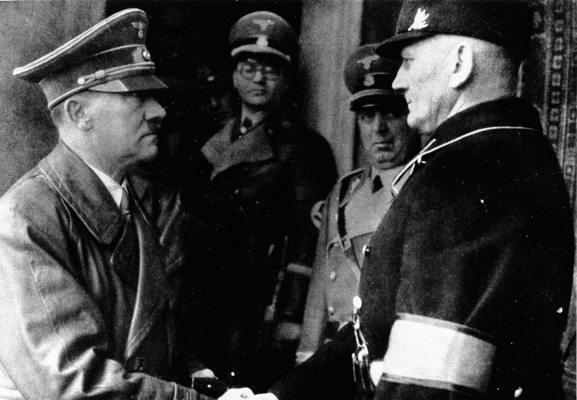
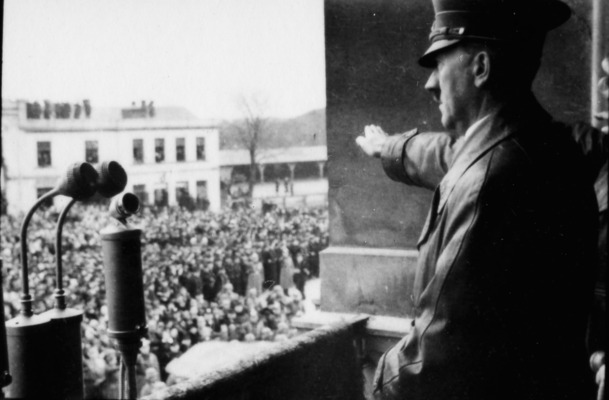
On 23 March 1939, Adolf Hitler arrived in Klaipėda (Memel), a port city on the Baltic Sea, on the cruiser Deutschland to personally tour the city and deliver a speech after Germany demanded its return from Lithuania. A part of East Prussia since the 16th century, Memel and its environs were removed from Germany in 1919 and annexed to Lithuania in 1923 as an autonomous area. The Klaipeda Region (Lithuanian: Klaipédos krastas) or Memel Territory (German: Memelland or Memelgebiet) was defined by the Treaty of Versailles and refers to the northernmost part of the German province of East Prussia. In the spring of 1938 Adolf Hitler personally stated that gaining Klaipeda was one of his highest priorities, second only to gaining the Sudetenland.
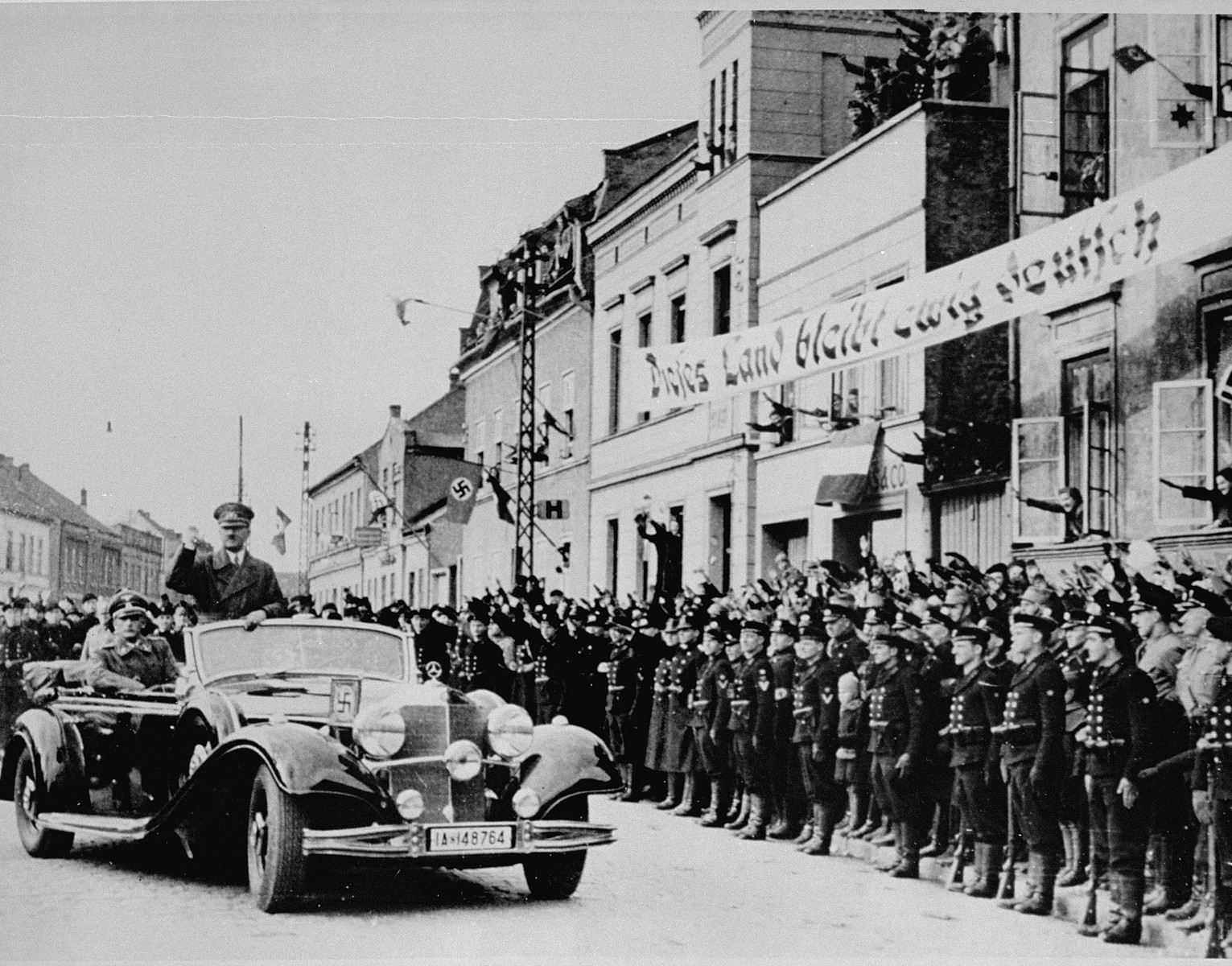
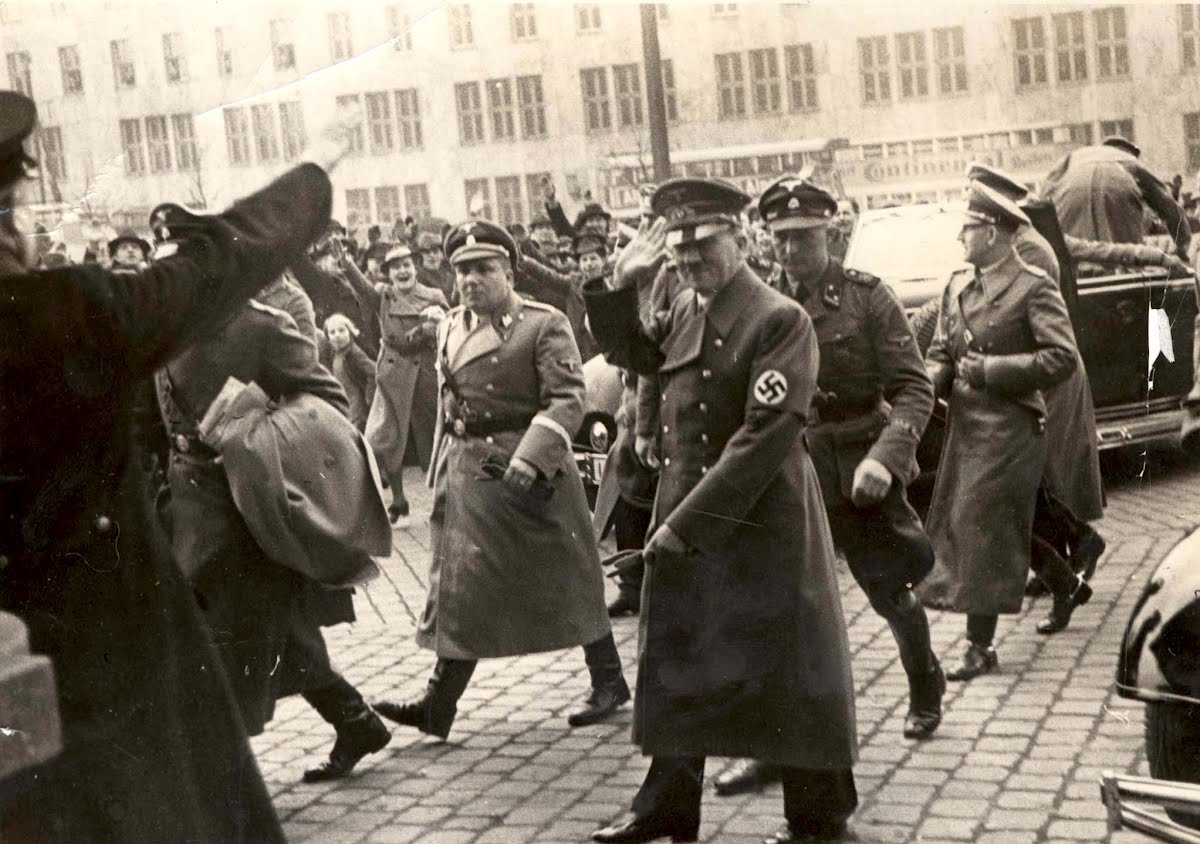
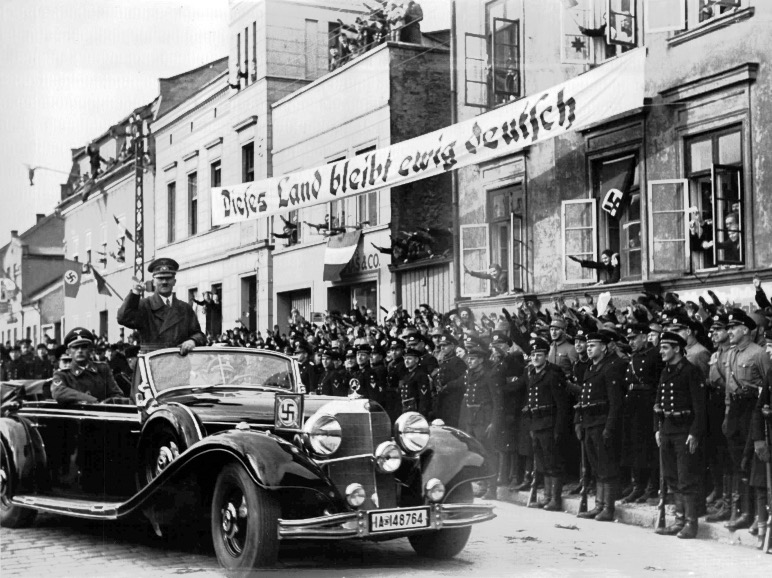
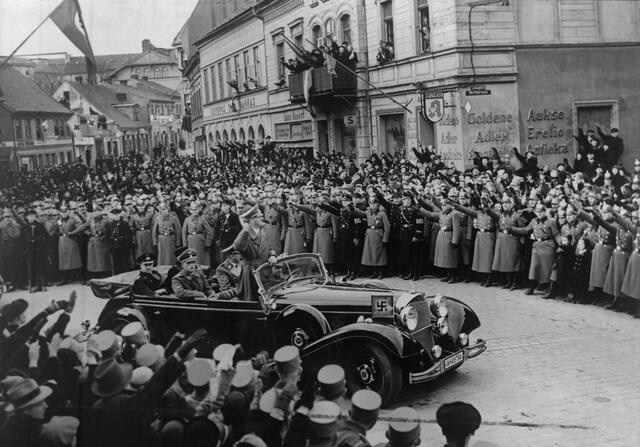
Punctually at 5 a.m. German infantry and mechanized units from East Prussia had entered the Memel territory, which Lithuania had just returned to Germany. They reached the city of Memel just after 8 a.m. and Herr Hitler arrived on board the pocket battleship Deutschland at 9.30 a.m. He arrived in a sour mood, as he had gotten violently sea sick on the overnight journey from Swinemunde. Hitler had refused to travel to Memel by the overland route, because it would necessitate setting foot on the Polish corridor, which was formerly German, but had not yet been restored. He drove to the Theatre Square through a route lined with troops and a huge crowd of Germans shouting ‘Heil Hitler.’ Hundreds of East Prussians flooded into Memel in order to hear the Führer’s speech.
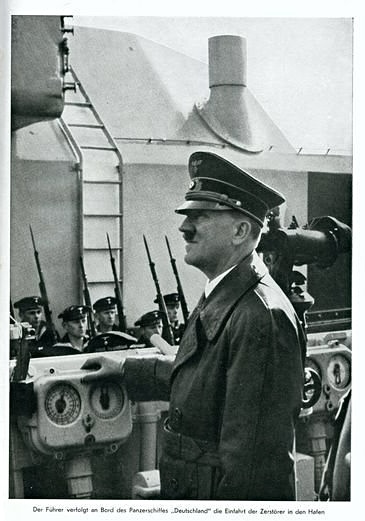
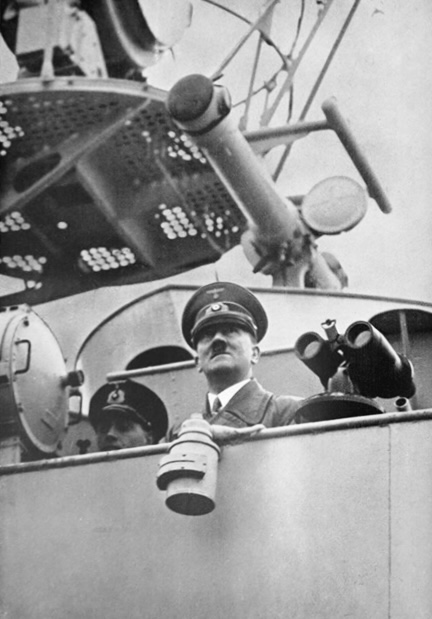
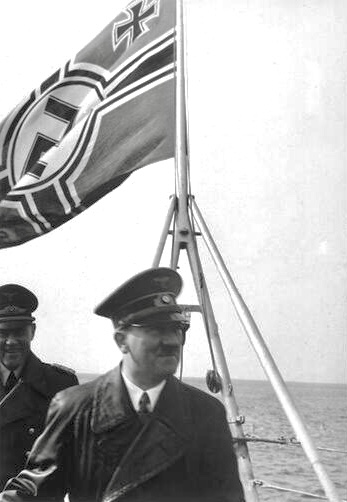
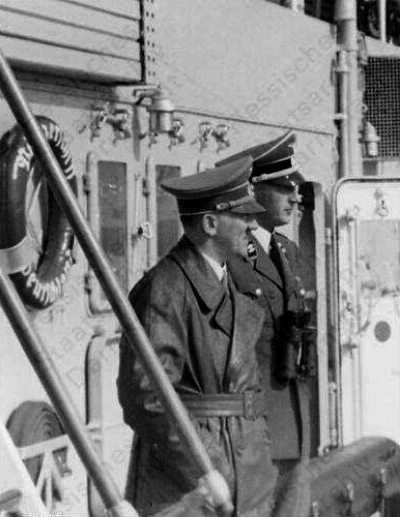
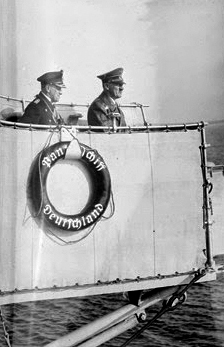
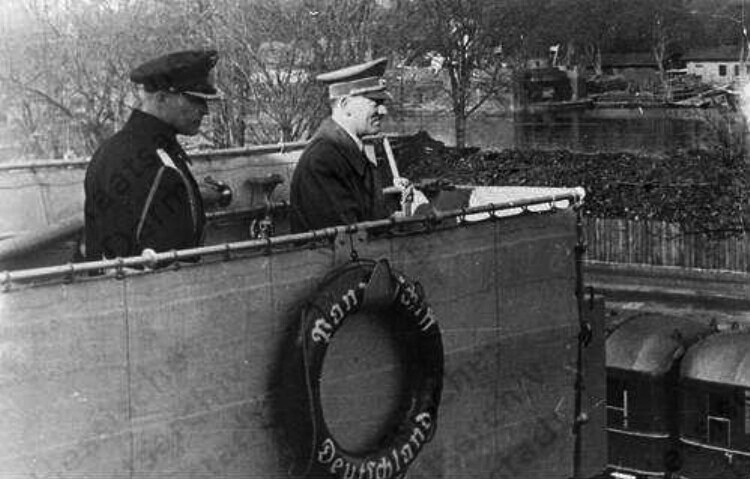
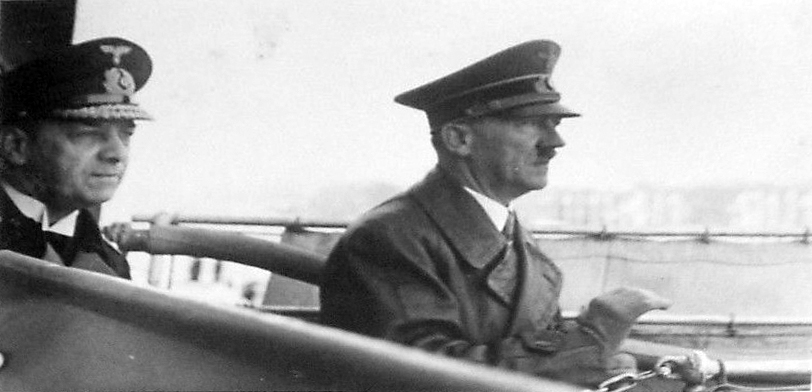
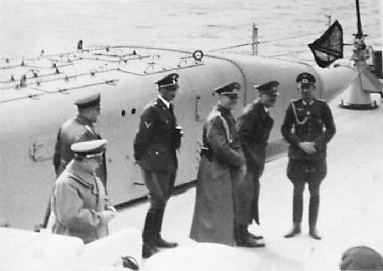
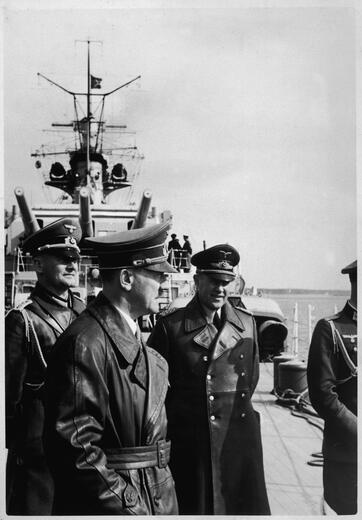
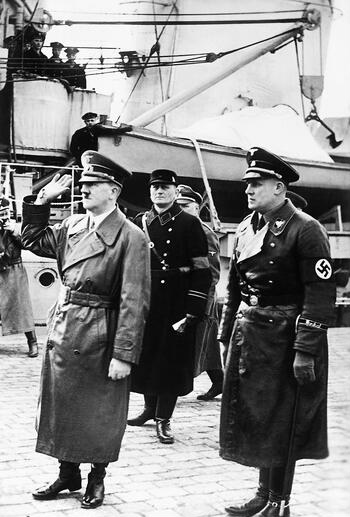
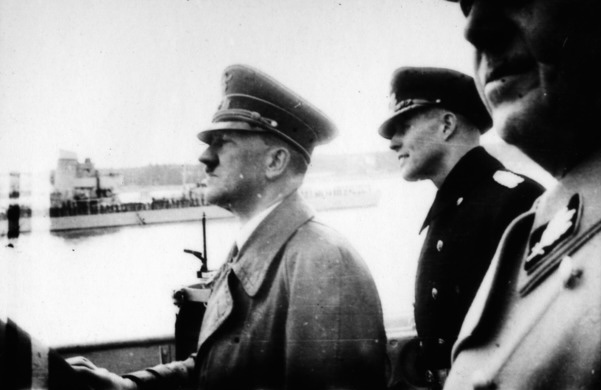
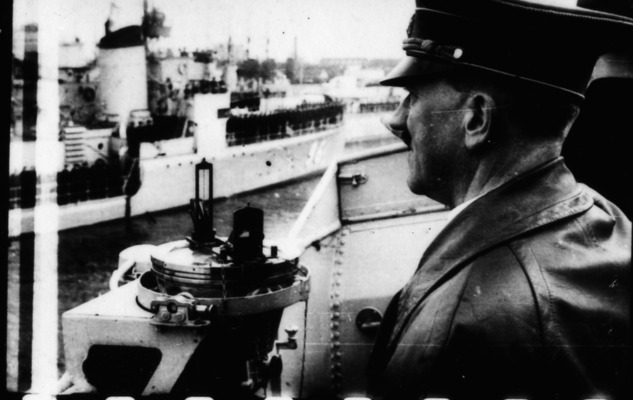
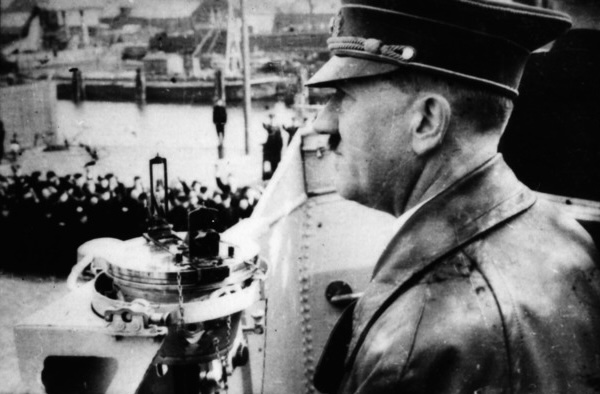
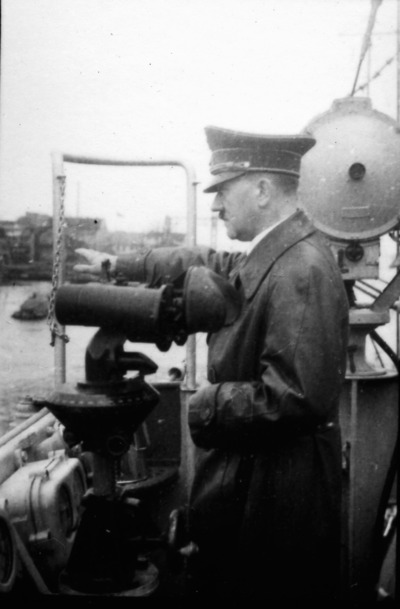
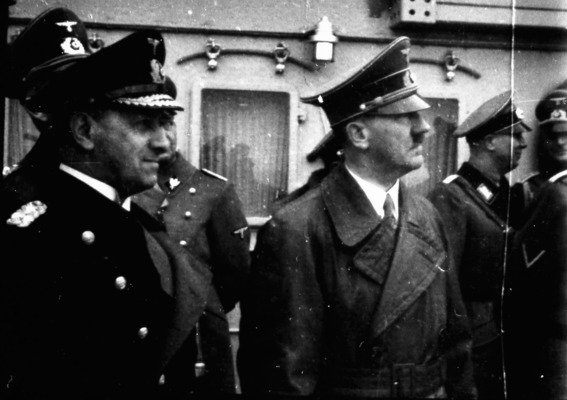
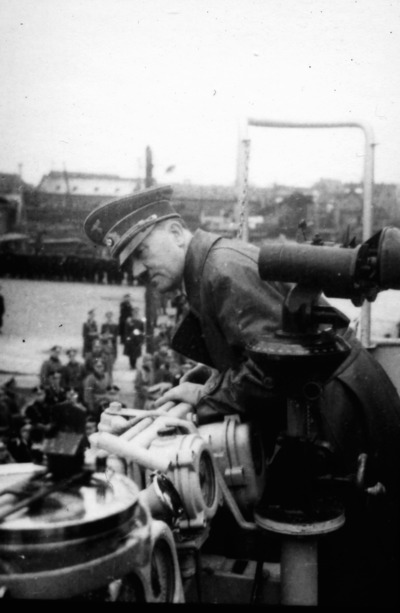
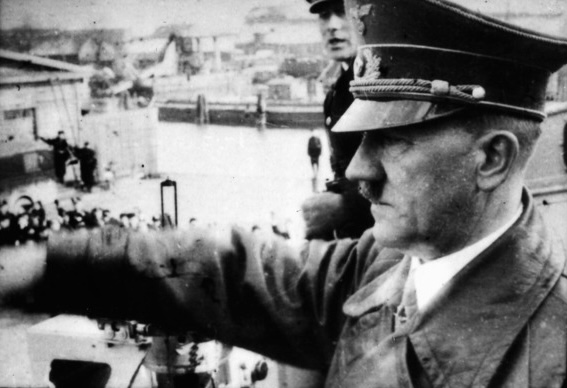

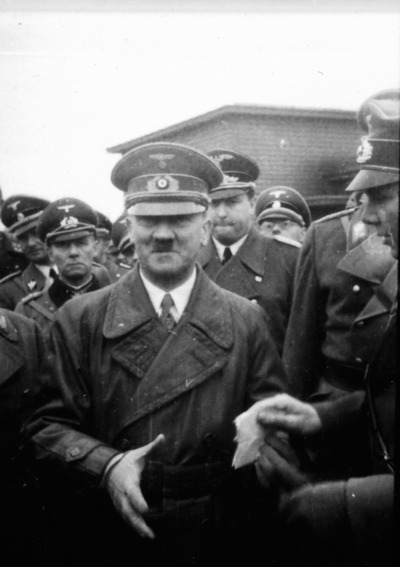
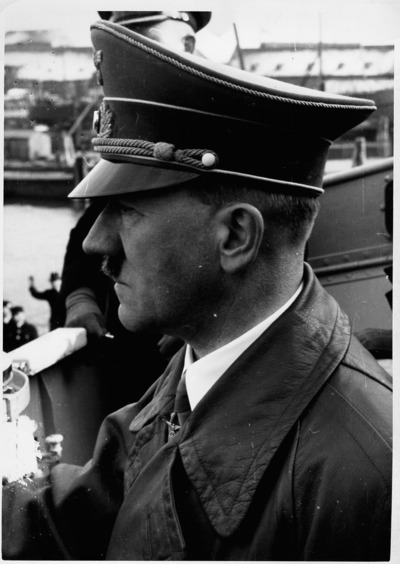
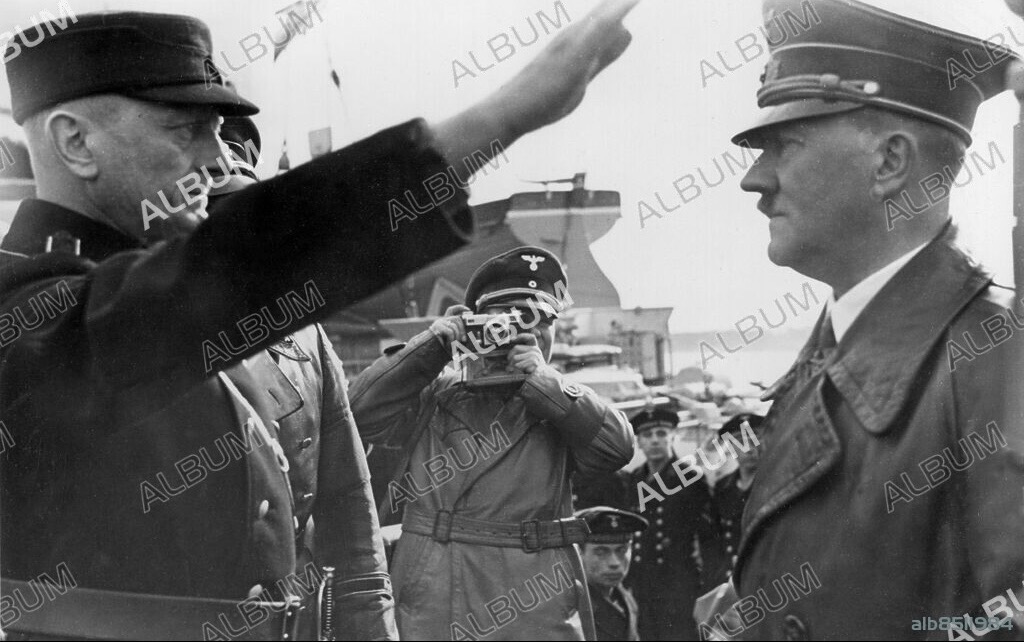
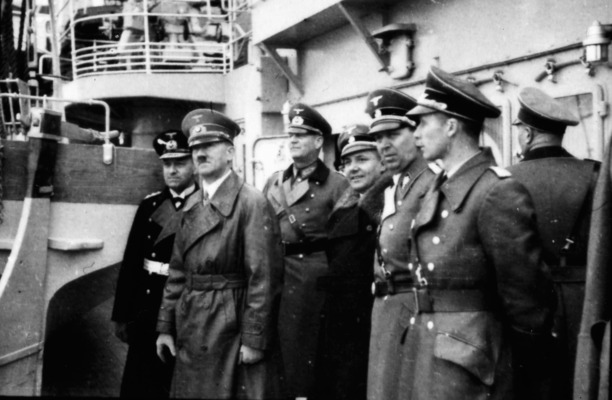
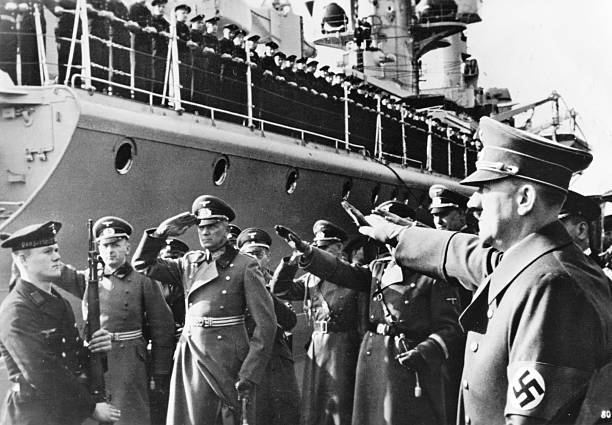
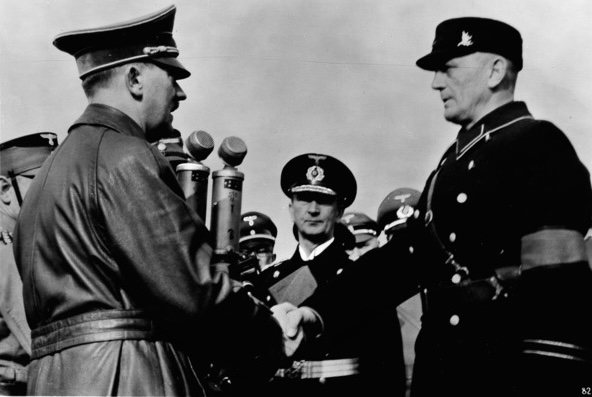
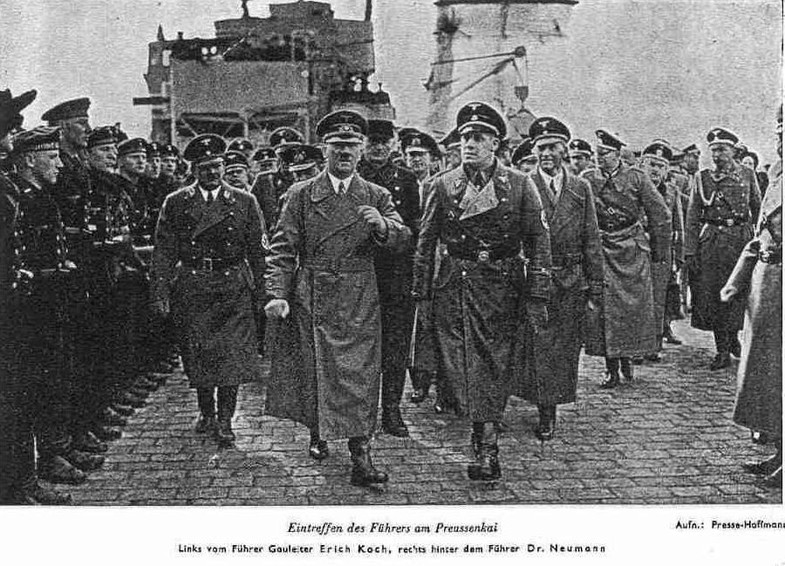
Germany’s cavalier attitude towards Lithuania was indicated by Herr Hitler’s departure for Swinemunde to board the Deutschland half an hour before the Lithuanian envoys arrived at Berlin to complete the formalities for the transfer of the city. Germans in Memel spent the day rejoicing in the streets, which were decked out with swastikas and bunting. The arriving German forces consisted of infantry, cyclists, artillery, and armored cars and were cheered by hundreds in every village as the residents hoisted swastika flags. The autonomous government of Memel ceased to function at midnight, and Herr Himmler, chief of the German police, took over the administration, and at once began organising a secret police force. The Deutschland also disembarked three companies of marines as a permanent garrison for the city.
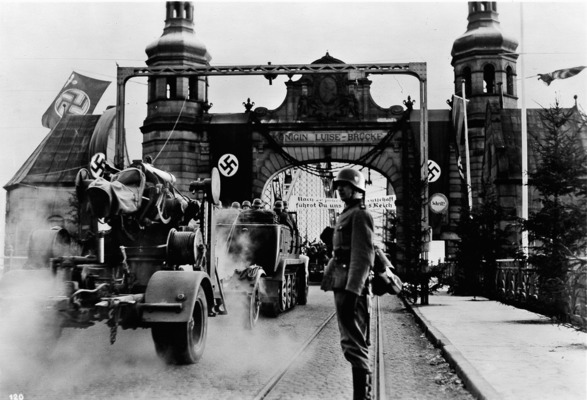
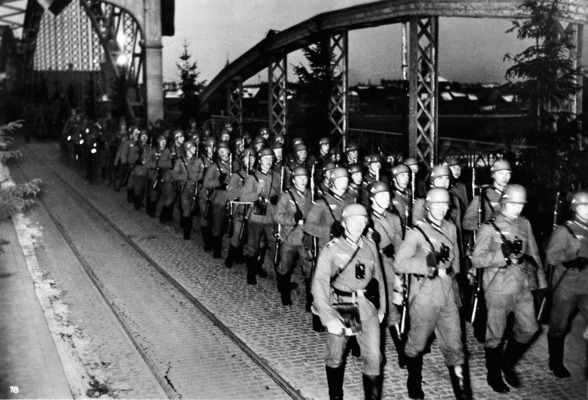
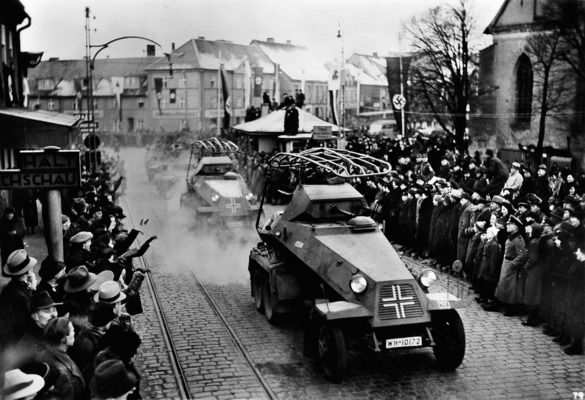
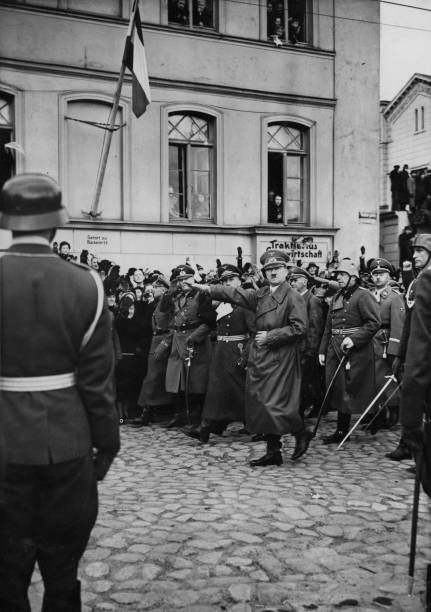
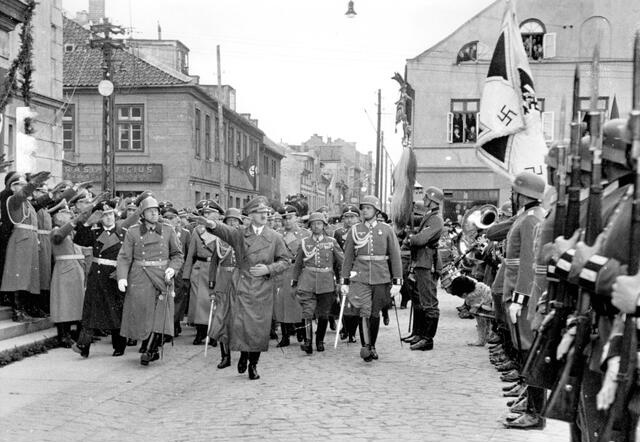
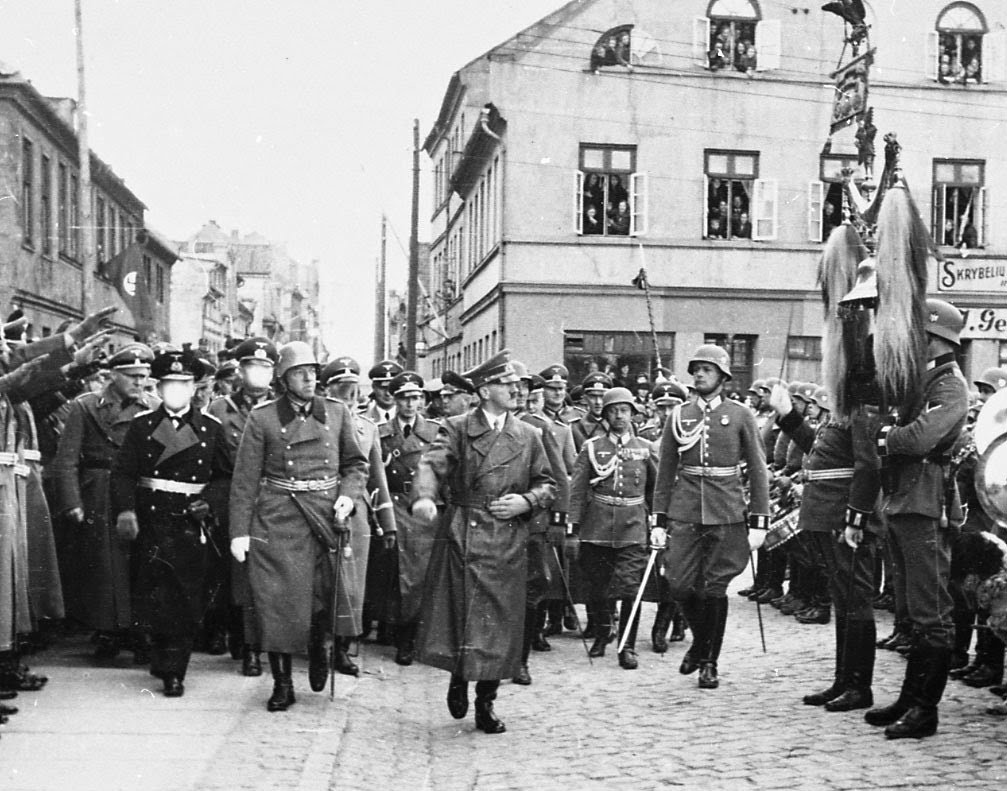

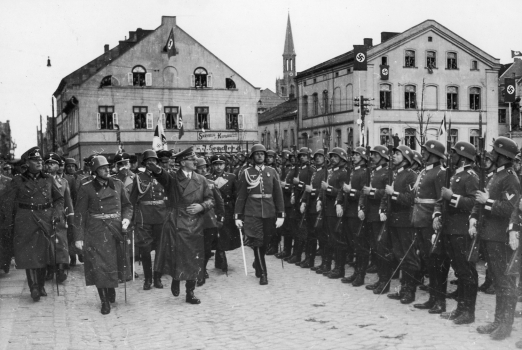
The German Luftwaffe flies over the town of Memel, Lithuania, which is celebrating its union with Germany on March 23, 1939. Memel, Lithuania’s only port city, had a mostly German population, and campaigned for its independence from Lithuania under the slogan “Home to the Reich.”
It was expected that the Third Reich would sooner or later turn its attention to reacquire the Klaipėda Region, which, before becoming part of Lithuania in 1923, belonged to the German Empire. This is exactly what happened on 22 March 1939, when German Foreign Minister Joachim von Ribbentrop delivered an ultimatum to the Lithuanian Foreign Minister on 20 March 1939, demanding the surrender of Klaipėda. The Lithuanian government, having no support and not expecting any from other countries, surrendered the region to the Nazis.
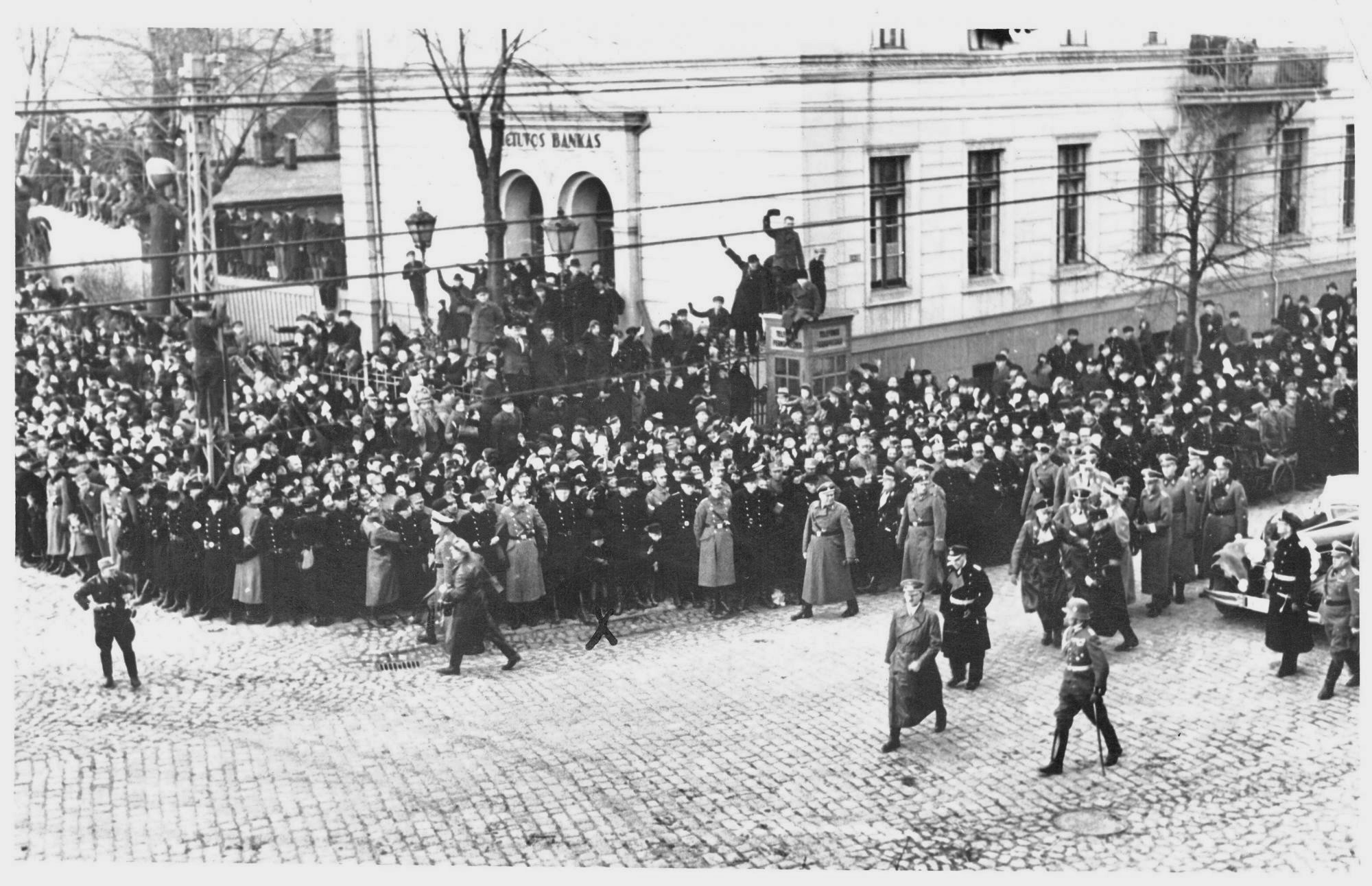
The seizure of Memel, on top of the recent dismemberment of Czechoslovakia, caused alarm in Poland, Latvia, Estonia, Sweden, and Switzerland. Poland was especially shocked by the occupation of Memel, and foresaw that Lithuania would speedily become a German protectorate, exposing Latvia, Estonia, and Finland to a similar danger. Poland would now be surrounded on three sides by the German army, and had a nightmare vision of Germany absorbing Latvia and achieving a common frontier with Russia.

Memel was the last piece of territory the Third Reich gained before the invasion of Poland and yet it is rarely mentioned in history books or documentaries. While it is sufficiently well known that the Nazi’s annexed both Austria and the Sudetenland of Czechoslovakia, almost lost to history is the fact that Memel was the Third Reich’s final territorial gain before the outbreak of the Second World War. This city, which had been nine-tenths German before the war, was ethnically cleansed after the Soviet takeover and became dominated by Lithuanians and Russians. Today it is known just the same as it was before the war, Klaipeda, Lithuania.
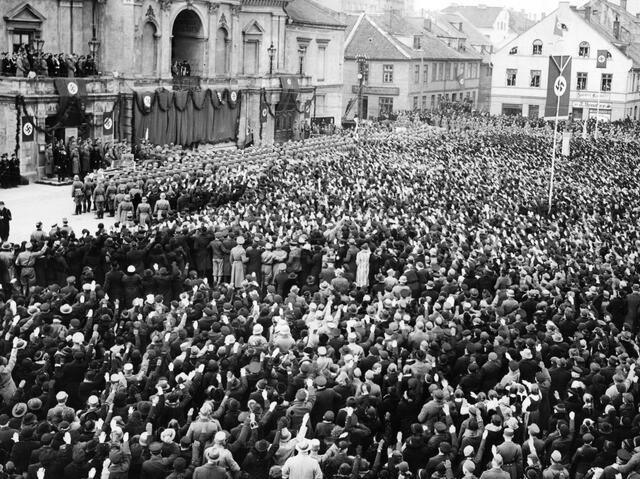
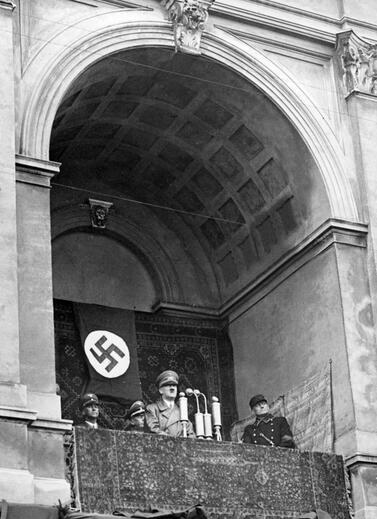
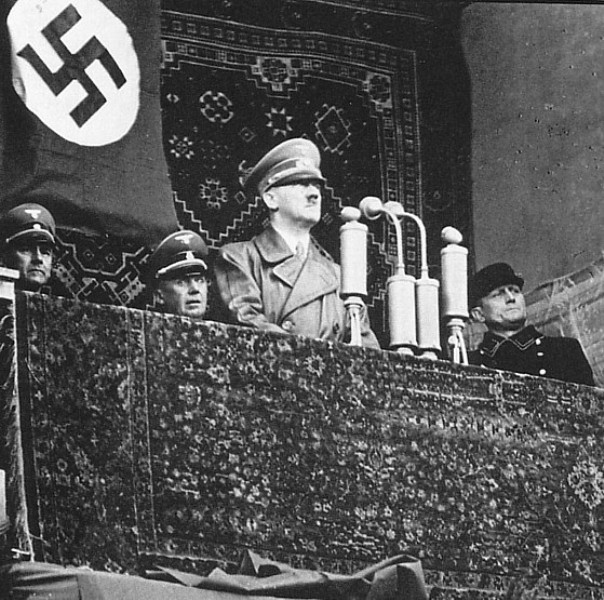
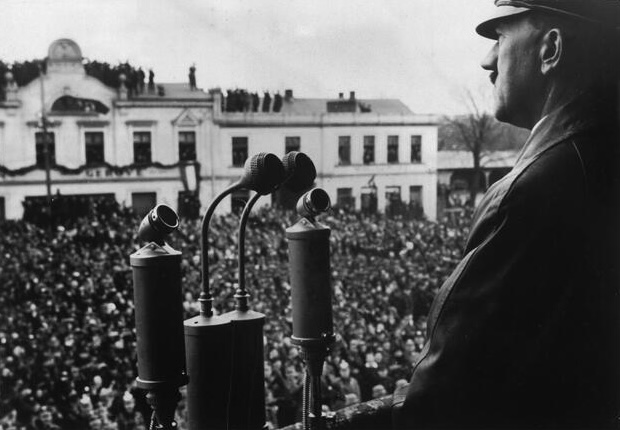
Memel Germans! Volksgenossen!
I greet you today in the name of the entire German Volk. I am happy to receive you into our Greater German Reich. I lead you back to your homeland which you have not forgotten and which has never forgotten you. In the name of the German Volk, I thank you for your brave, manly, and unshakeable insistence on your rights and your affiliation to the German Reich.
I believe I could not have expressed this gratitude in any better way than I just did by bestowing on your leader the one badge which adorns the chest of the new German Reich’s best fighters. That you are able to celebrate this day is not the result of chance, but of immense work, the most difficult of struggles and sacrifices. You were once forsaken by a Germany which had succumbed to disgrace and shame. Now you have come home to a mighty new Germany.
It upholds once more its unshakeable sense of honor. It shall not entrust its destiny to foreigners; it stands ready and willing to master its own destiny, to fashion it, whether or not this suits an outside world.
Eighty million Germans today stand up for this one new Germany. You shall now partake in the surge of our national life, our work, our faith, our hopes, and, should it become necessary, you shall partake in our sacrifices.
You appreciate this more than other Germans who enjoy the good fortune of living in our great Reich’s heartland. You live on its borders and you will perceive what it means no longer to feel forsaken now that you know a mighty Reich, a great united nation, stands behind you. Just as you once suffered because of Germany’s impotence and its fragmentation, other Germans did, too.
From despair and suffering now springs forth a new community. It is our will and our determination that it shall never again be shattered and that no power on earth shall ever break or bend it. Let this be our most solemn vow.
Twenty years of misery and suffering shall serve us as a lesson and as a warning in the future. We know what we have to expect of the rest of the world.
Yet we wish it no ill because of this. But the suffering it imparts to us must have an end.
Hence, I greet our German Volksgenossen of old as the newest of the Greater German Reich’s citizens. Let us join the other Germans throughout the Reich who, at this moment, express our love, our dedication, our willingness to sacrifice, our faith, our loyalty, and our confidence in the battle cry: our Volk and our German Reich -Sieg Heil!
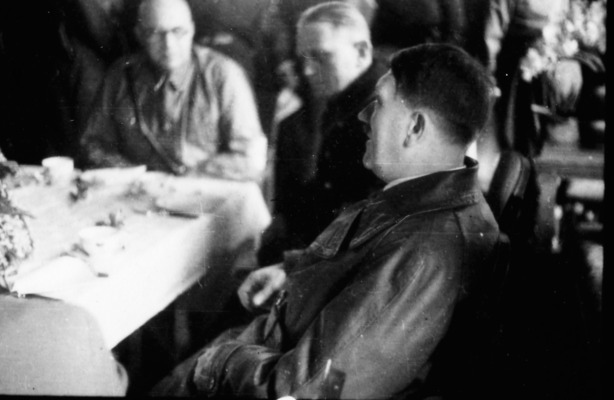
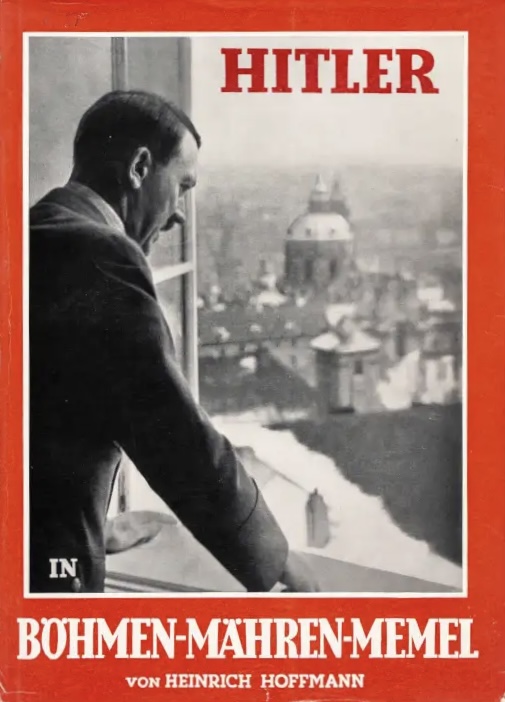
This Hoffmann book was published in 1939 in Berlin and traces historically all the events of the German liberation of Bohemia, Moravia and Memel. This edition is considered one of the rarest of the Hoffmann series.
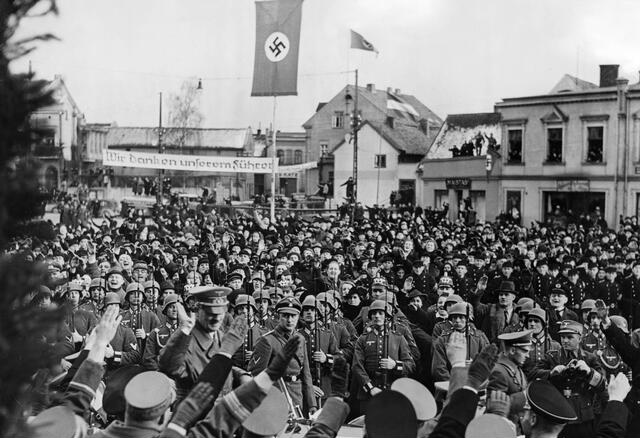
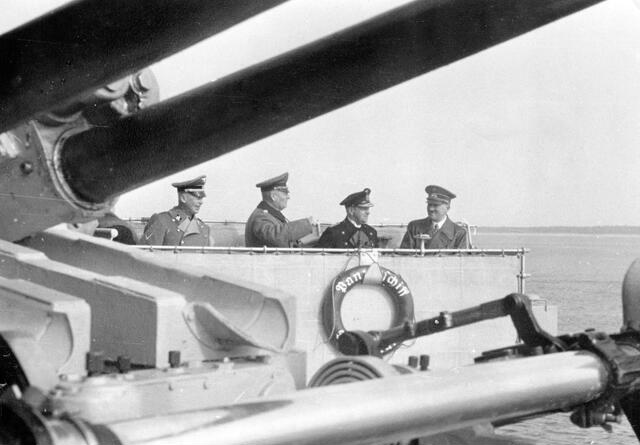
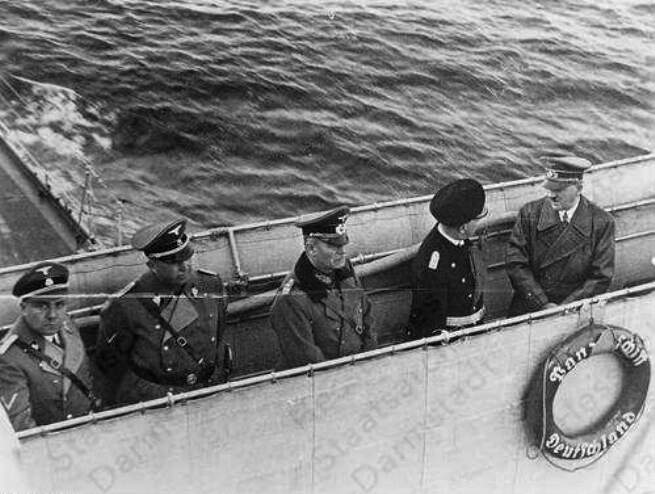




 Heinrich Hoffmann Photo Gallery