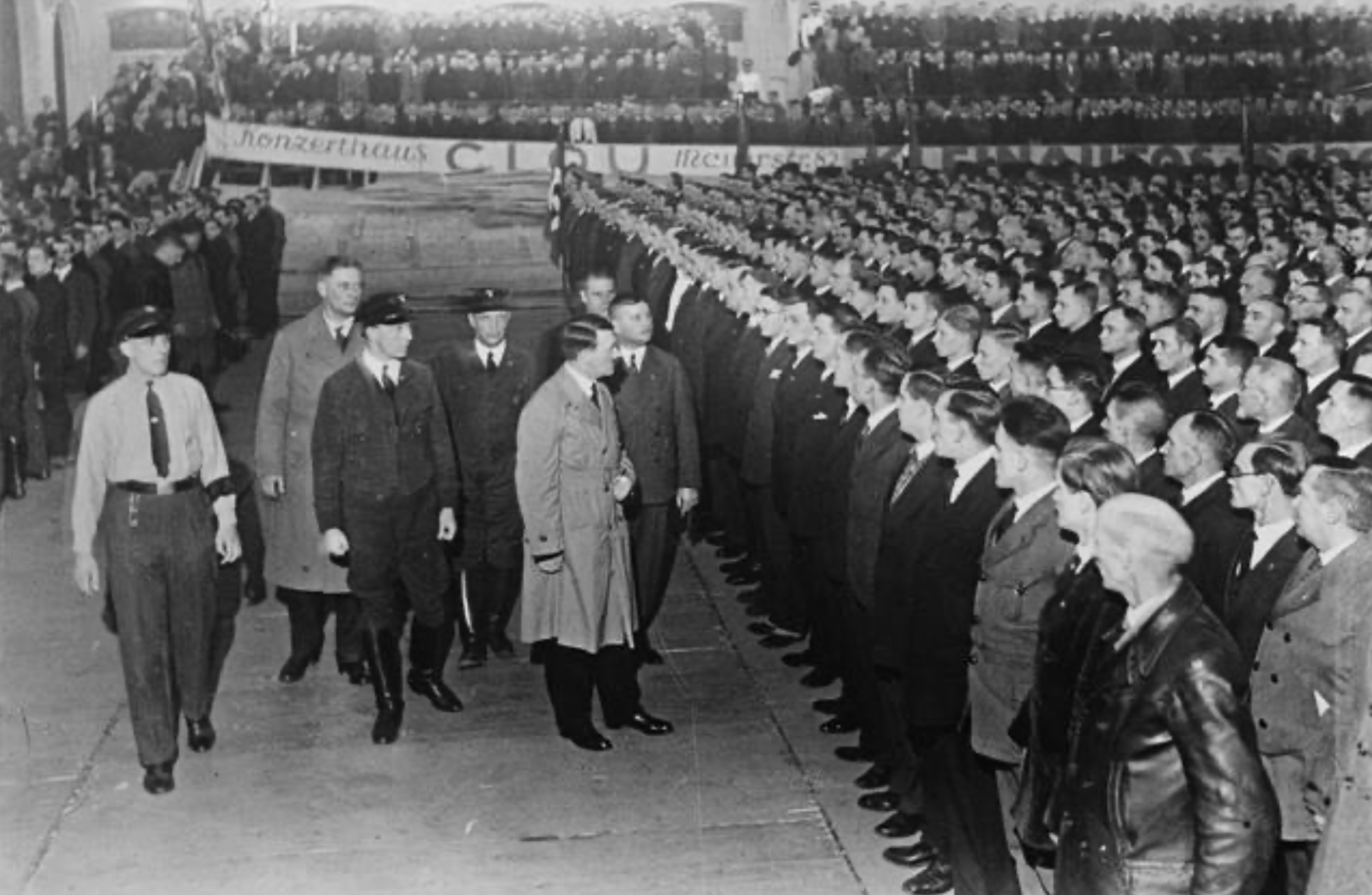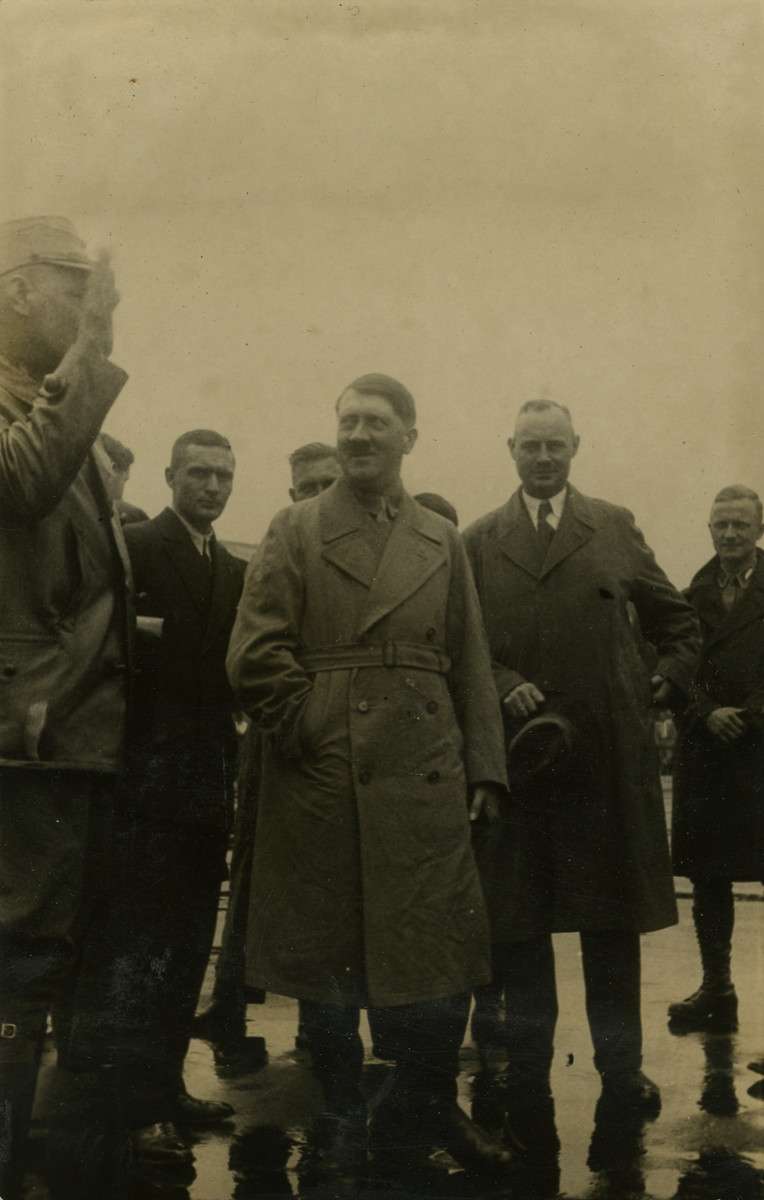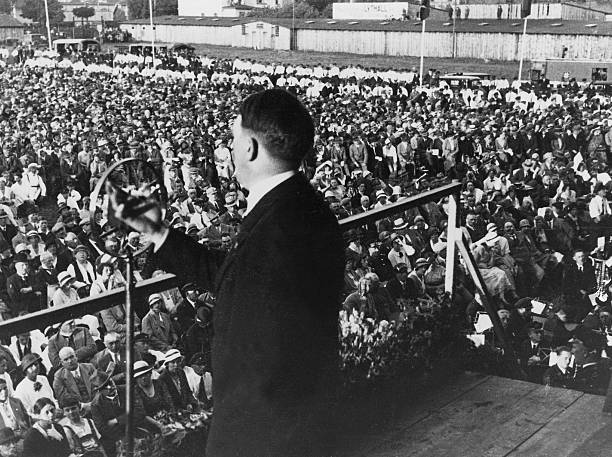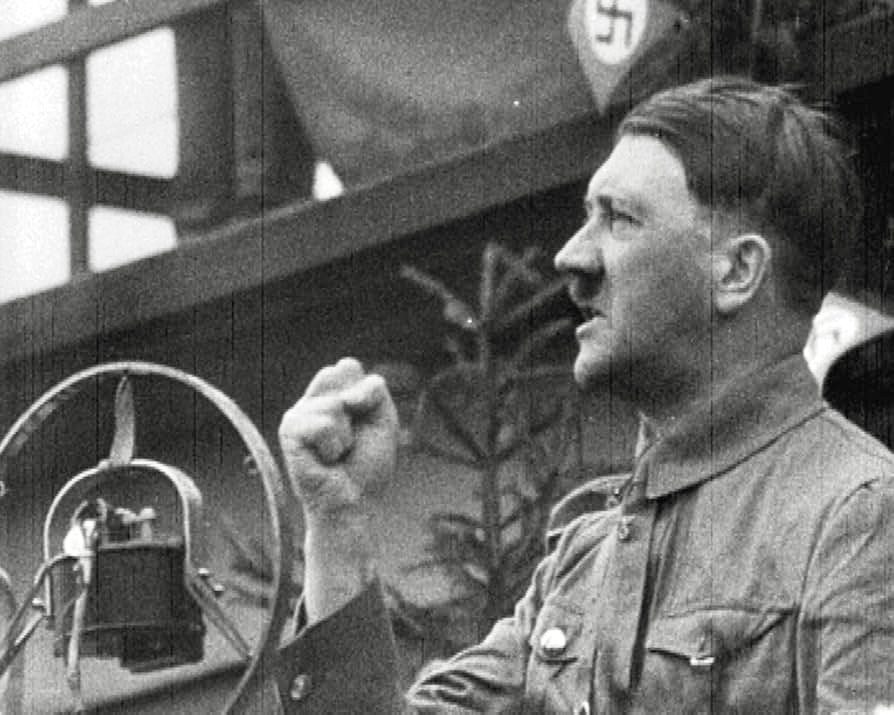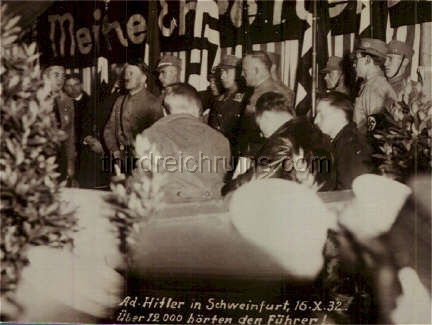

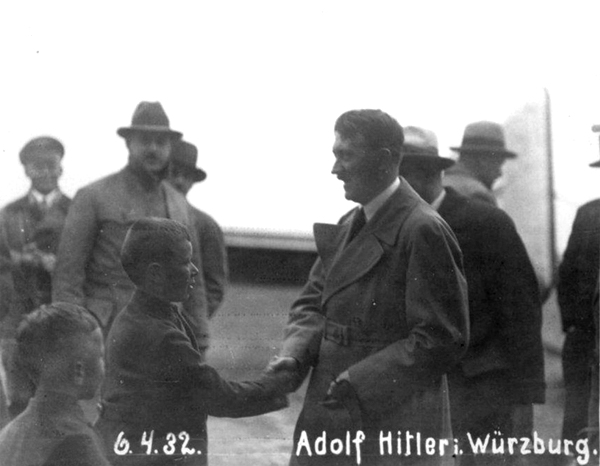
On 4 April 1932 Adolf Hitler began Round 2 of his campaign for Reich President. After the first round of voting in the 1932 German presidential elections concluded on March 13th, Hindenburg had failed to receive an absolute majority. He came up 170,000 votes short despite the 18.65 million votes that were cast for him, receiving 49.6 percent share of the popular vote. Hitler had received 11.34 million votes for 30.2 percent of the popular vote. Despite the windfall for Hindenburg, this was a bitter disappointment to the aging Reich president, who would now have to endure the stress of a runoff election.
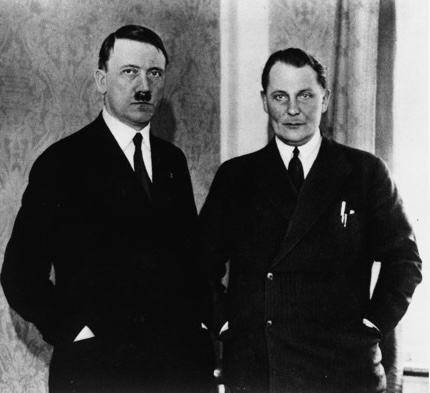
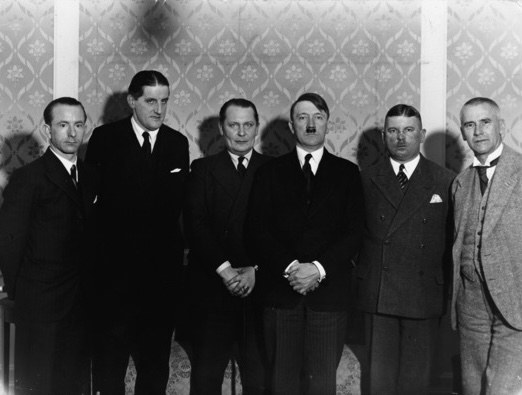
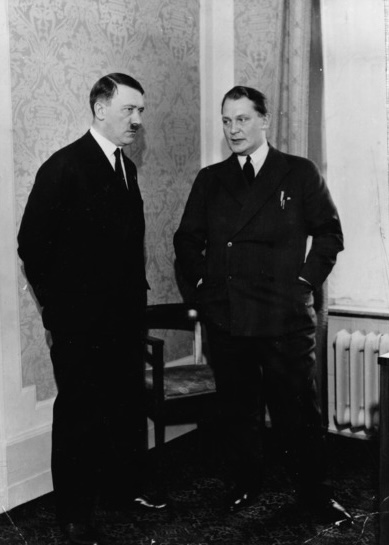
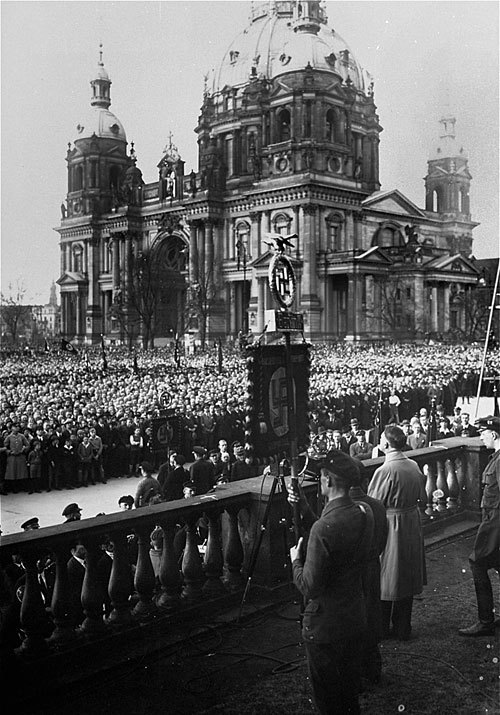
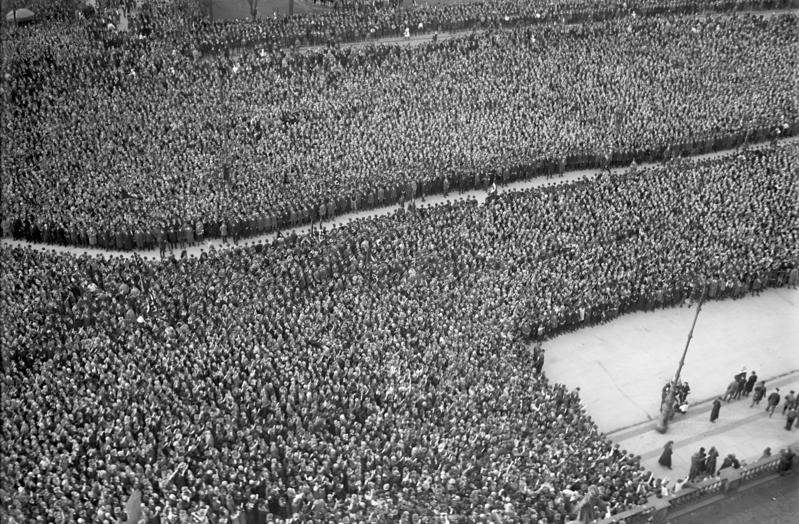
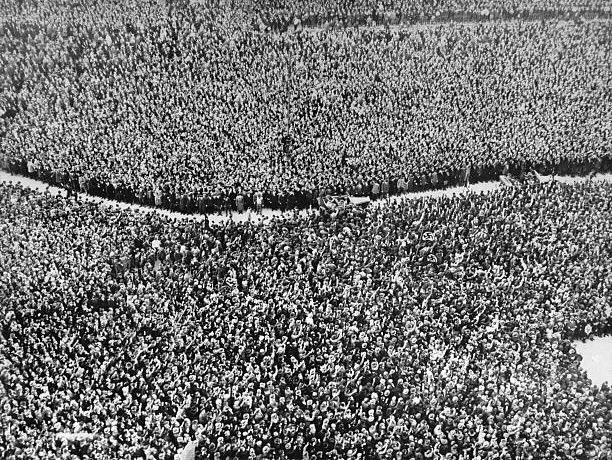
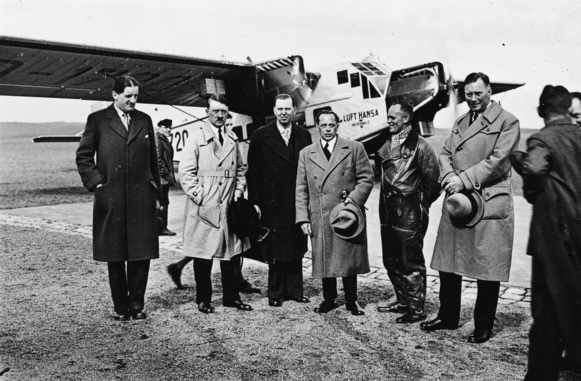
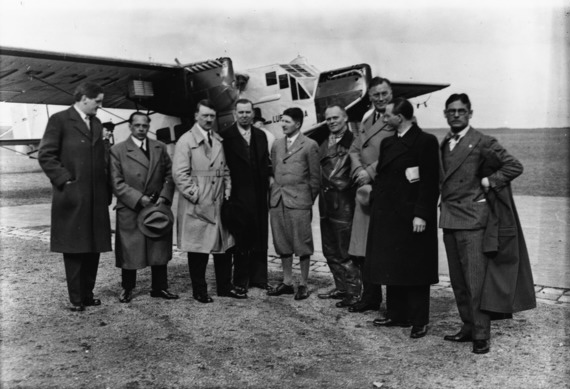
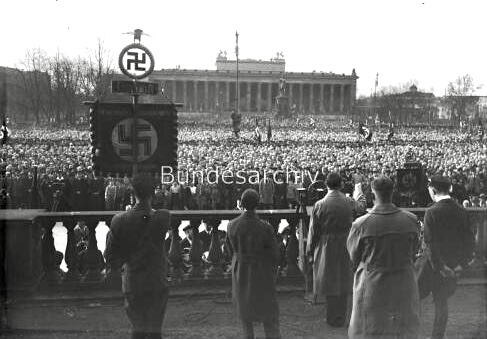
On 18 March 1932 the NSDAP nominated Hitler for the second round of voting for the office of Reich President. Hitler announced that in this second election campaign he would run the election from the air, touring Germany in an aircraft developed by the Austrian aviation pioneer Joseph Sablatnig. In the second round Paul von Hindenburg (non-partisan), Adolf Hitler (NSDAP) and Ernst Thälmann (KPD) were candidates, with voting scheduled to take place on 10 April 1932. That gave Hitler just over a week to cover as many cities as possible, kicking off his tour at Berlin’s Lustgarten speaking to 200,000 listeners.
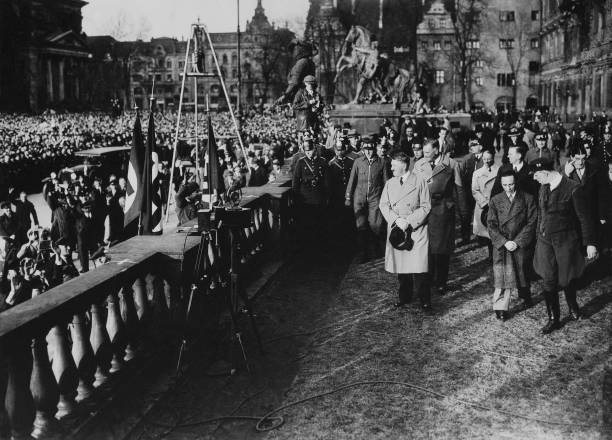
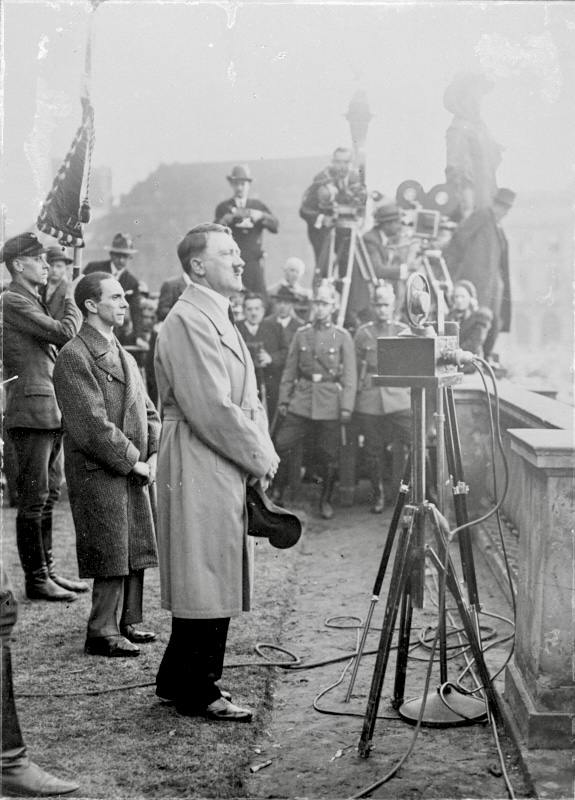
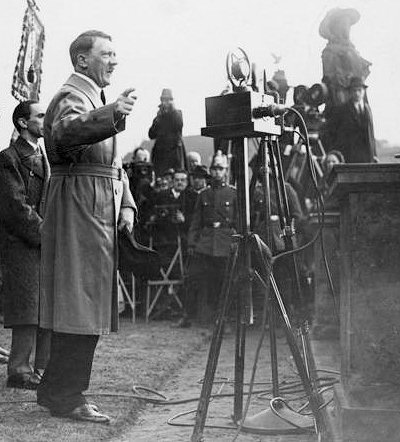
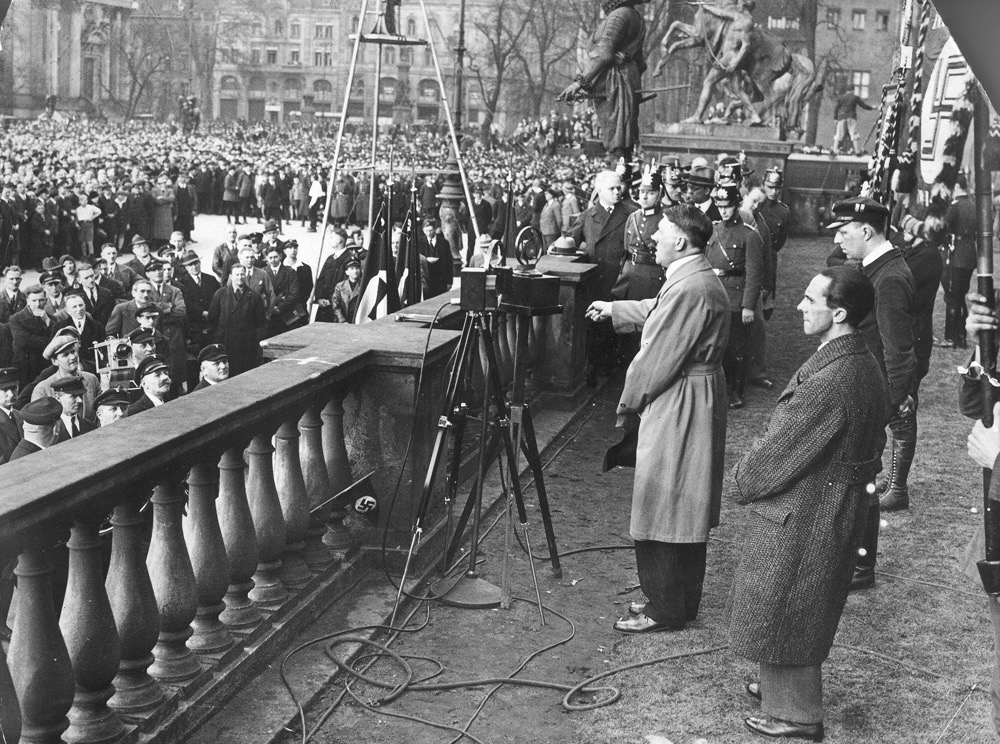
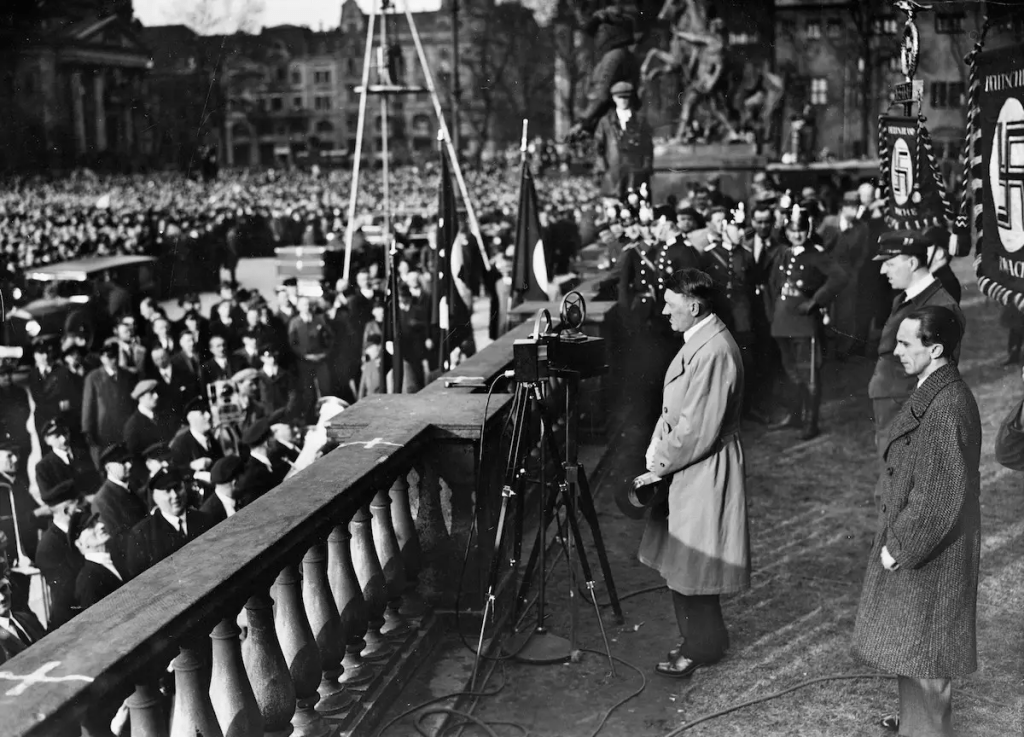
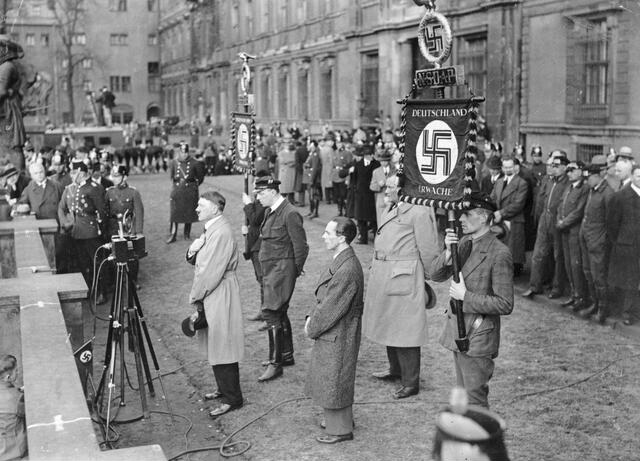
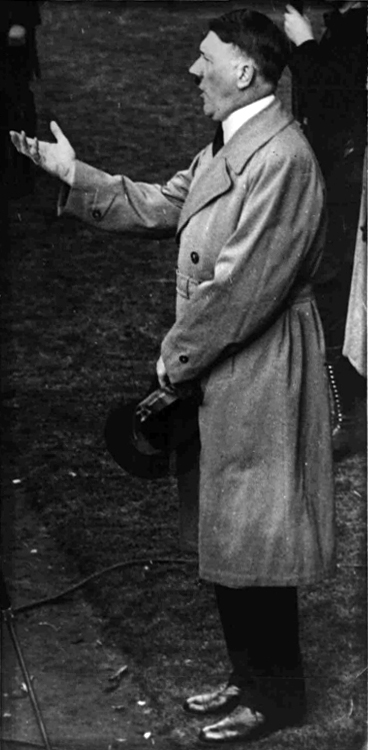
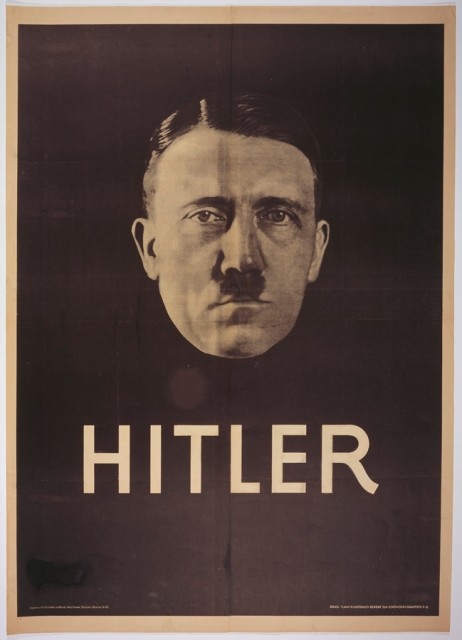
In the runoff election, the need to cast a wider net pushed Nazi Party propaganda toward a celebration of their candidate’s personal attributes. Hitler’s youth and dynamism, epitomized by his much-advertised campaign flights across Germany, became a selling point. Against the aura of aristocratic dignity that clung to the remote, eighty-four-year-old Hindenburg, the Nazis offered the modernity and glamour of a candidate who took to the skies to meet face-to-face with the German people.
More daringly, Nazi publicists brought Hitler’s private life into the limelight to emphasize his moral and human character and thereby win over the bourgeois voters and women who earlier had overwhelmingly supported Hindenburg.
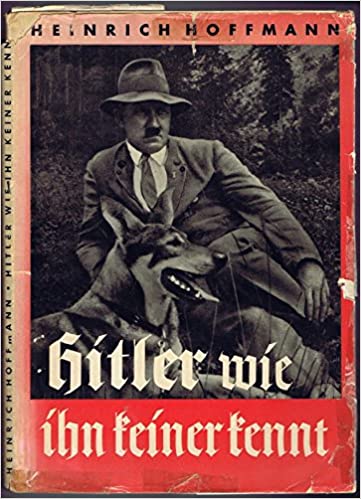
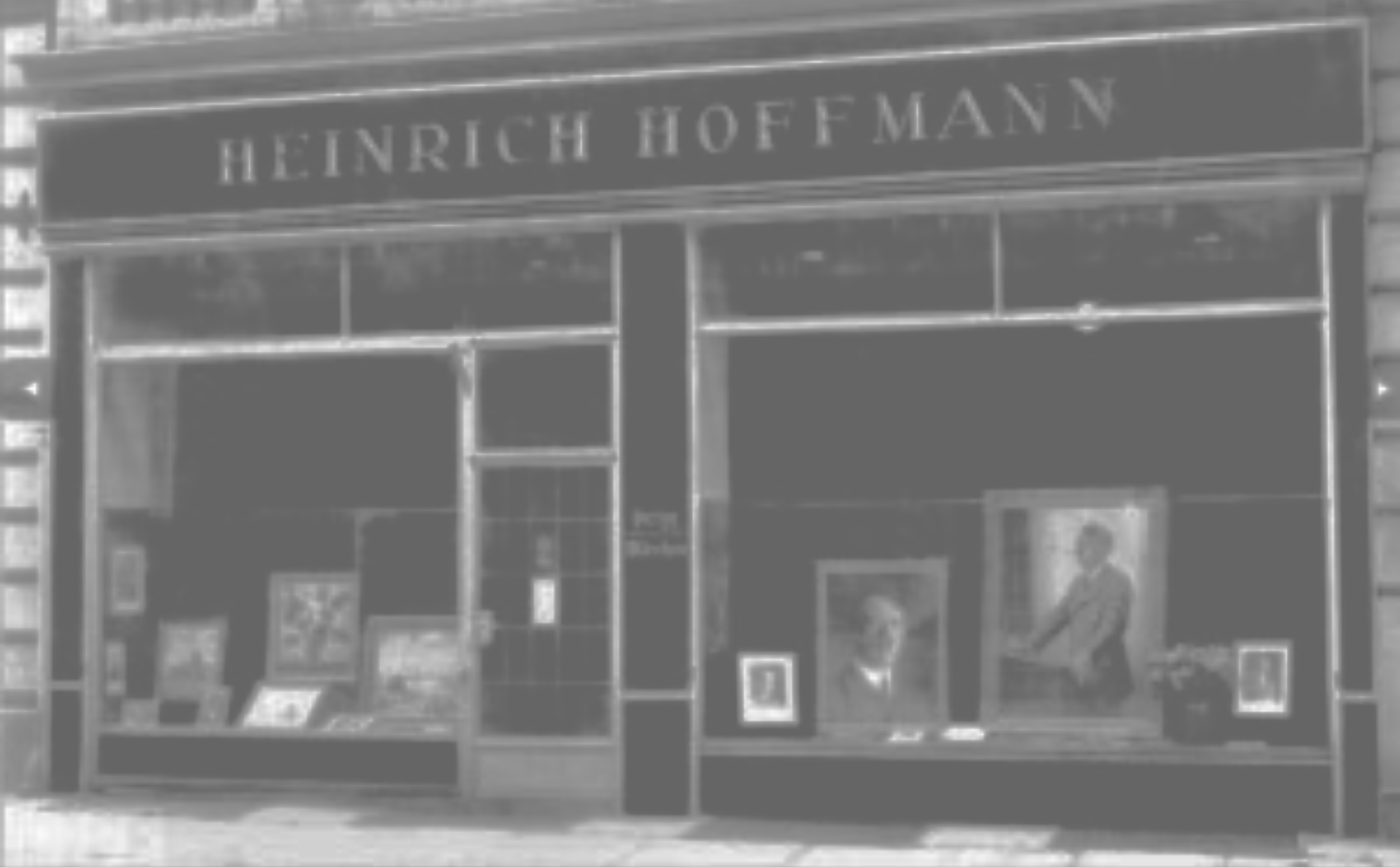
This was Heinrich Hoffmann’s first best-selling photo book on Adolf Hitler. The first edition of Hitler wie ihn keiner kennt (The Hitler Nobody Knows) was published in early March of 1932. By the year 1940, 420,000 copies had been printed and circulated all around the world.
In his foreword to Hoffmann’s book, Hitler Youth leader Baldur von Schirach attempted to deflect ongoing criticism of Hitler’s vanity with a direct statement about how Hitler hated being photographed, and only did so for the good of the party, often as the photographer’s unwilling subject. Vorwärts, the official newspaper of the Social Democratic Party, immediately published this scathing article in response to Hoffmann’s book “Hitler wie ihn keiner kennt” (The Hitler Nobody Knows):
“Listen up, millions, your longing is satisfied! You see the great Adolf of the Morning in pajamas and of the Evening in tails, you see him painting his nails, you see him pomading his side part, you see him eating, drinking, speaking, writing! For the last ten years — that is, since he turned thirty-three — the great Adolf has spent the better part of his life having his picture taken, and so in less than four thousand days “many thousands of pictures” have been produced, thus, evidently, several each day. This is how Adolf has worked quietly for his people and satisfied their desire. Though they have not eaten their fill in a long time, they can now glut themselves looking at Adolf Hitler! Heil!” -Vorwärts, “Der Vielgeknipste: Adolf in allen Lebenslagen,” March 19, 1932.
But despite such biting critiques, “The Hitler Nobody Knows” was a smash hit that sold over 400,000 copies in multiple printings by 1942. Hoffmann published several more books on the popular theme of the off-duty Führer, and played to the public’s demand by publishing postcards with similar motifs and selling such images to the German and foreign press.
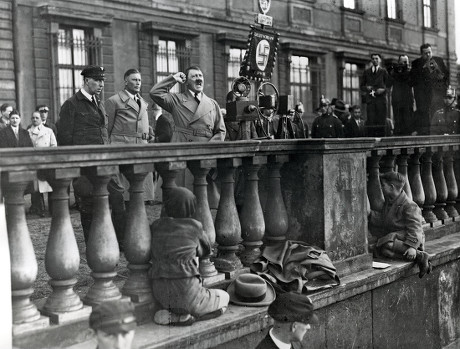
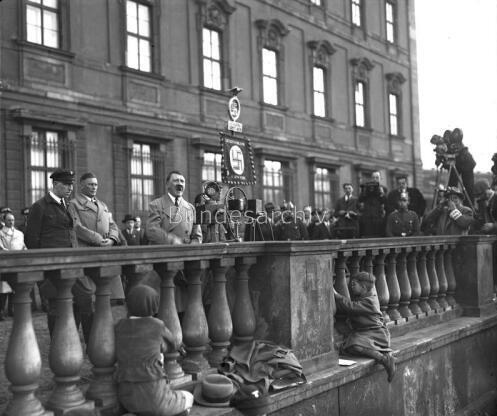
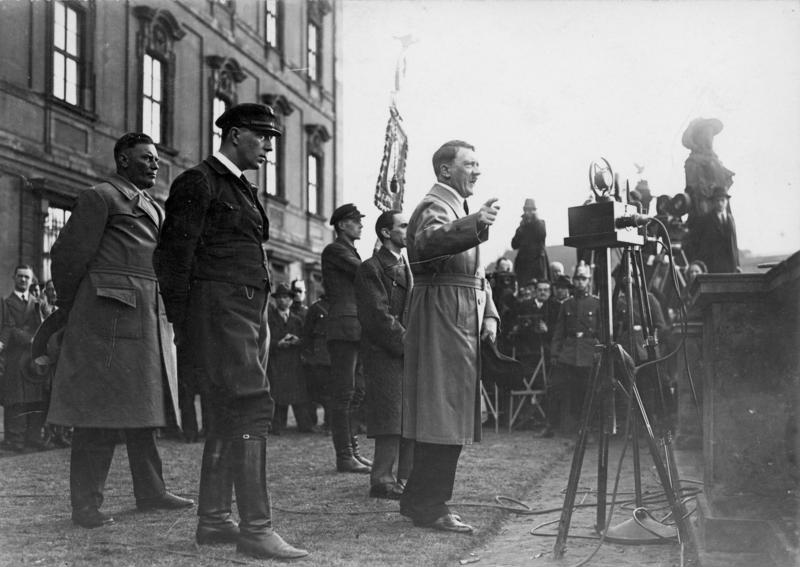
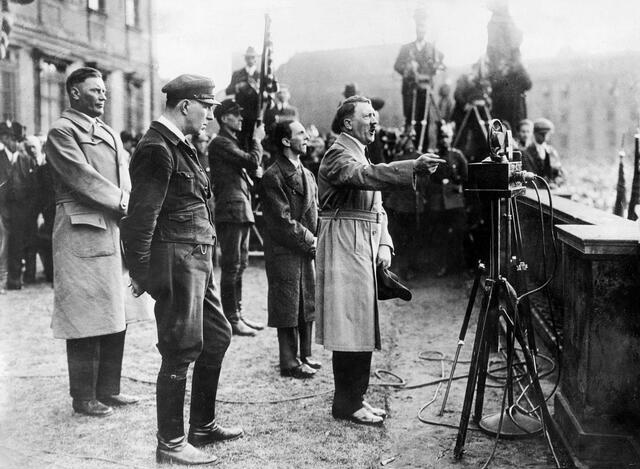
Wolf-Heinrich Graf von Helldorff
Helldorff joined the NSDAP on 1 August 1930 (membership number 325,408) and in January 1931 he joined the Sturmabteilung (SA). By July he became the leader of SA-Gruppe Greater Berlin with the rank of SA-Oberführer and, later that year, for all of Brandenburg. His position expanded when he was also given responsibility for the leadership of the Schutzstaffel (SS) in Brandenburg. In April 1932 Helldorff was returned to the Prussian Landtag as a member of the Nazi Party, this time representing constituency 3 (Potsdam II). Shortly after Hitler’s seizure of power Helldorff was made Police President of Potsdam on 25 March 1933 and in 1935 he became Police President of Berlin.
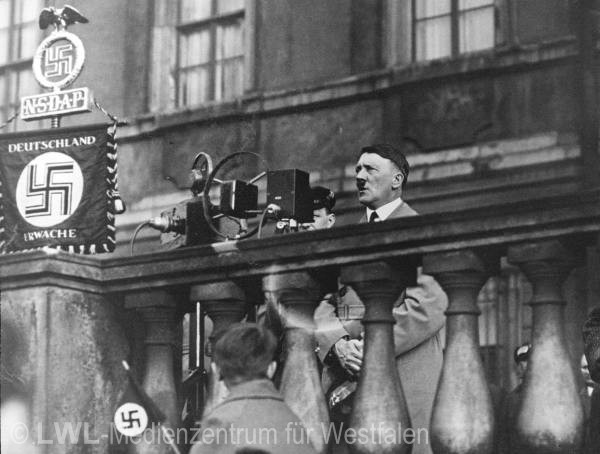
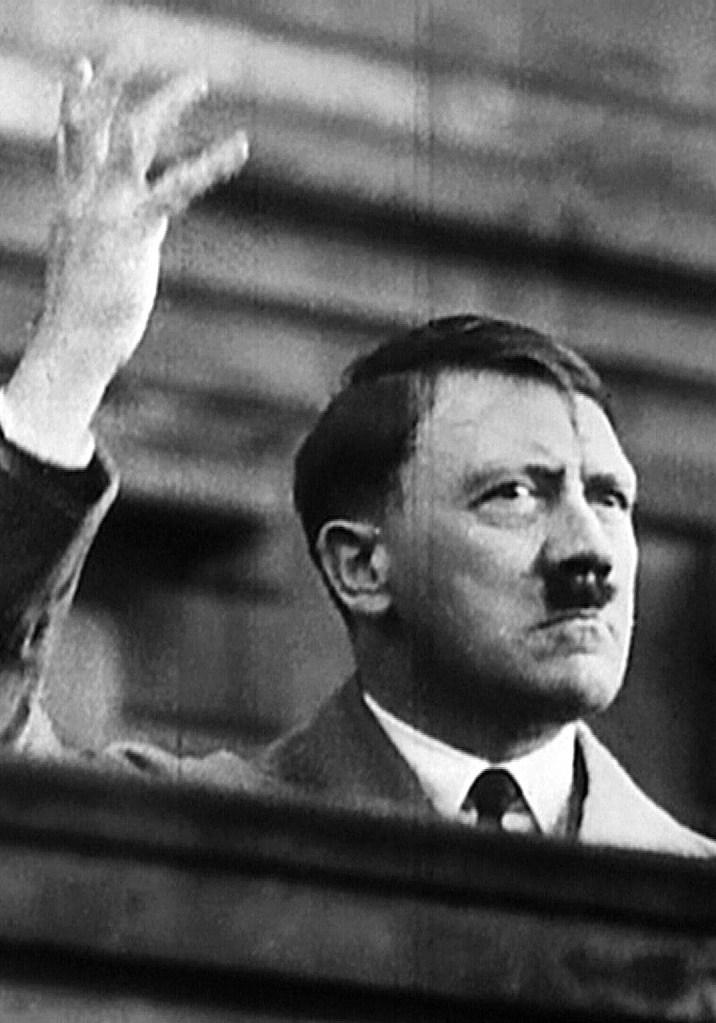
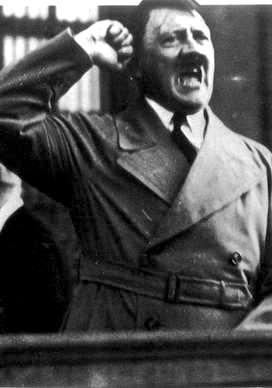
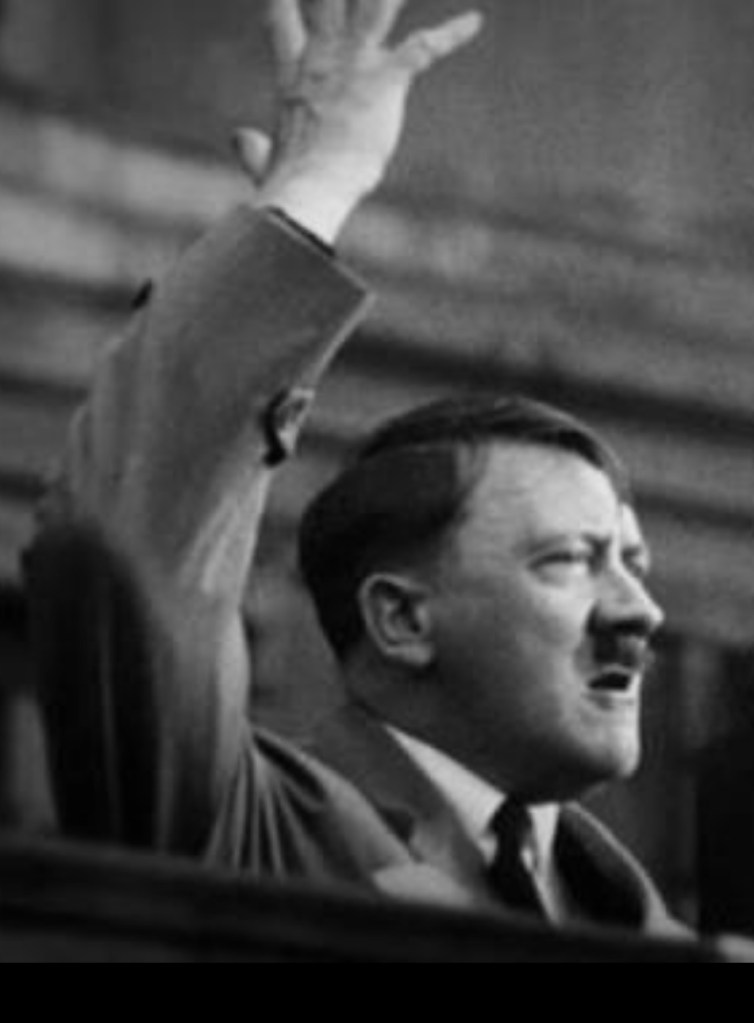
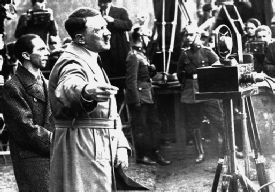
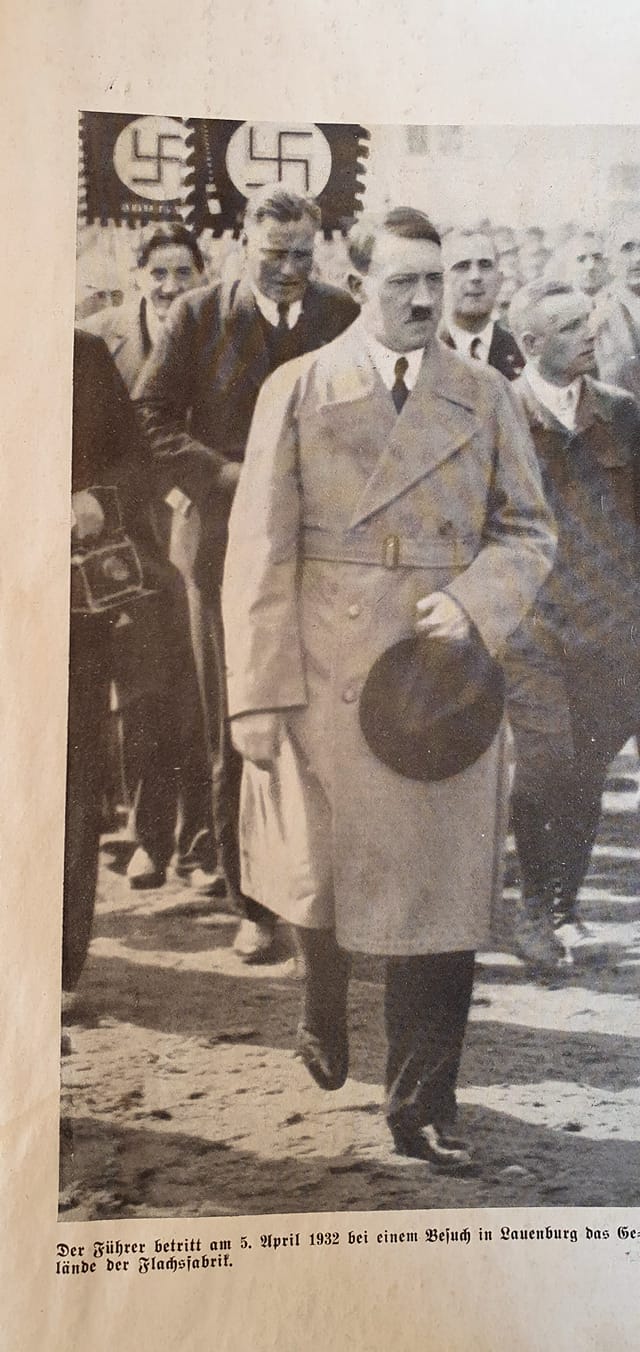
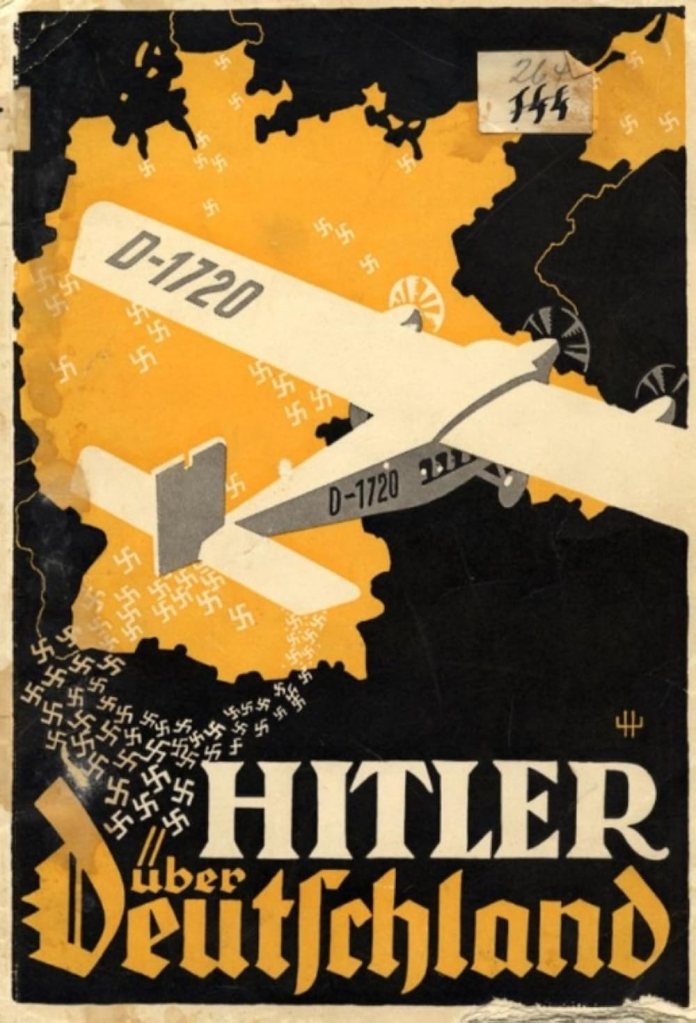
Hitler’s 1932 presidential campaign electrified German audiences. The Nazi Party had chartered a plane to fly Hitler from city to city, something unheard of at the time. This innovative approach enabled him to speak at multiple rallies across Germany each day.
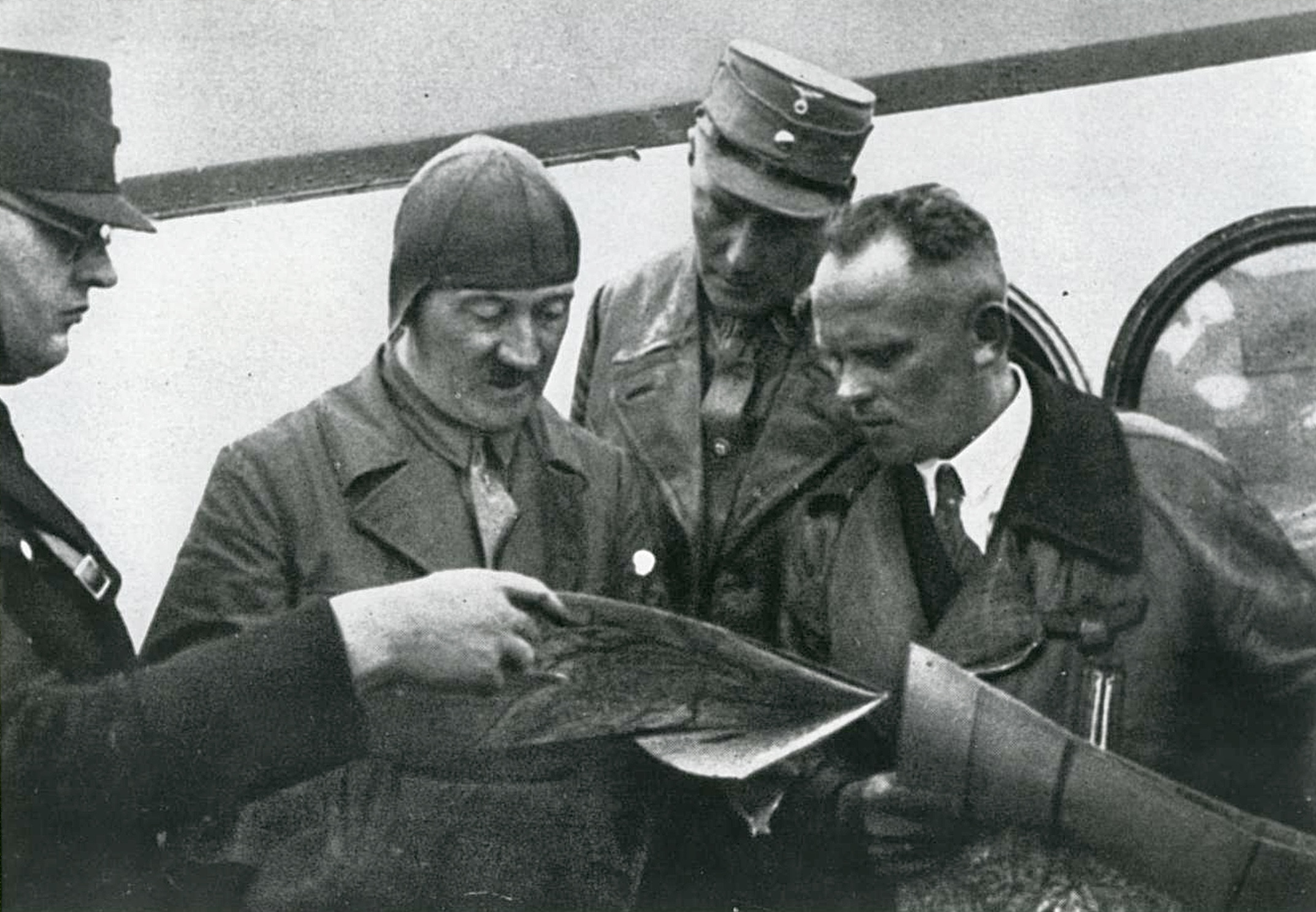
After just two days into his rigorous campaign tour, Hitler’s ear, nose and throat doctor Dr. Dermietzel recommended Hitler pursue voice training because of a potential threat of vocal cord paralysis due to overexertion. The actor and singer Paul Devrient (also Paul Stieber-Walter) was commissioned to train Hitler in the field of rhetoric, acting and above all voice training. Devrient, a successful German opera tenor in the 1920s and 1930s, also taught acting and voice training from 1929-1933. He claims his most spectacular student was Hitler, with whom he traveled through more than a hundred cities in 1932. He taught him in hotel rooms, attics, restaurants or any available space to be found while out on the campaign trail.
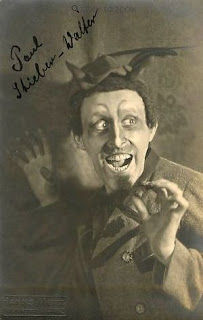
Paul Devrient was a German operatic tenor who first studied singing under the tenor Hanns Nietan in Dessau. Later he took voice lessons from the famous baritone Harry de Garmo in Wiesbaden. His diary was published posthumously as “Mein Schüler Hitler: Das Tagebuch seines Lehrers Paul Devrient”
British journalist Sefton Delmer was also able to travel with Hitler on his private plane during his week of campaigning, where he got the first-hand opportunity to listen to all of his plans for what Hitler wanted for Germany. Delmer worked for a magazine called The Daily Express, and since he was bilingual he was chosen to do the reporting and translating of all the news coming out of Germany. Delmer had become friends with the Nazi officer Ernst Röhm who introduced him to Hitler in early 1932. He became the first British journalist to ever secure an interview with Hitler, and he had also traveled to Berlin to report on the day when Hitler took office on 30 January 1933.
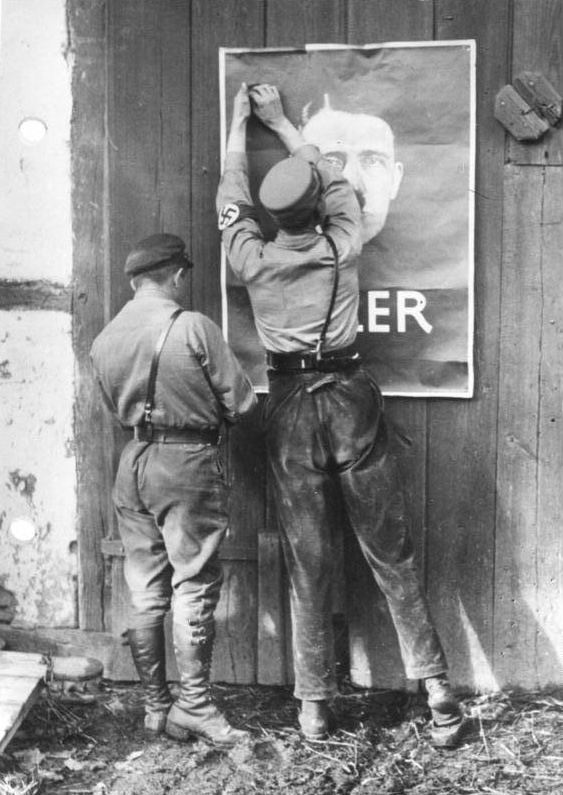
Hitler’s Campaign Posters
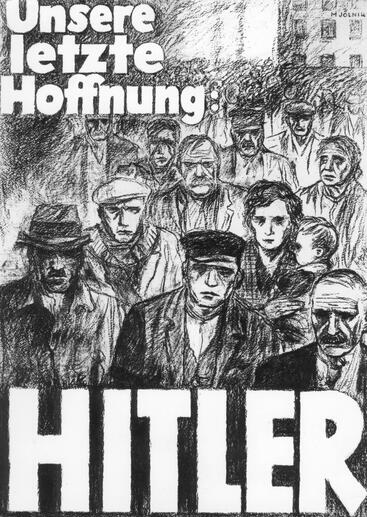
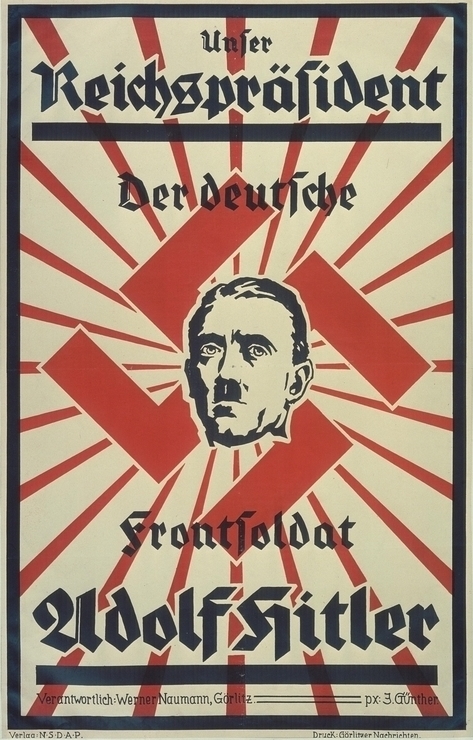
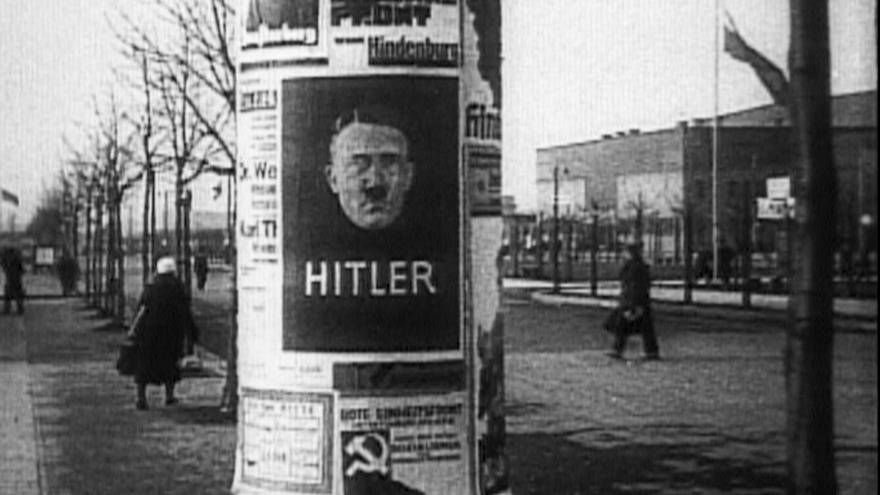
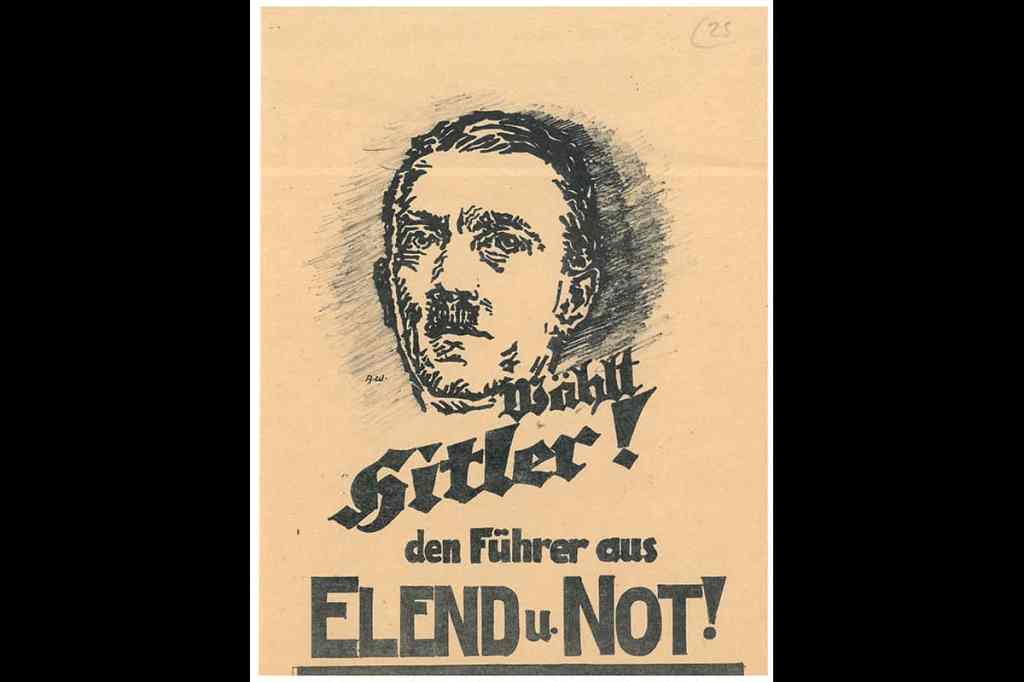
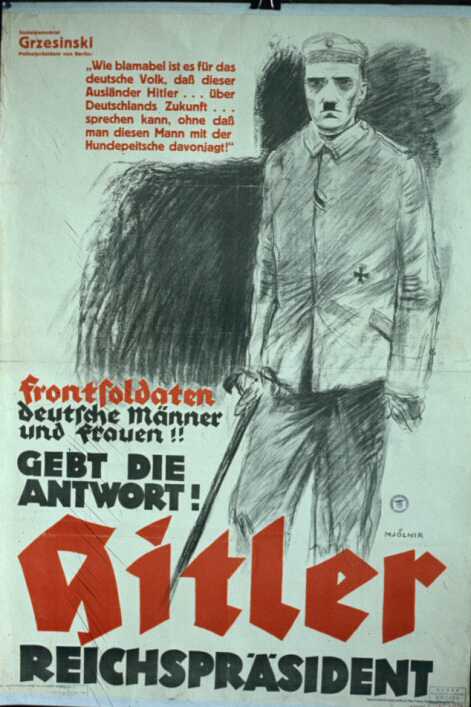
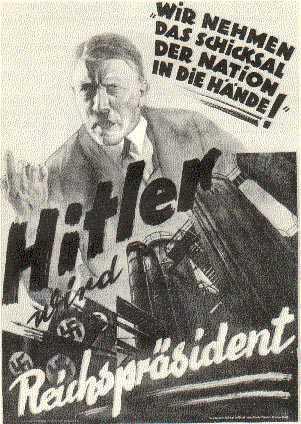
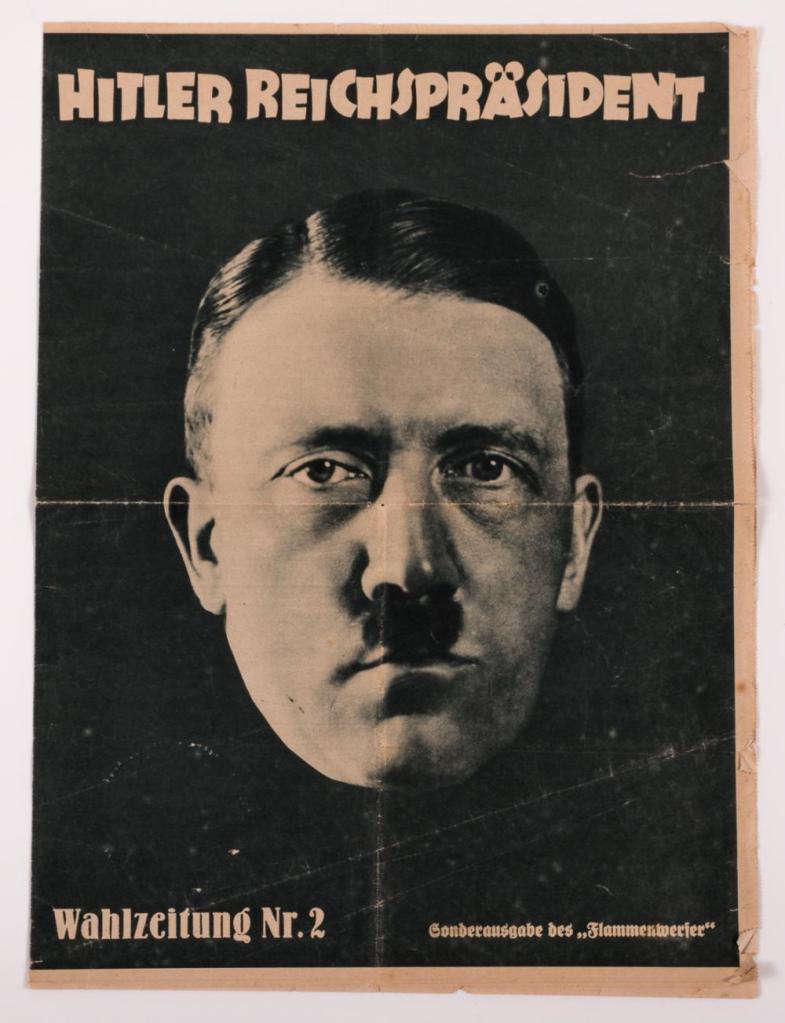
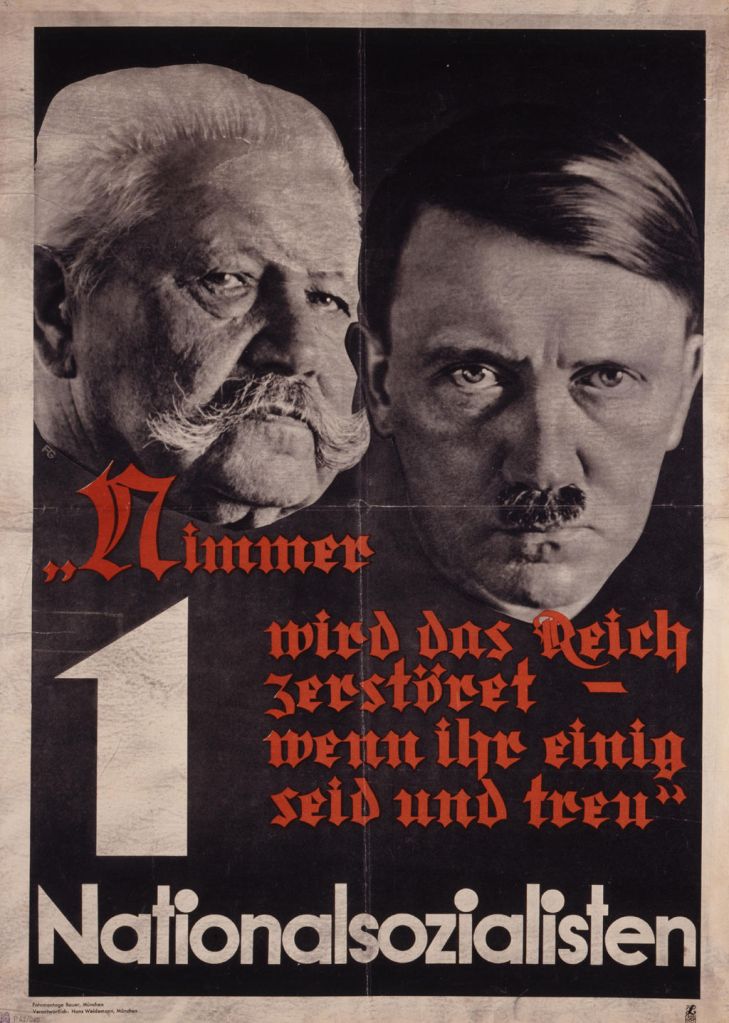
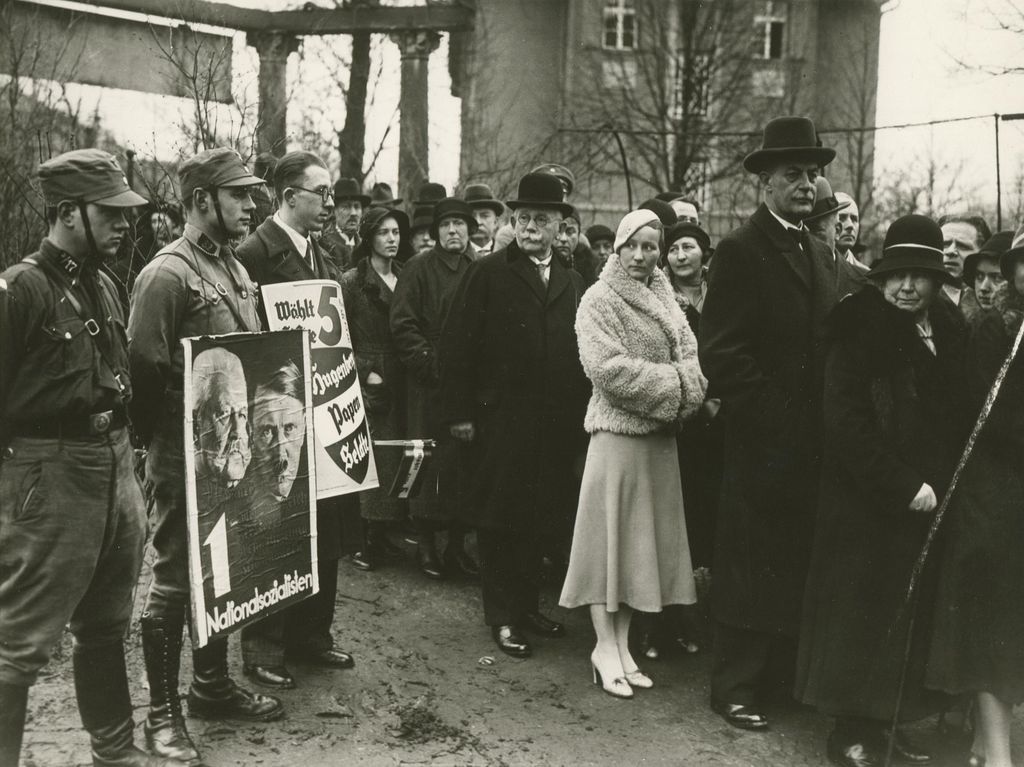
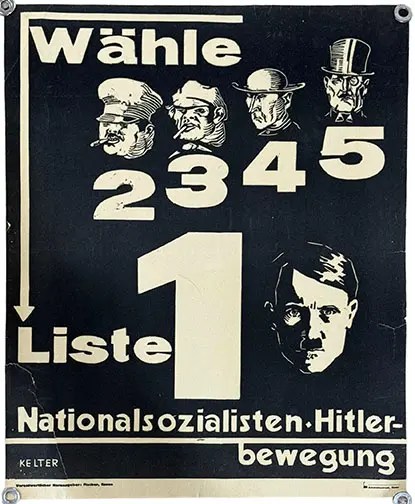
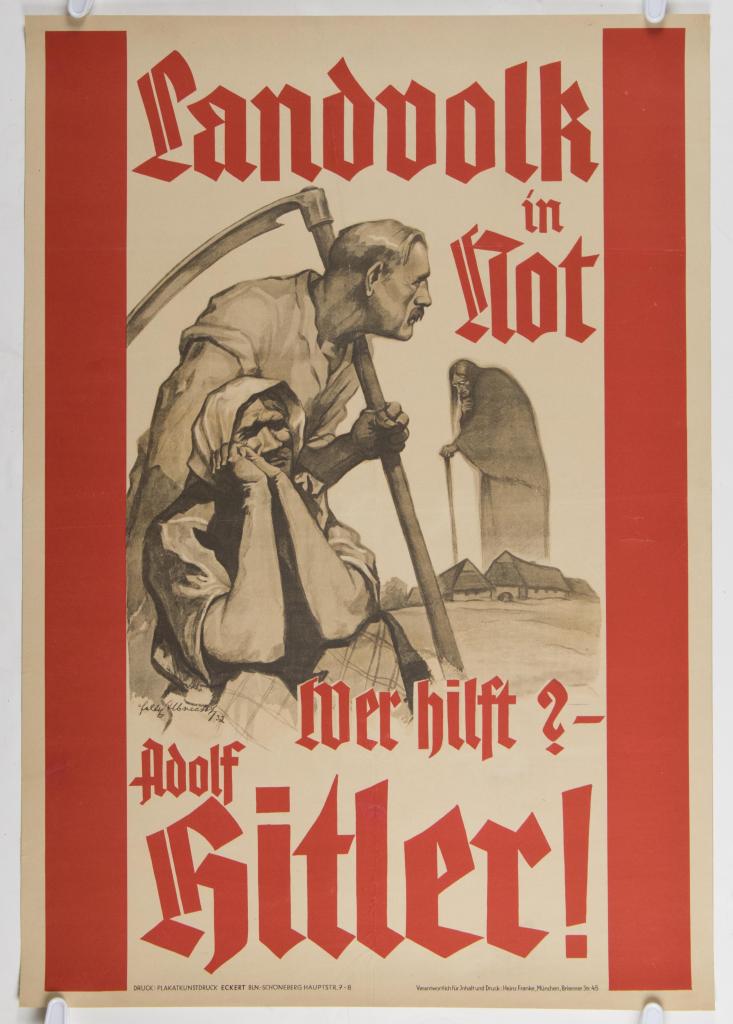
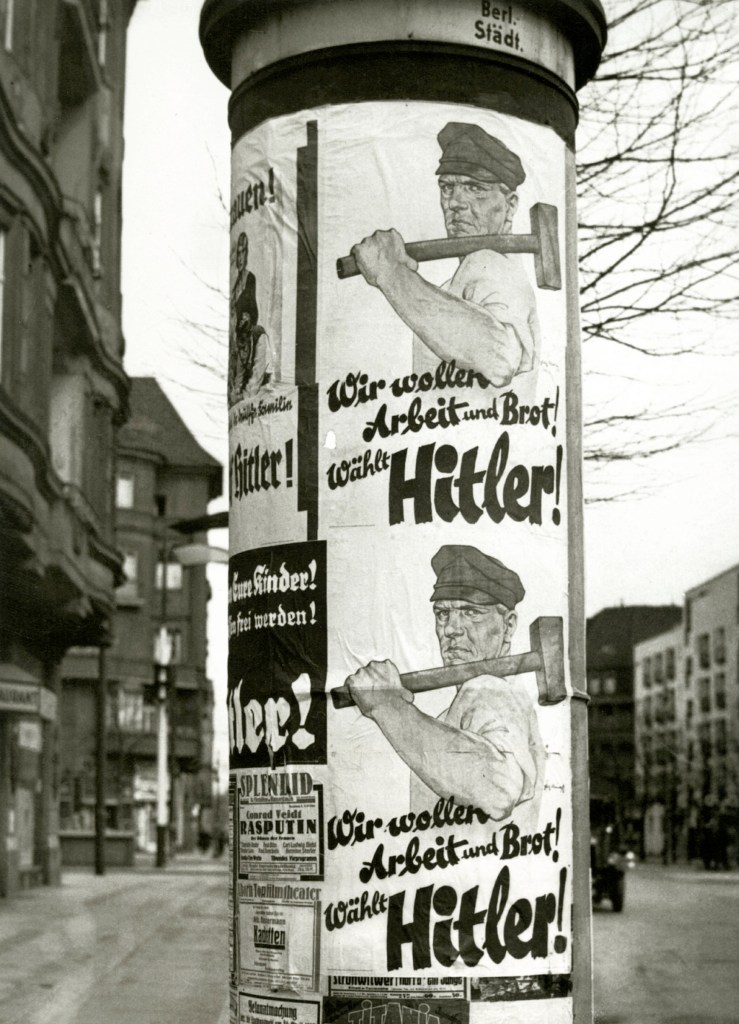
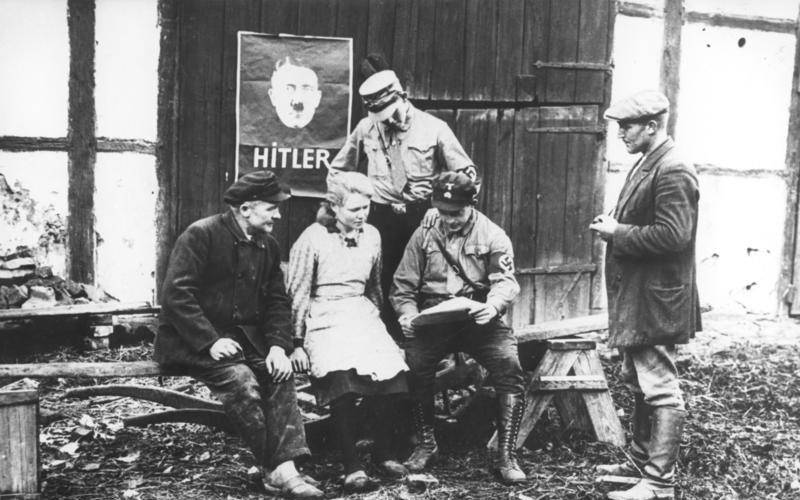
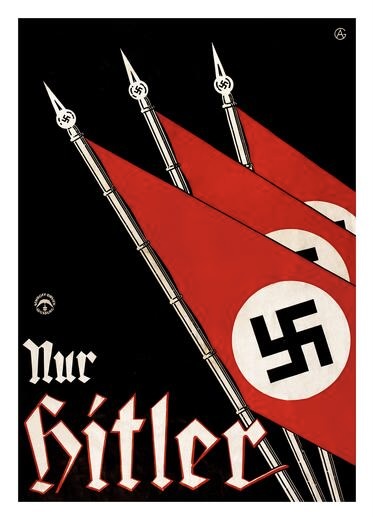
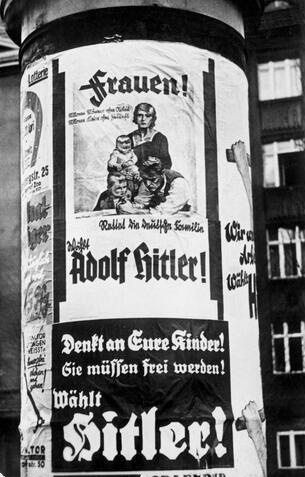
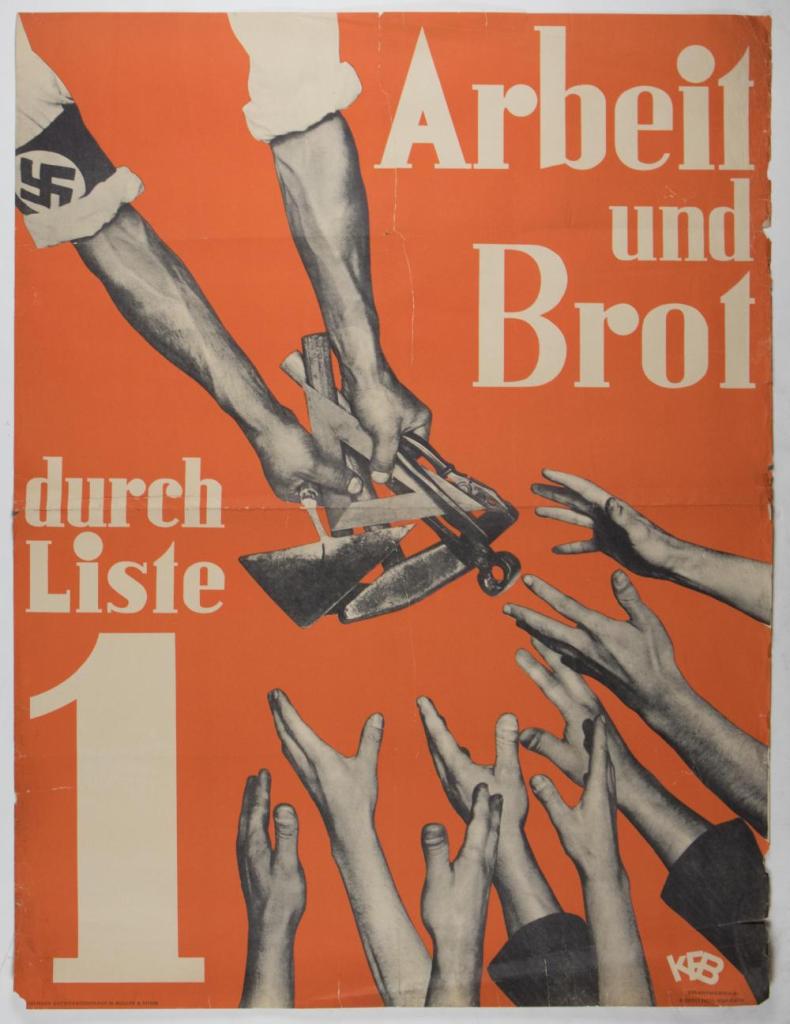
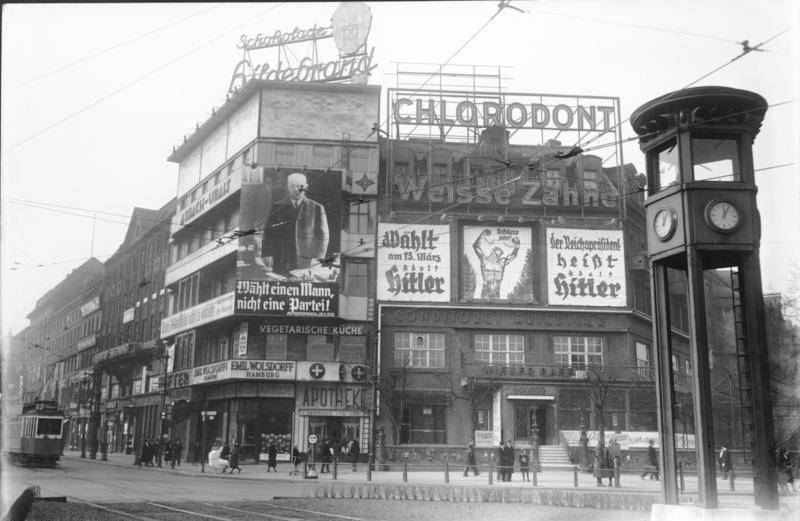
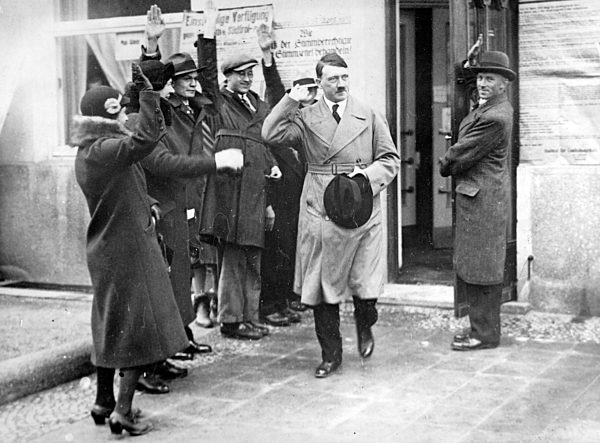
On the dark, rainy Sunday of 10 April 1932, the German people voted. They gave Hitler 13,418,547 or 36%, an increase of two million, and Hindenburg 19,359,983 or 53%, an increase of under a million. The elderly president, now 85, was re-elected by an absolute majority needed to secure another seven-year term. But this was not to be the end of the story, as Hitler had shown a massive surge in popularity. By the end of 1932 with six million unemployed, chaos in Berlin, starvation, ruin, and the growing threat of Marxism, millions more would turn to Hitler and the Nazi party…
BONUS PHOTOS
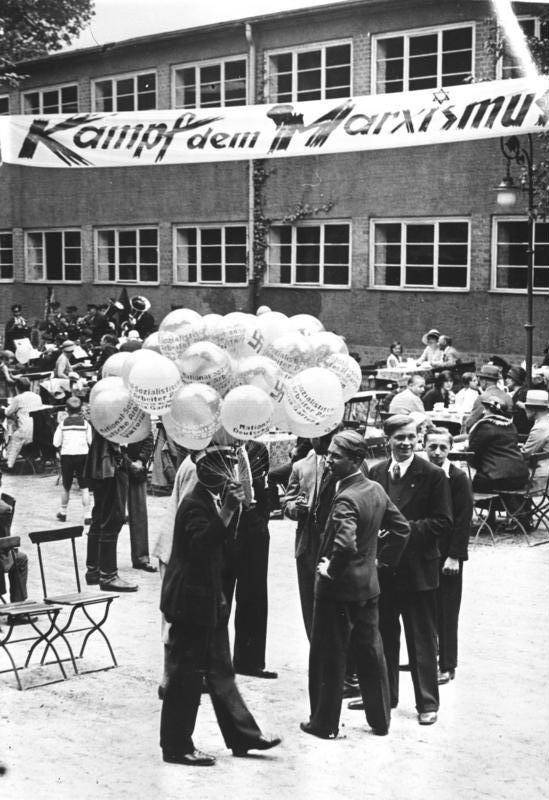
Below are several other photographs related to Hitler’s campaign efforts of 1932, including the first presidential election and several succeeding elections to obtain seats for the NSDAP in the Reichstag.