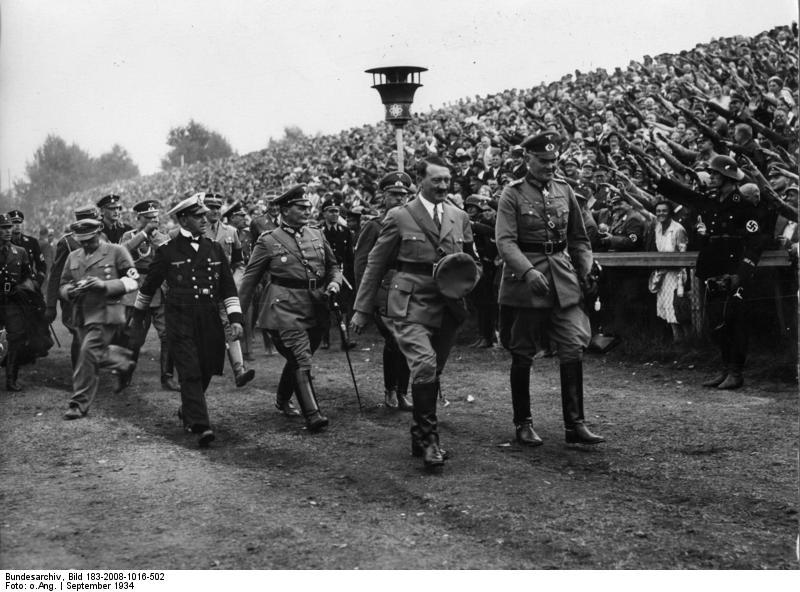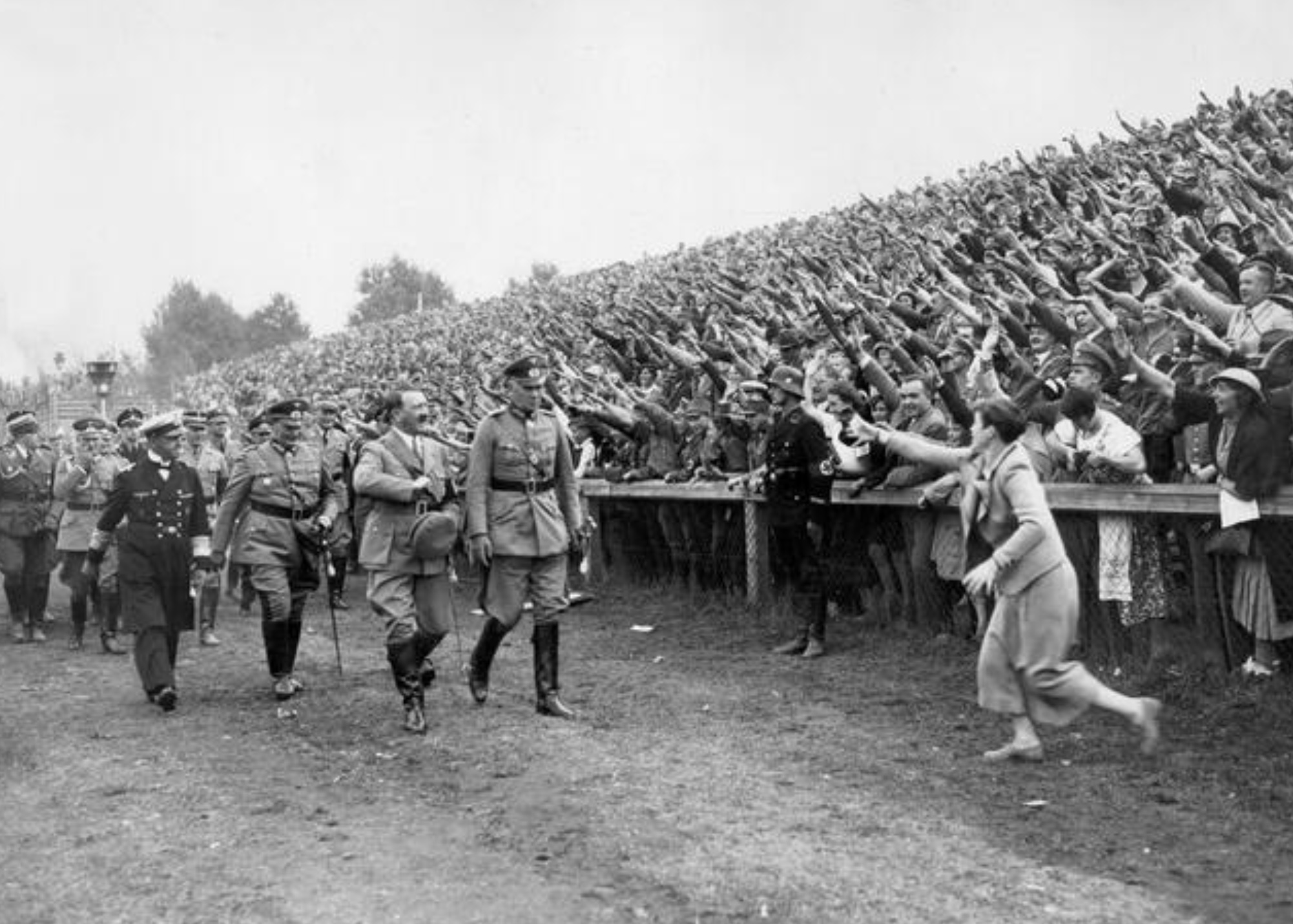
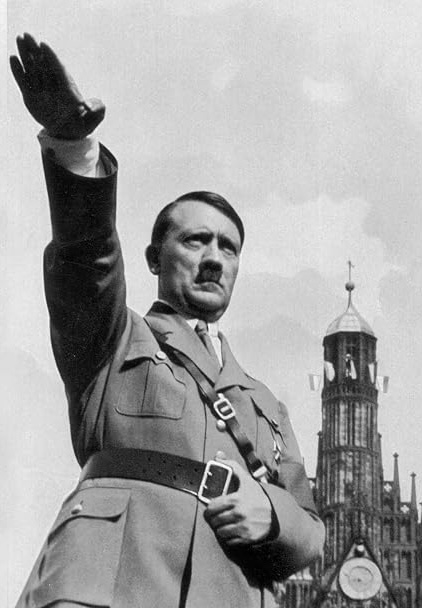
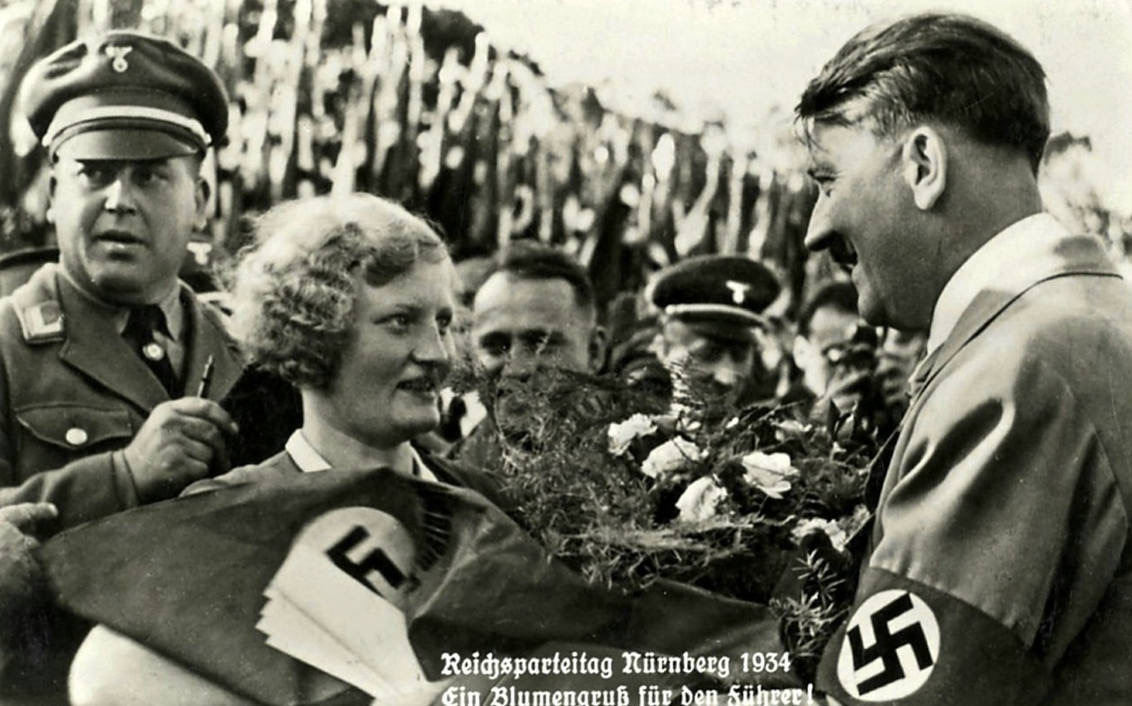
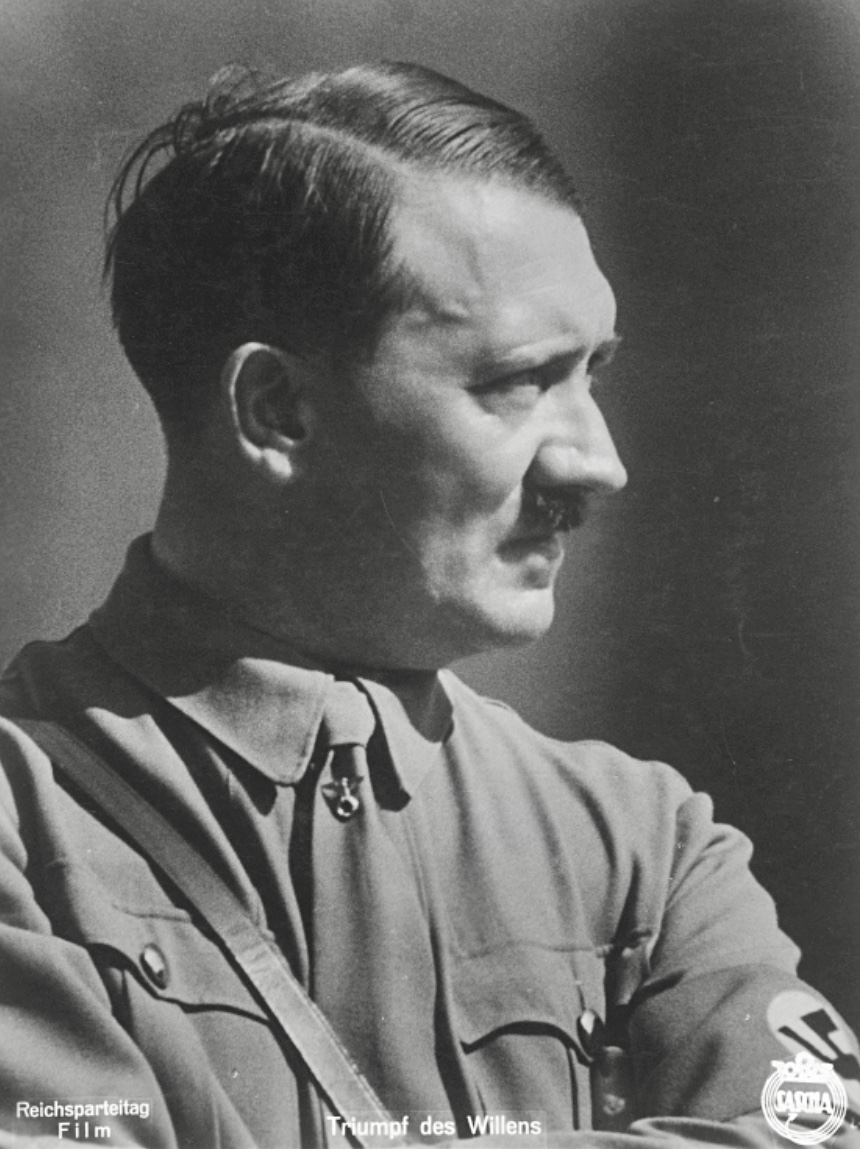
The 6th NSDAP Party Congress kicked off in Nuremberg on 5 September 1934. Initially it did not have a theme, but later it was labeled as the “Rally of Unity and Strength” (Reichsparteitag der Einheit und Stärke), “Rally of Power” (Reichsparteitag der Macht), or “Rally of Will” (Reichsparteitag des Willens). The Leni Riefenstahl film Triumph des Willens was made at this rally, which took place over the course of six days.
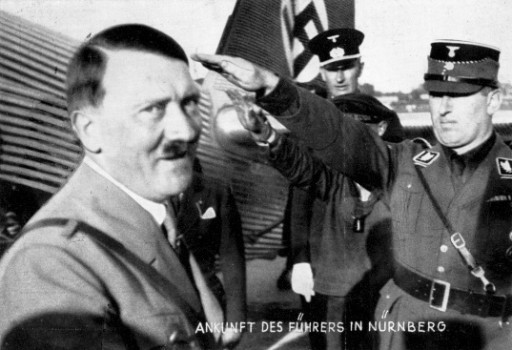
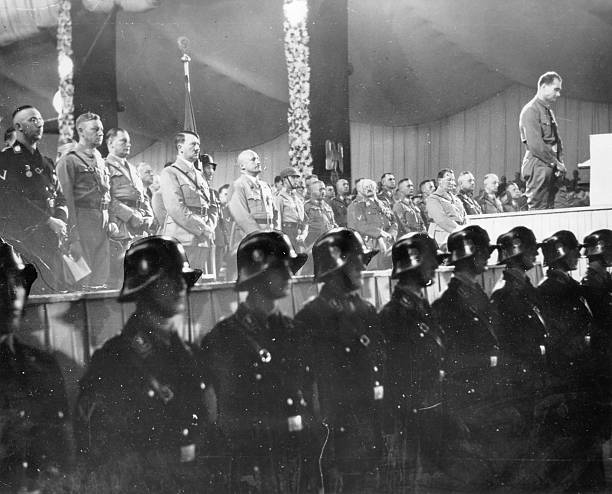
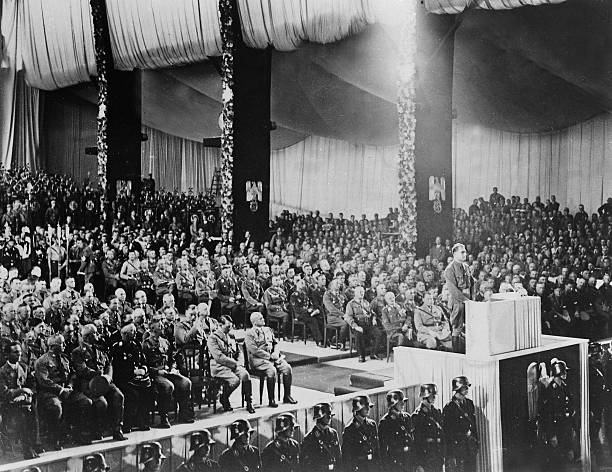
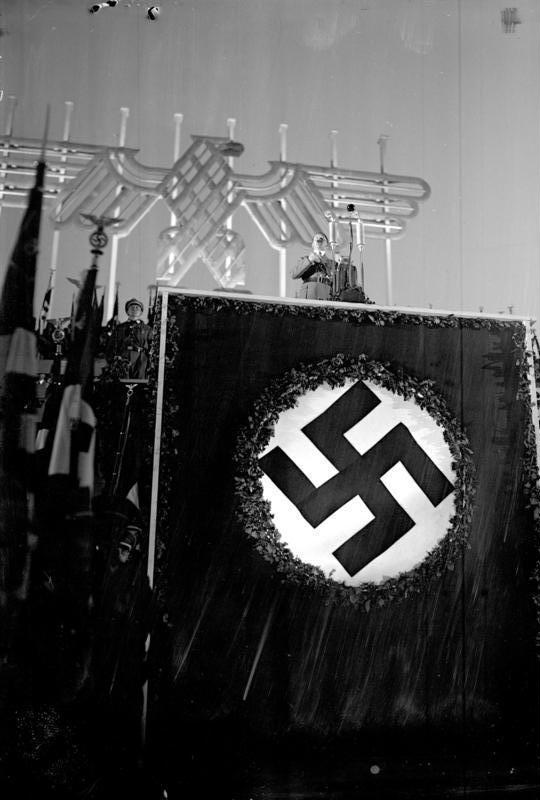
Hitler made a dramatic arrival into Nuremberg by airplane, the evening before on 4 September, famously captured at the beginning of the film “Triumph of the Will”. The official start of the sixth Reich Party Congress of the NSDAP began the next morning, with Gauleiter Adolf Wagner reading Hitler’s proclamation in the Luitpoldhalle. He stated that “In the next 1000 years there will be no more revolution in Germany!” Hitler gave a follow-up speech later that evening at the Kulturtagung in the Apollotheater in the Pfannenschmiedsgasse 22.
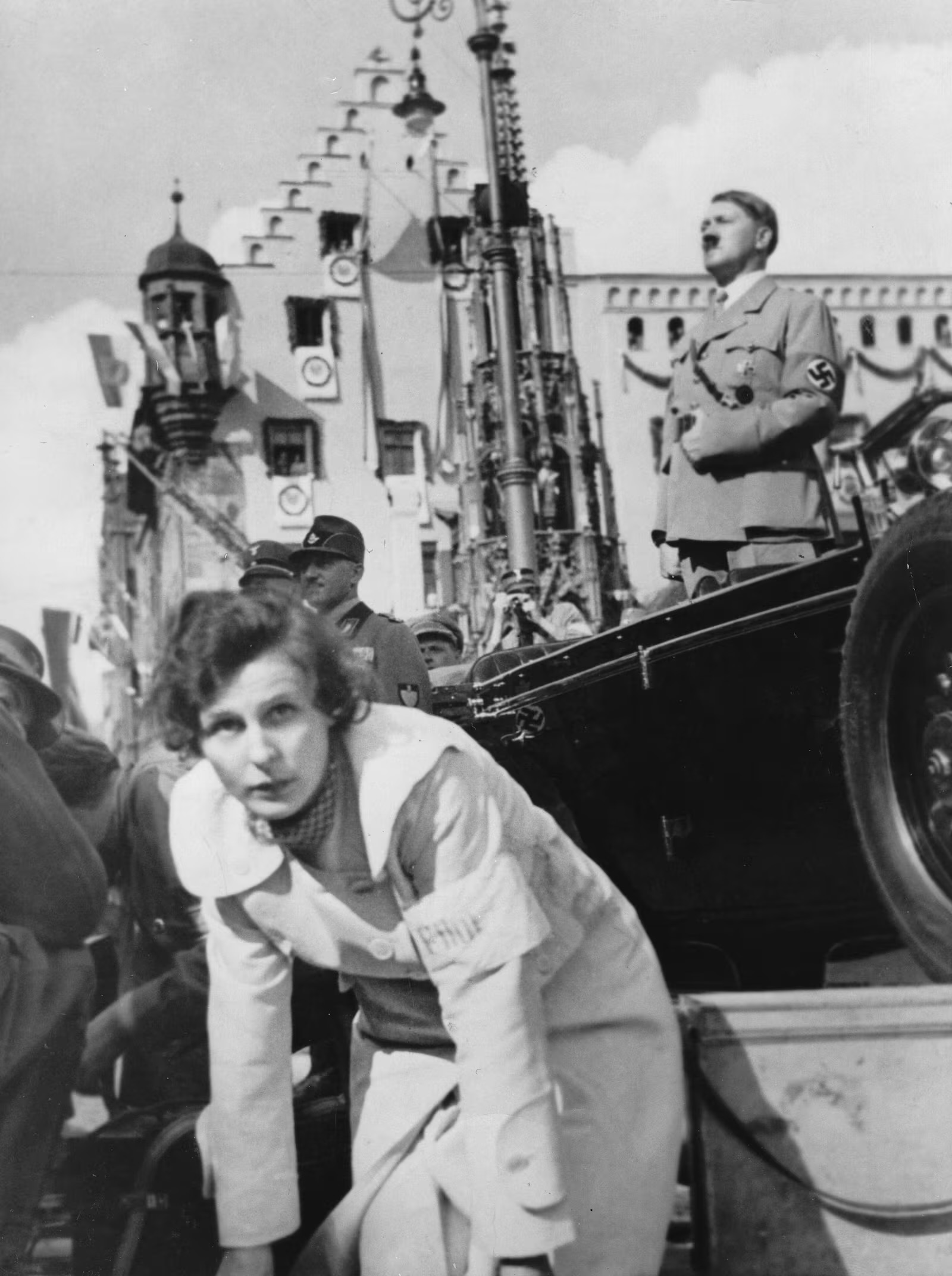
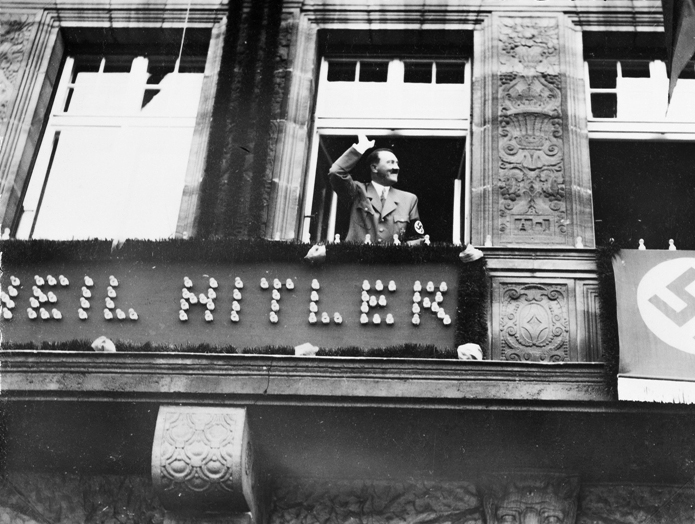
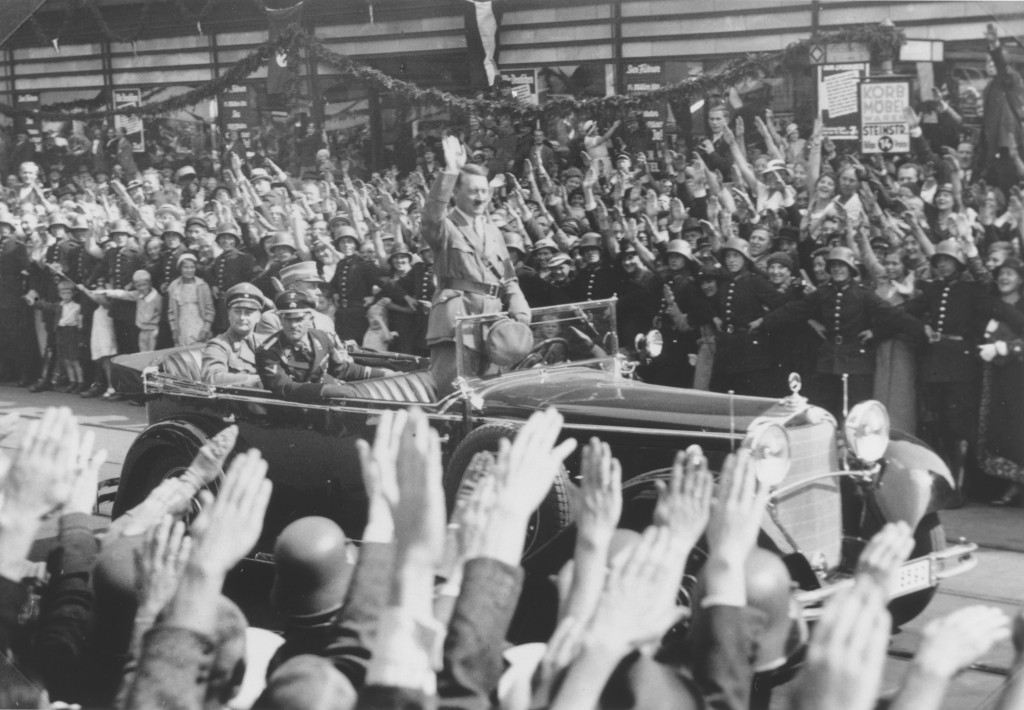
American journalist William L. Shirer thought it would be a good idea to attend the 1934 Nuremberg Rally to better understand the Nazi phenomenon. On his very first evening in the old city, he found himself accidentally stuck among a throng of ten thousand people in front of Hitler’s hotel, shouting: “We want our Führer!” “I was a little shocked at the faces,” Shirer wrote in his diary, “when Hitler finally appeared on the balcony for a moment. They reminded me of the crazed expressions I once saw in the back country of Louisiana on the faces of some Holy Rollers… they looked up at him as if he were a Messiah, their faces transformed into something positively inhuman.” The next morning, Shirer was among the attendees at the Rally’s opening ceremony, held inside a large hall known as the Luitpoldhalle on the southern outskirts of Nuremberg. It was Shirer’s first experience with Nazi pomp and pageantry.
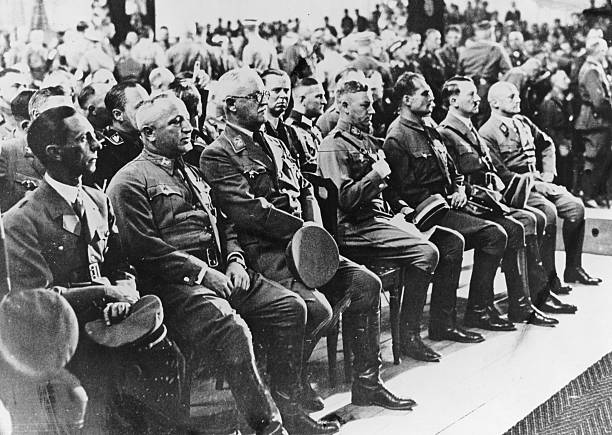
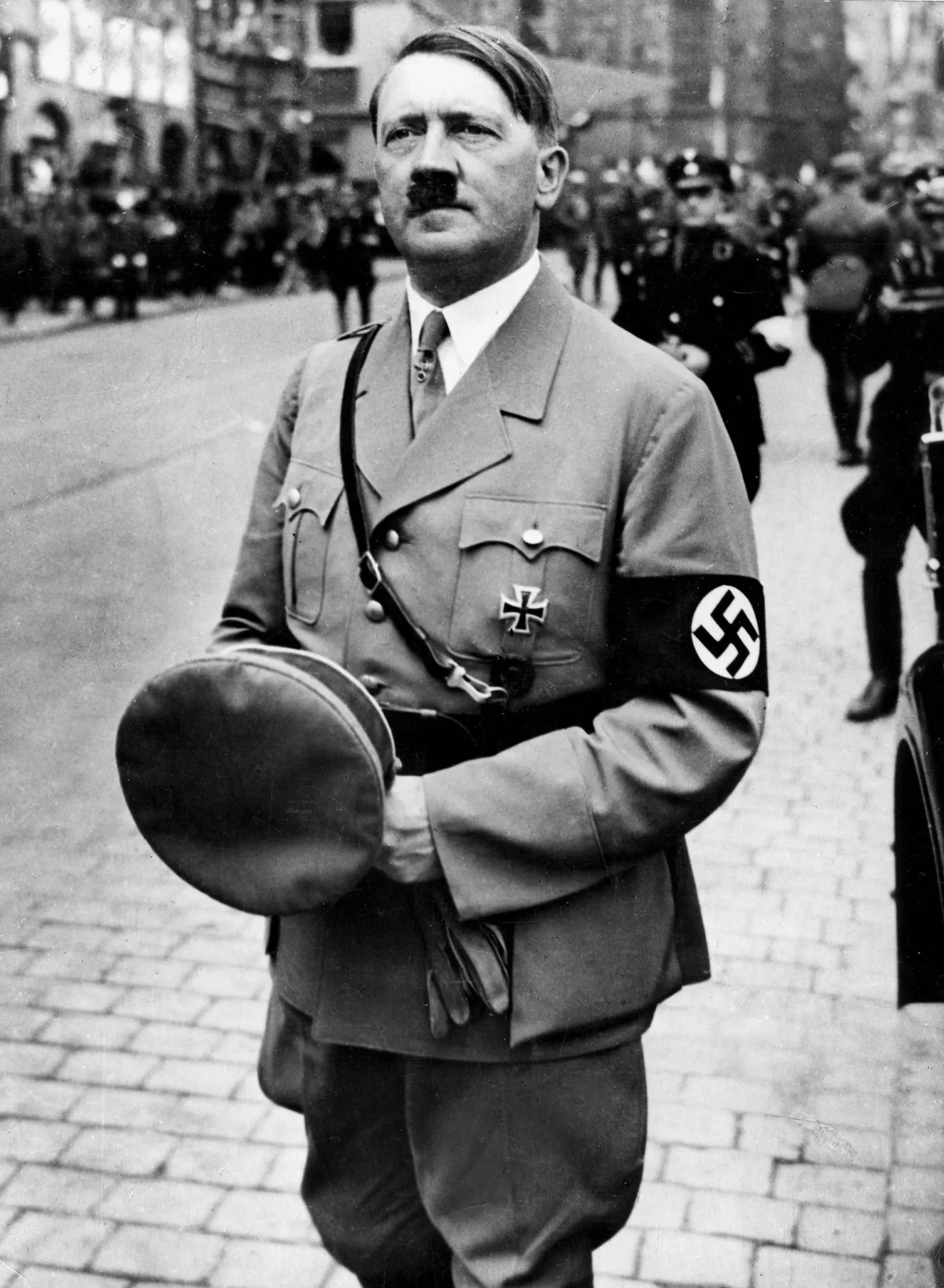
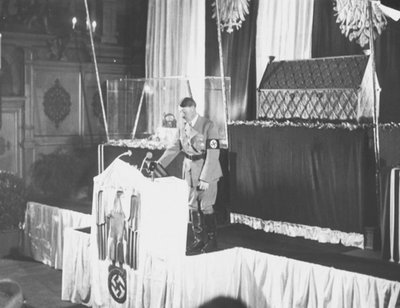
On the second day of the rally, Hitler held a speech on the Zeppelinfeld for the Reichsarbeitsdienst in front of 52,000 listeners, on 6 September 1934. Two months prior, on 11 July 1934, the Nationalsozialistischer Arbeitsdienst (NSAD) had been renamed Reichsarbeitsdienst or RAD with Konstantin Hierl as its director. The following year, a law was issued on 26 June 1935, when the RAD was re-established as an amalgamation of the many prior labour organisations formed in Germany during the Weimar Republic, with Hierl appointed as Reich Labour Leader (Reichsarbeitsführer) according to the Führerprinzip.
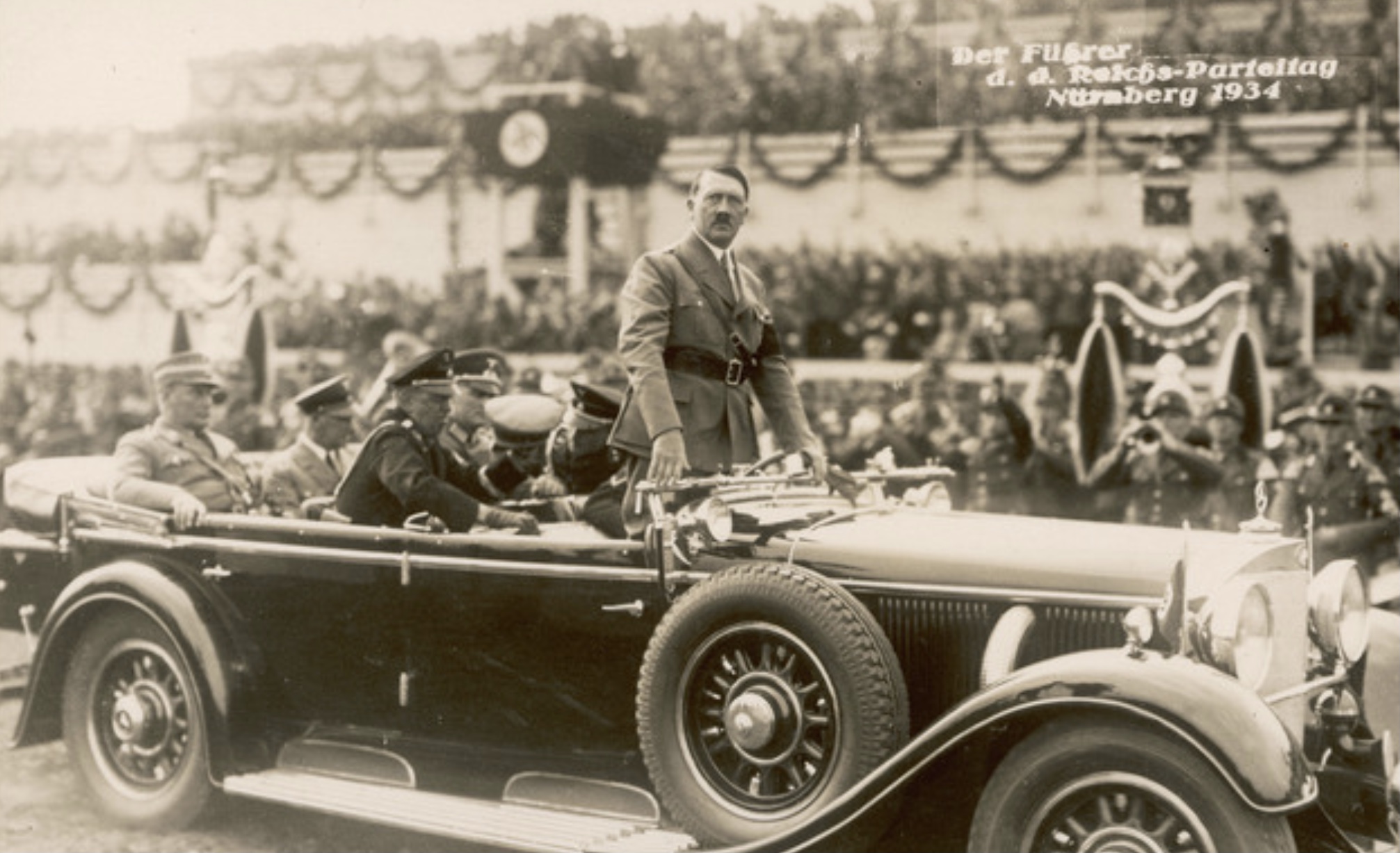
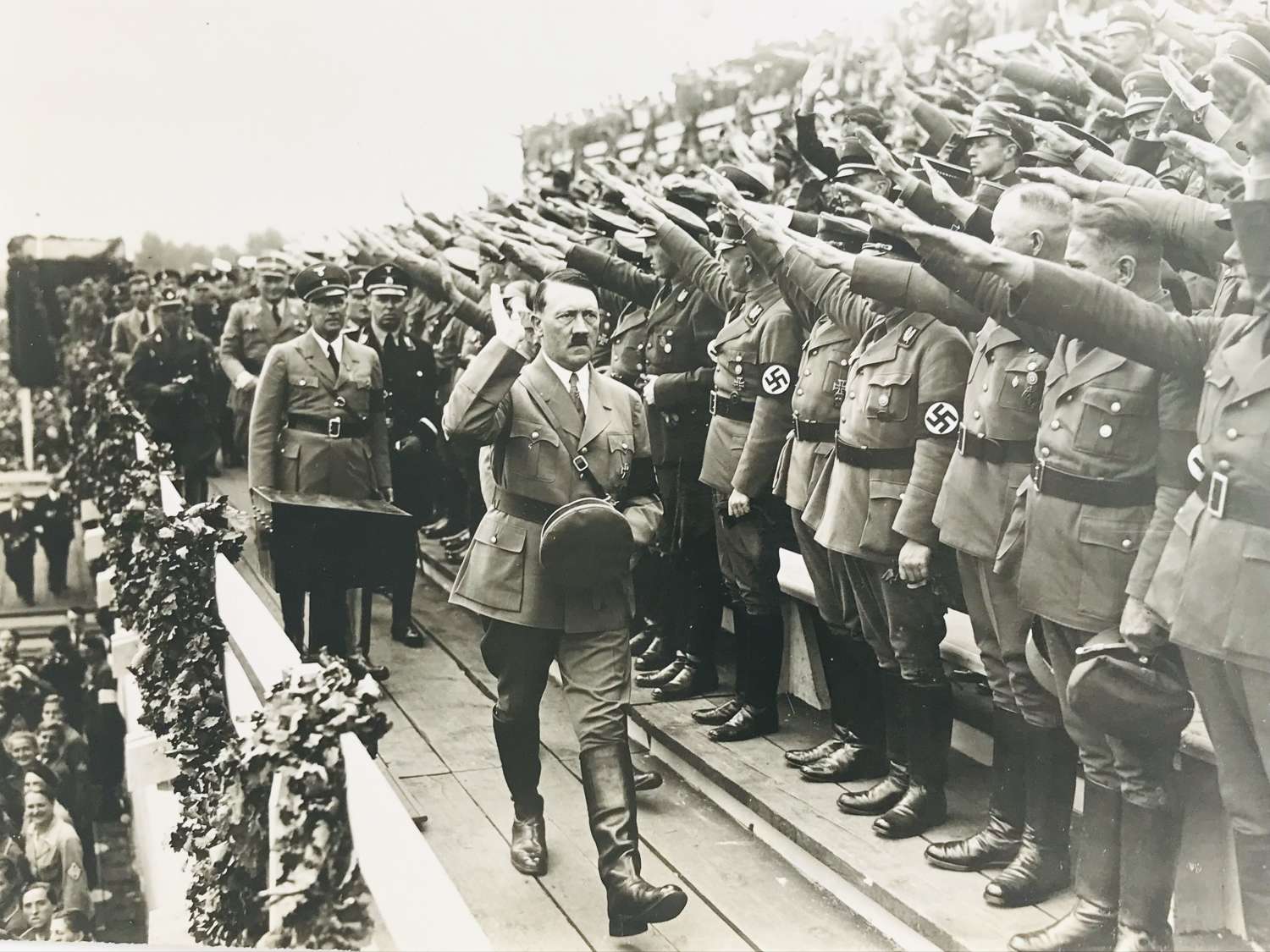
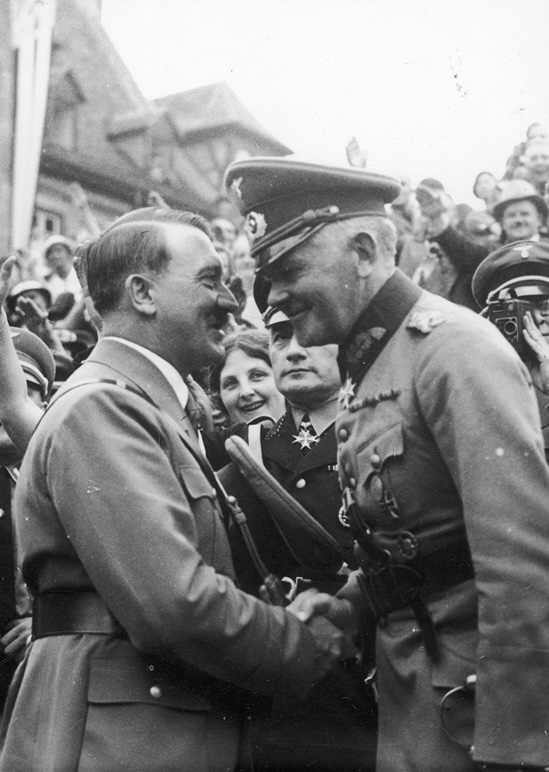
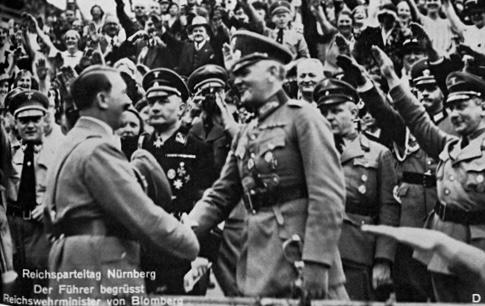
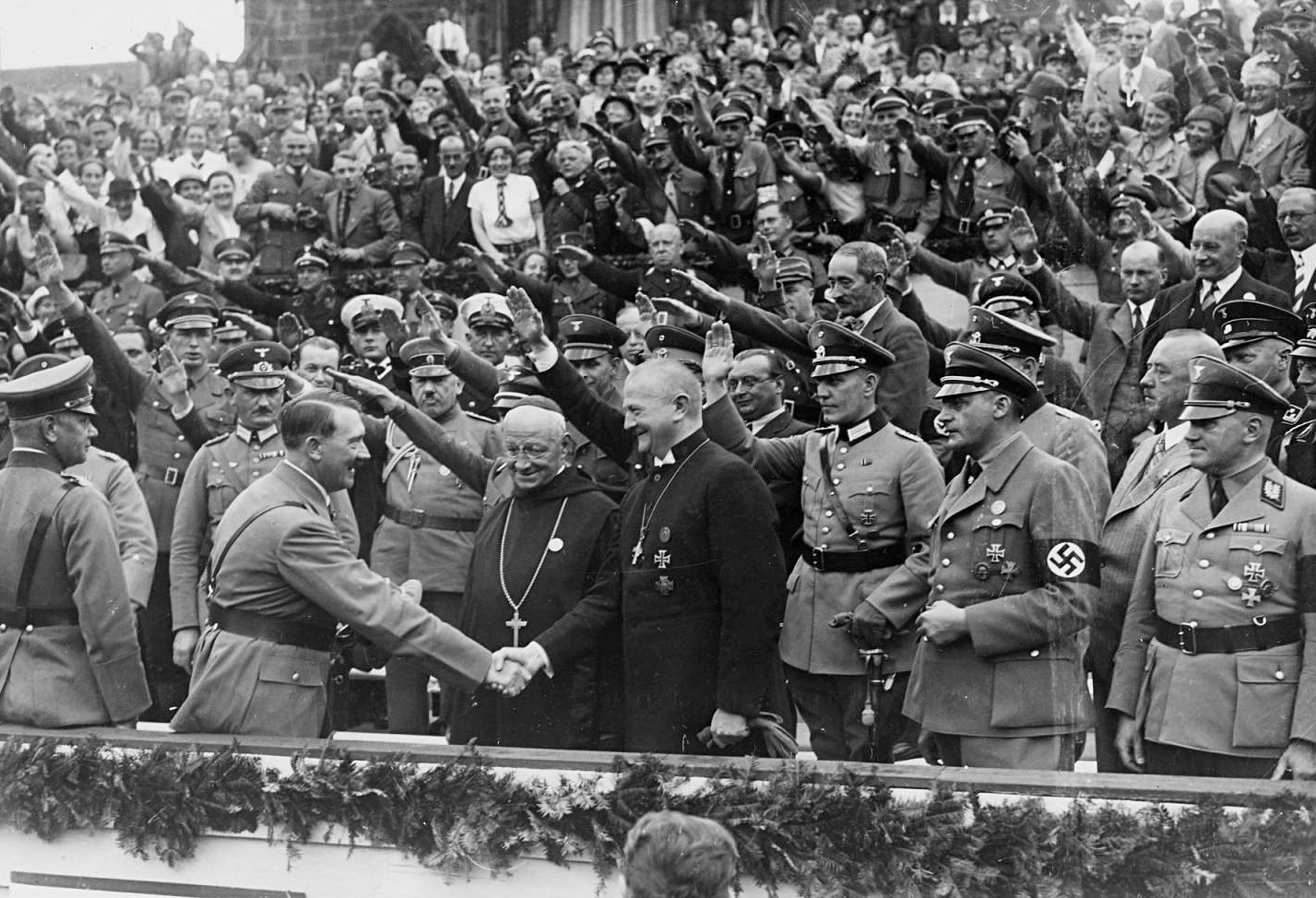
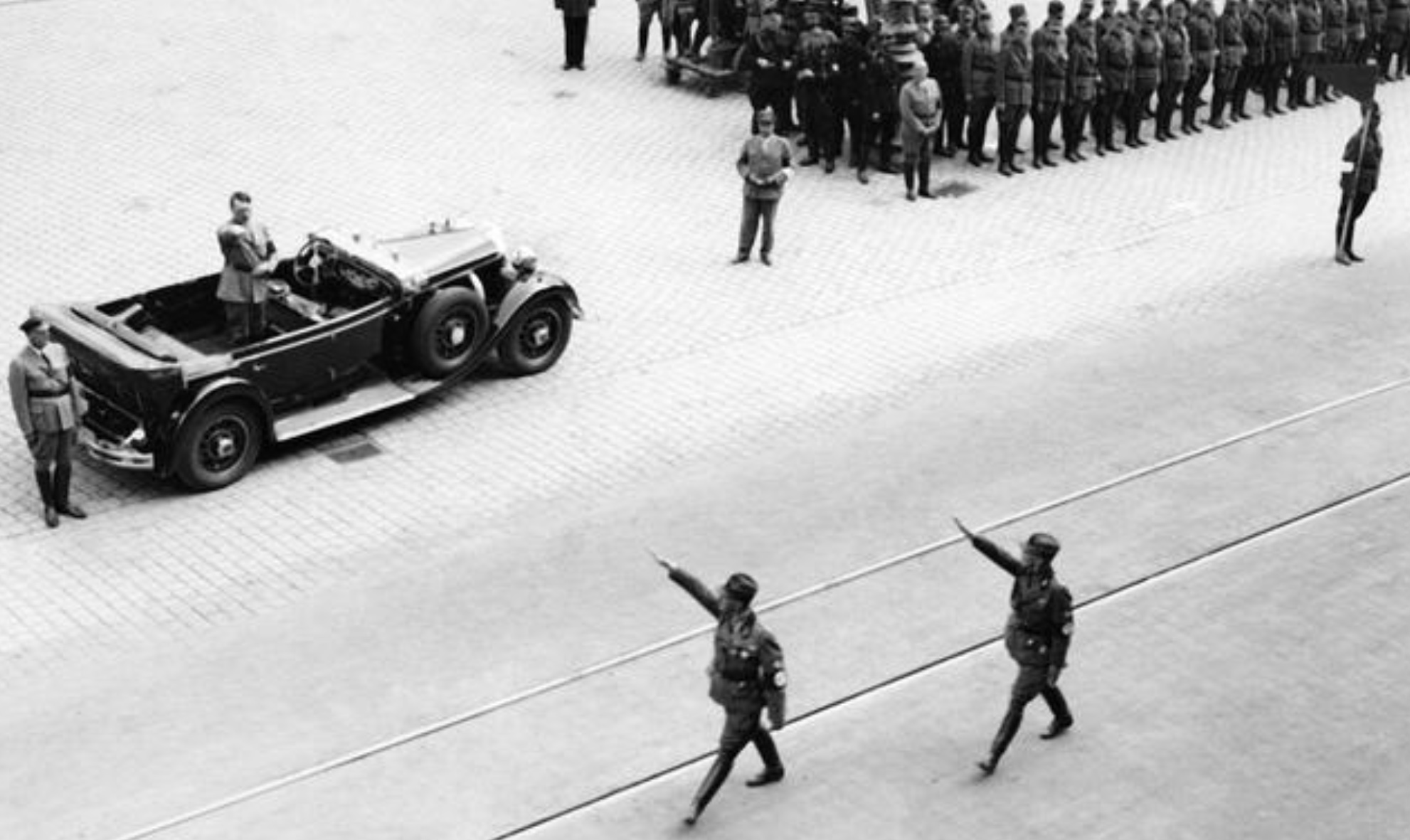
On the 7th of September Hitler delivered a speech on the Zeppelinfeld to the political leaders in front of 181,000 listeners. Also a speech to blinded World War participants at the war victims’ day. His speech stated that “Our language will be the European language in a hundred years”.
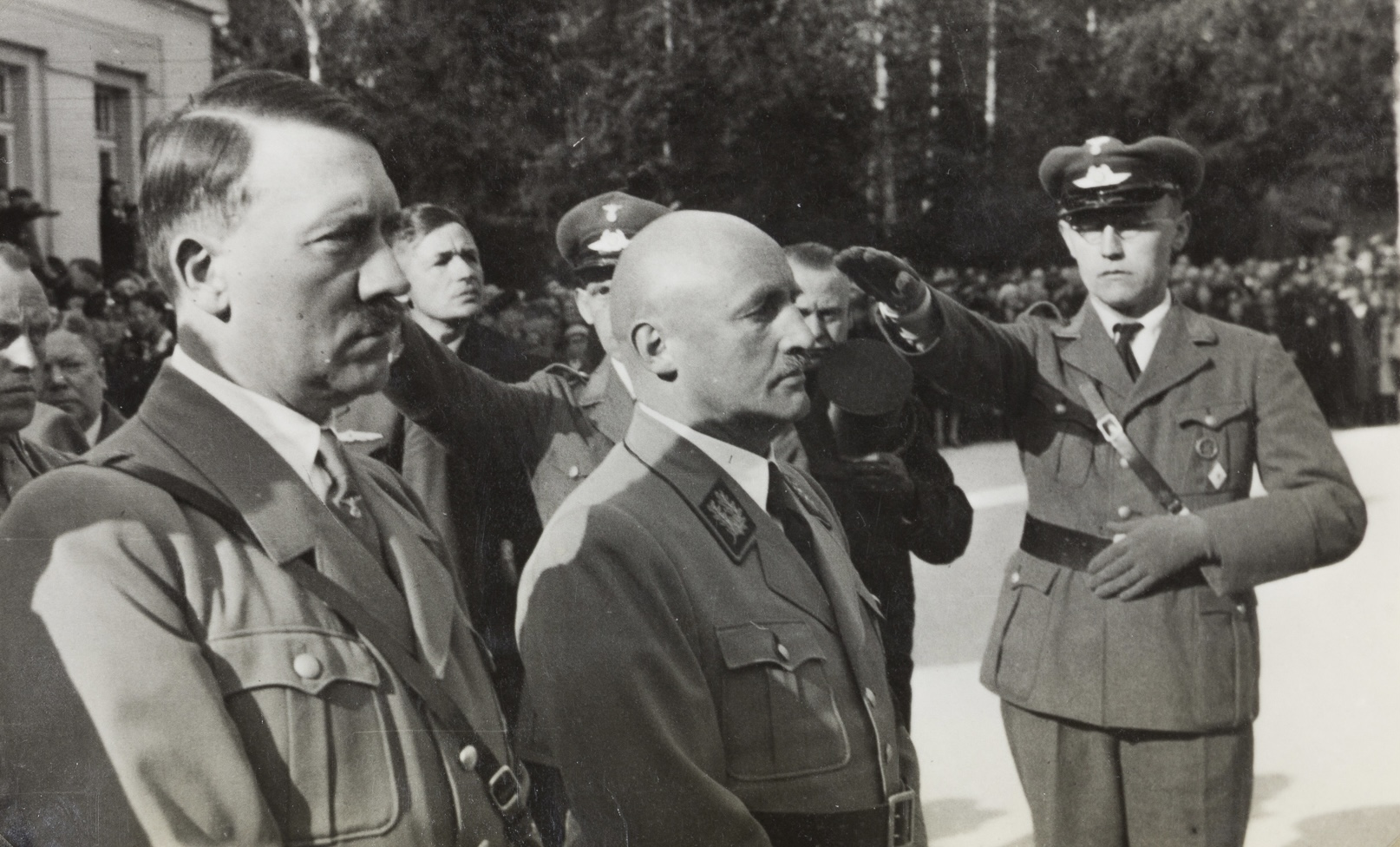
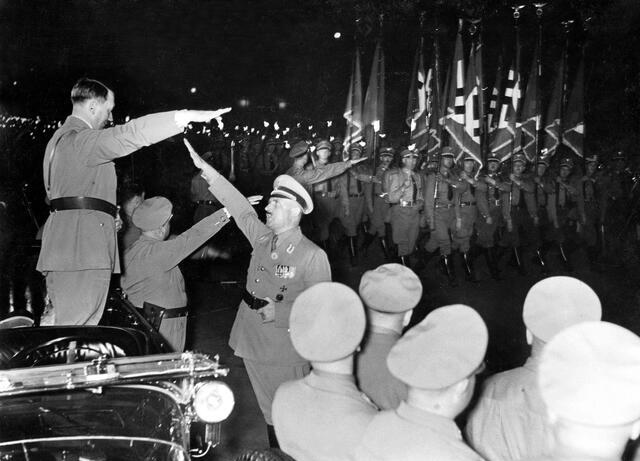
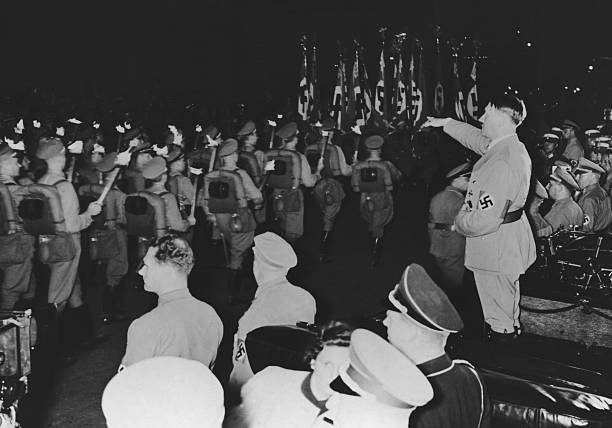
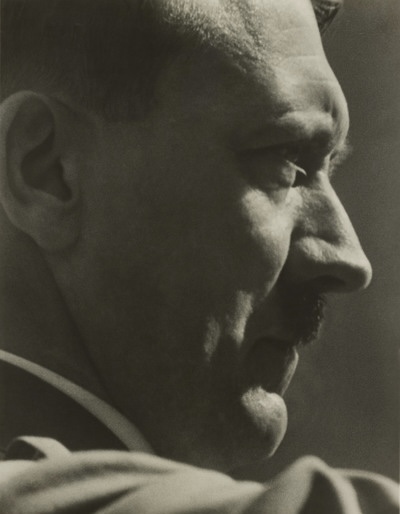
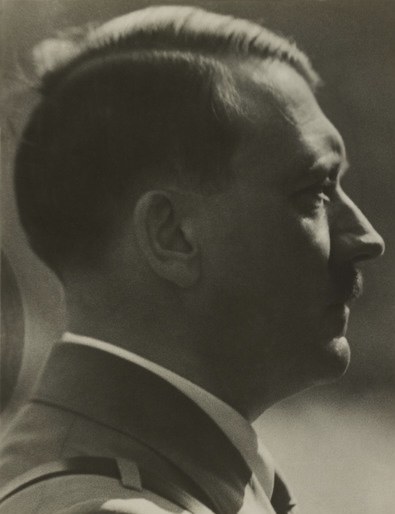
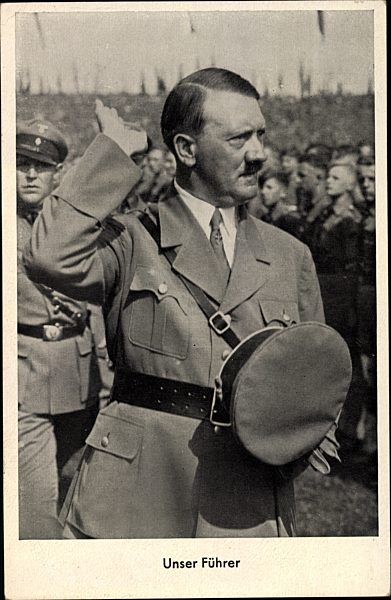
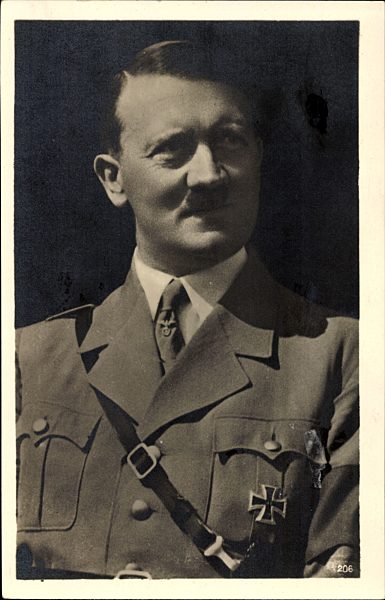
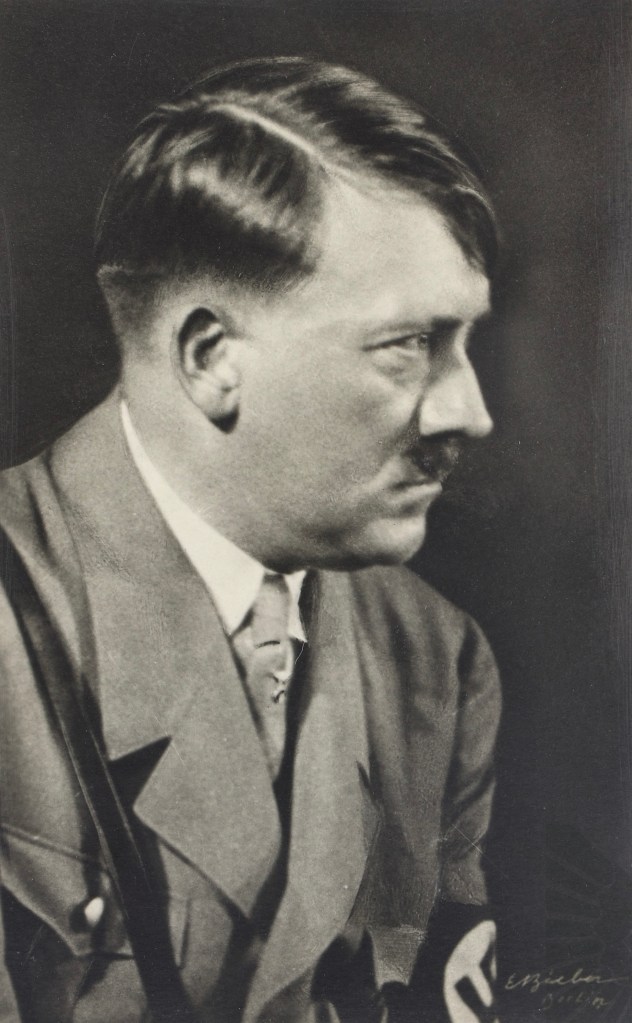
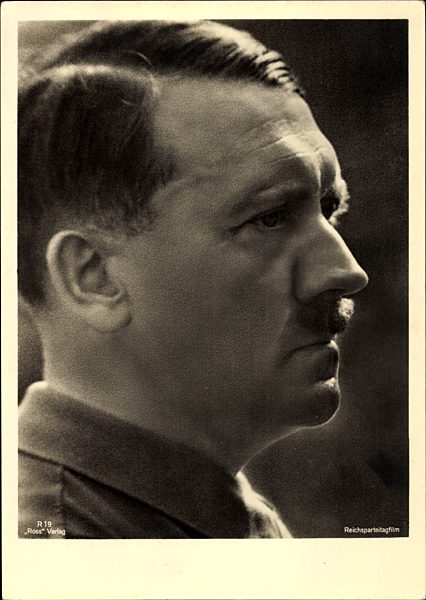
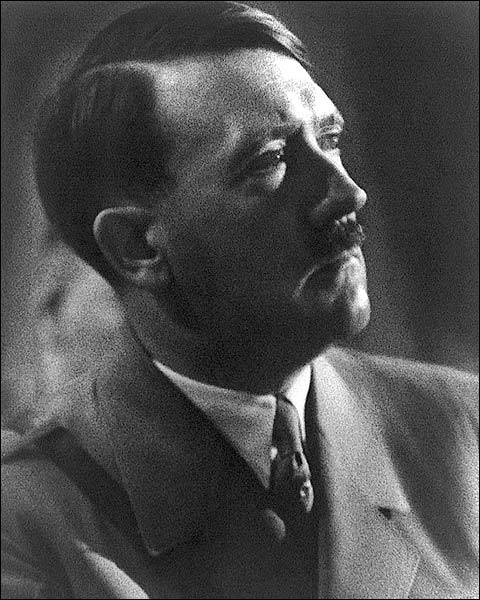
On 8 September 1934 Hitler delivered a speech in the stadium to the Hitler Youth in front of 60,000 listeners. The Youth Day at the rally featured drumming, music, and an address by Baldur von Schirach before Hitler took the podium to speak to the assembly of young boys. He stated that the younger generation had pledged themselves to the Nazi cause “body and soul”. This was the first rally where the Hitler Youth featured prominently on a national stage alongside the SA and Labor Corps. Baldur von Schirach and Hitler himself laid the groundwork for total indoctrination, telling the assembled youth that they were the future survival of the Reich. Hitler also delivered a speech this day at the National Socialist Women’s Conference.
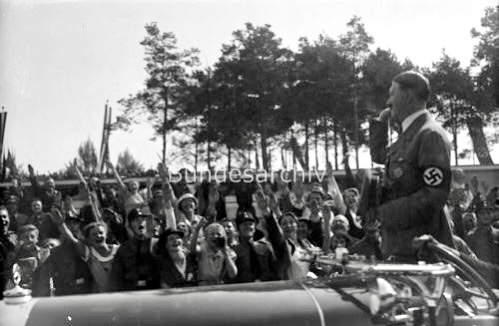
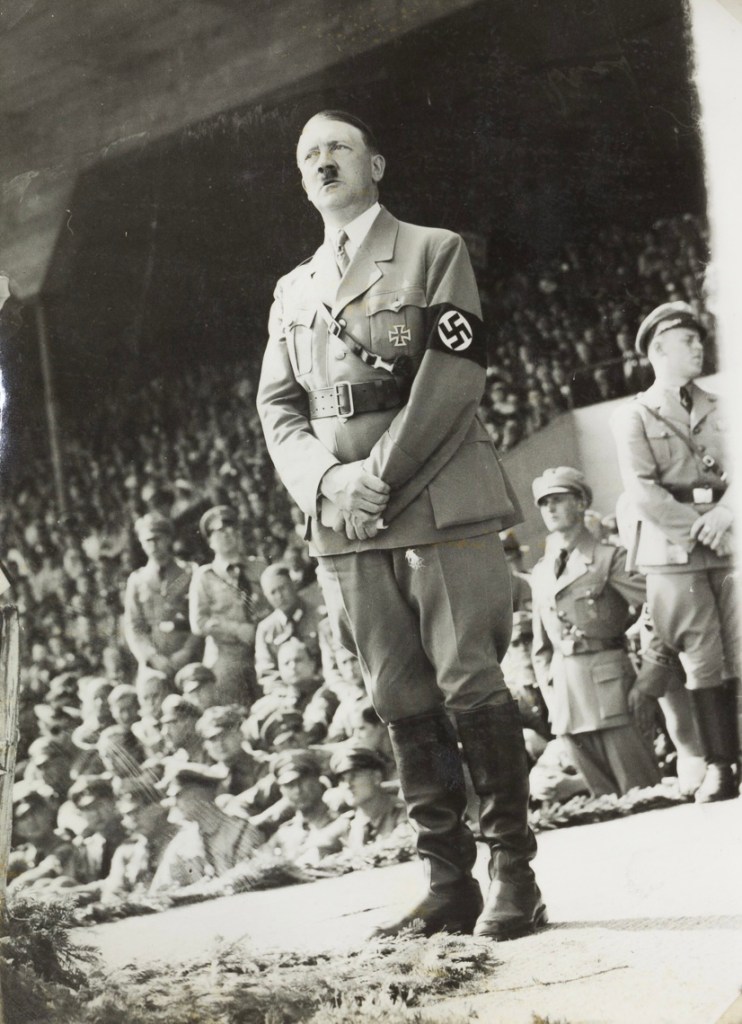
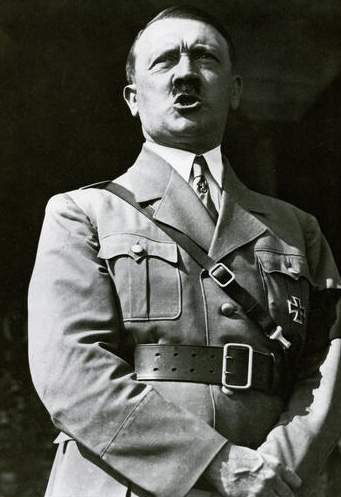
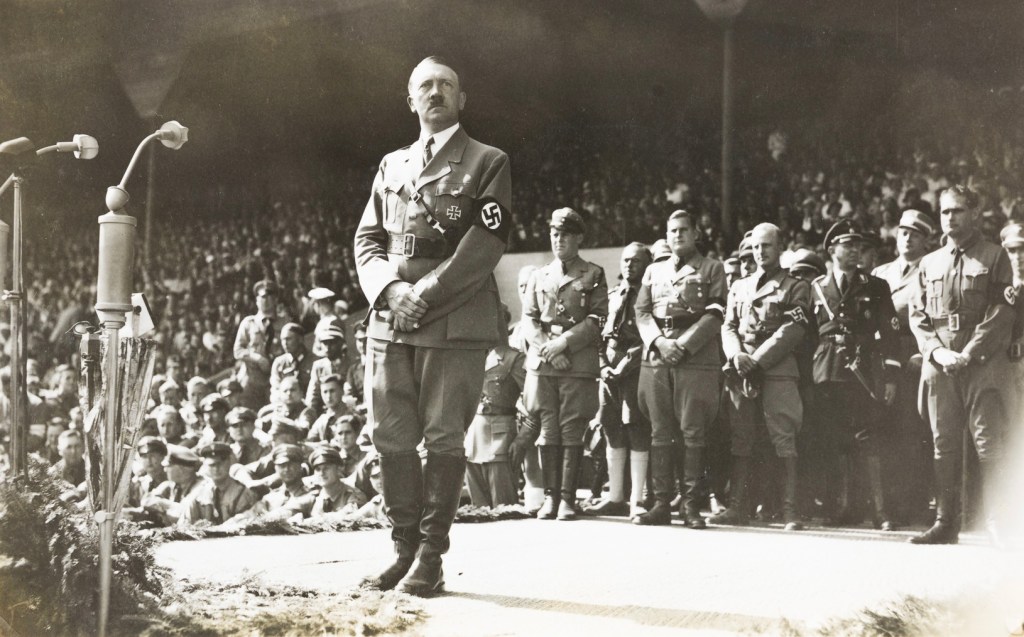
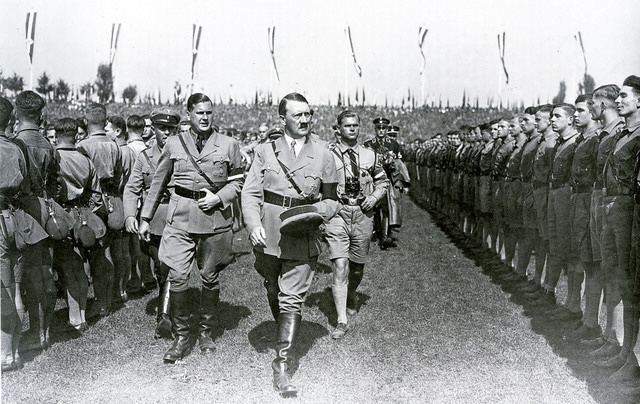
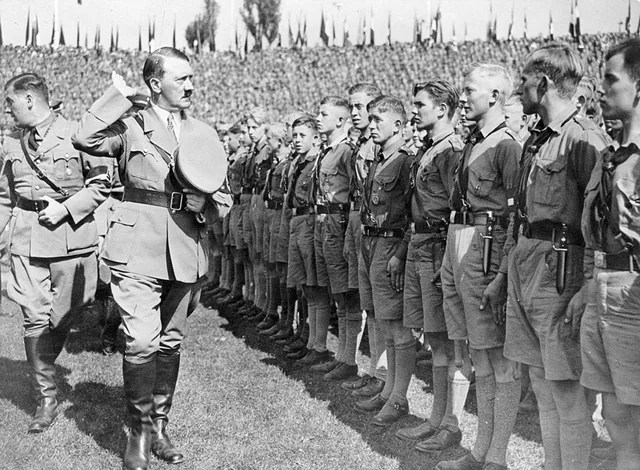
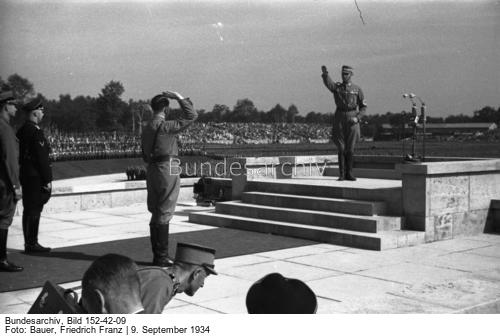
Sunday the 9th of September featured a massive assembly of SA on the Luitpoldhain. Hitler delivered a speech before about 1,000,000 members of the SA and the SS. Hitler faced a mass gathering of his SA Brownshirts for the first time since the Night of the Long Knives. In scenes well-documented by Riefenstahl’s cameras, about 50,000 Brownshirts stood in neat formations and listened to a slightly edgy Hitler attempt to patch things up. “Men of the SA and SS,” Hitler bellowed from the podium, “a few months ago a black shadow spread over the movement. Neither the SA, nor any other institution of the Party, has anything to do with this shadow. They are all deceived who believe that even one crack has occurred in the structure of our united movement…Only a lunatic or deliberate liar could think that I, or anybody, would ever intend to dissolve what we ourselves have built up over many long years…In the past you have proved your loyalty to me a thousandfold, and it cannot and will not be different in the future.” Thus Hitler absolved the SA membership from any complicity in the events precipitating the blood purge. Amid a hearty chorus of ‘Sieg Heils,’ the Brownshirts sounded their approval. A passing march on the market square also took place after the speech.
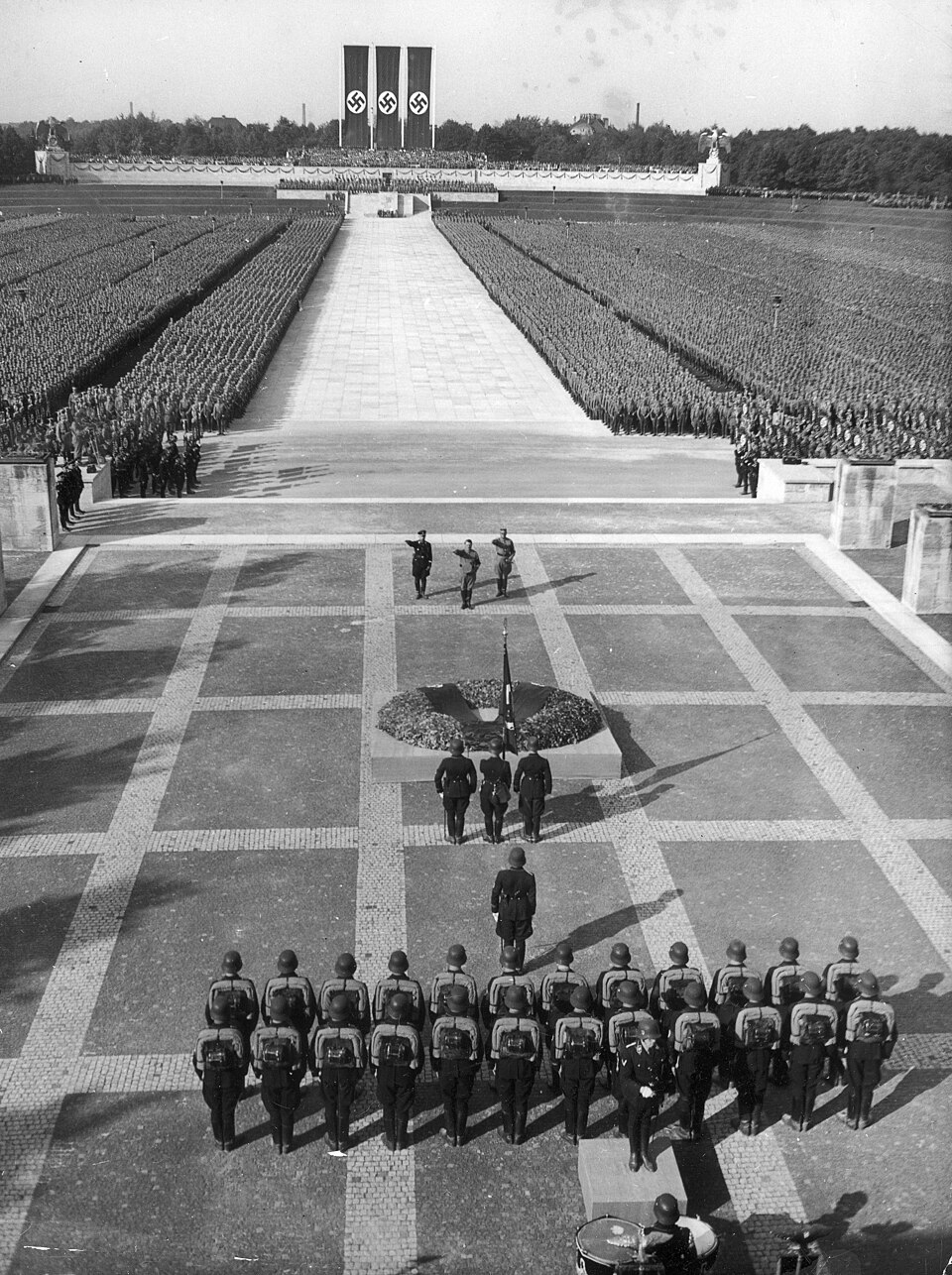
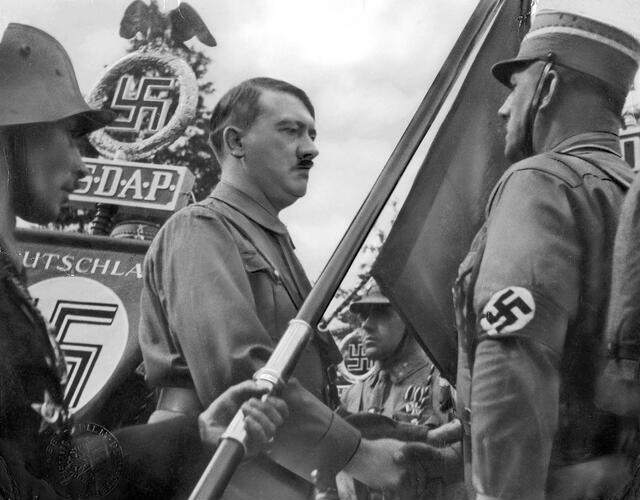
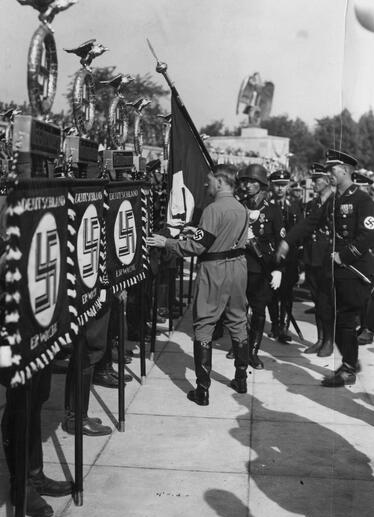
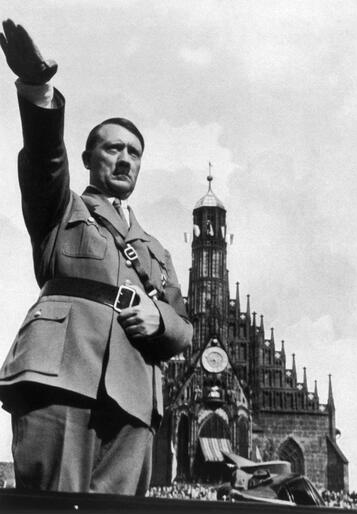
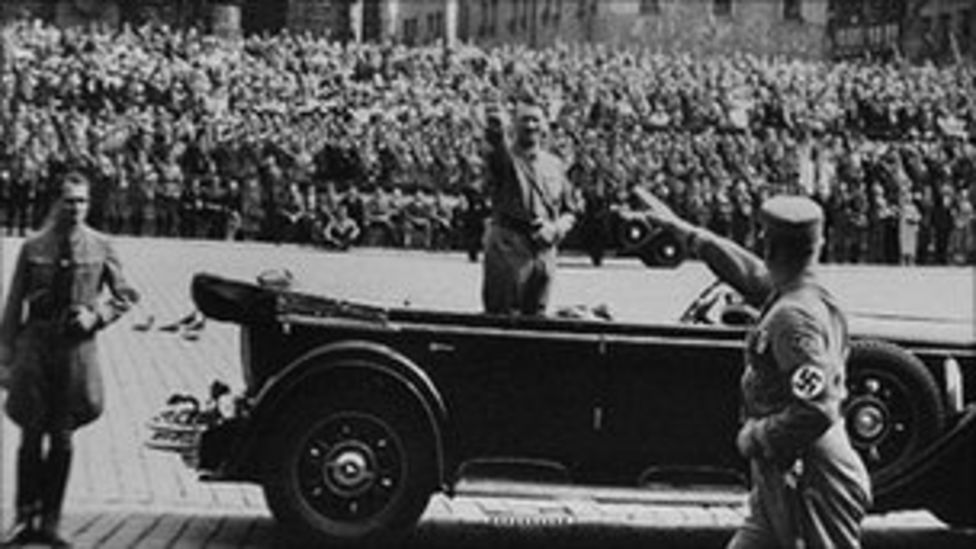
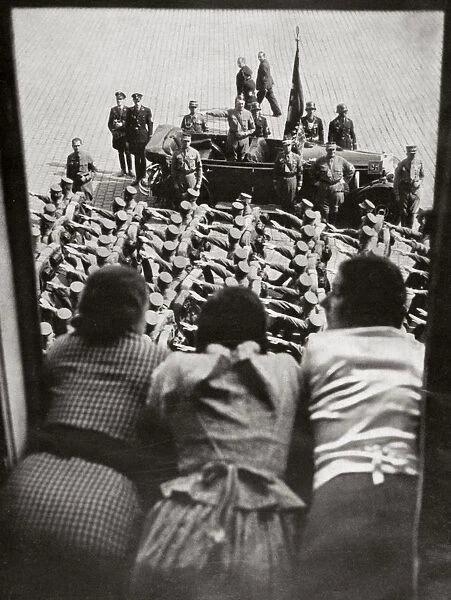
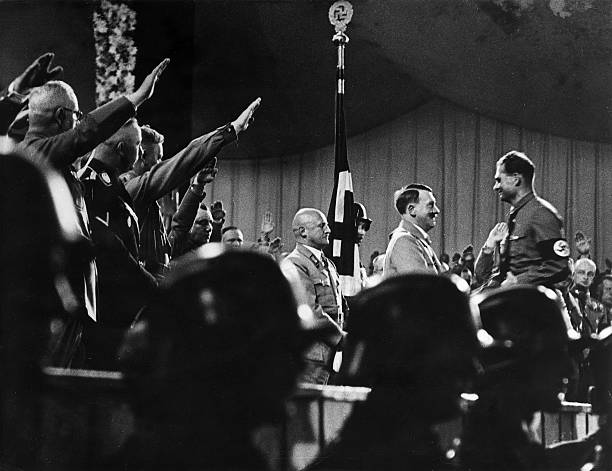
On the concluding day of the rally week on 10 September 1934, maneuver-like demonstrations on the Zeppelin field took place on the occasion of the “Day of the Wehrmacht”. For the very first time, regular military forces of the German armed forces formally participated alongside Nazi party organizations, signaling a growing alignment between Hitler and the traditional military leadership. A final speech for the Reichsparteitag of the NSDAP was held in the Luitpoldhalle. Rudolf Hess and other top officials delivered closing remarks, reinforcing the themes of national unity, total obedience, and the elevation of Hitler as the absolute embodiment of the German nation.