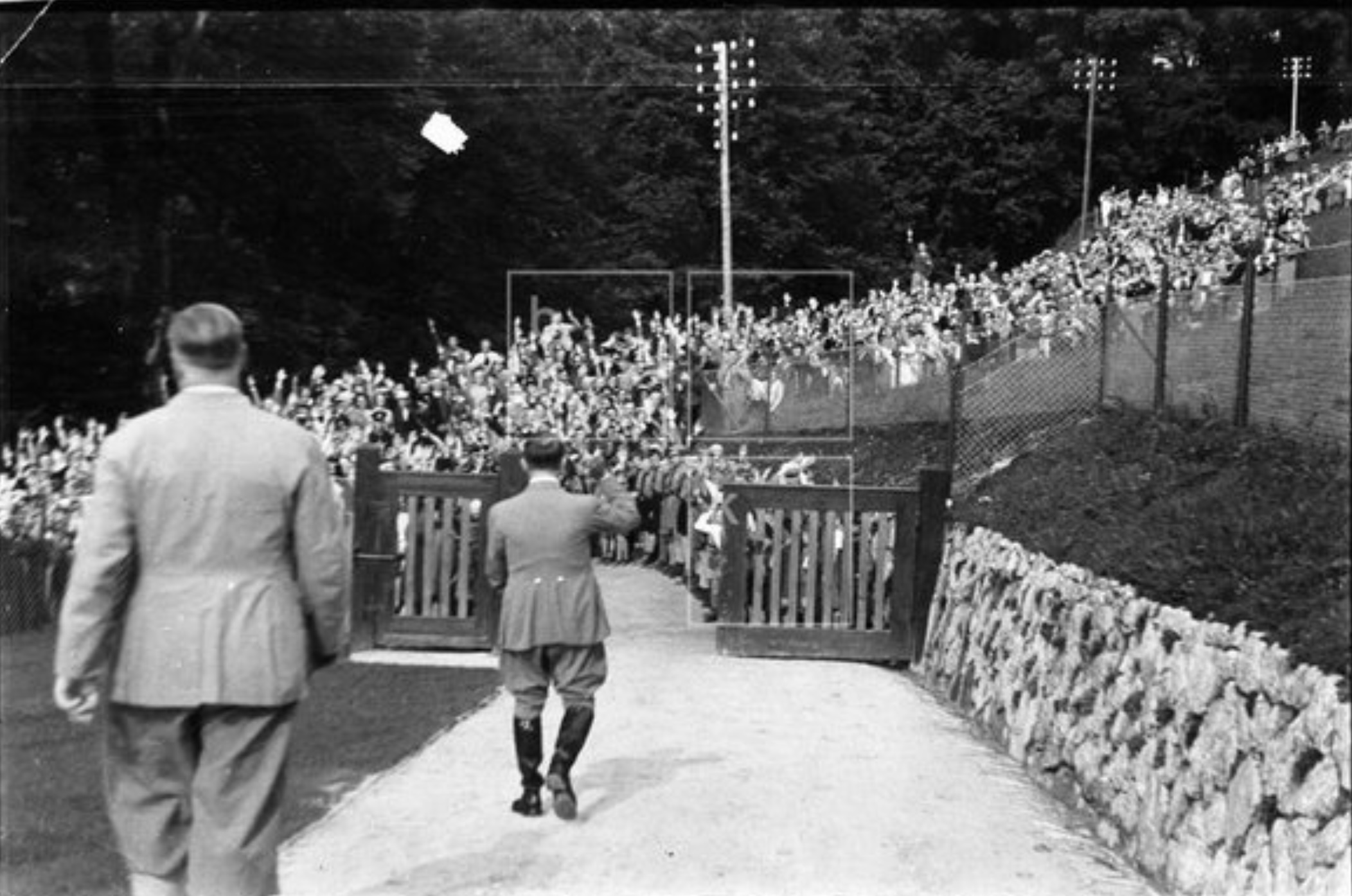
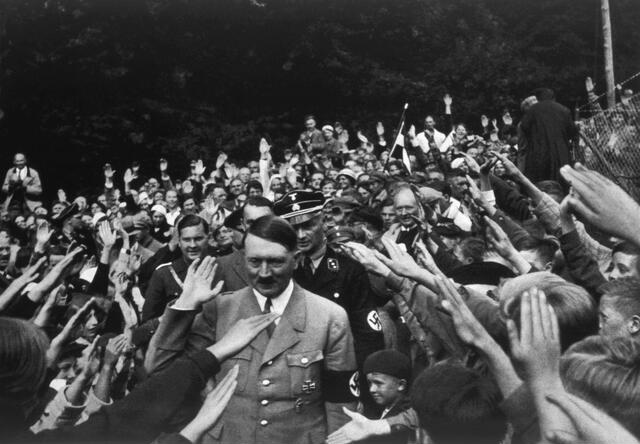
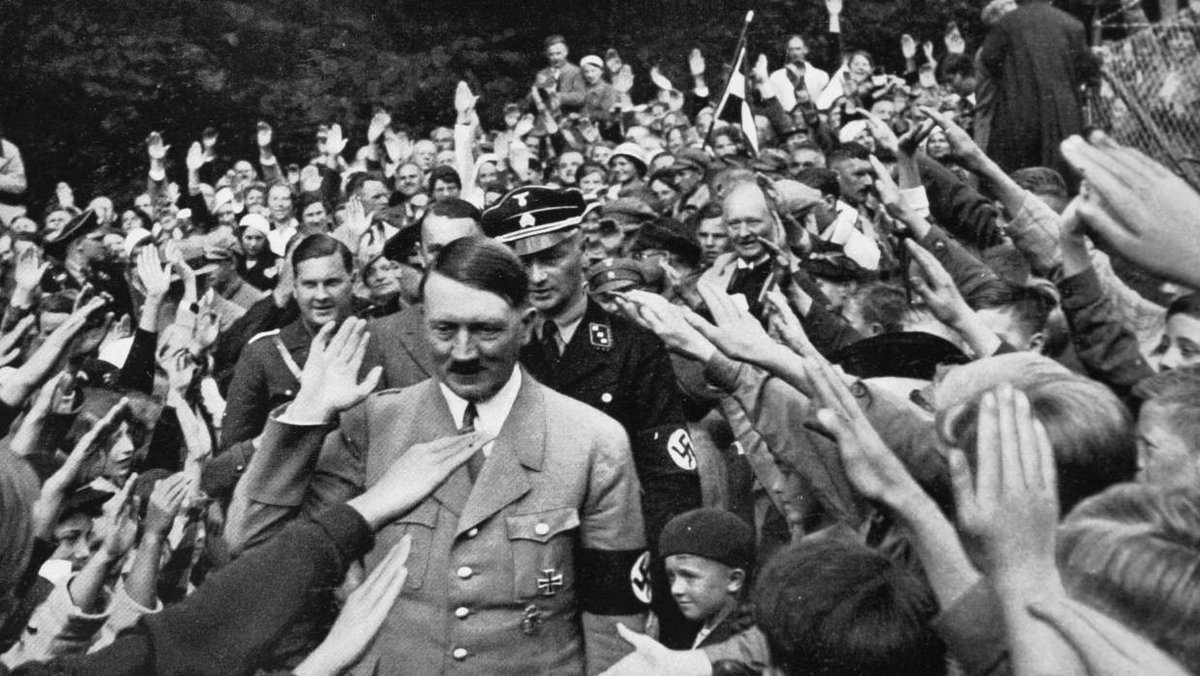
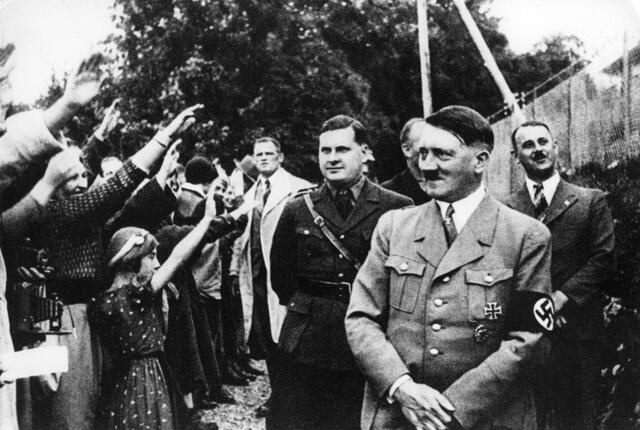
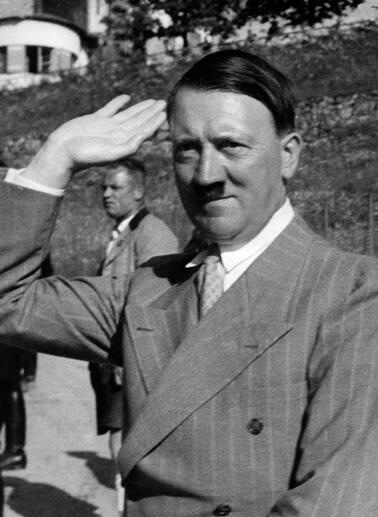
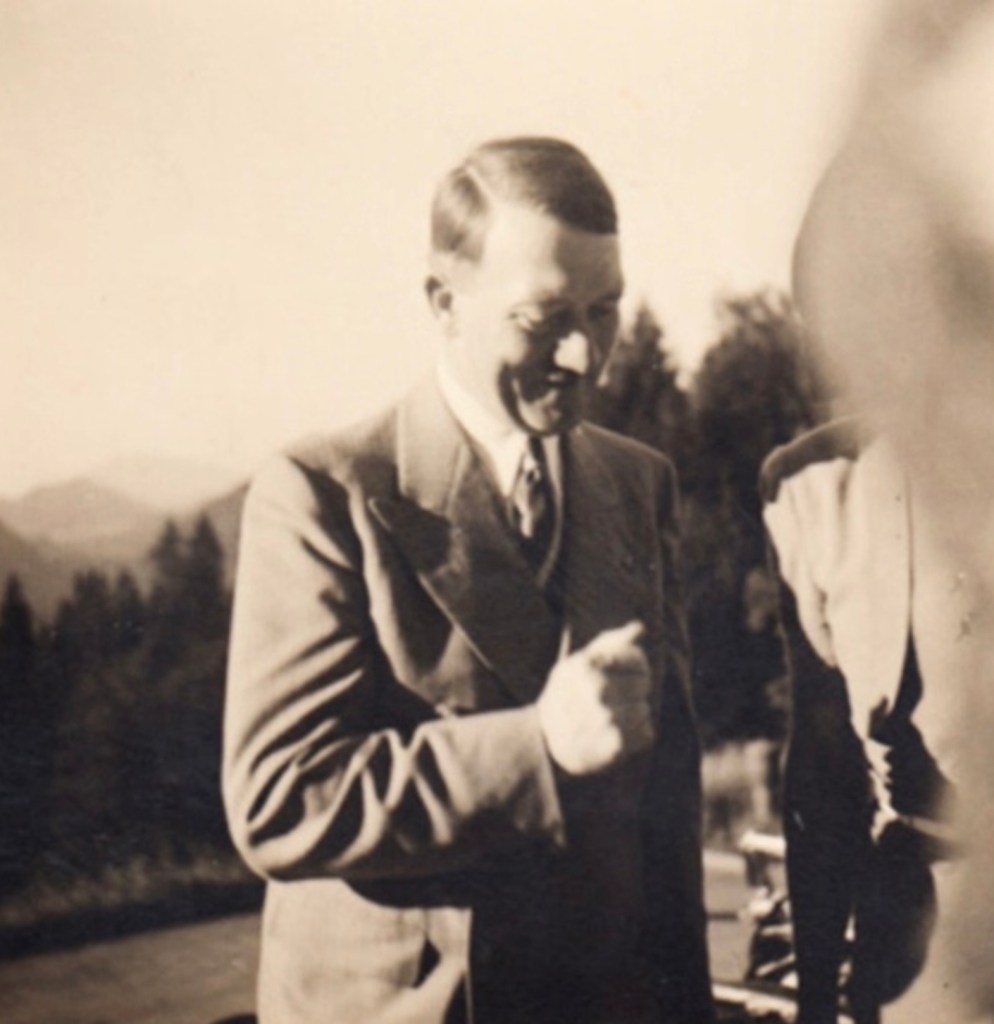
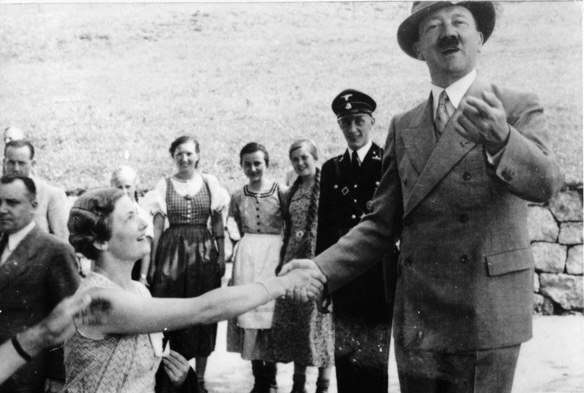
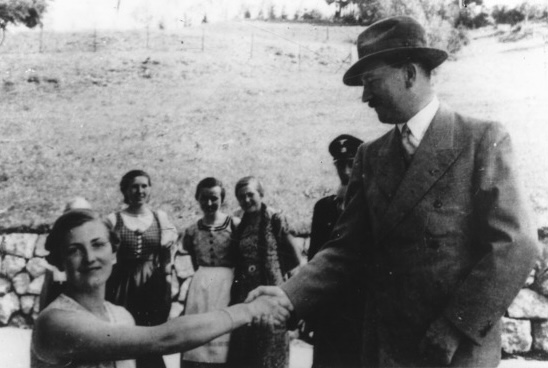
Hitler loved to celebrate his birthday with the German people. On many occasions he gave speeches on his birthday, often because he was out on the campaign trail. In 1933, on his 44th birthday, he invited the public to come and visit him at his home on the Obersalzberg. There are many photographs taken from this day, as well as similar events over the years, of the massive crowds that came to visit Hitler. Sometimes members of the general public were invited up to Hitler’s house as special visitors from these crowds that gathered outside of his estate. Hoffmann made maximum use of the propaganda photos that were taken during these visits.


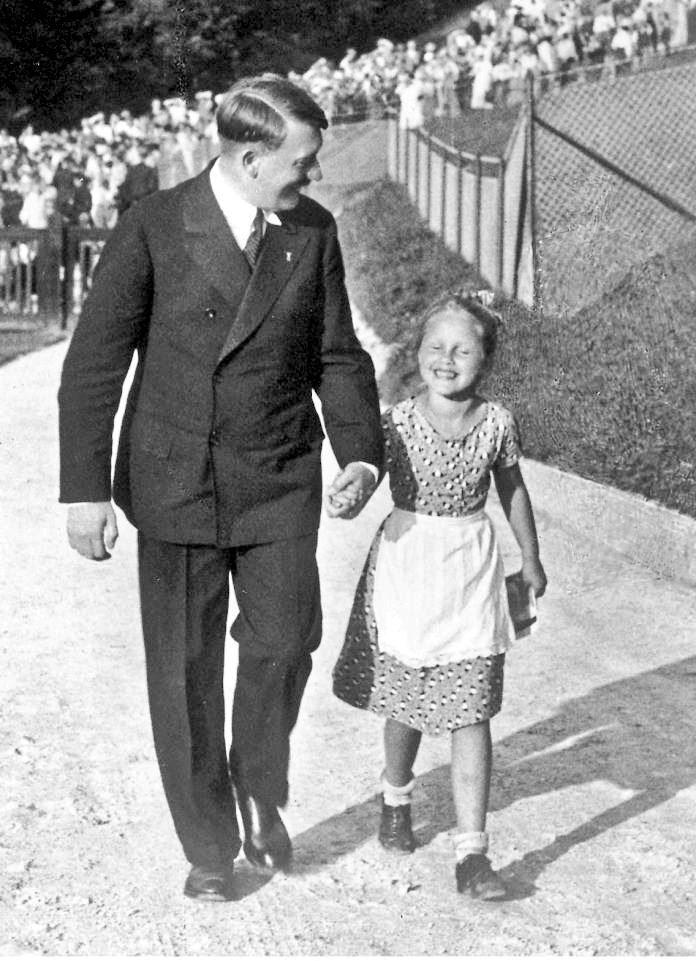
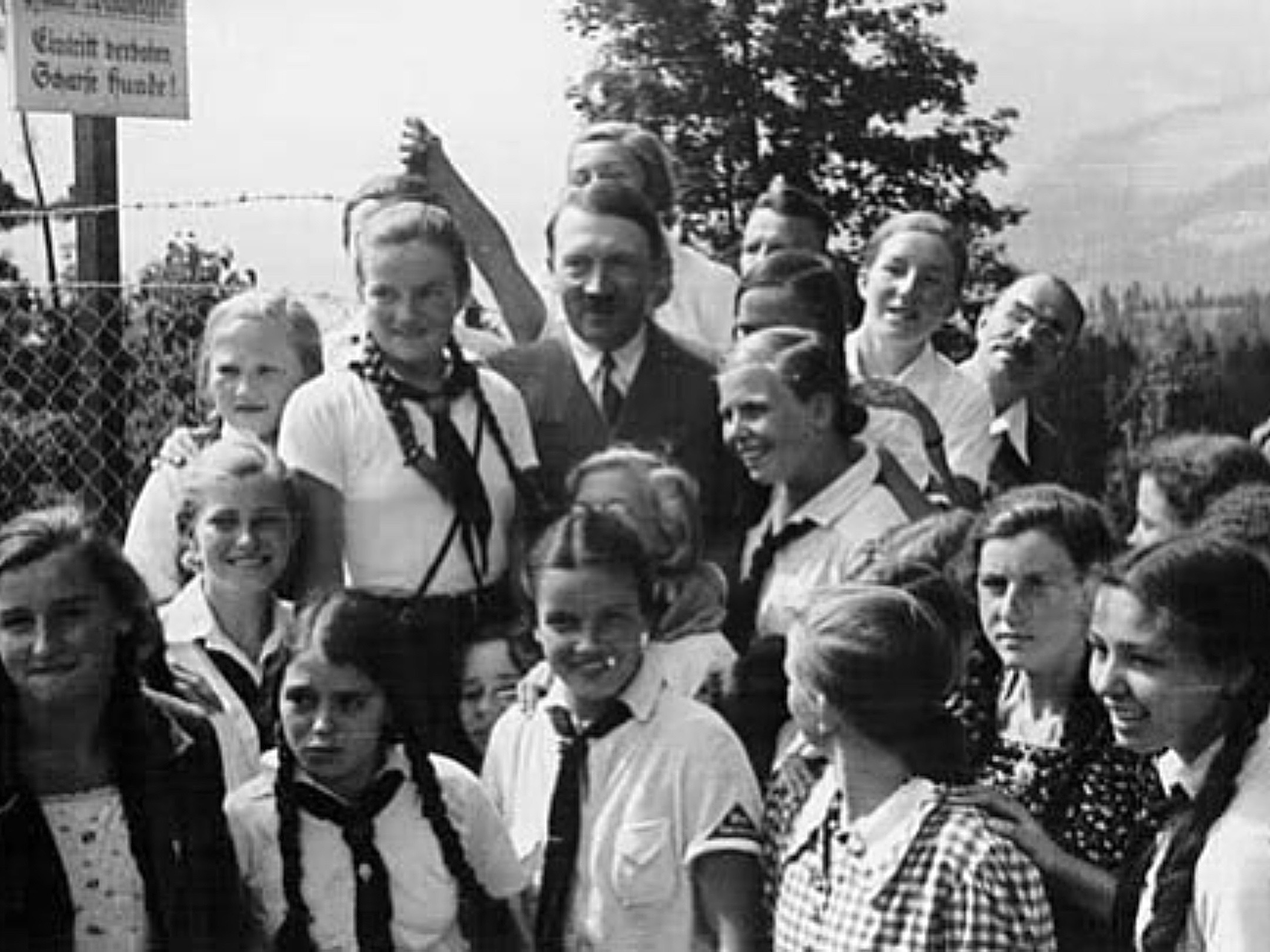
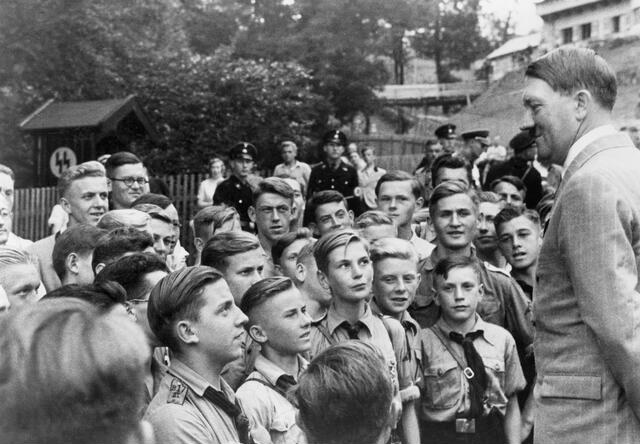
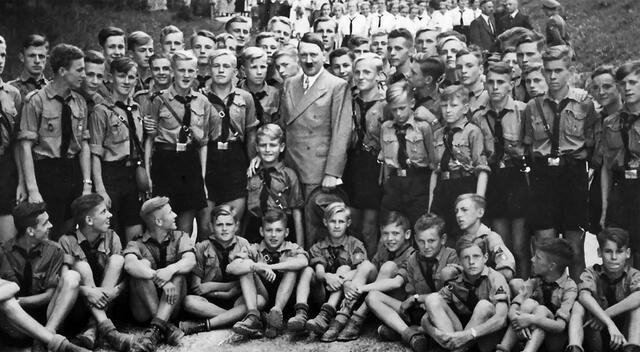
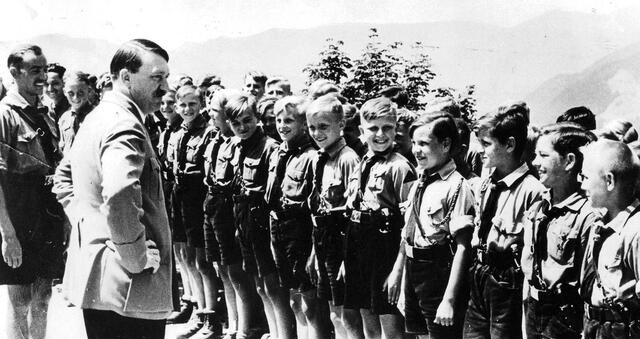
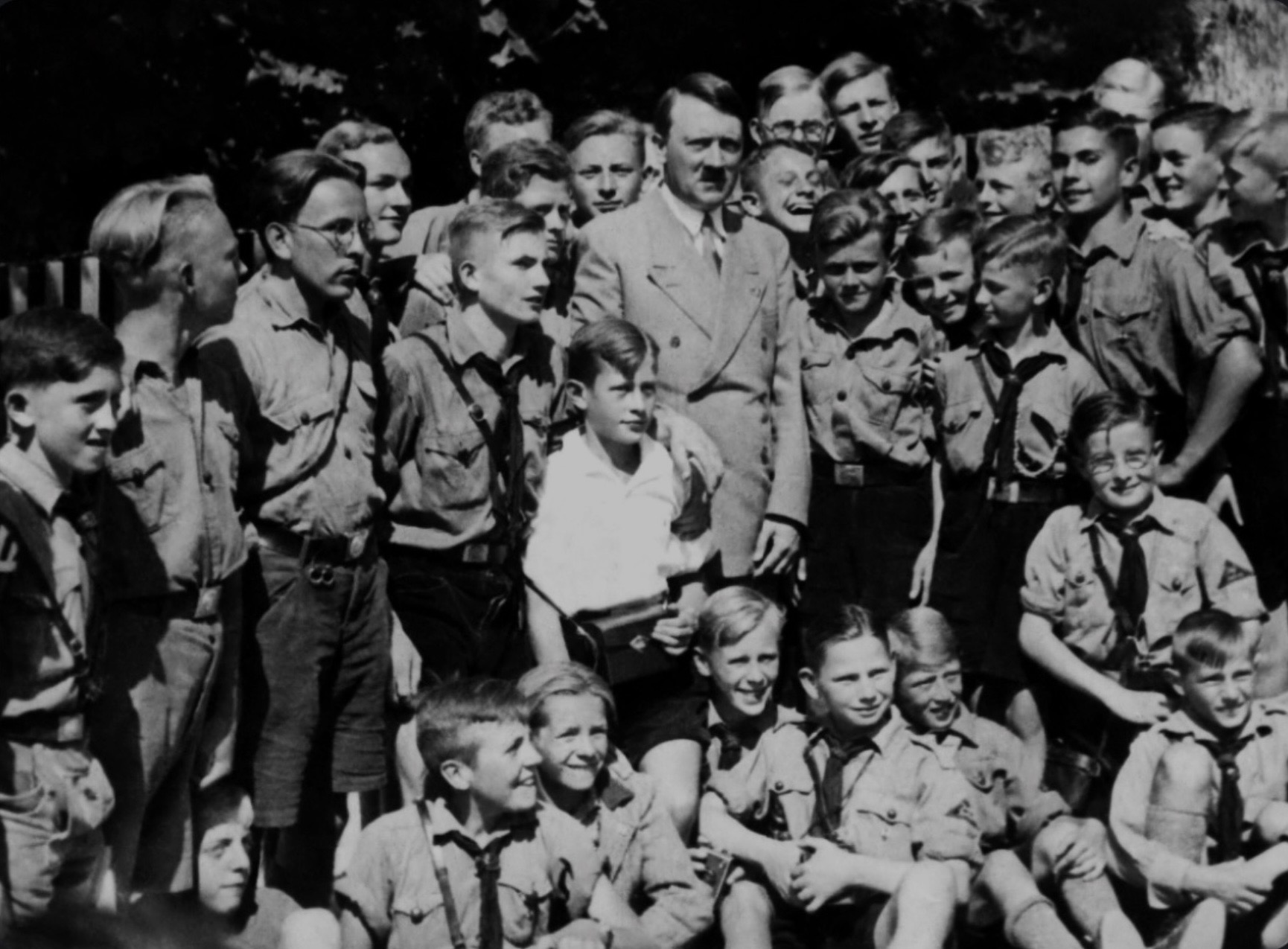
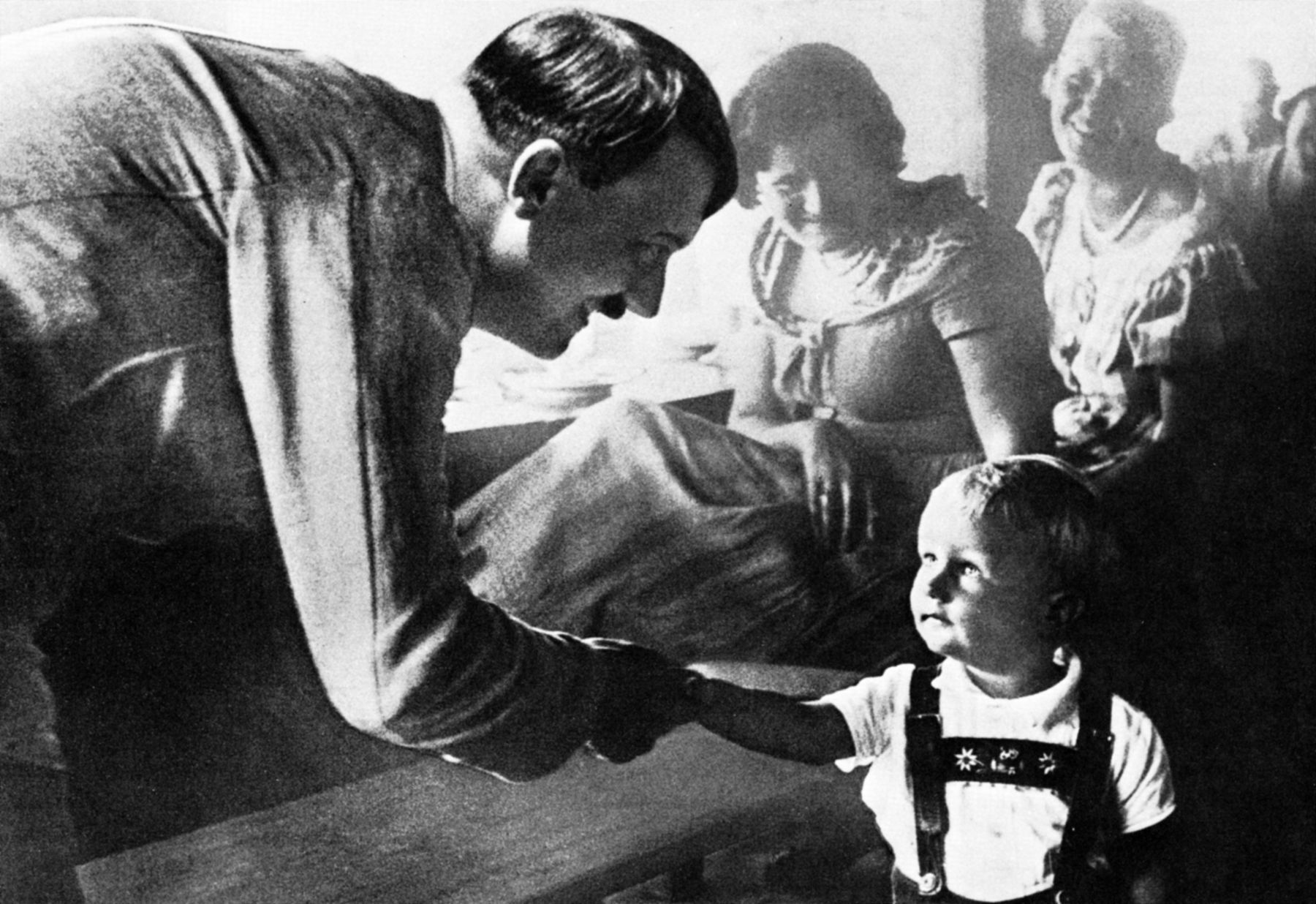
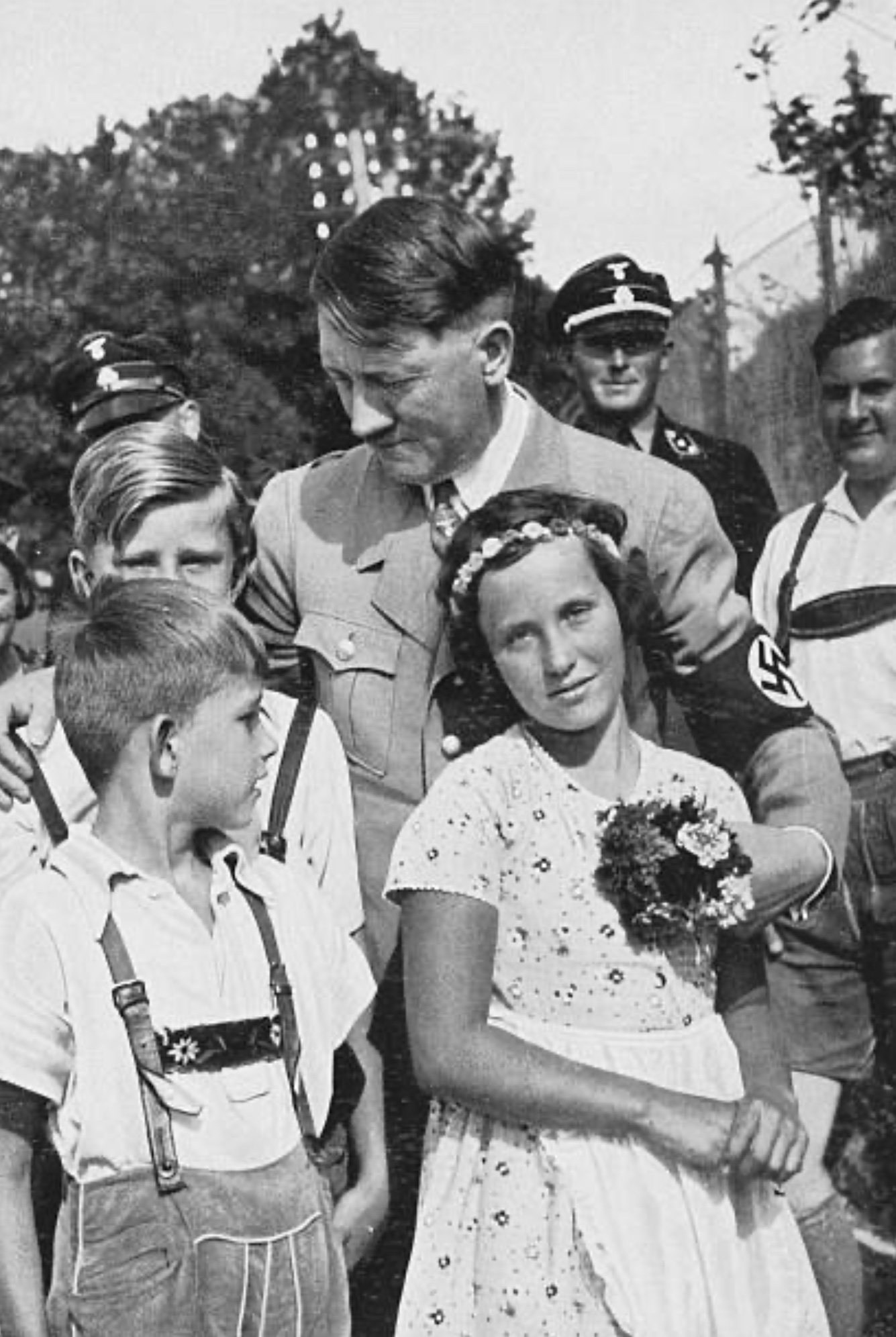
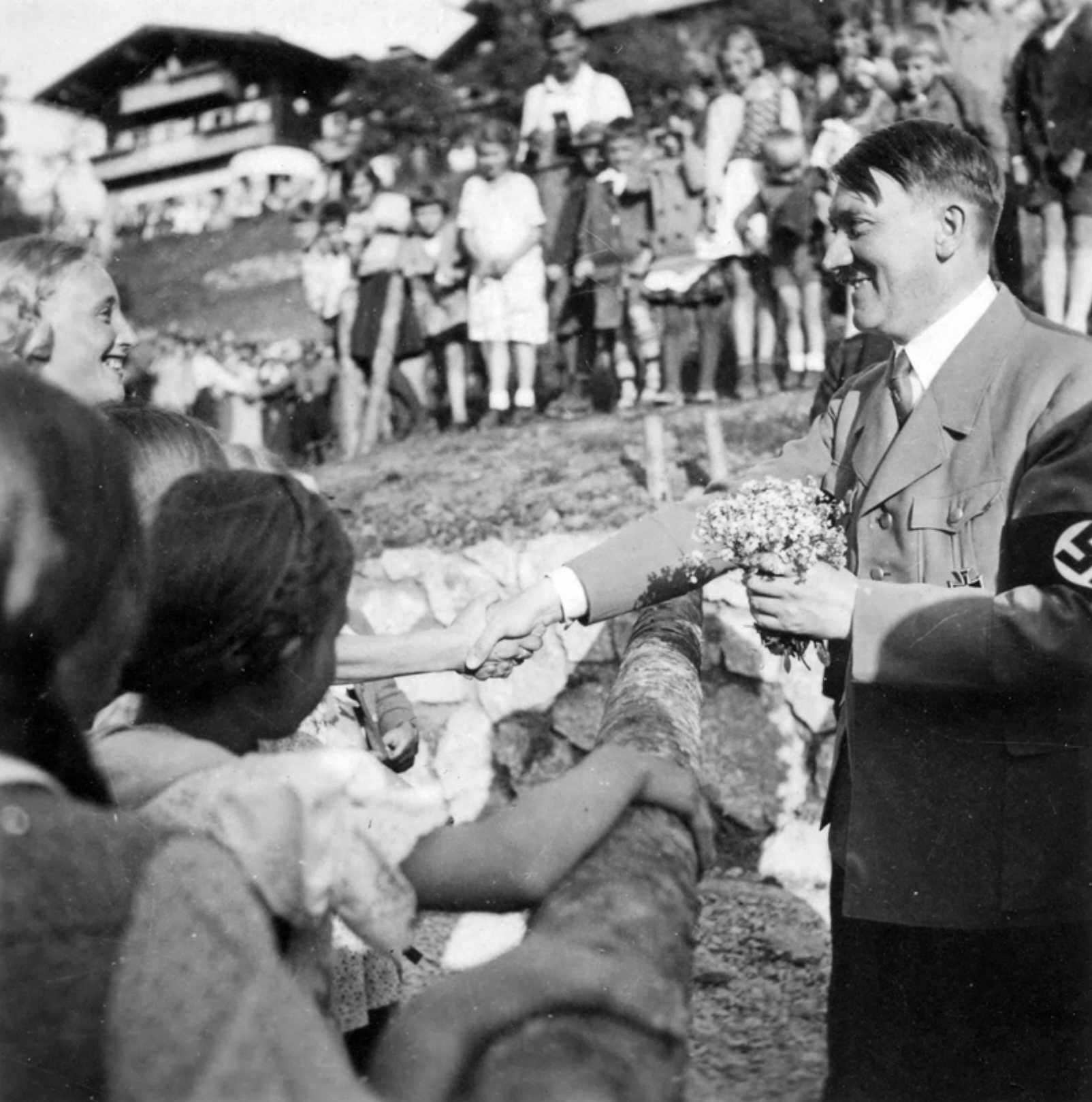
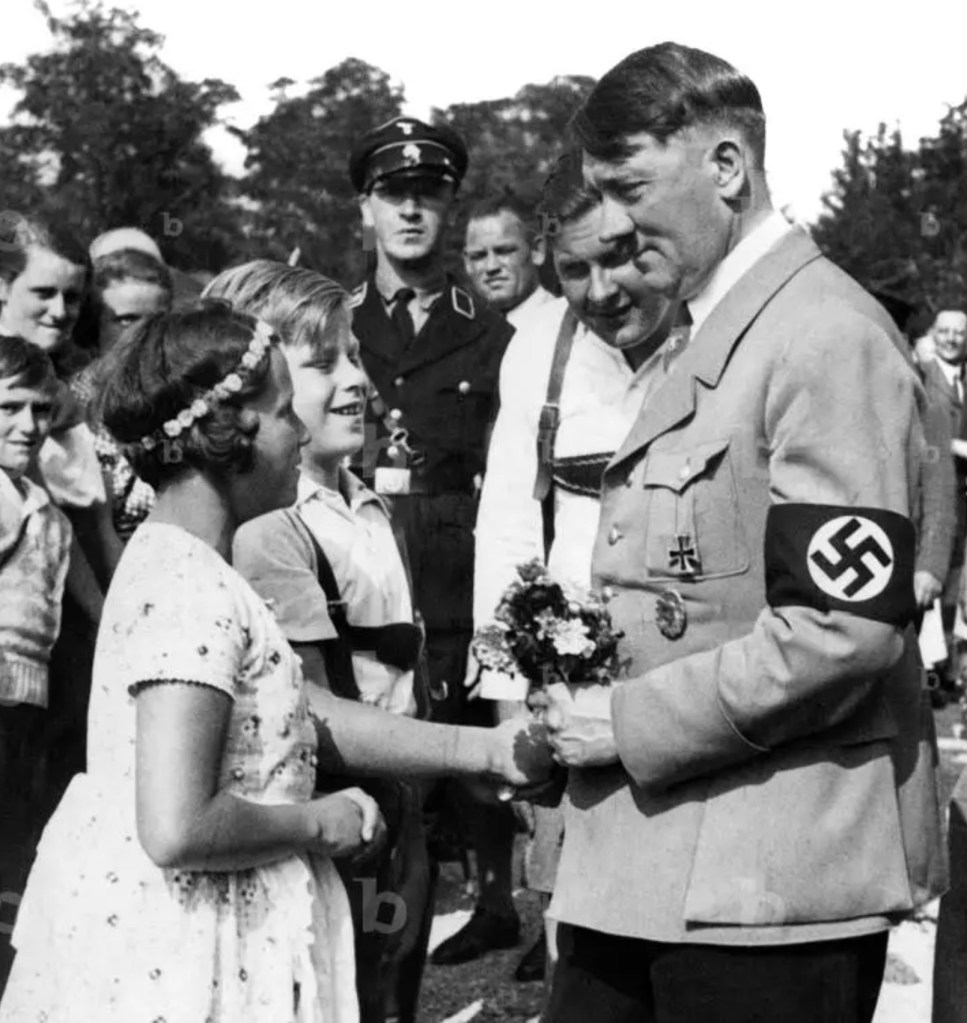
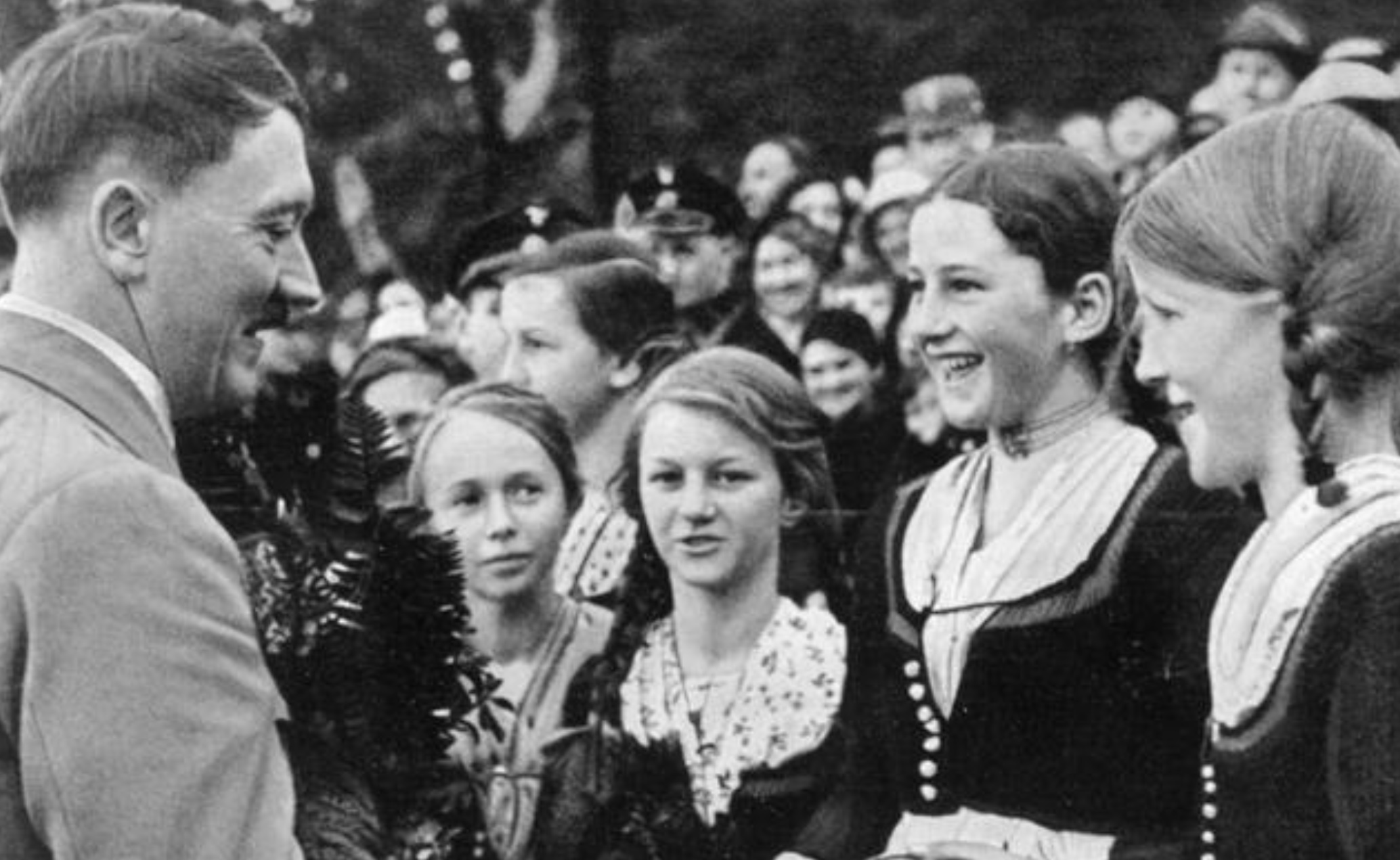
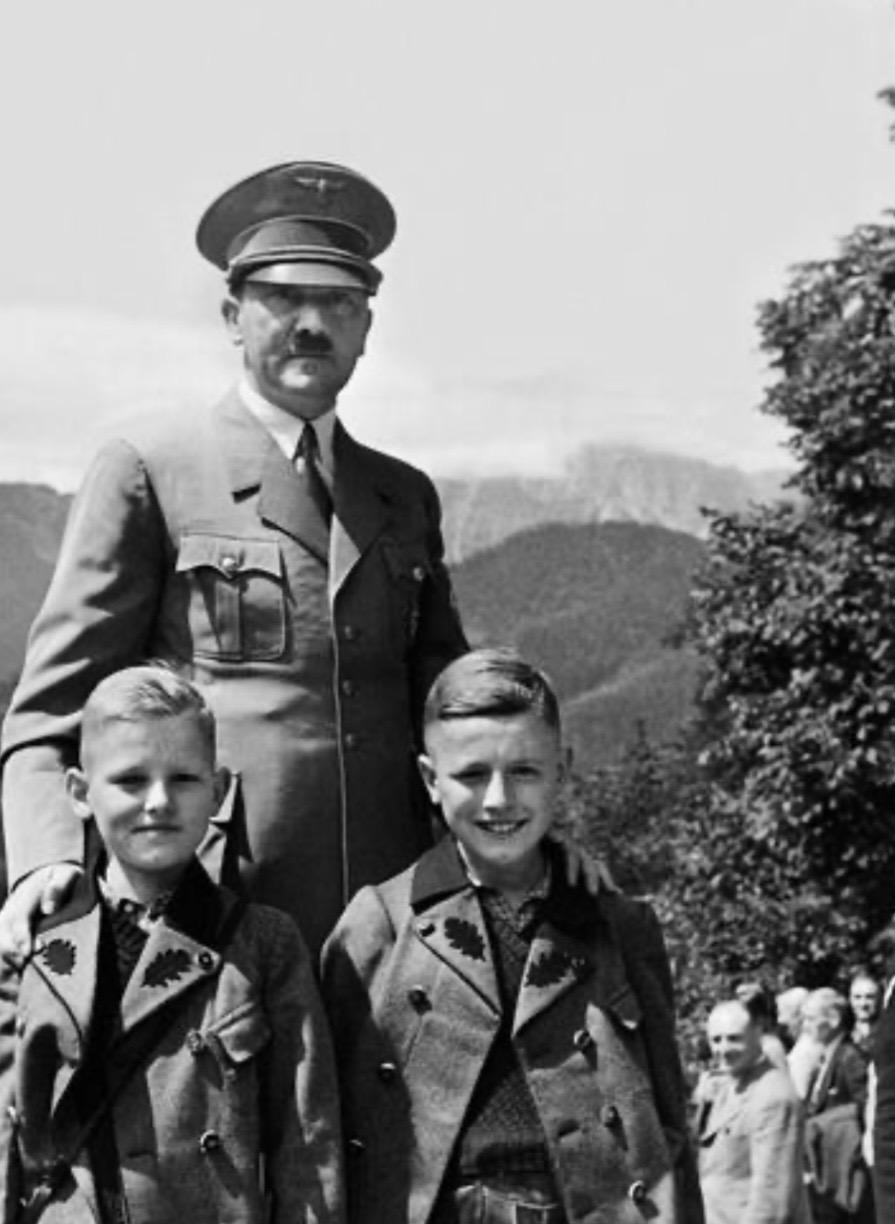
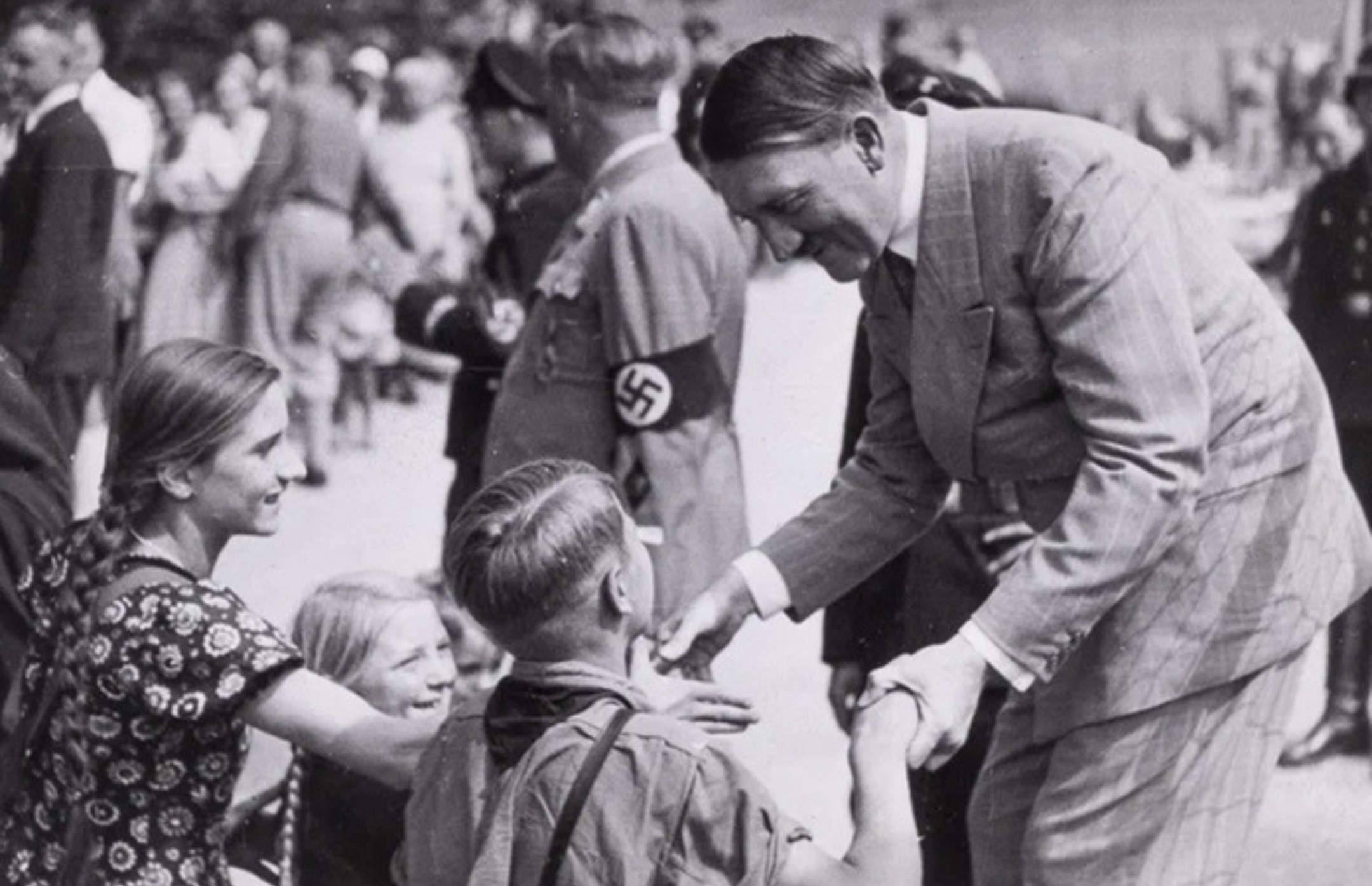
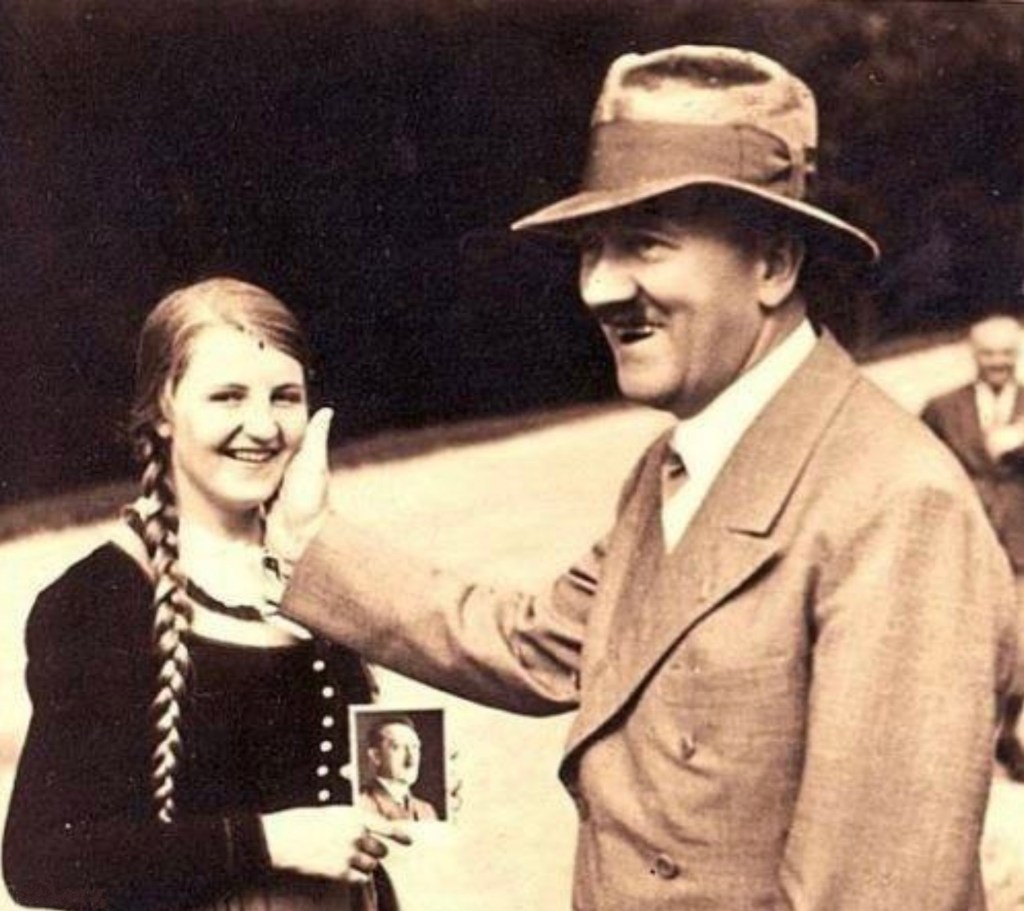
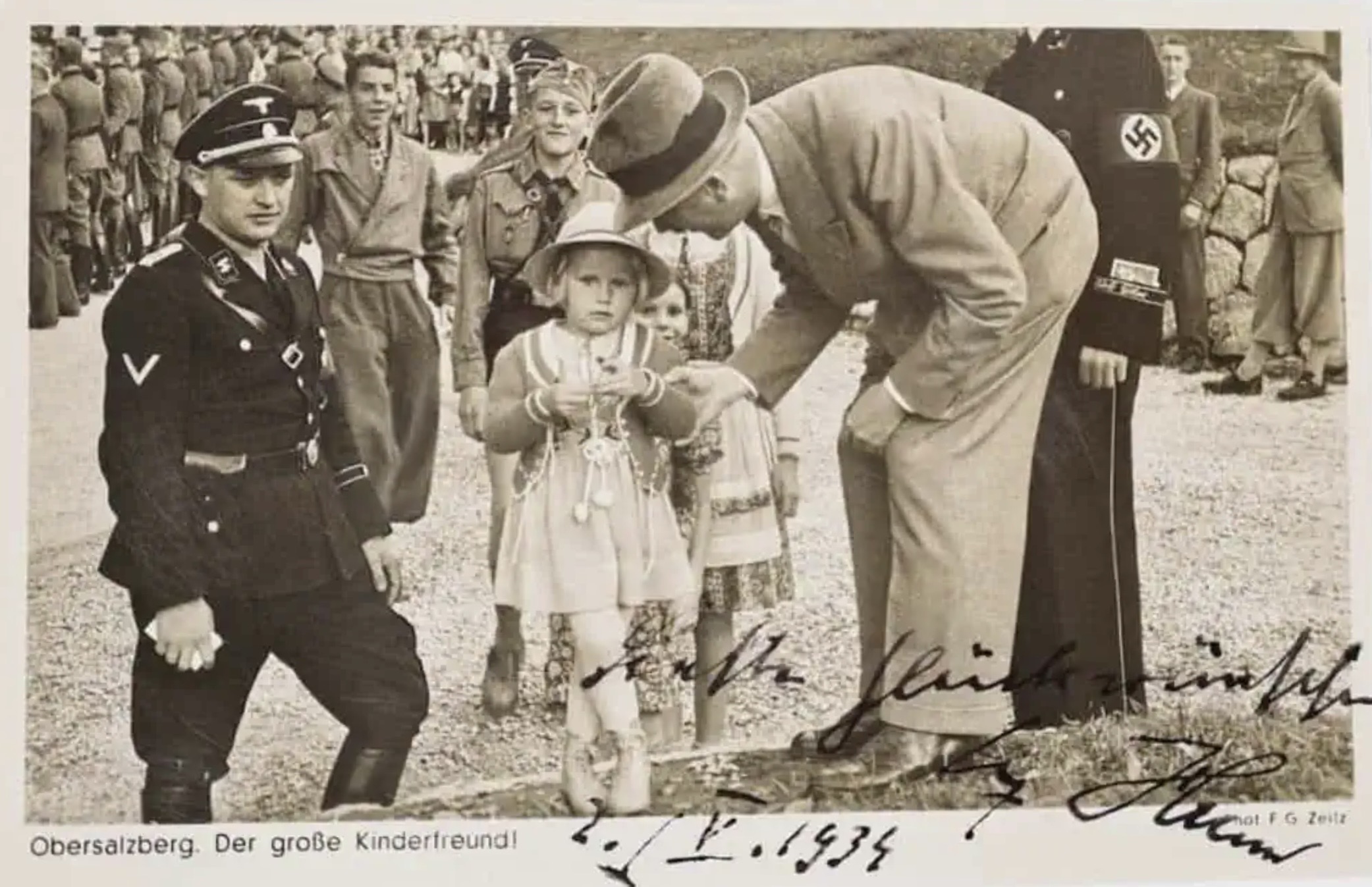
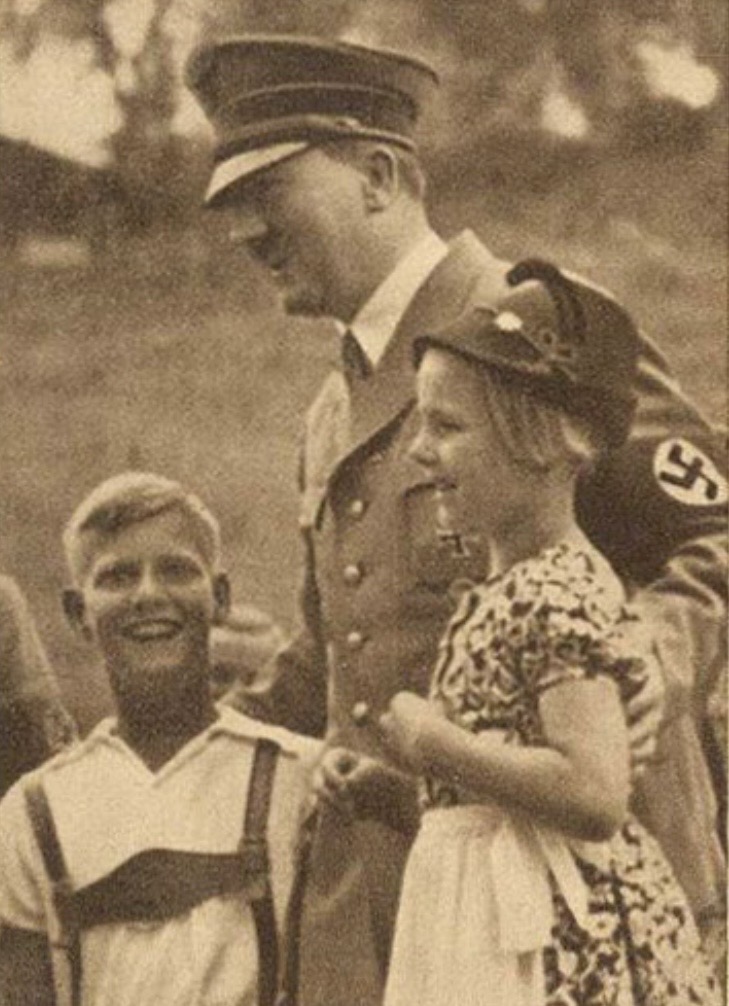
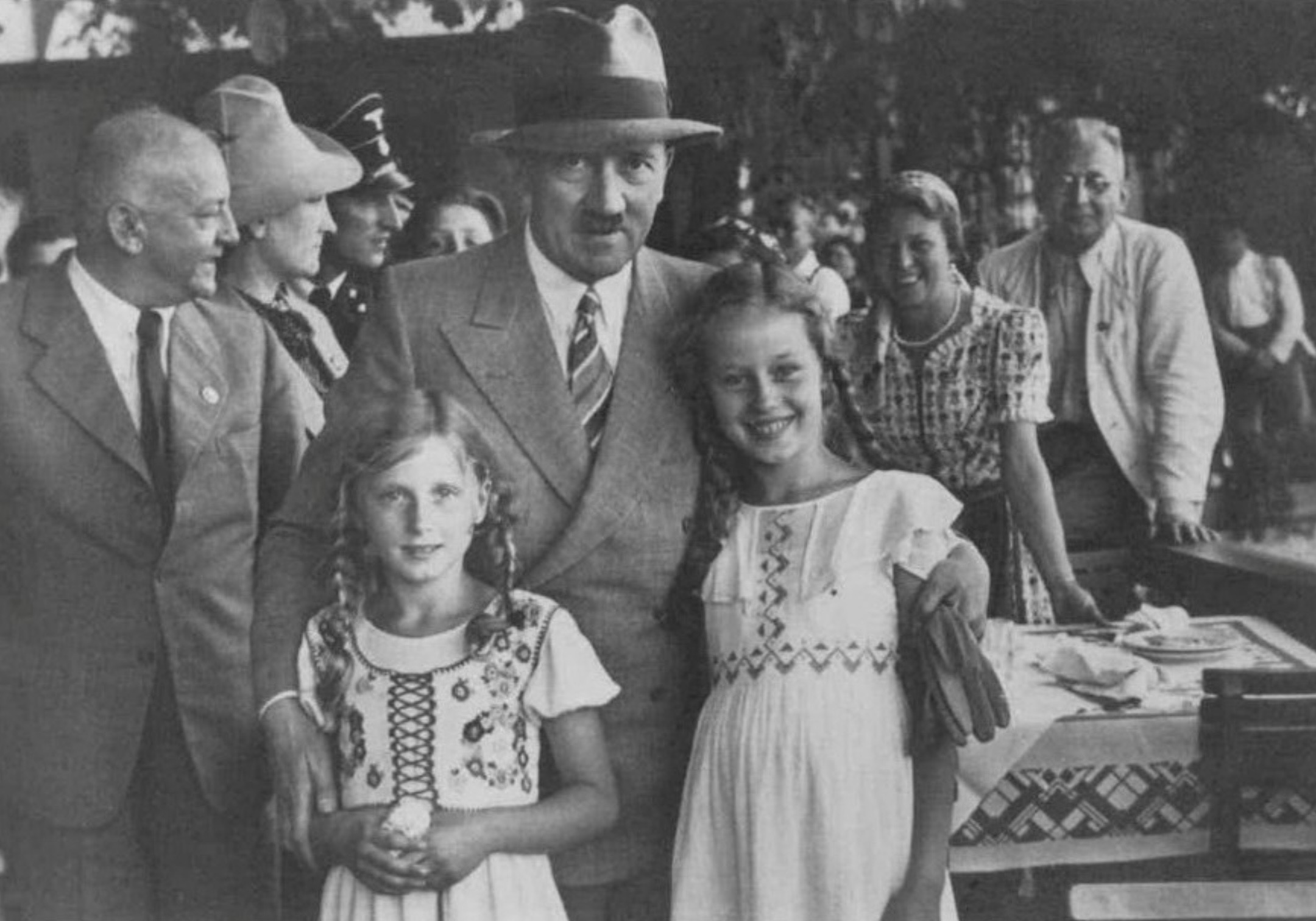
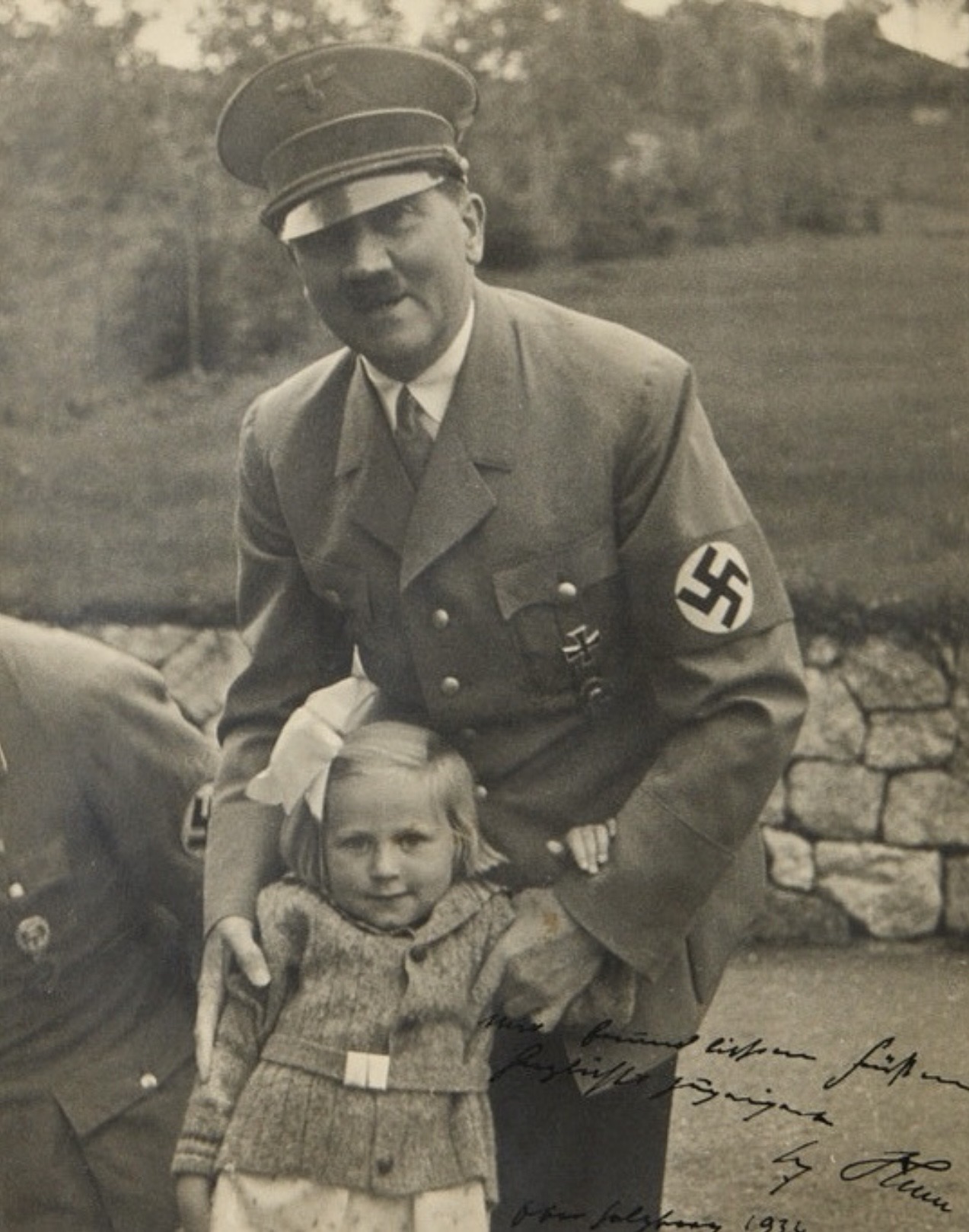
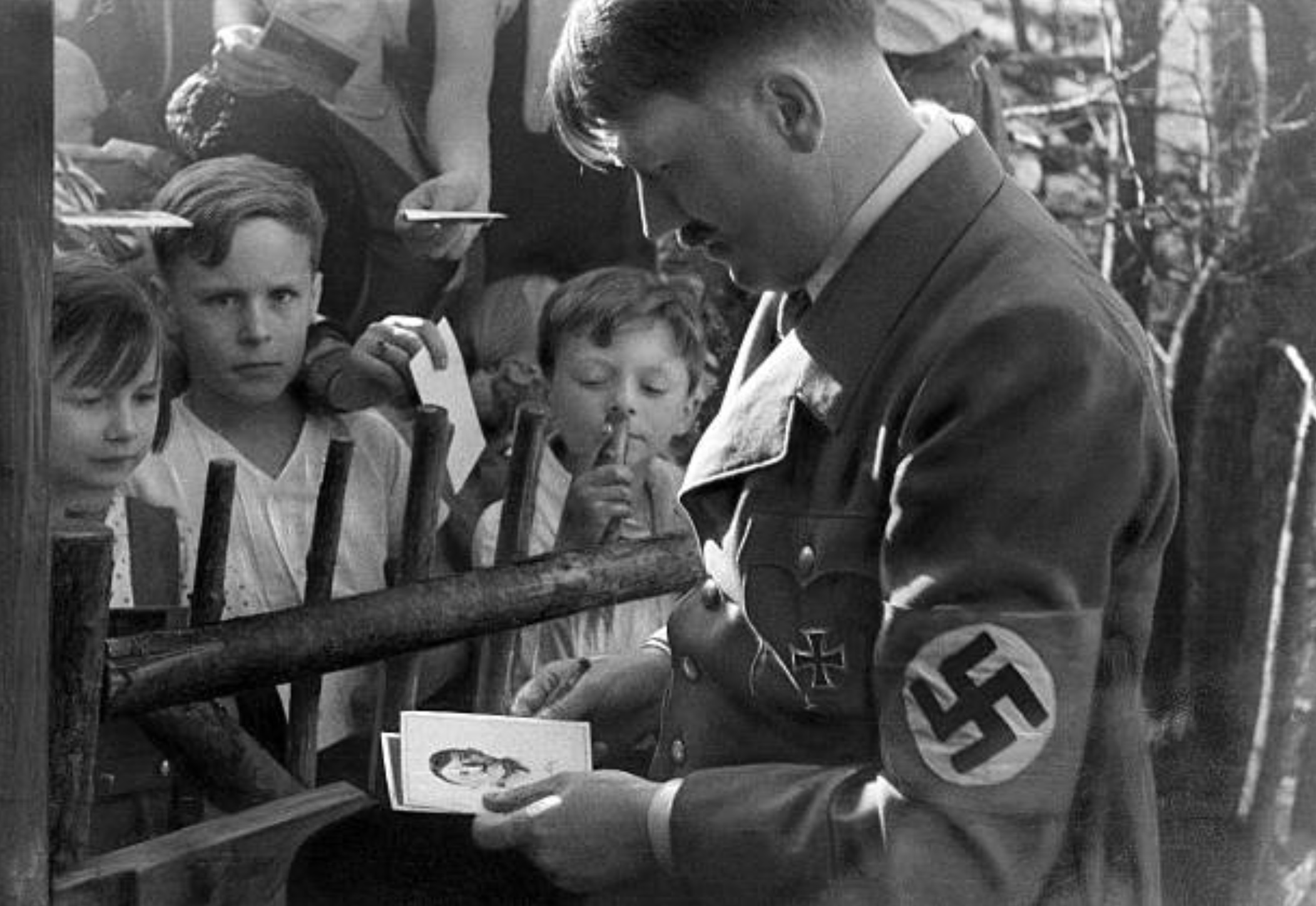
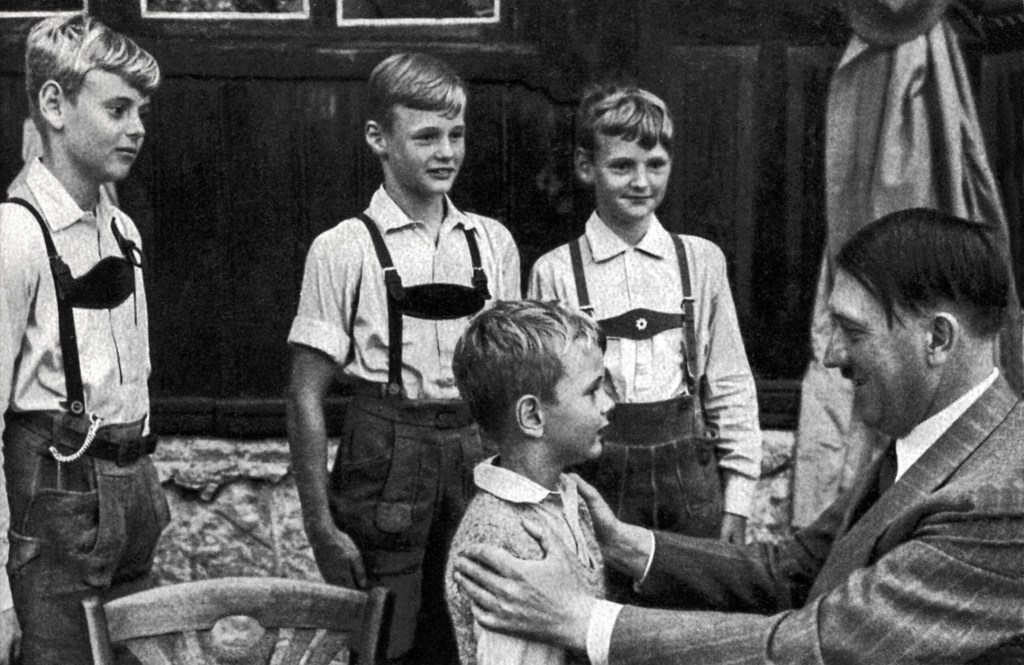
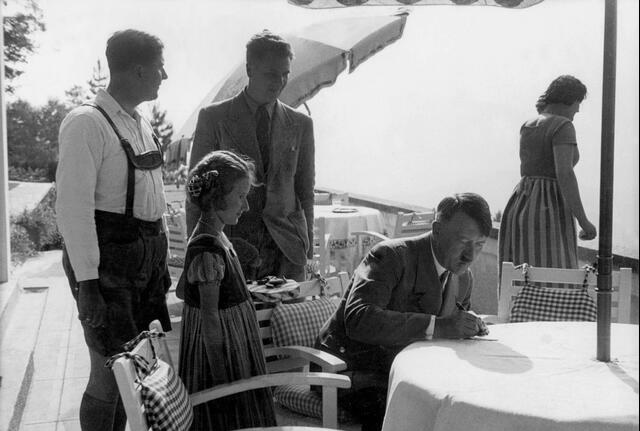
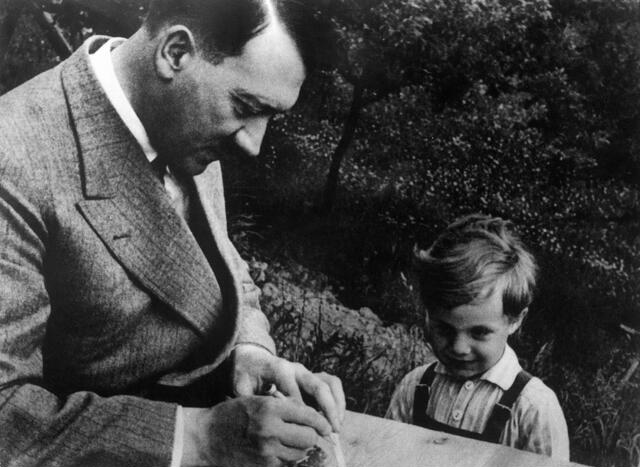
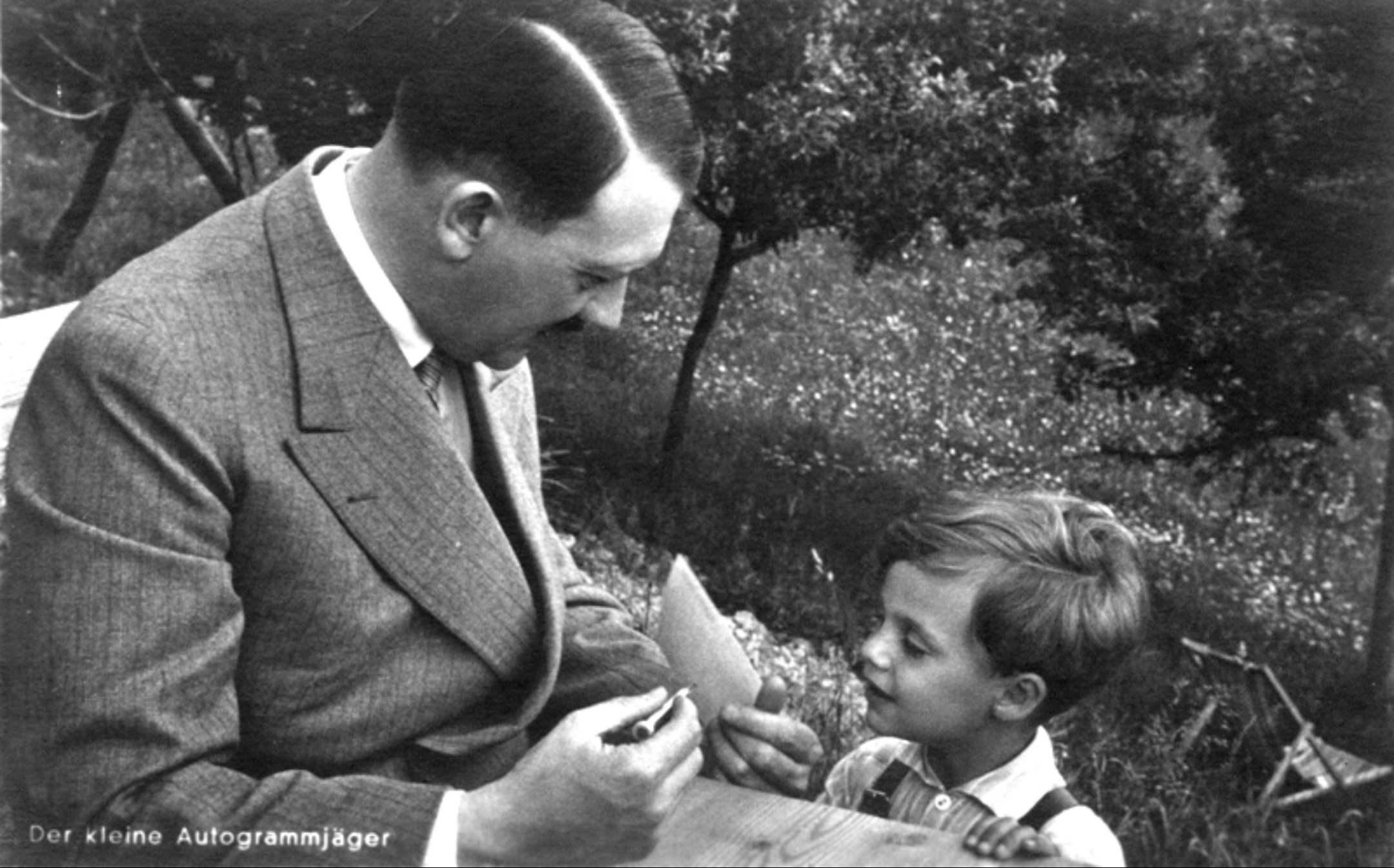
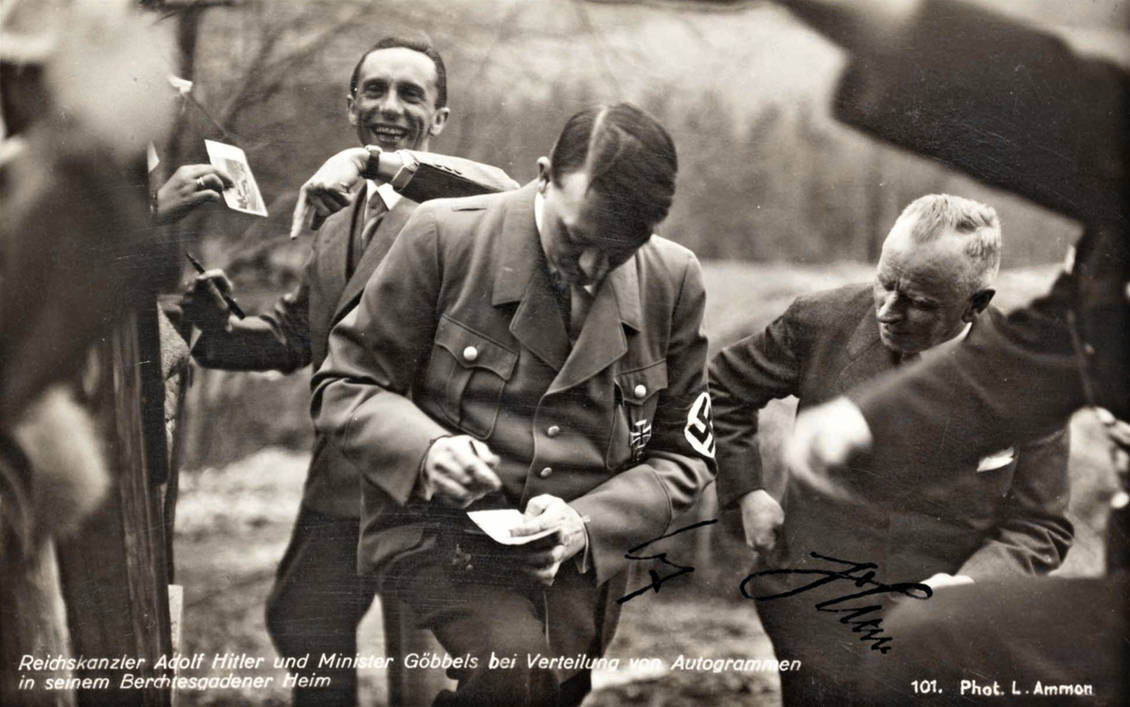
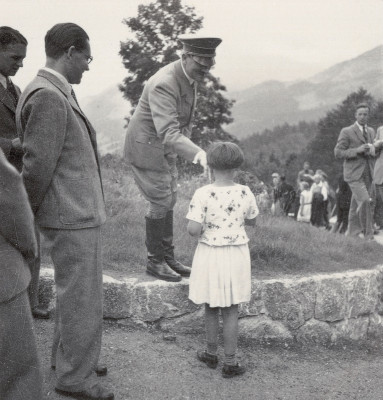
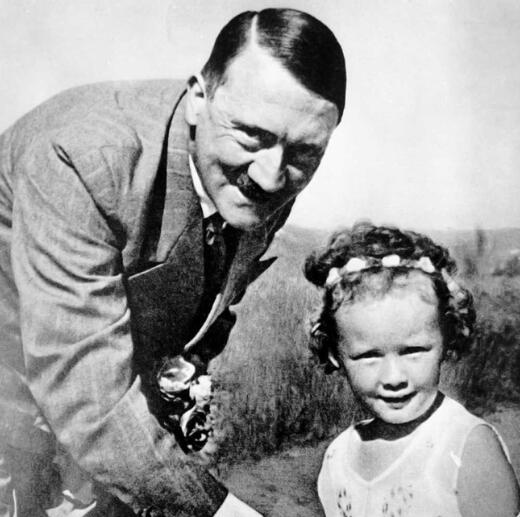
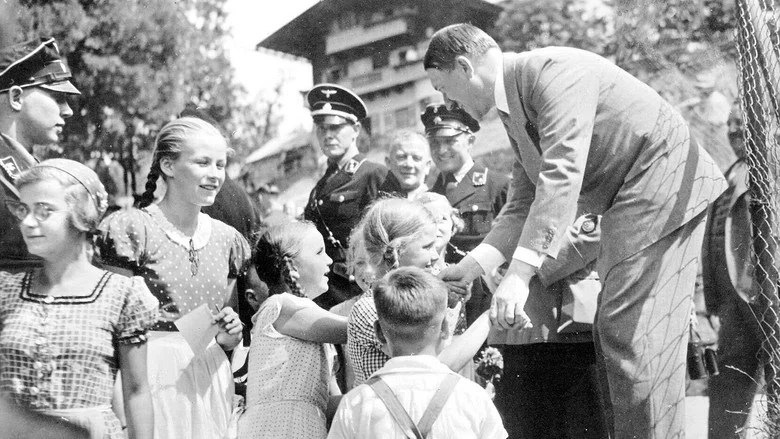
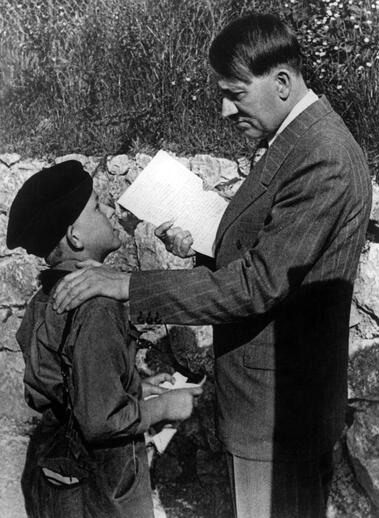
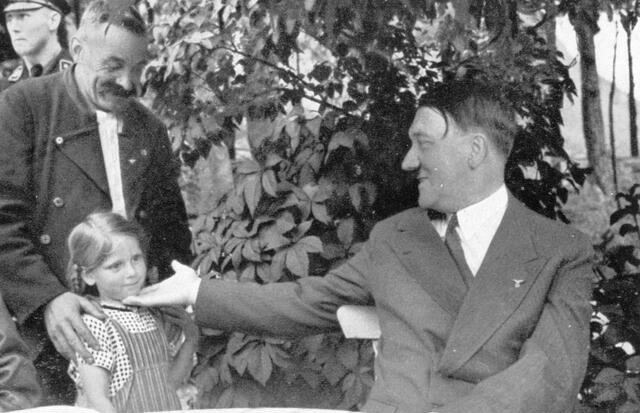
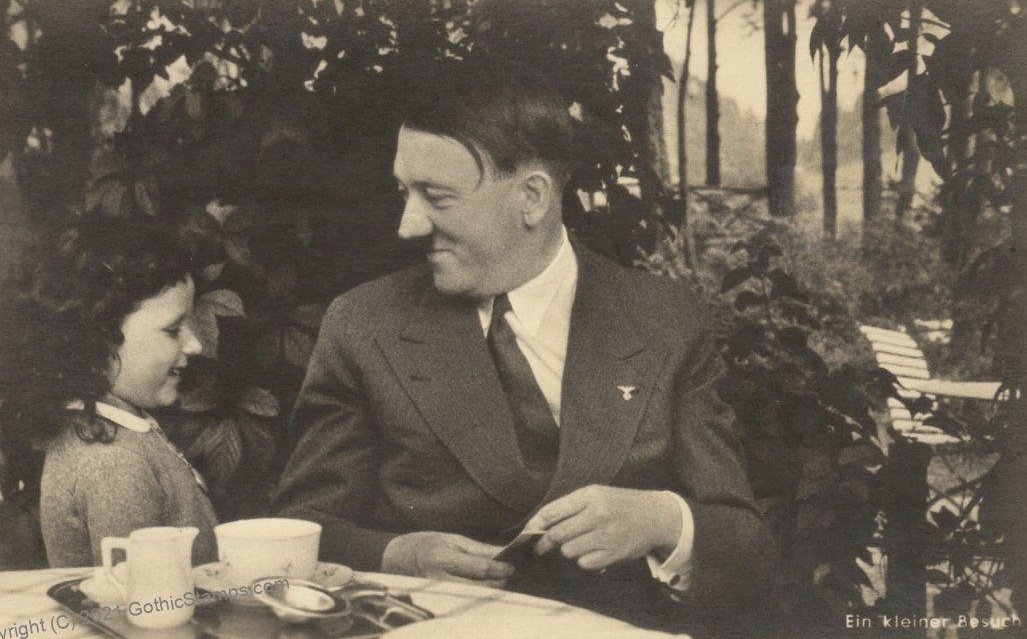
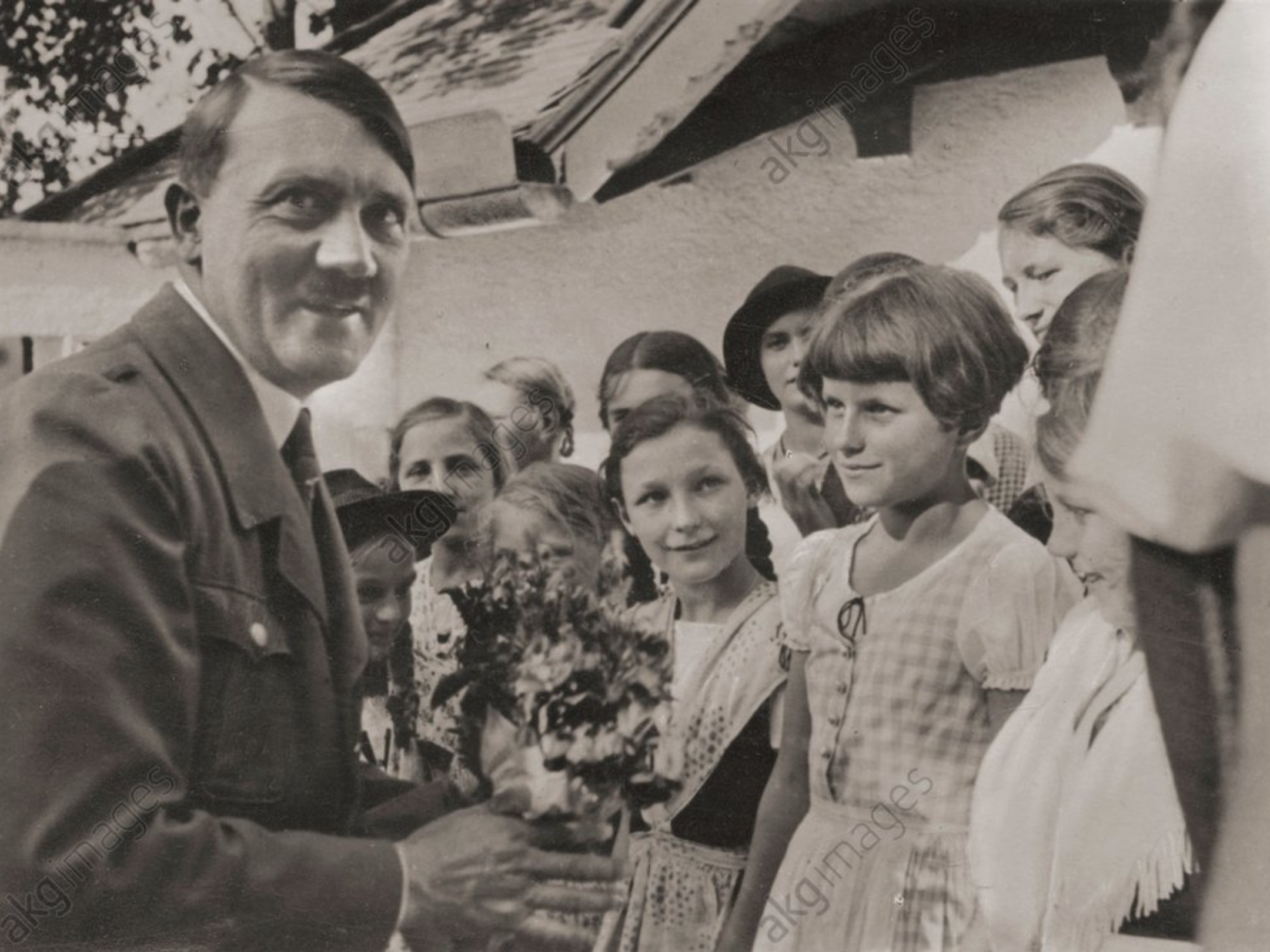
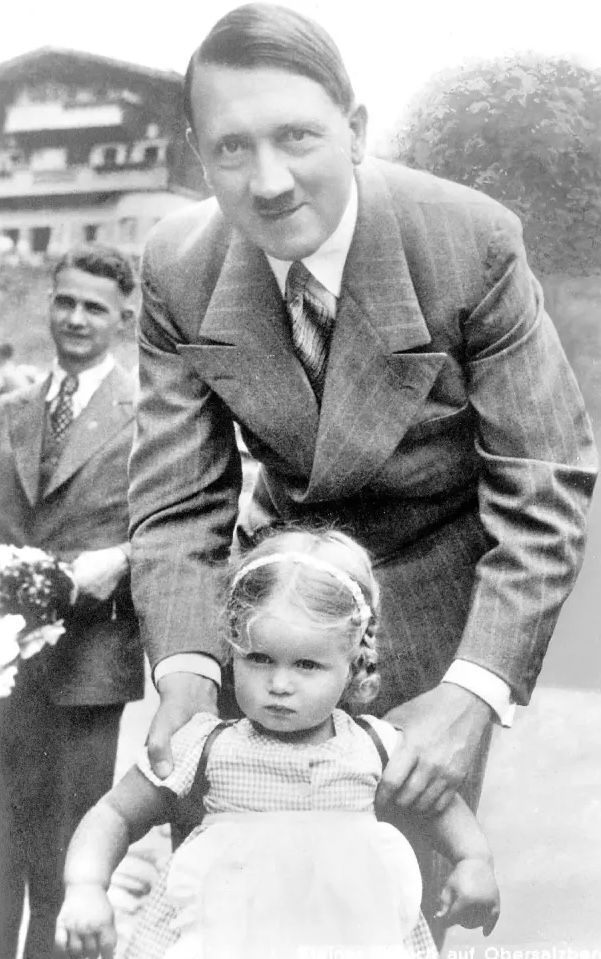
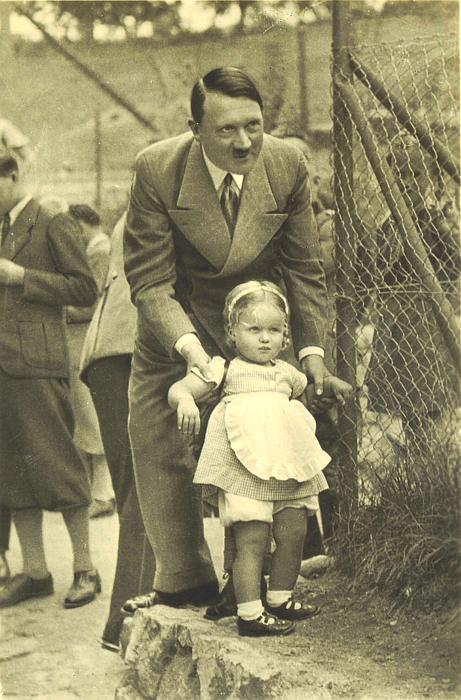
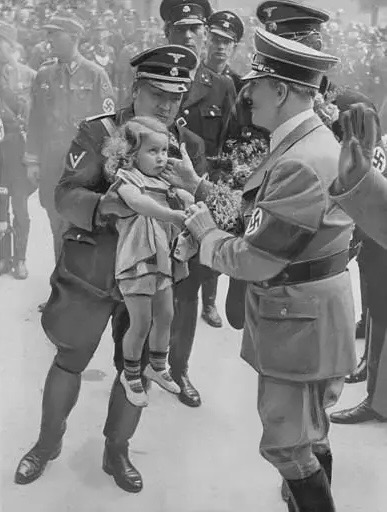
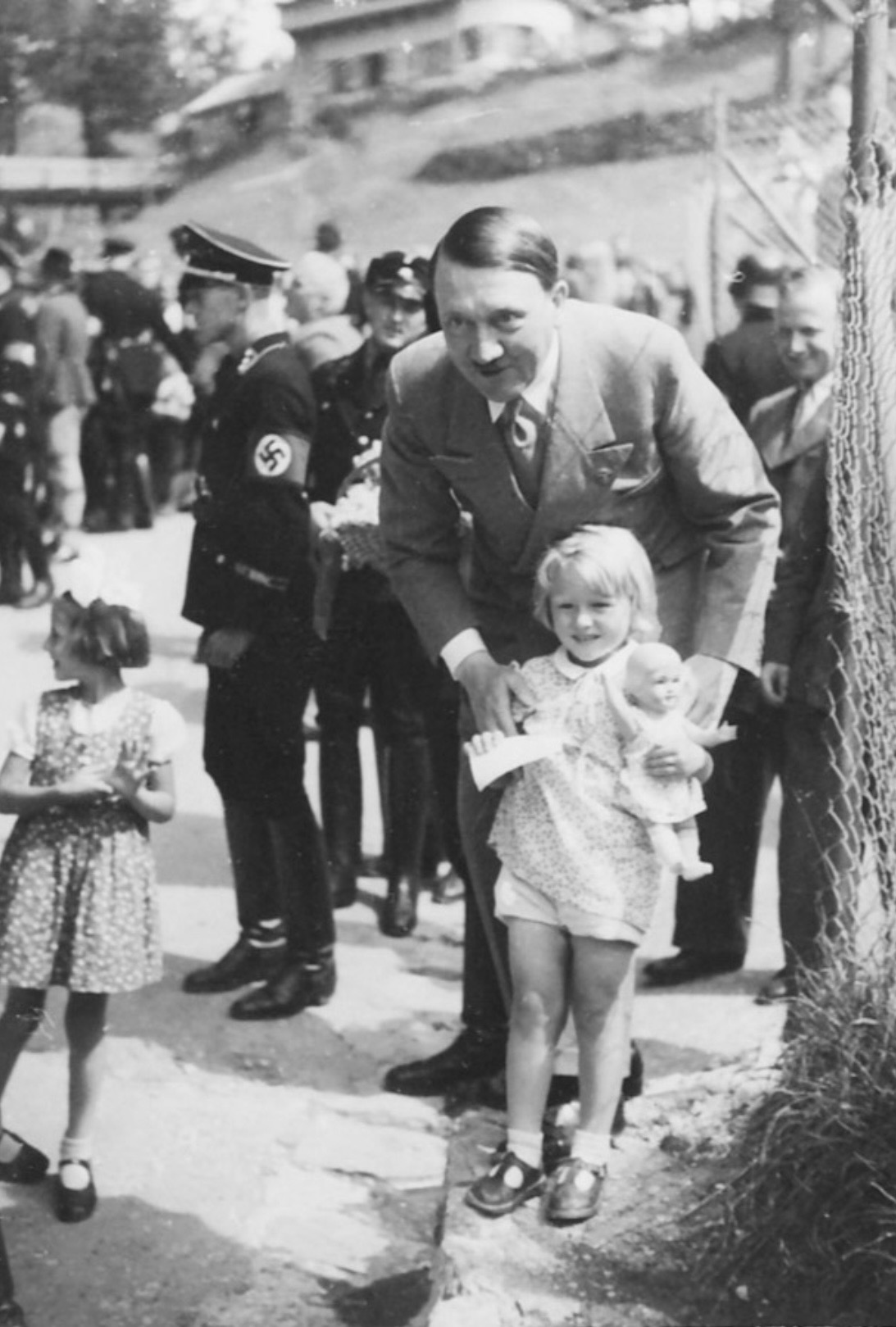
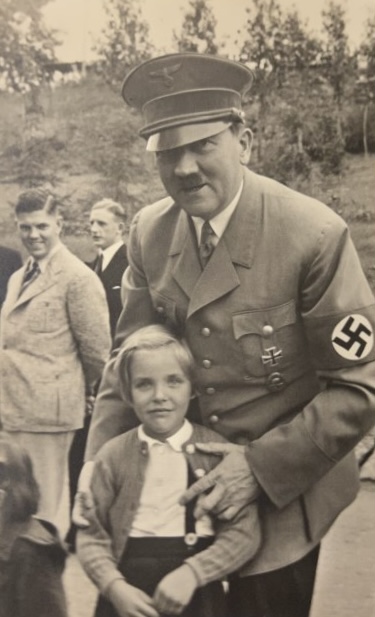
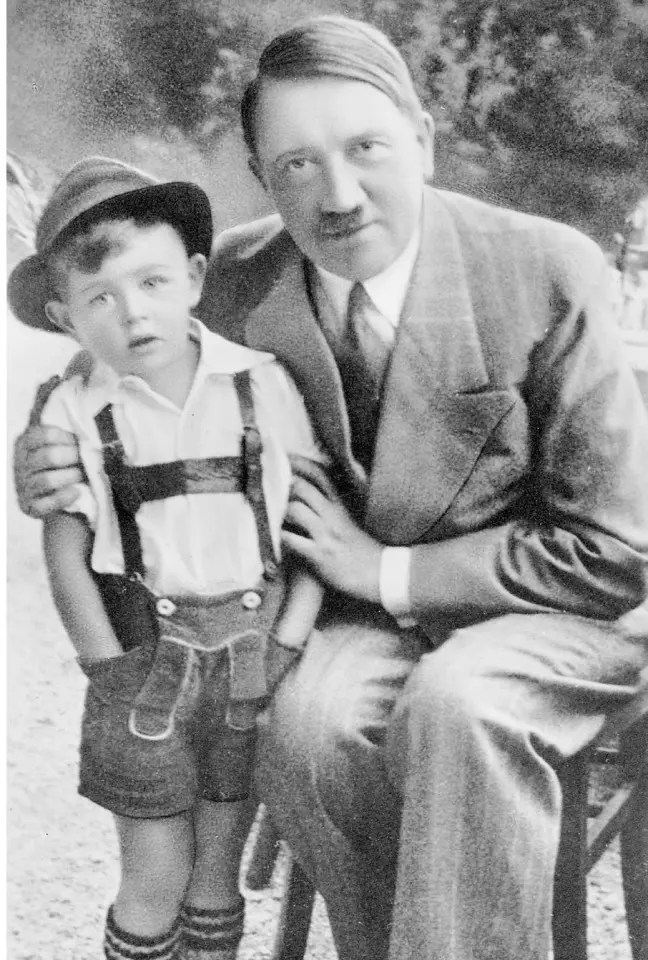
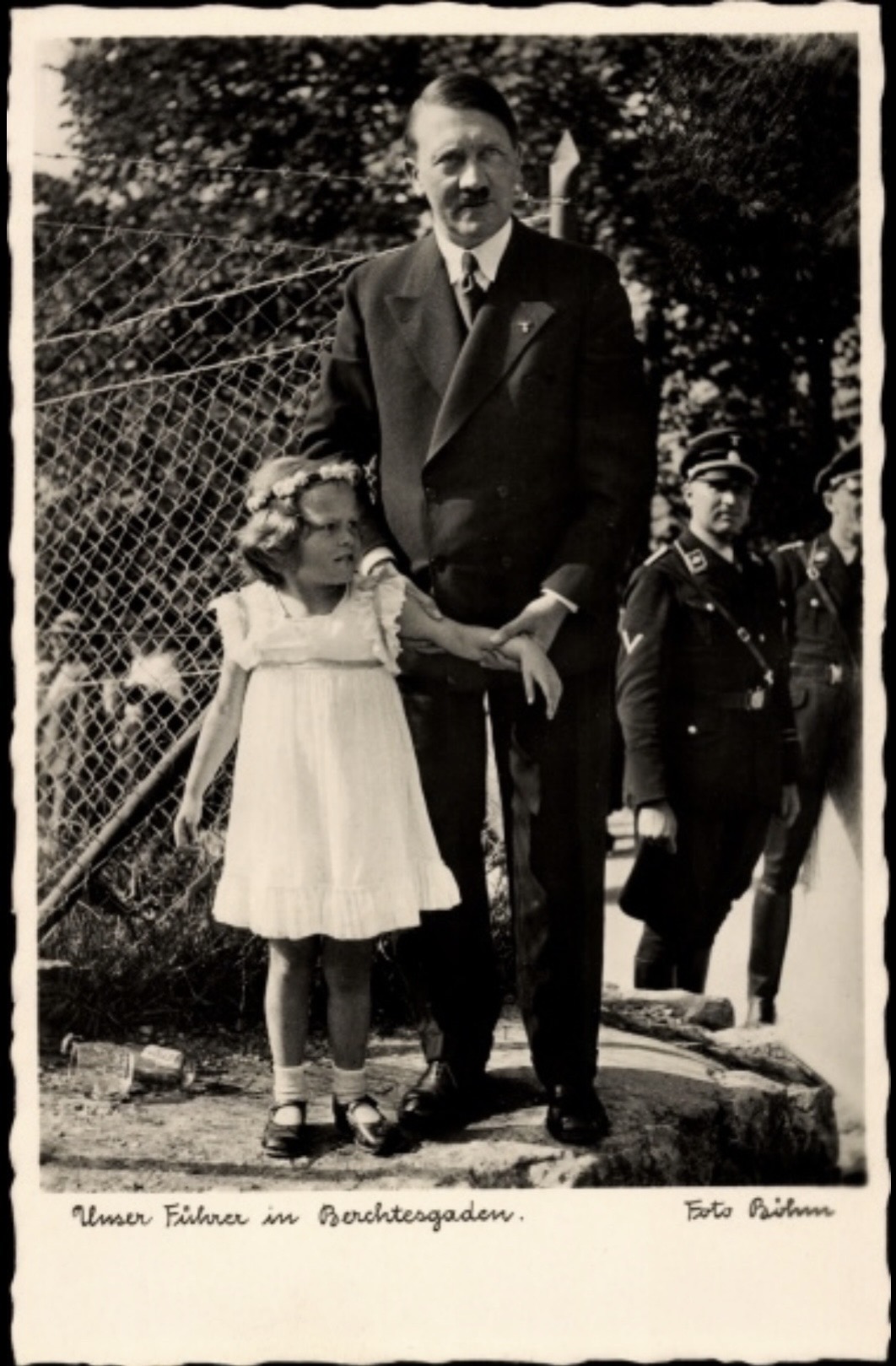
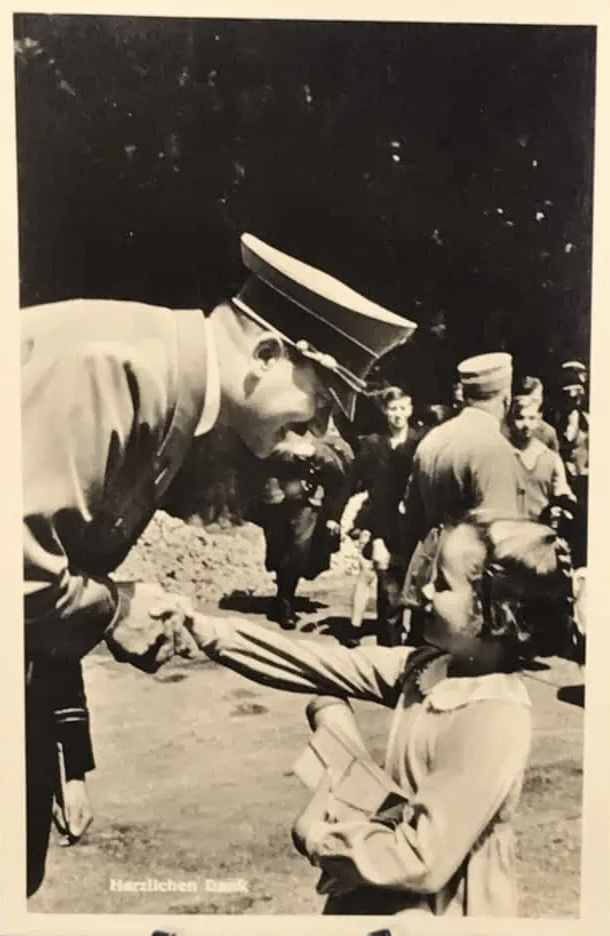
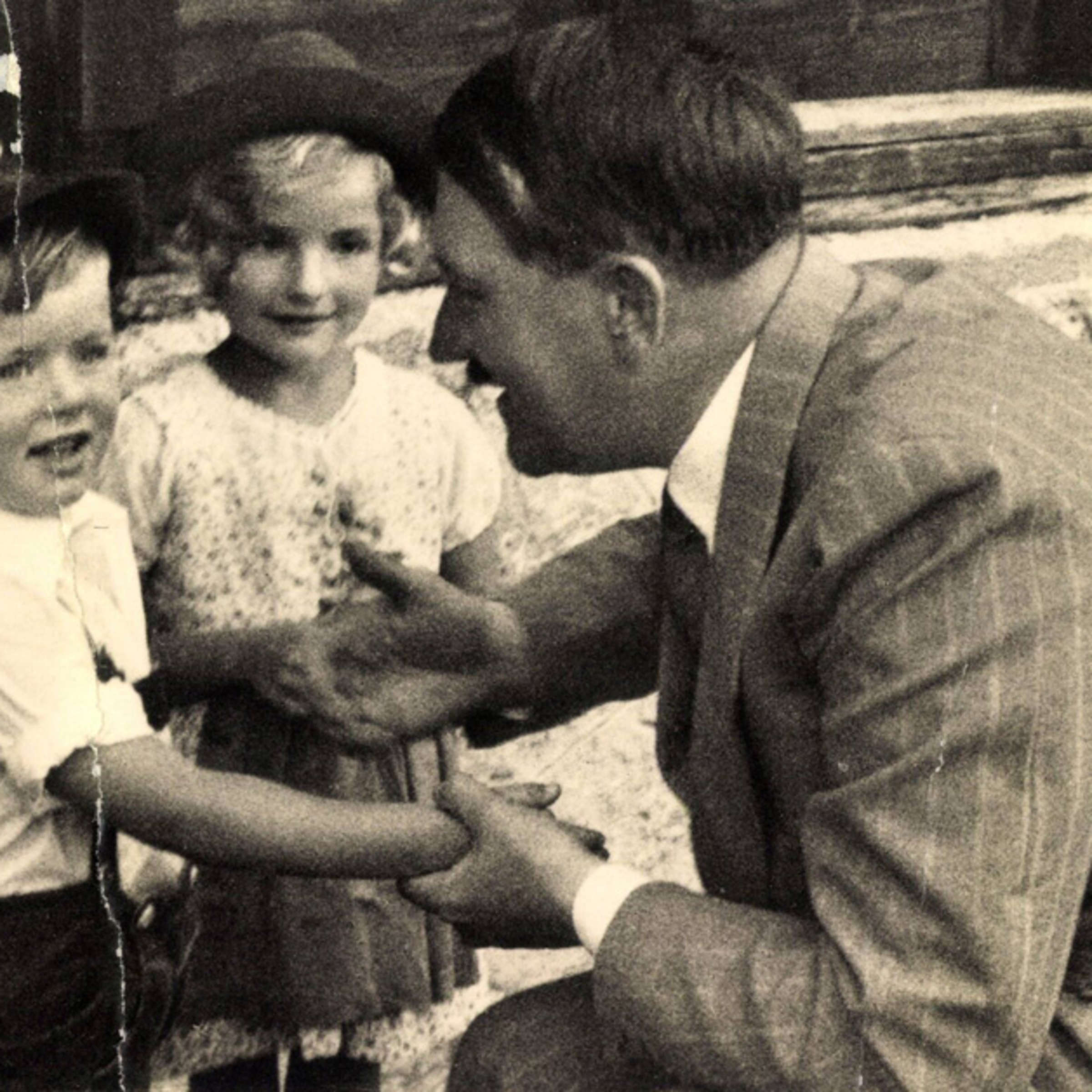
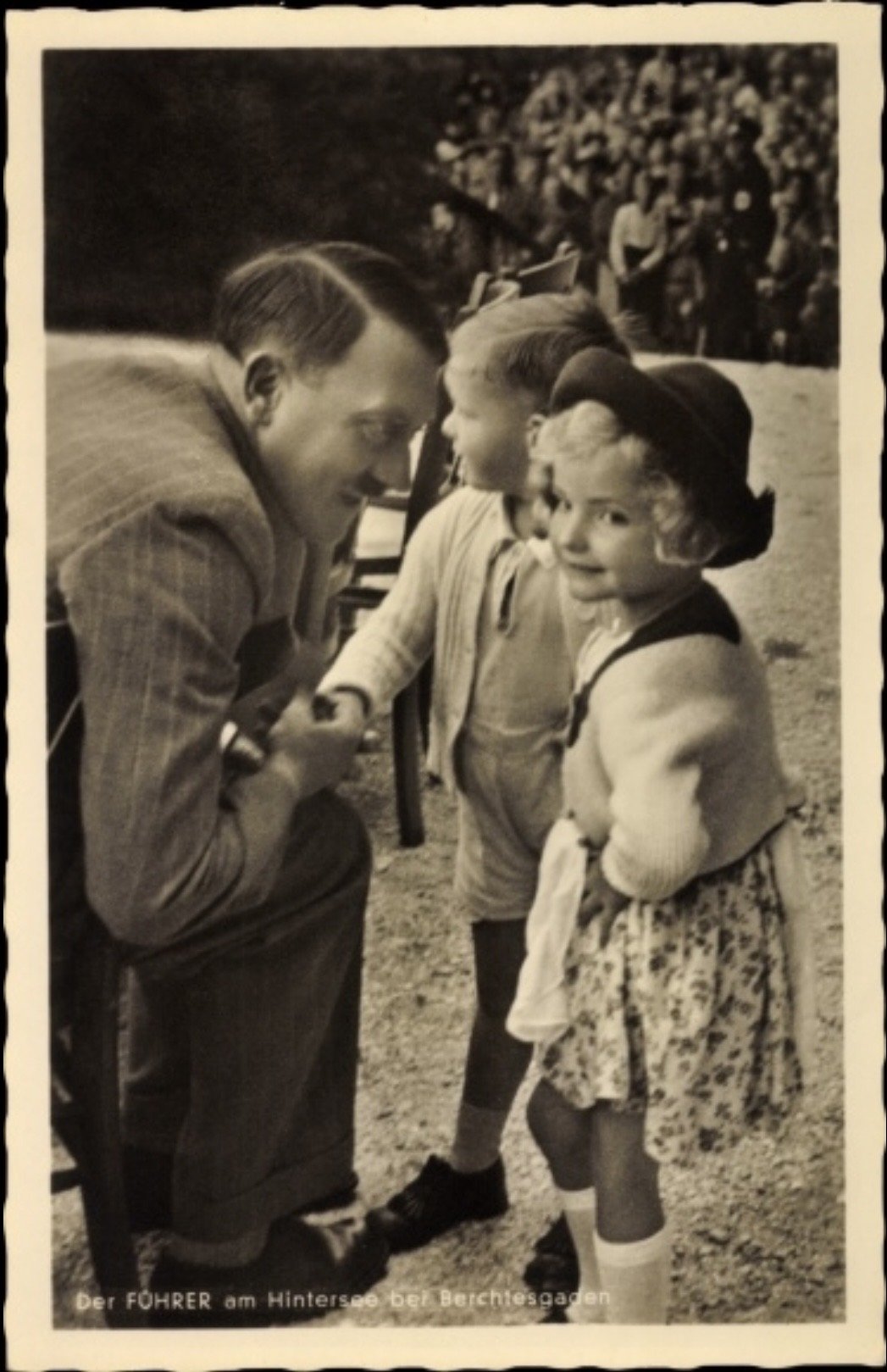
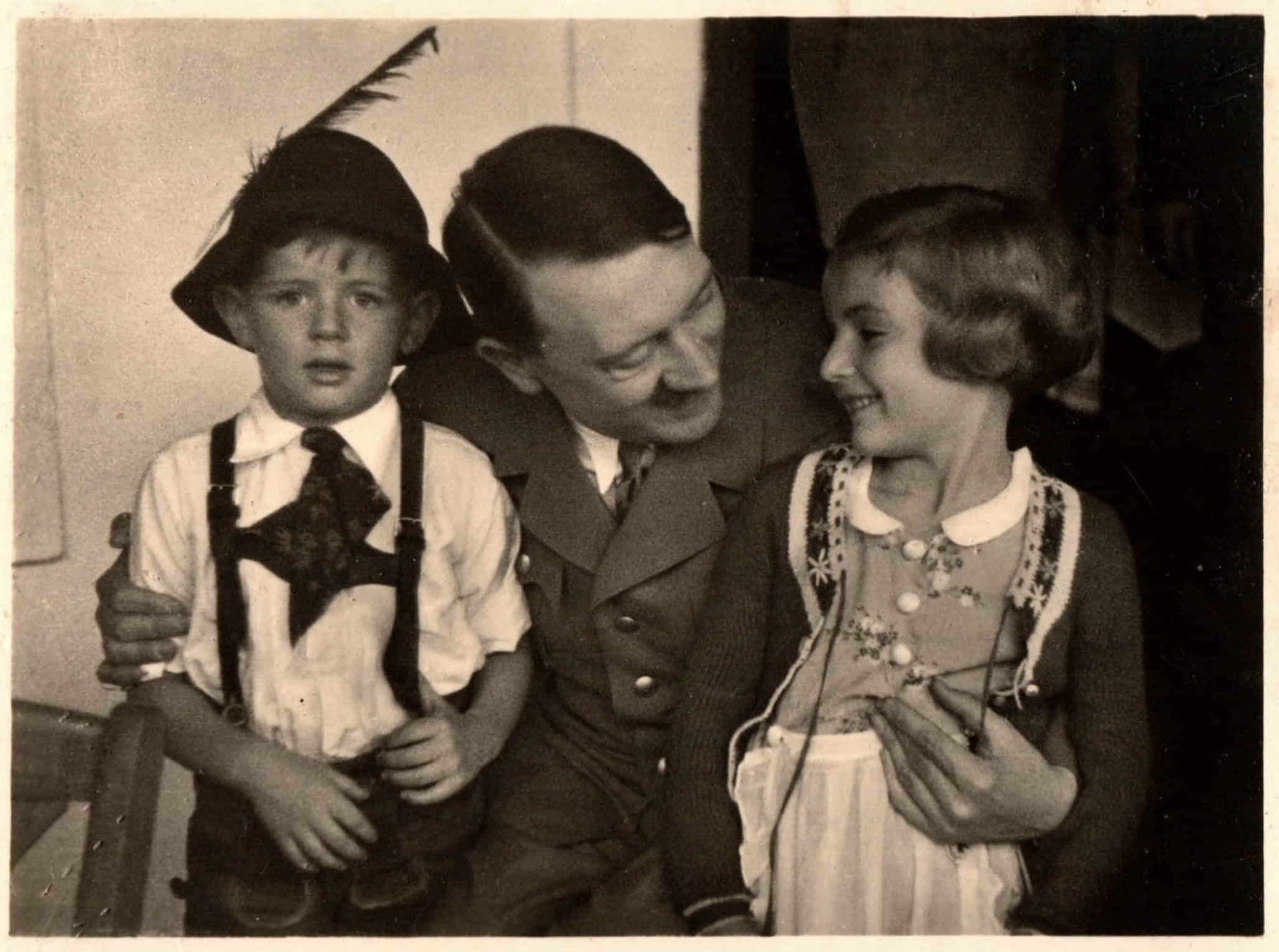
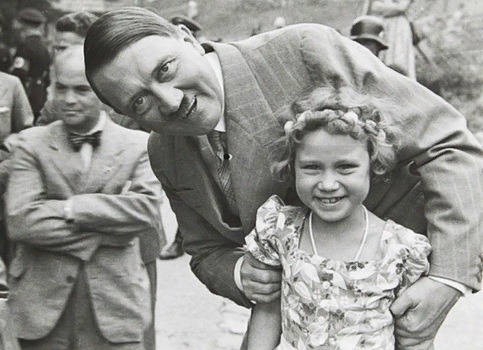
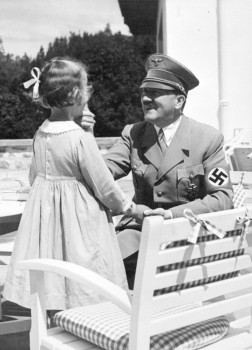
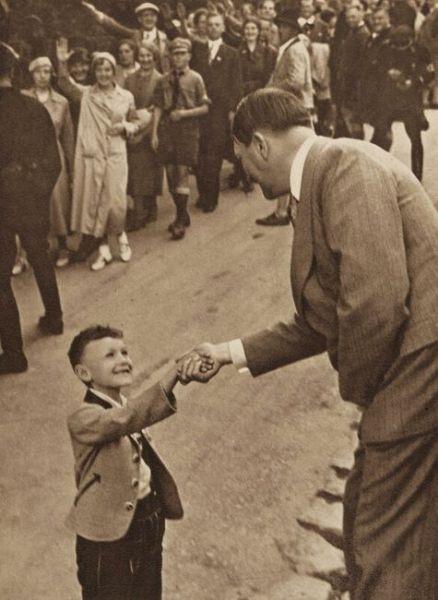
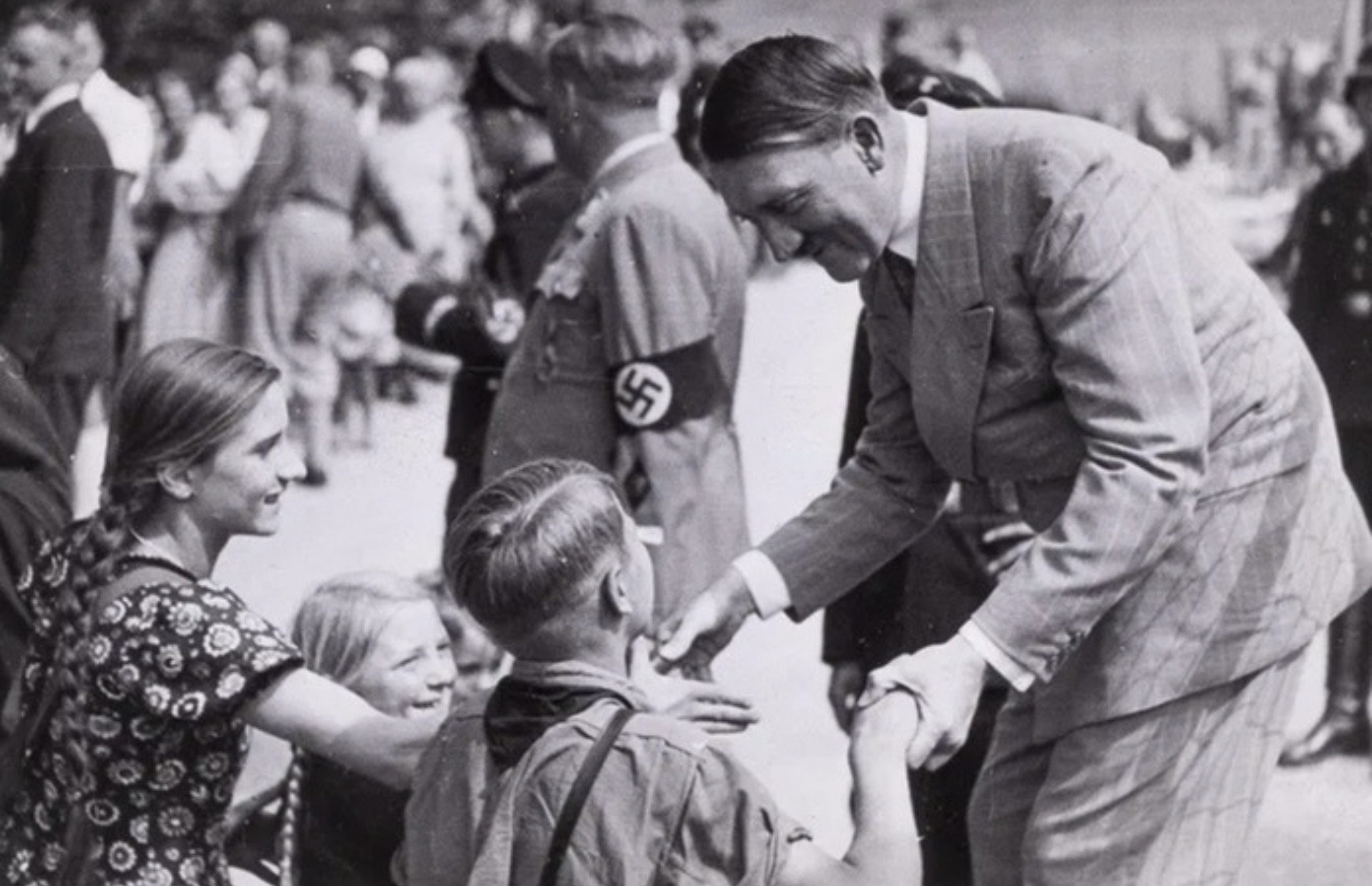
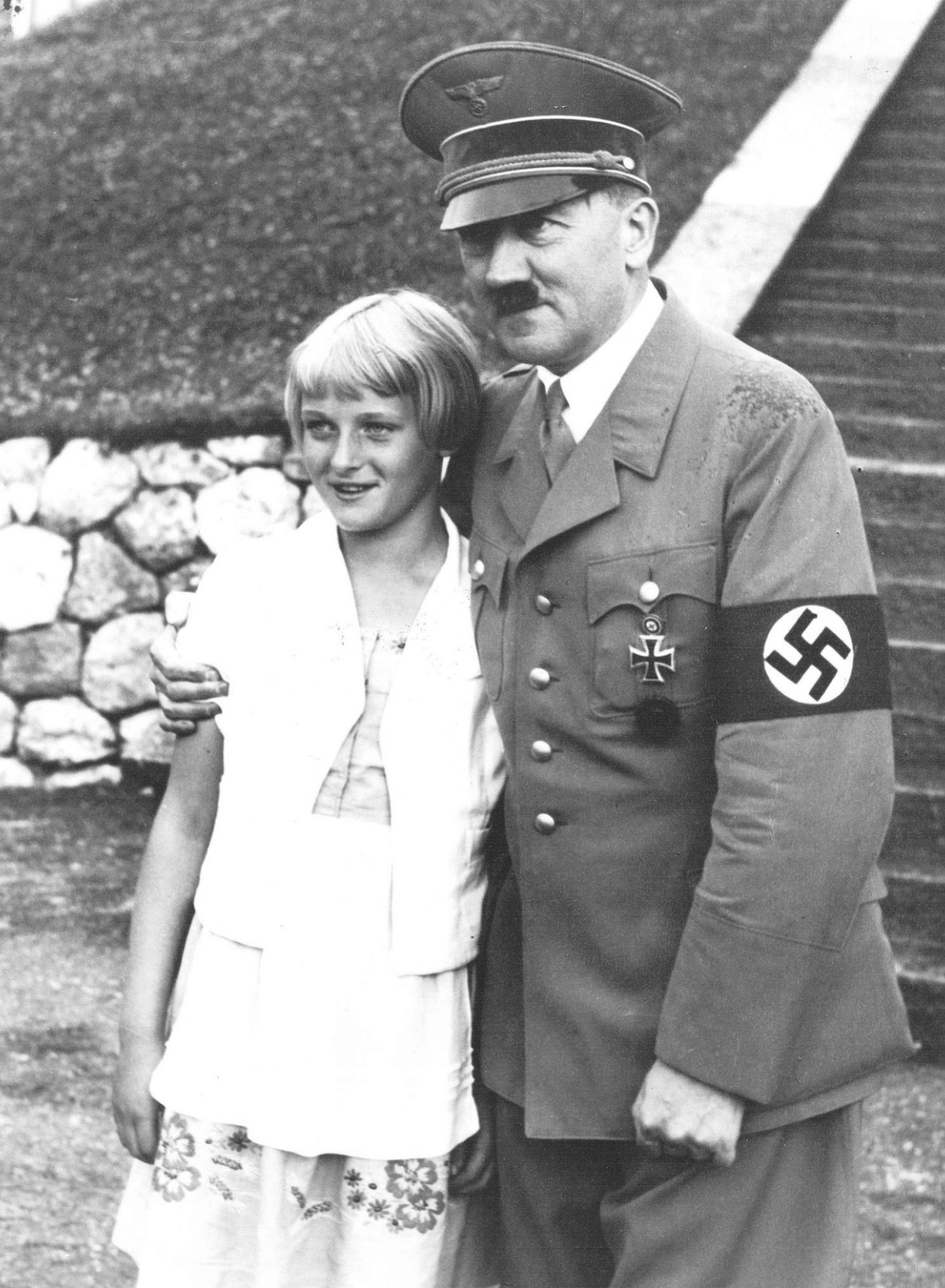
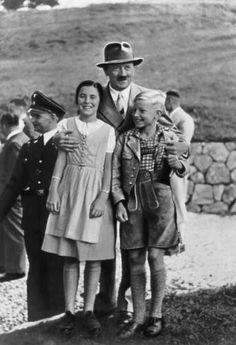
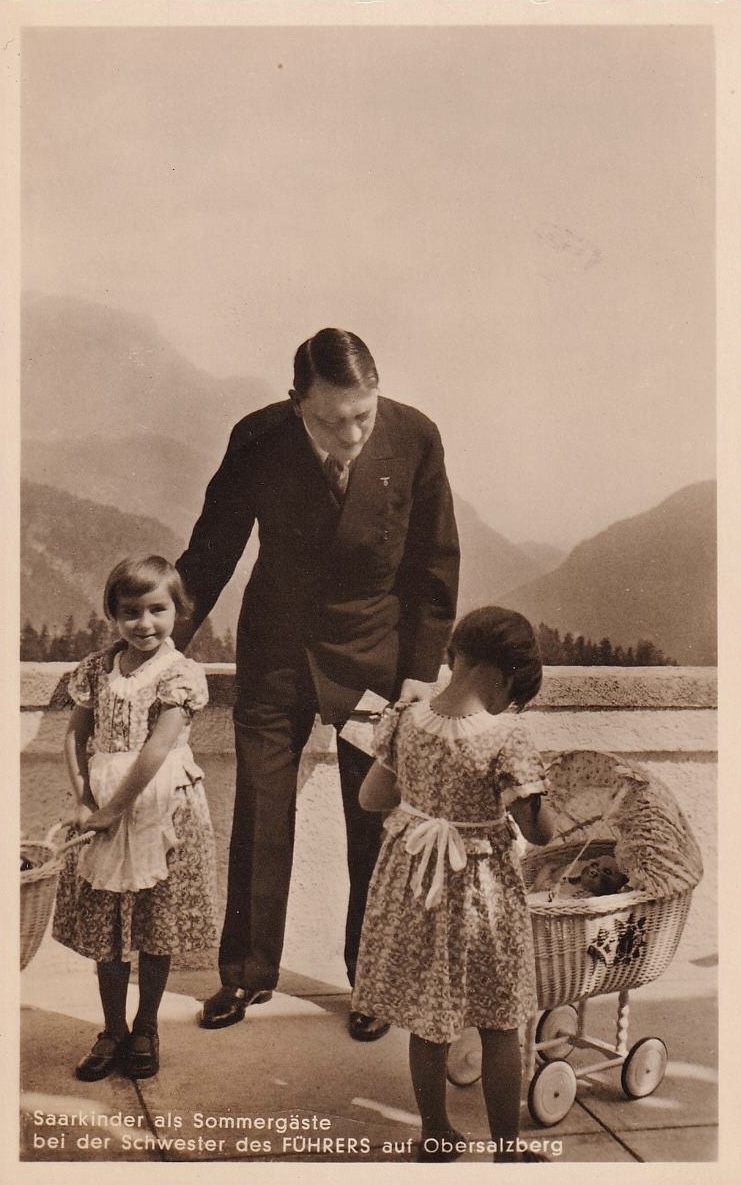
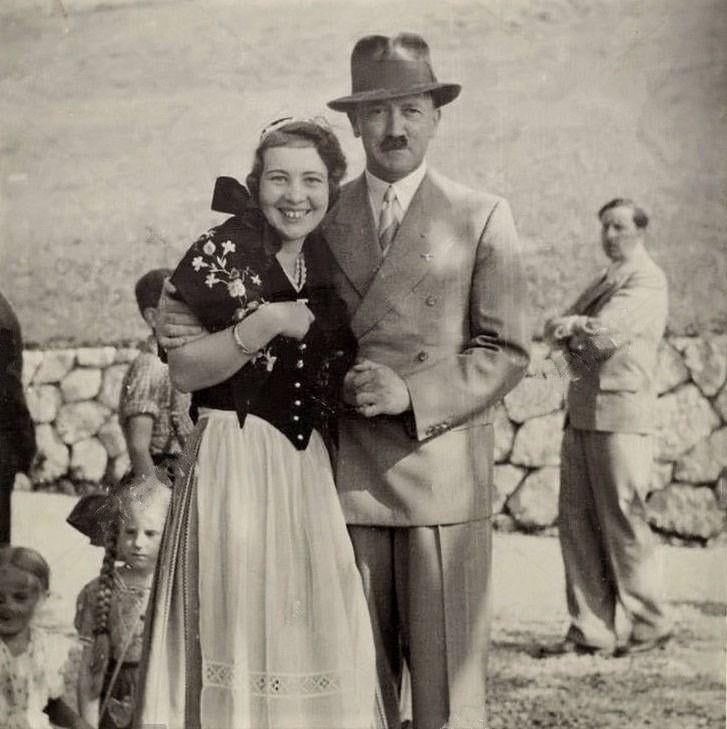
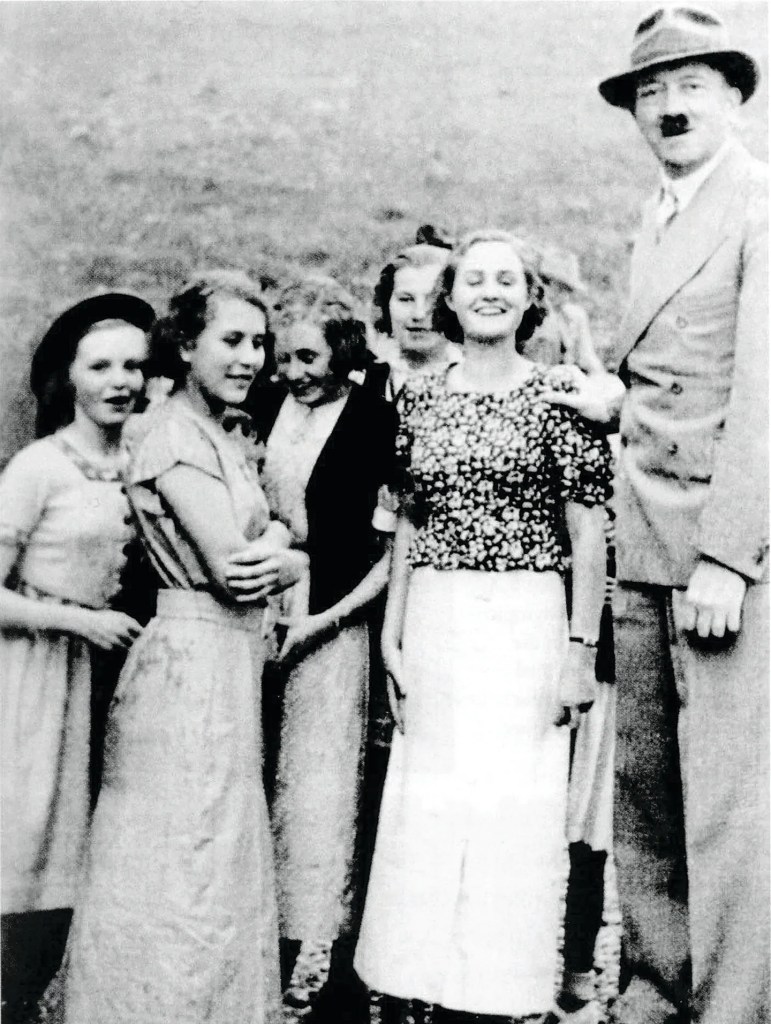
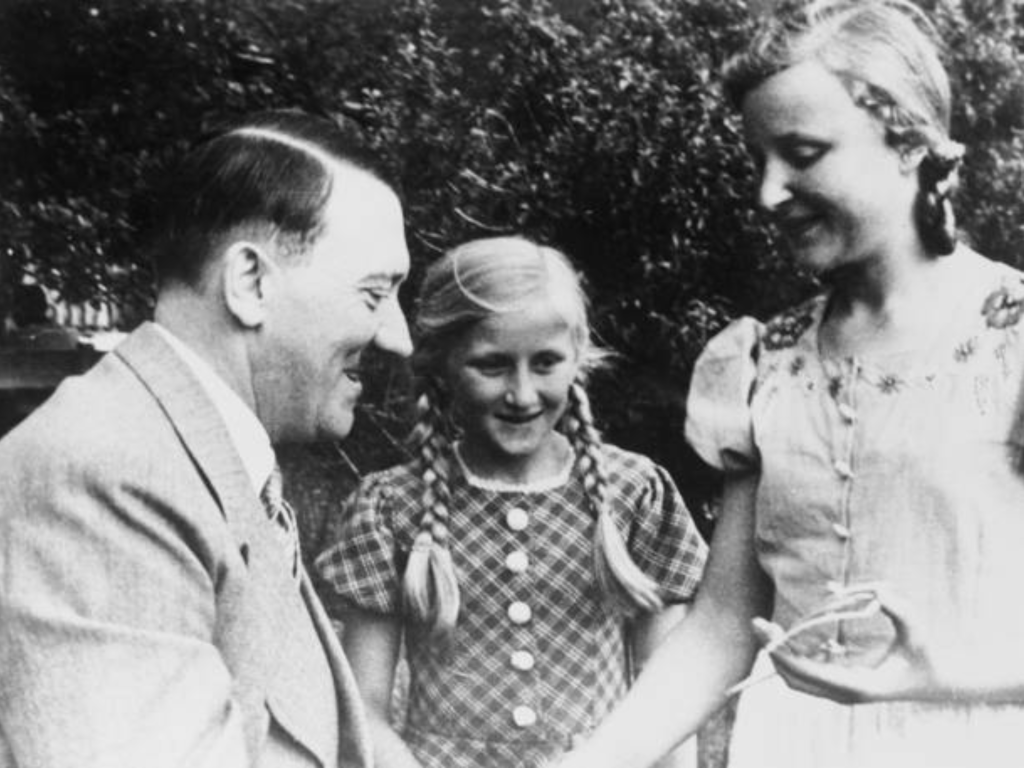
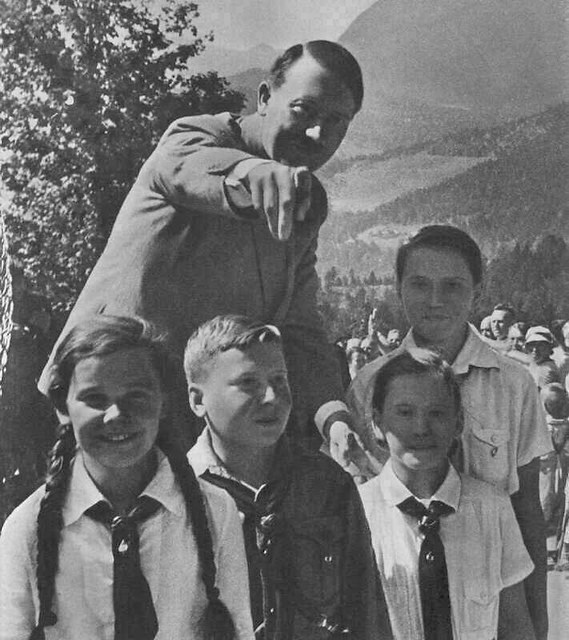
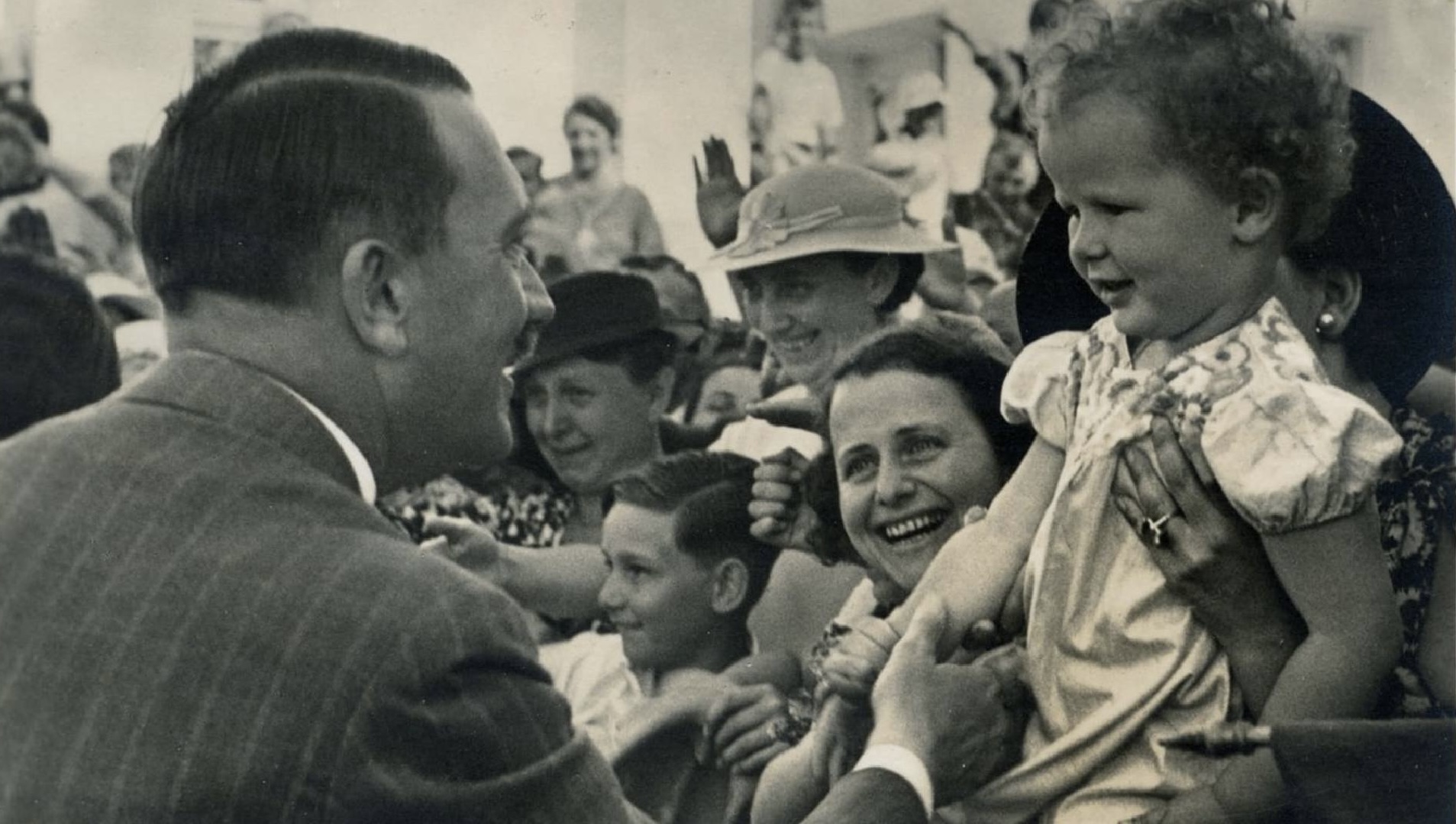
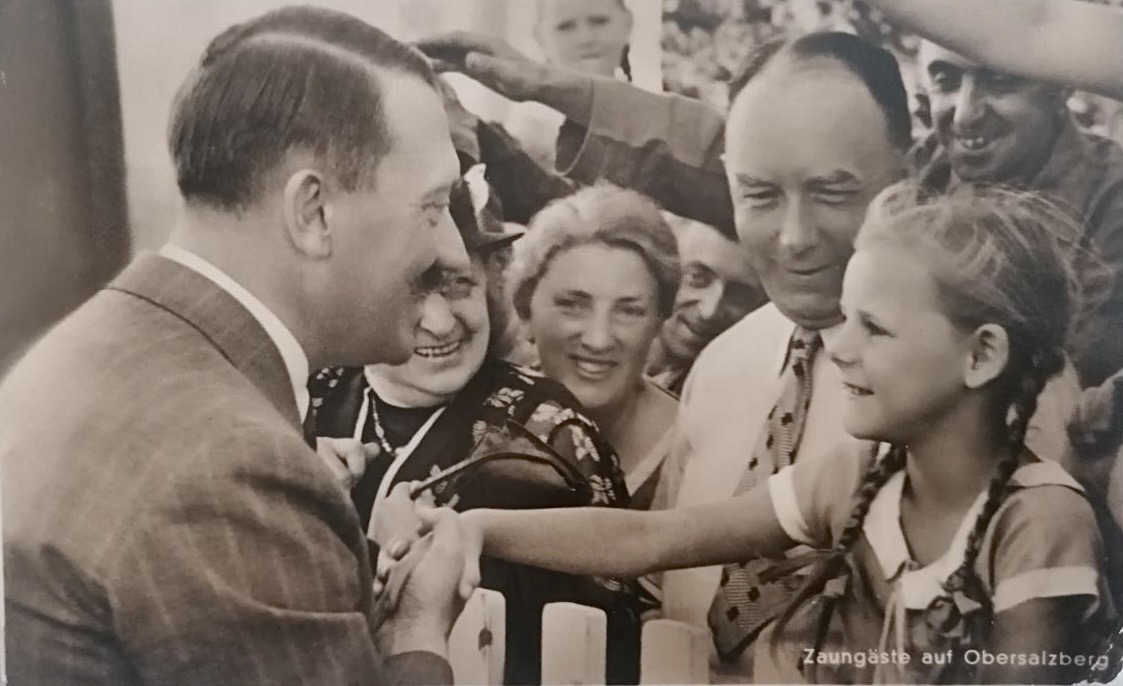
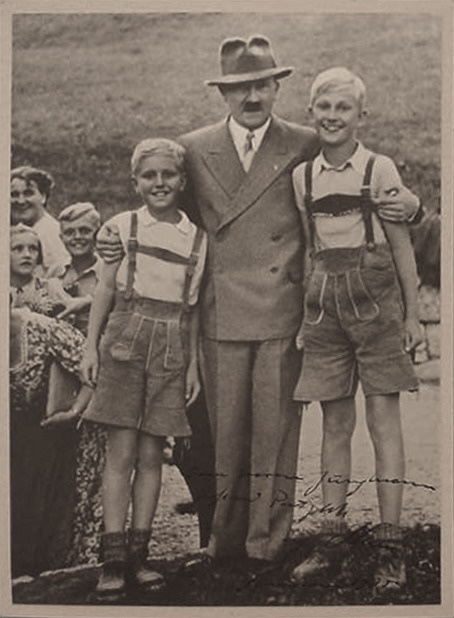
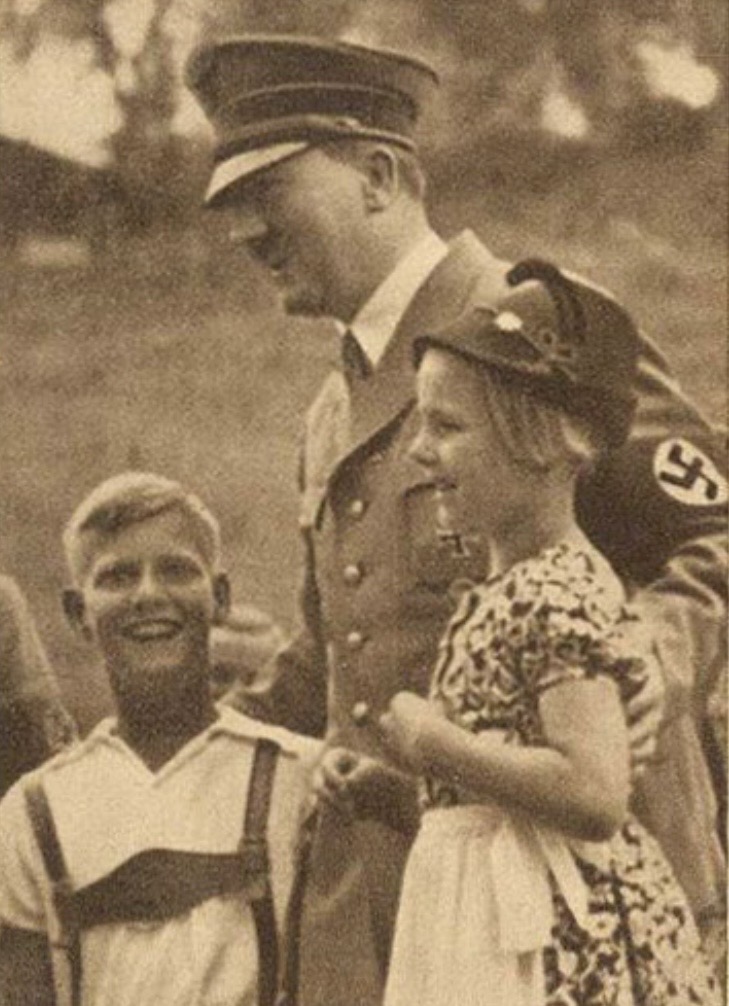
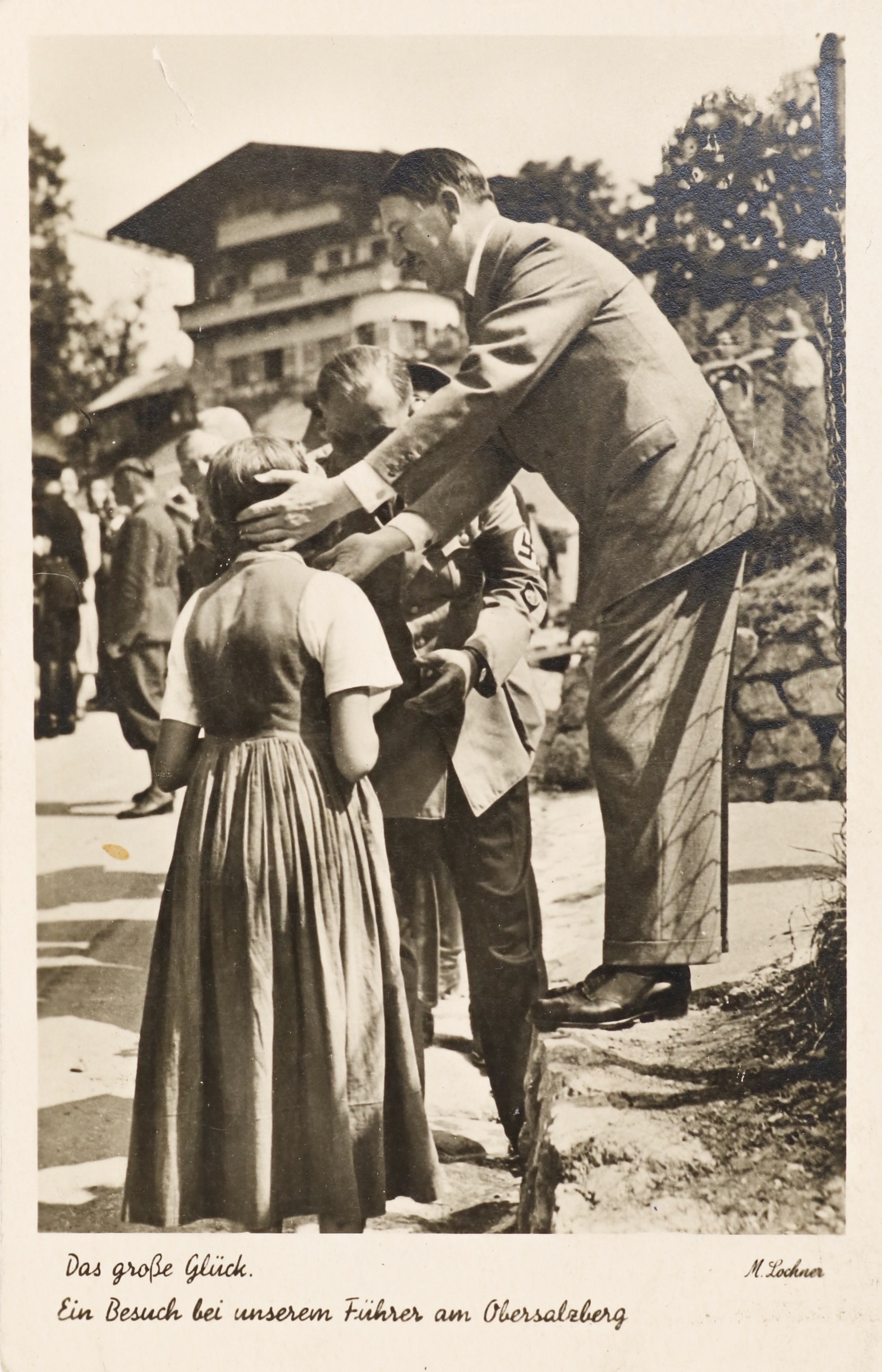
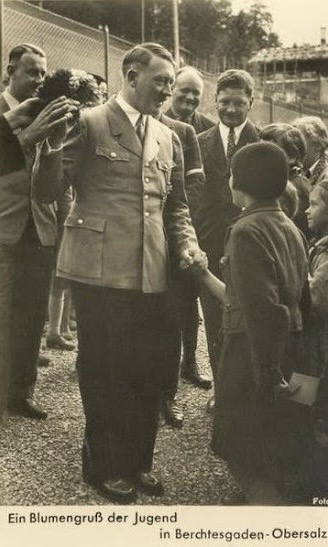
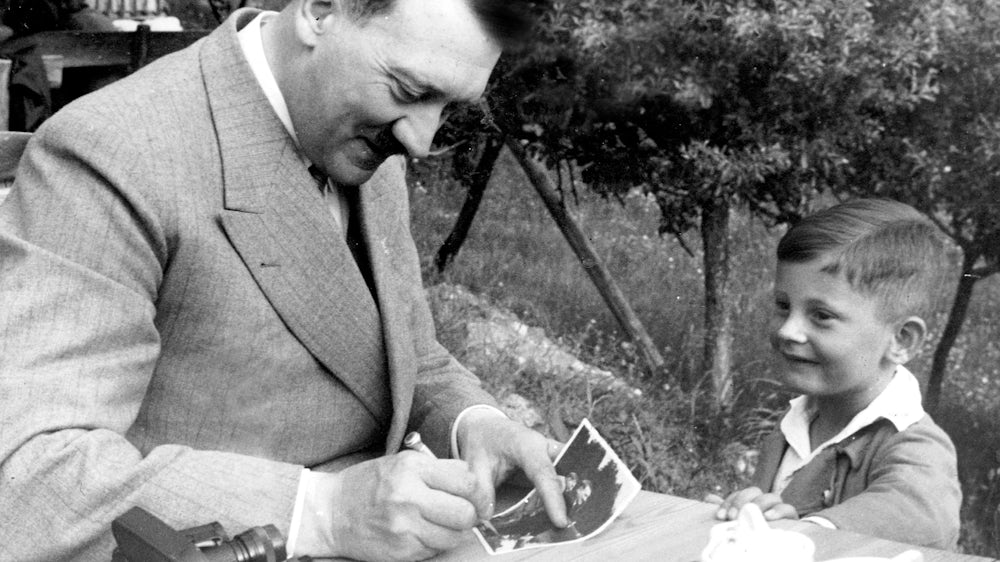
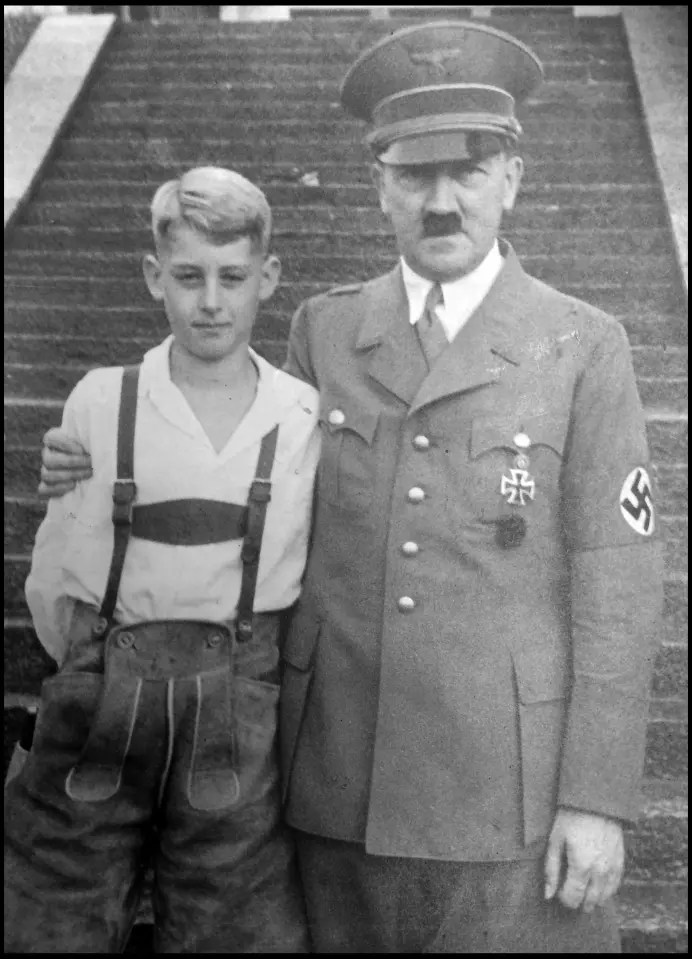
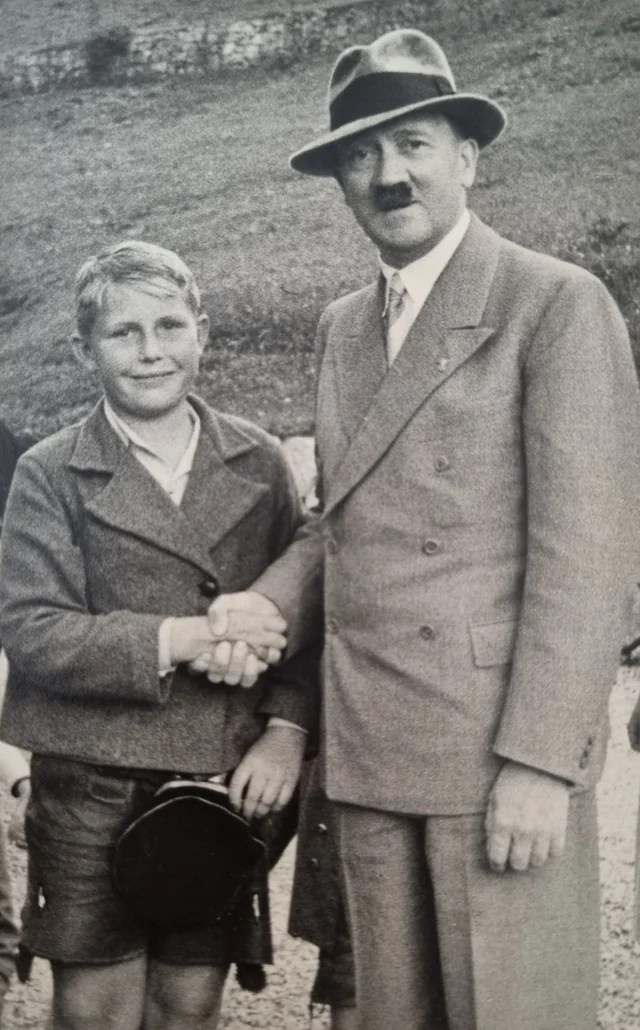
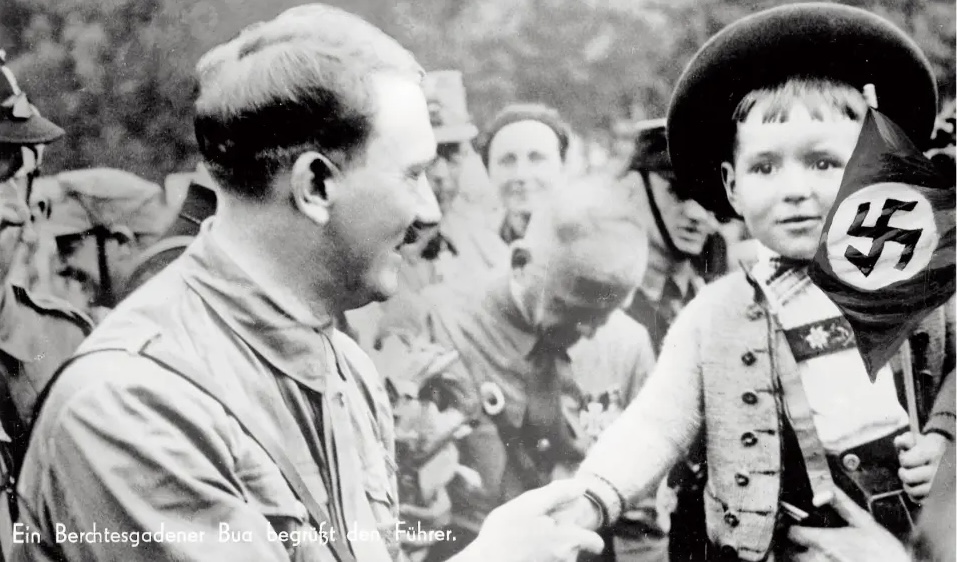
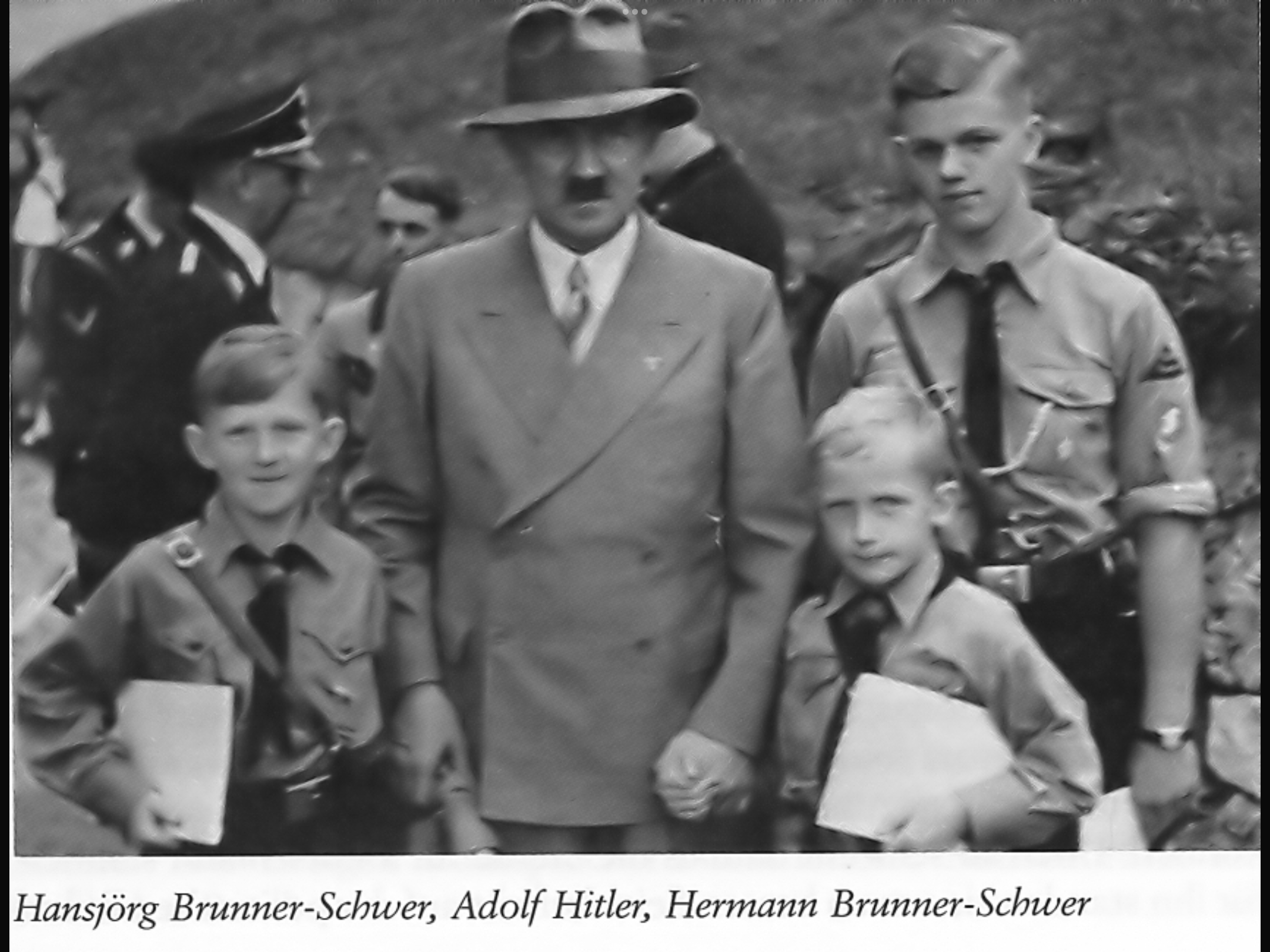
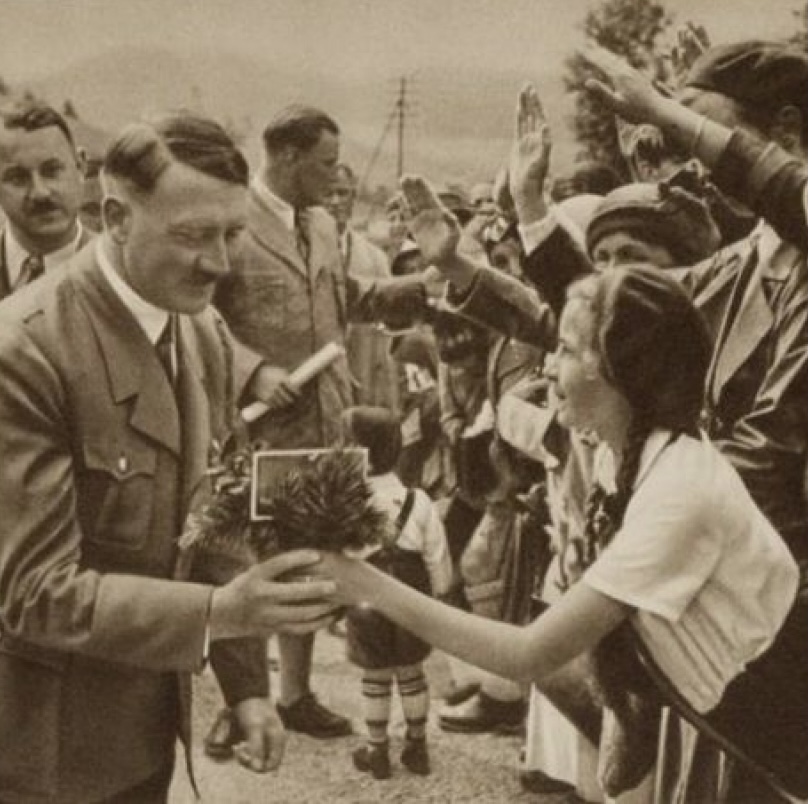
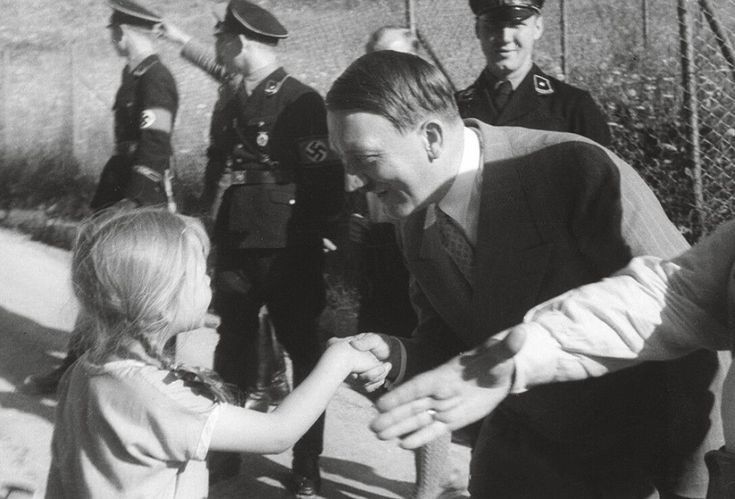
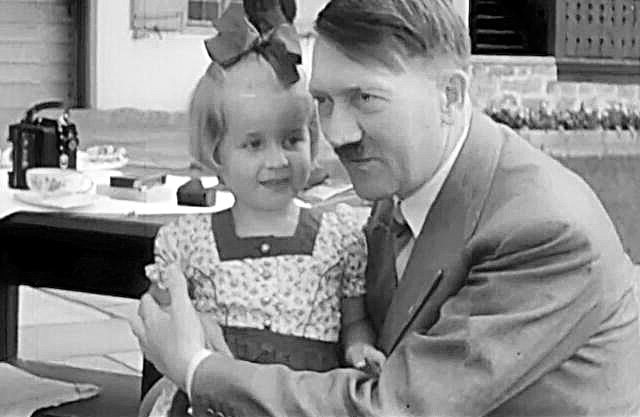
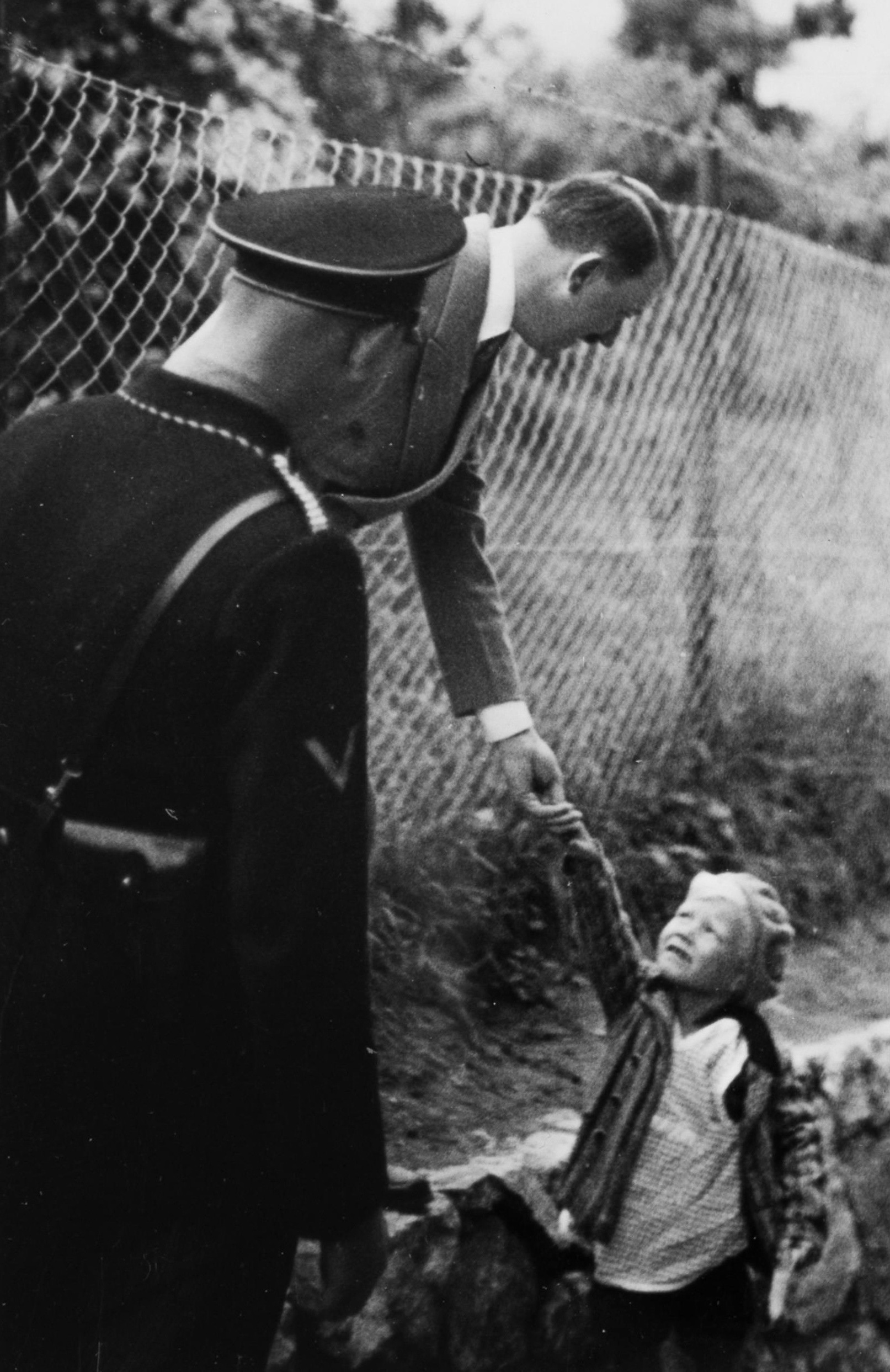
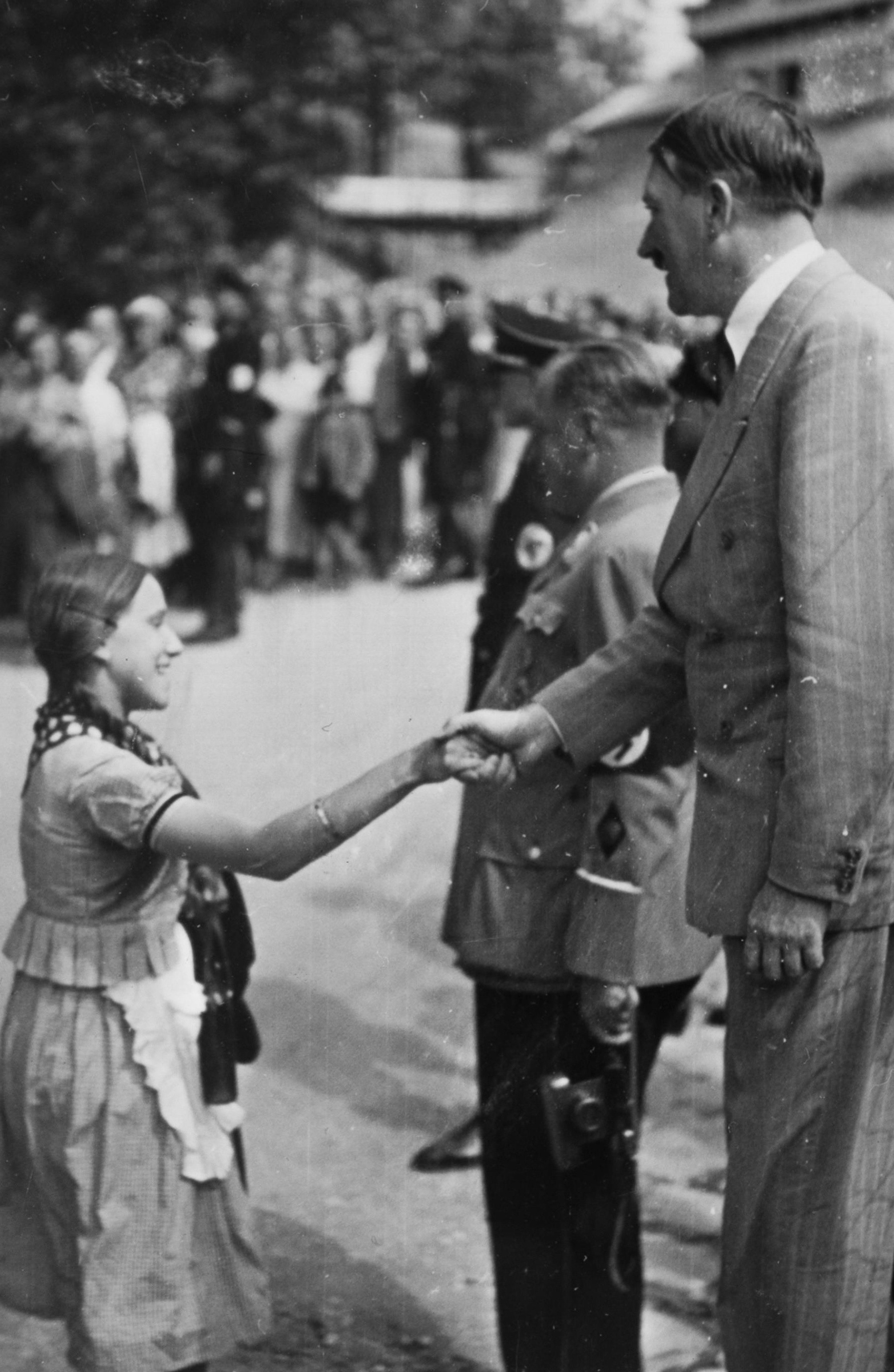
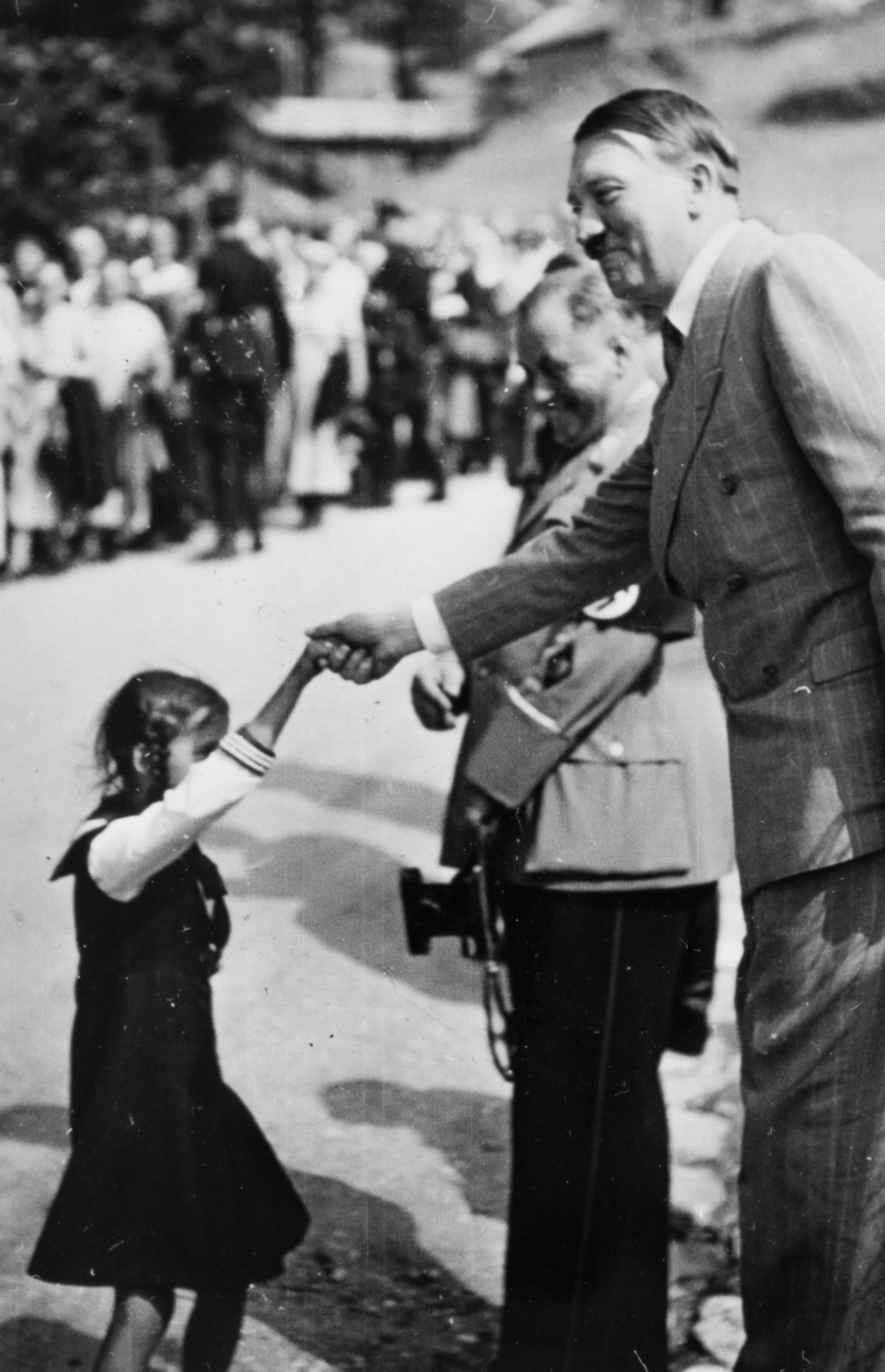
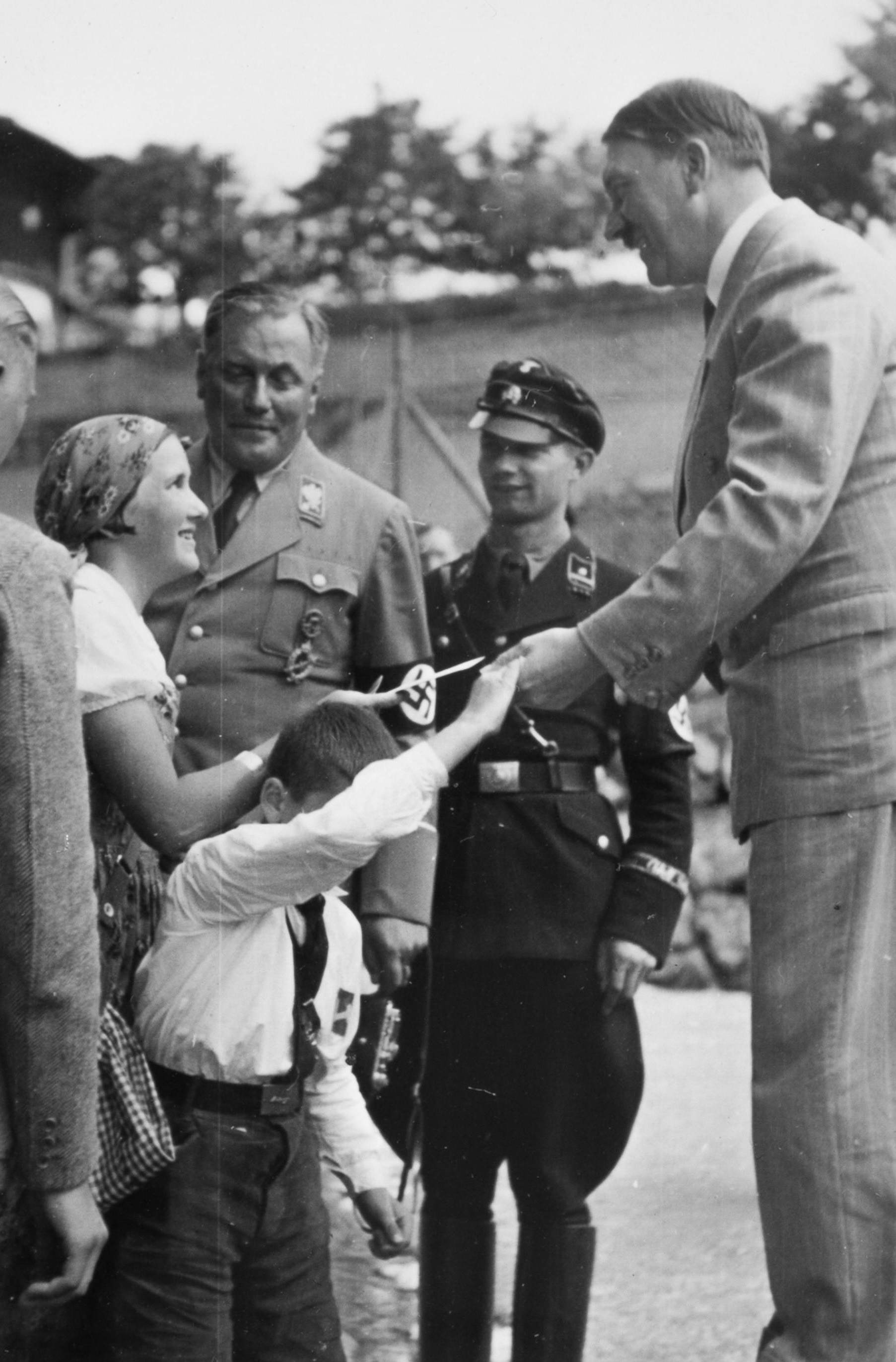
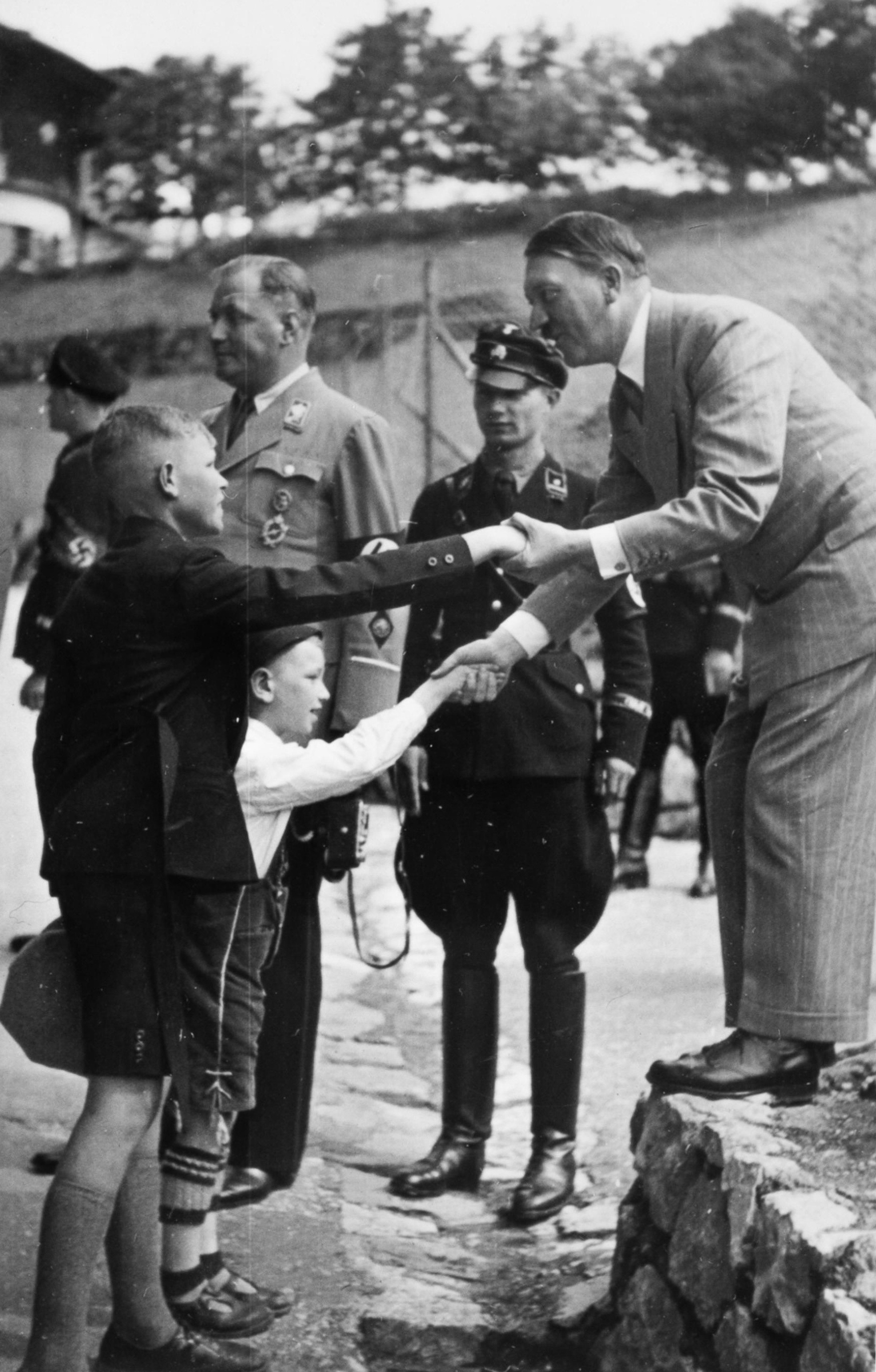
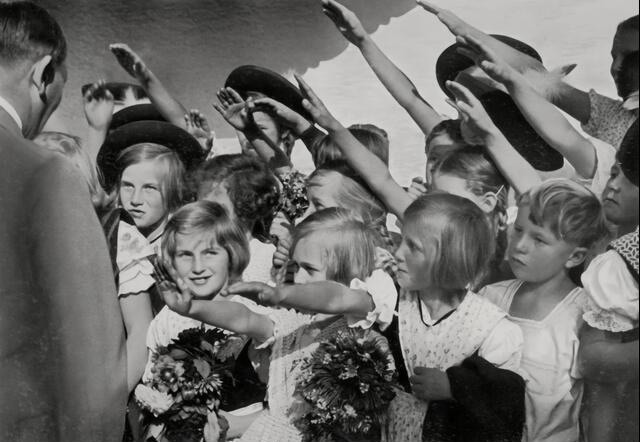
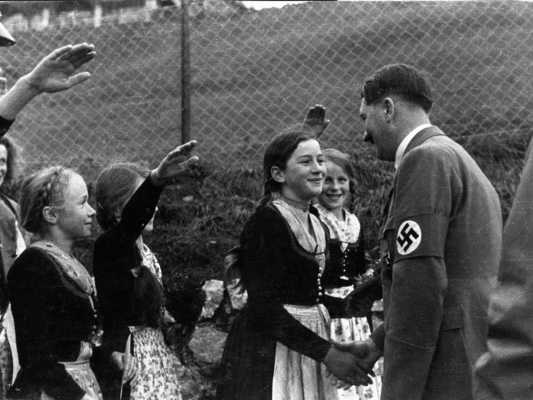
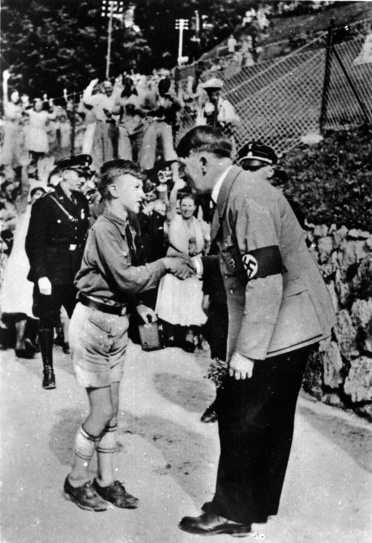
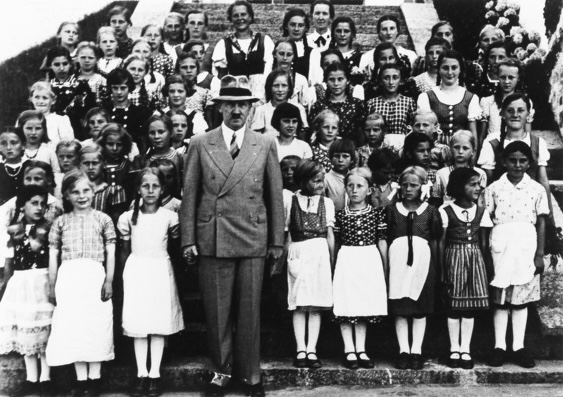
Hitler especially loved being photographed with children, and it seems that he had a genuine fondness for their company. The tradition of people visiting Hitler’s home began in 1933, soon after he became chancellor. Photos reveal Hitler to be a kind-hearted, child loving father figure, where Hitler is frequently shown hugging kids, giving autographs, and holding children’s hands.
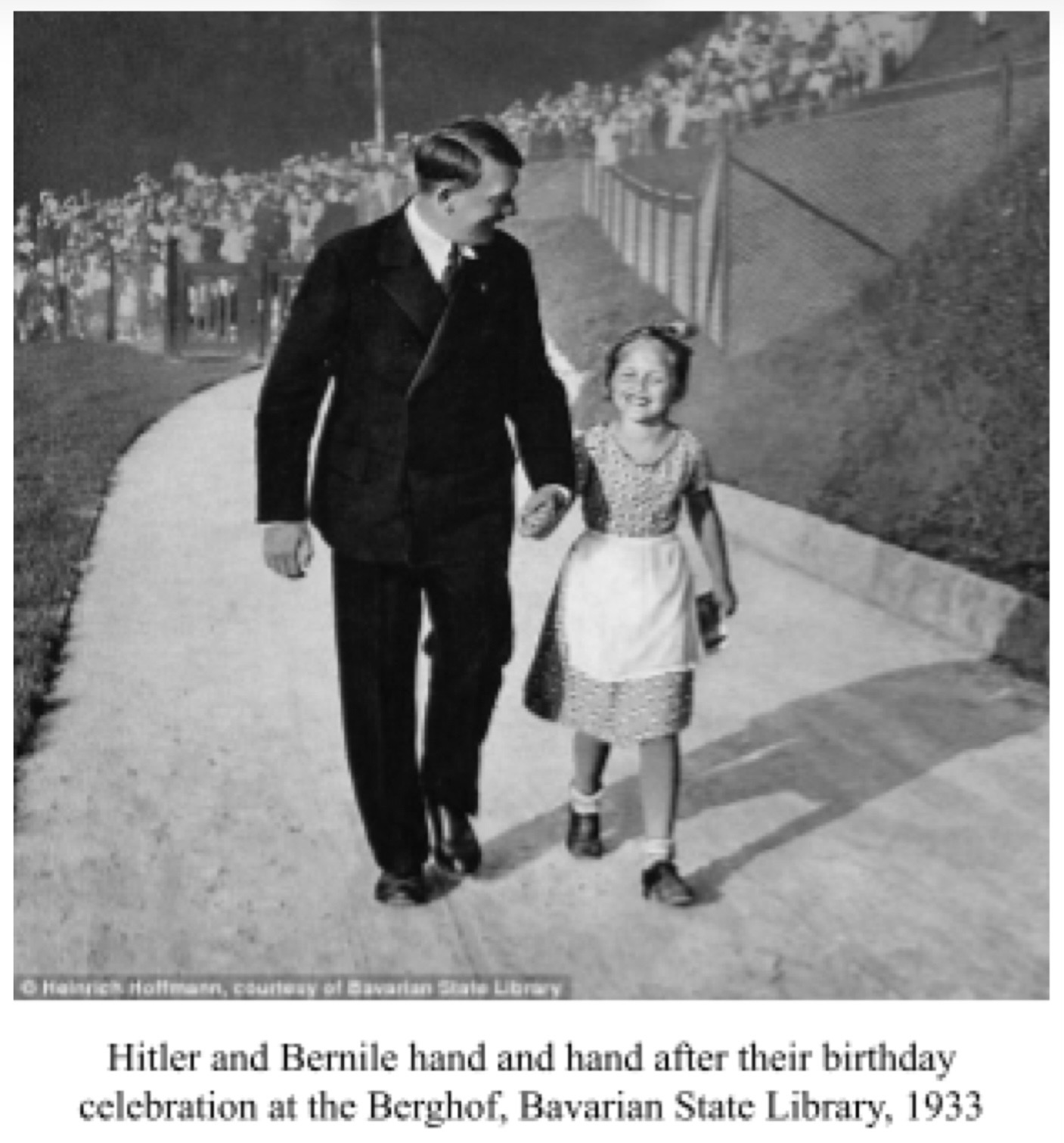
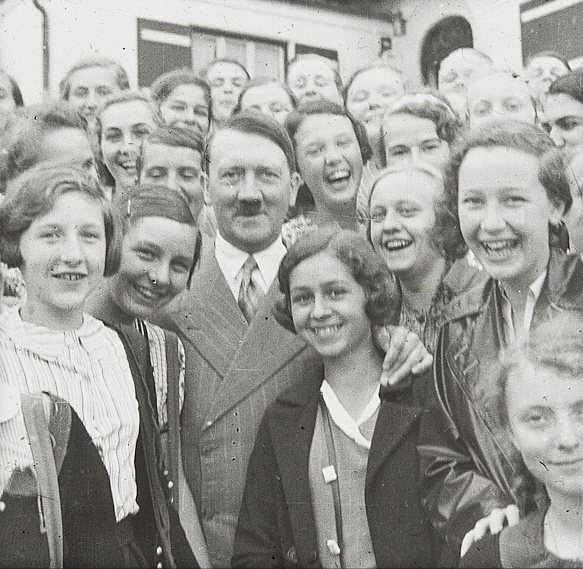
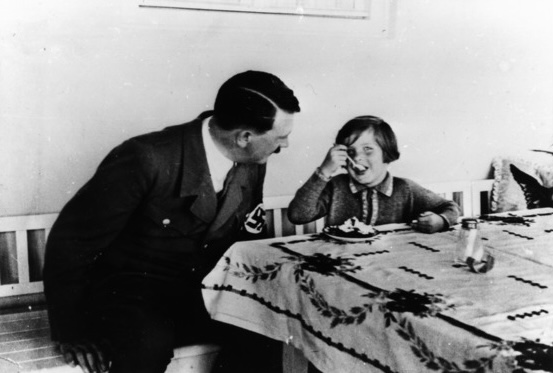
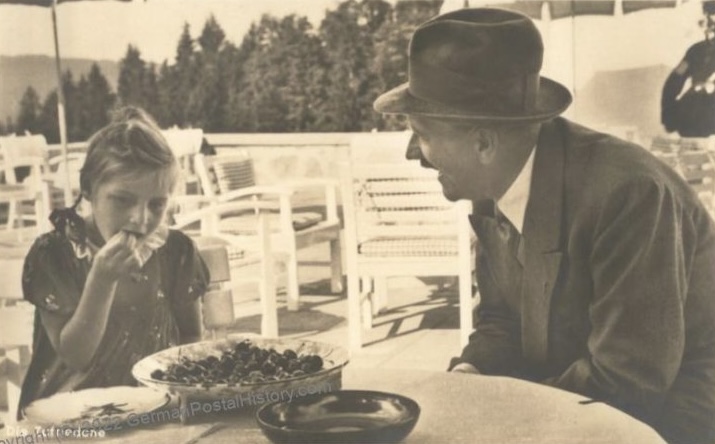
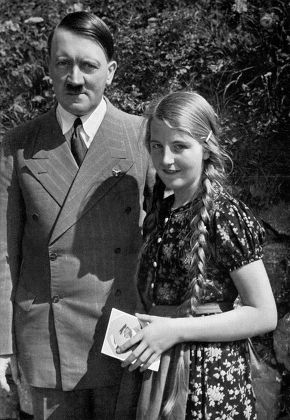
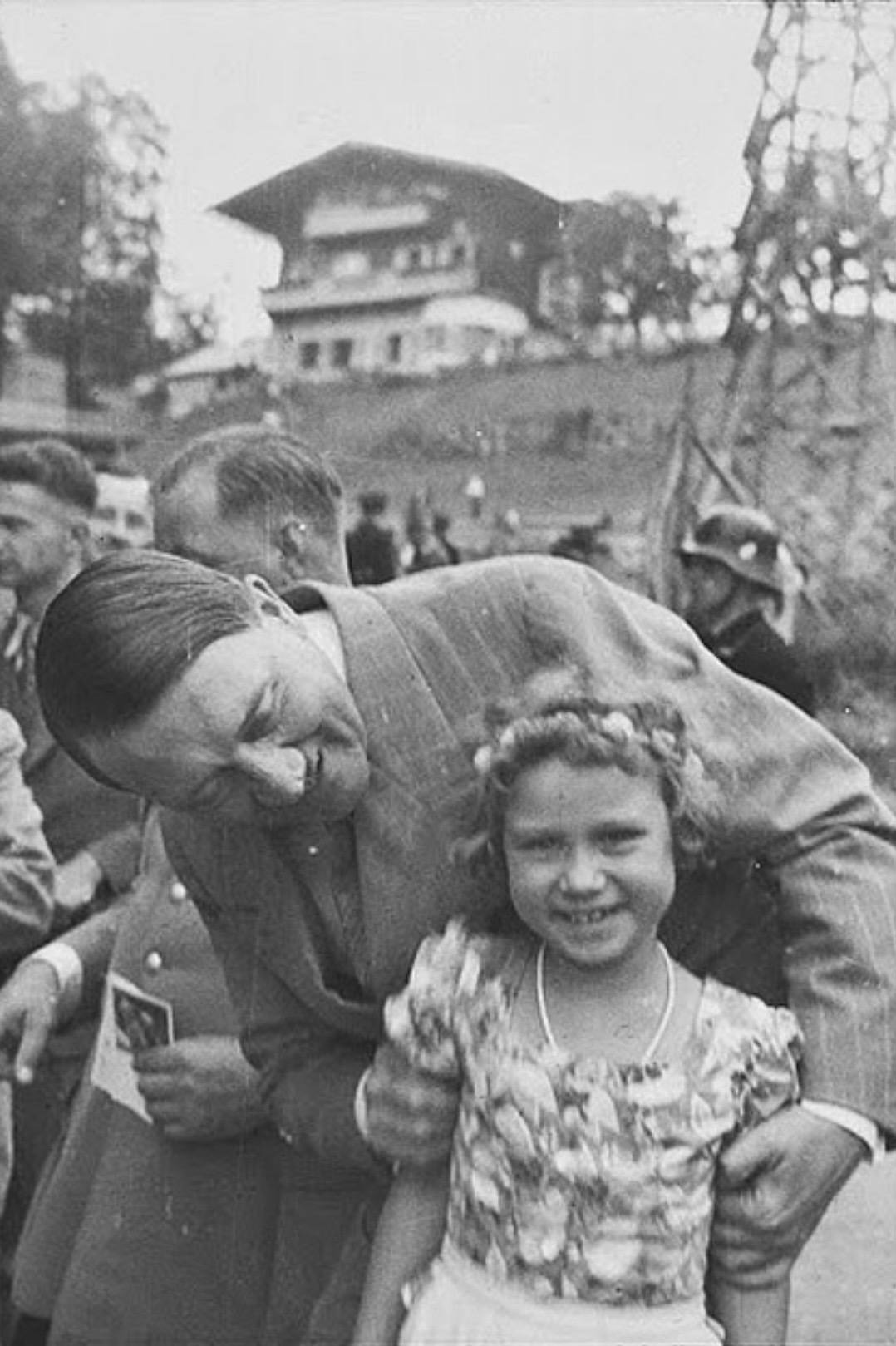
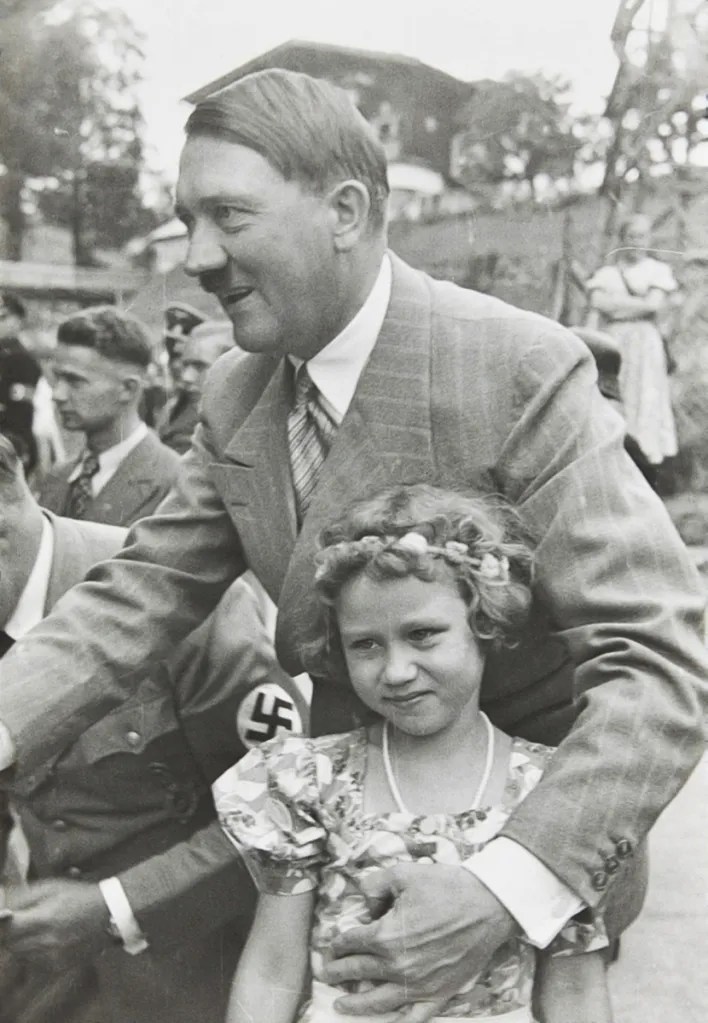
One of Hitler’s favorite guests was a beautiful young girl from Munich named Bernile. She first visited on her birthday on 20 April 1933, the same as Hitler’s, and was invited out of the crowd by Hitler to join him for a special birthday treat of strawberries and whipped cream. She became known as “the Führer’s child” because of her close friendship with Adolf Hitler that lasted from 1933 to 1938. She visited him a total of 17 times over these years.
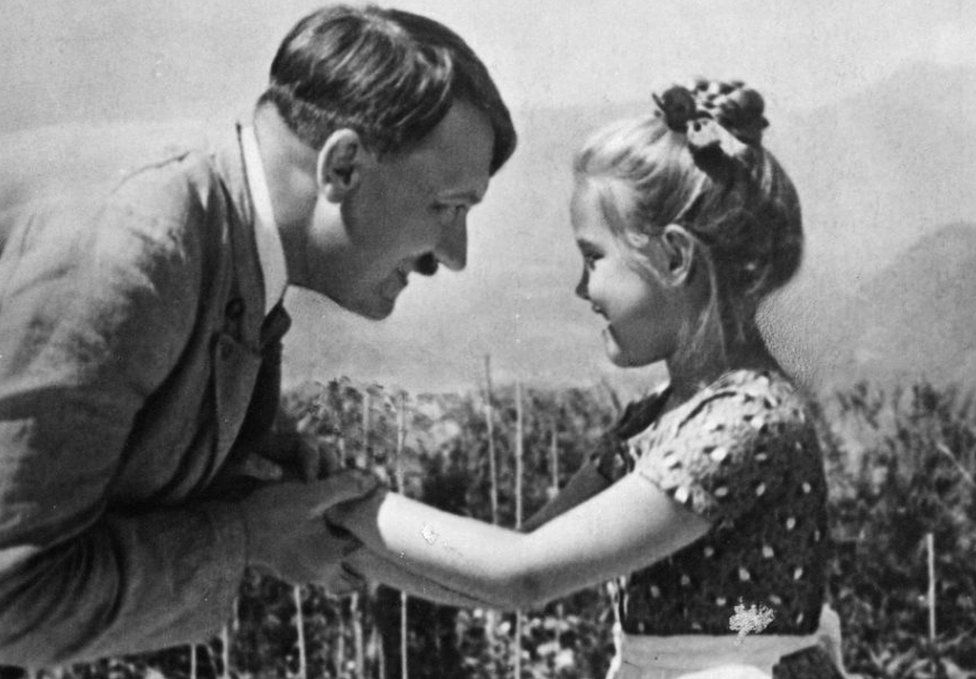
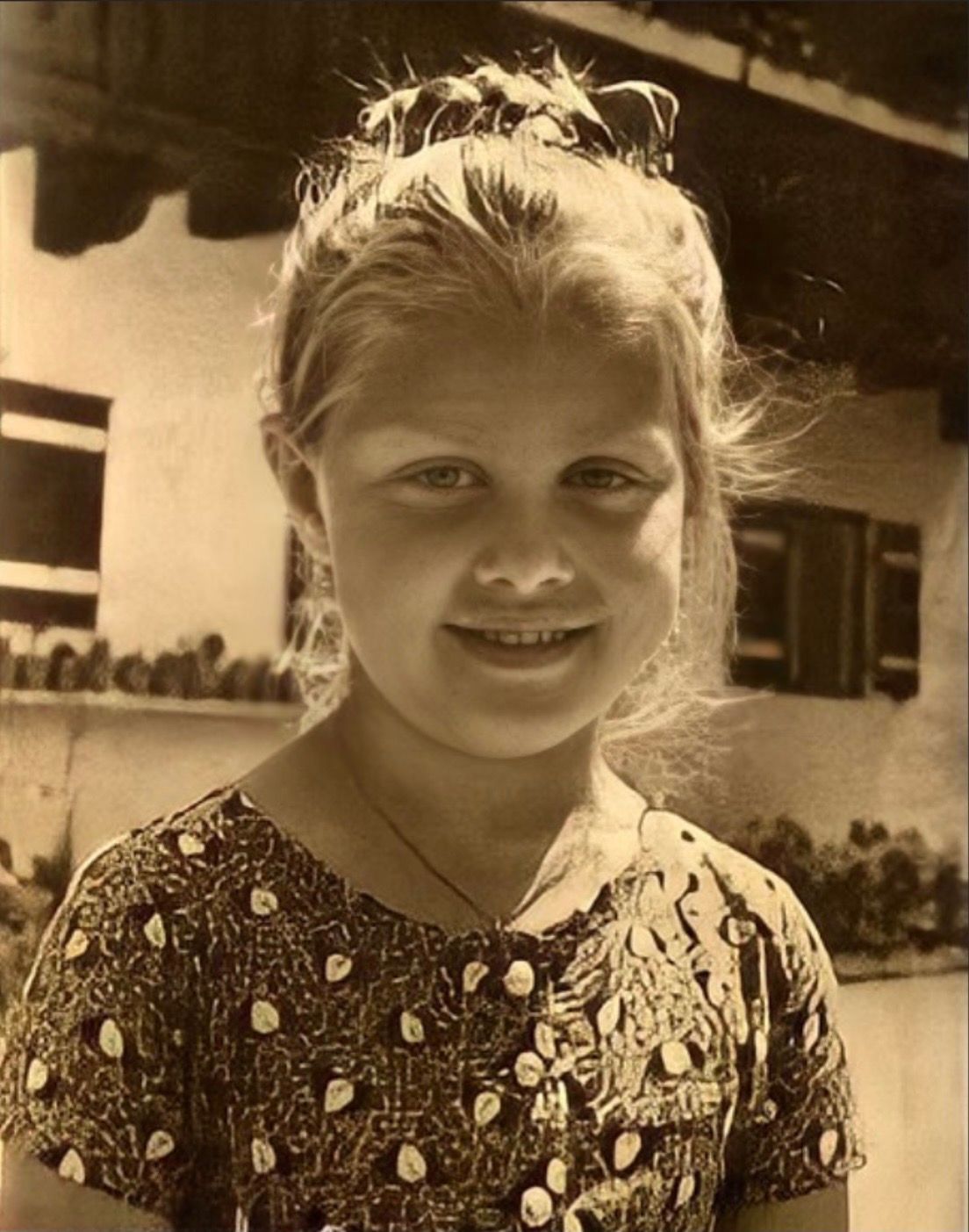
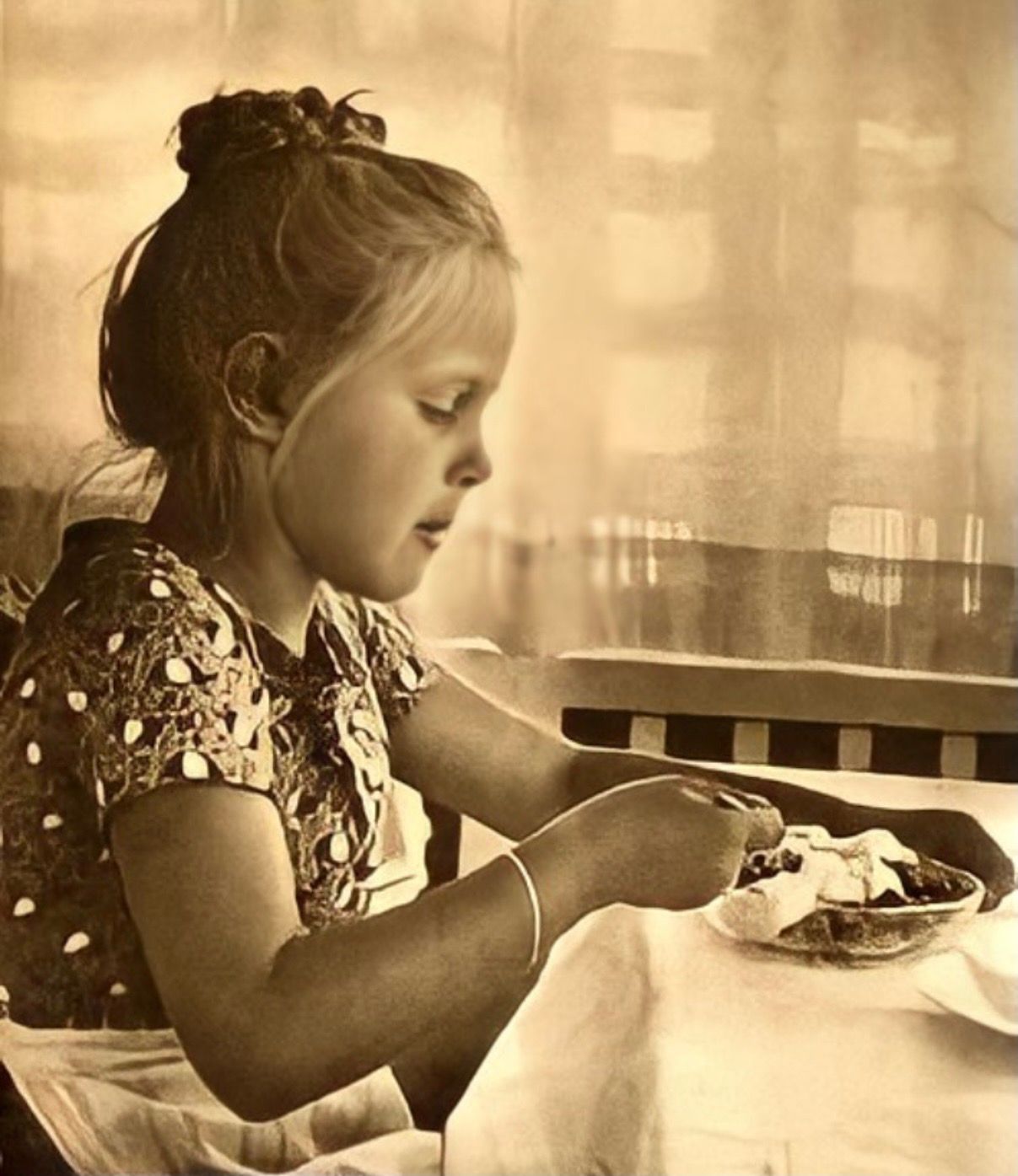
When a later investigation by Hitler’s staff revealed that Bernile’s maternal grandmother was Jewish, Martin Bormann forbid her and her family to ever visit Hitler again. The fact that Bernile’s grandmother and mother were Jewish was already known to Hitler in 1933. These photographs were published even after Hitler became aware of her ancestry. Hitler learned about Bormann’s ban in May 1938 when Heinrich Hoffmann complained to him that Bormann had also forbidden him to continue publishing any photos showing the Führer with a Jewish child. In his book “Hitler Was My Friend”, Hoffmann writes that Hitler remarked about Bormann: “There are people who have a true talent to spoil my every joy.”
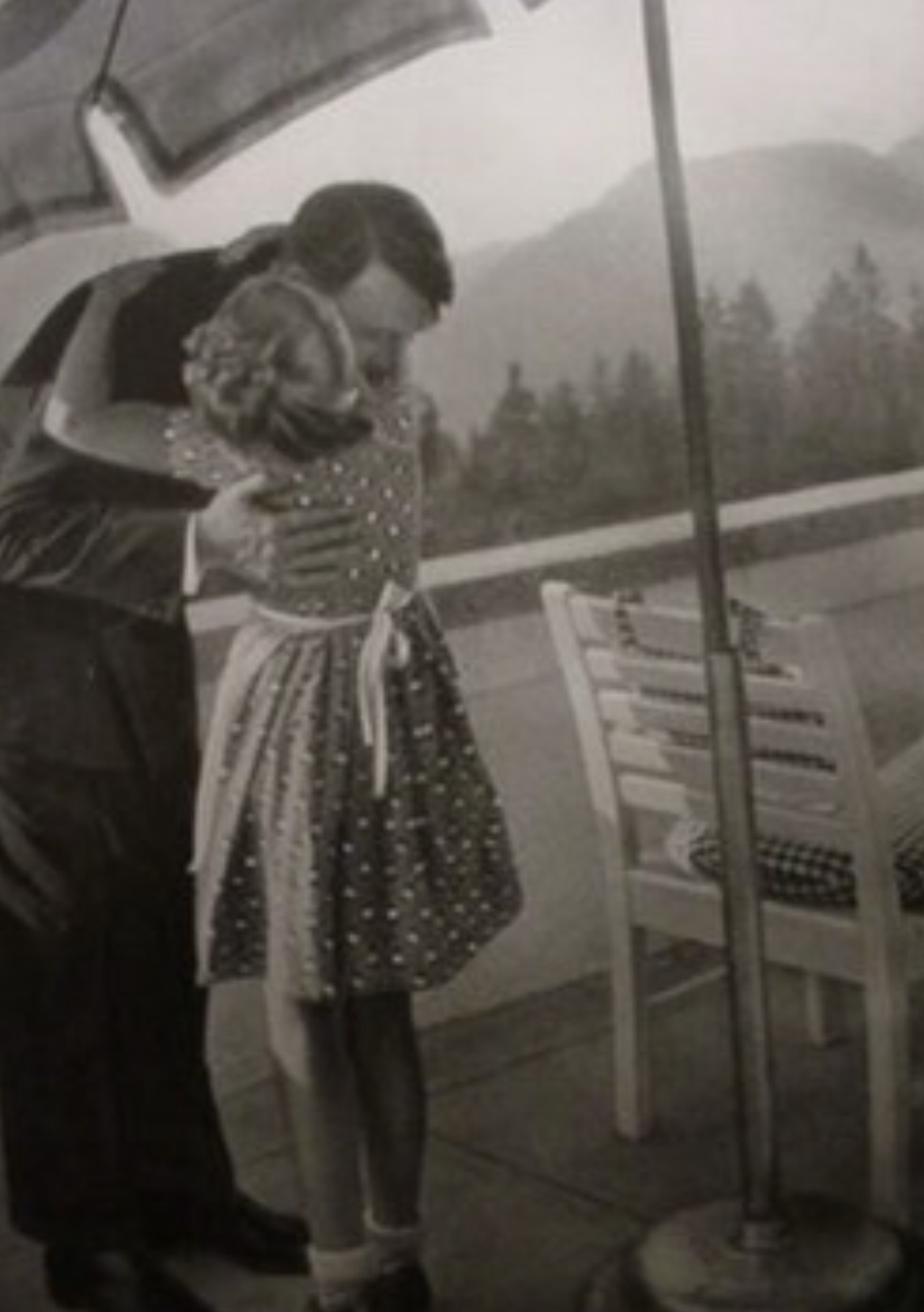
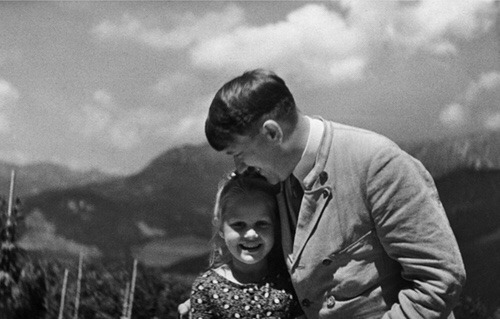
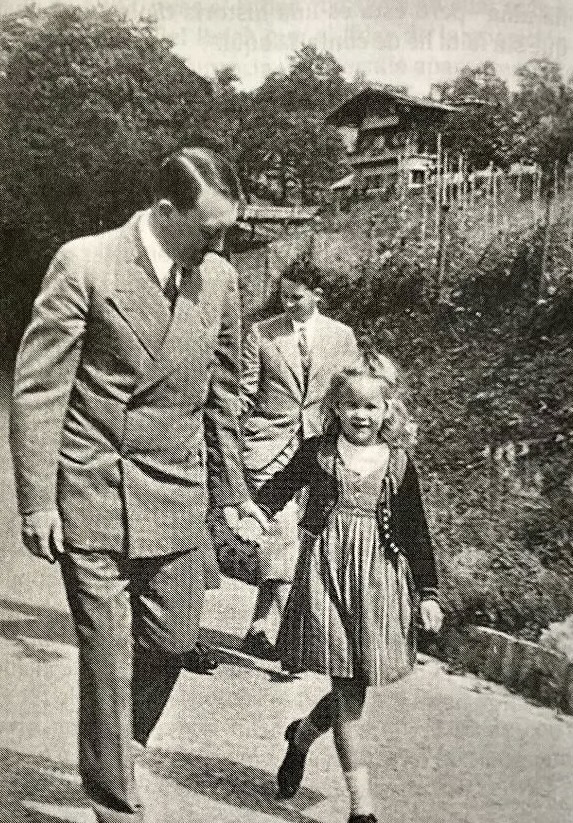
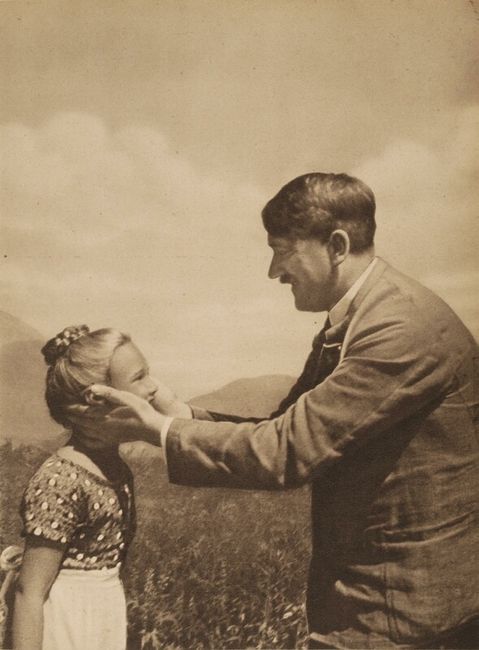
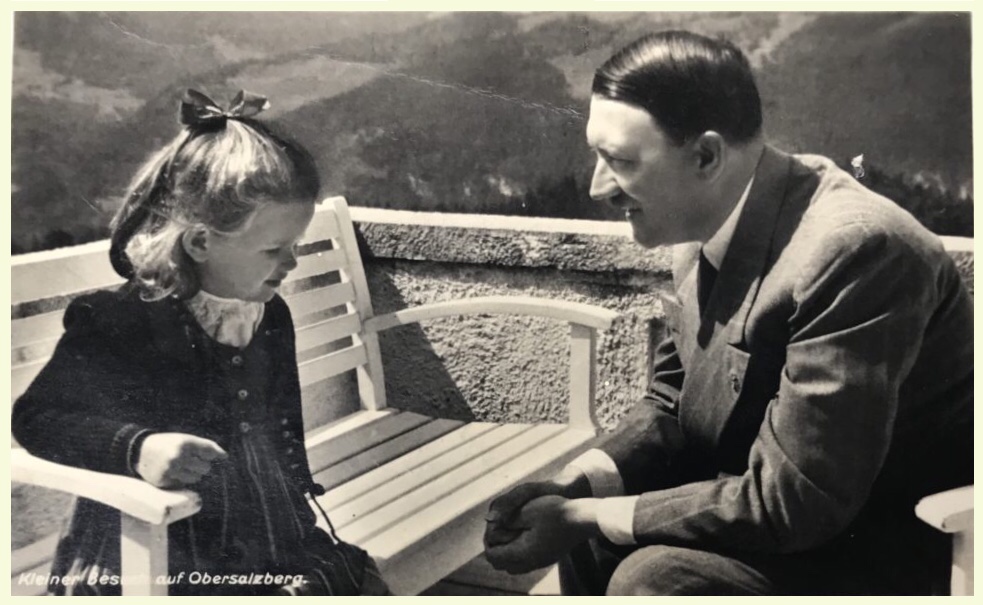
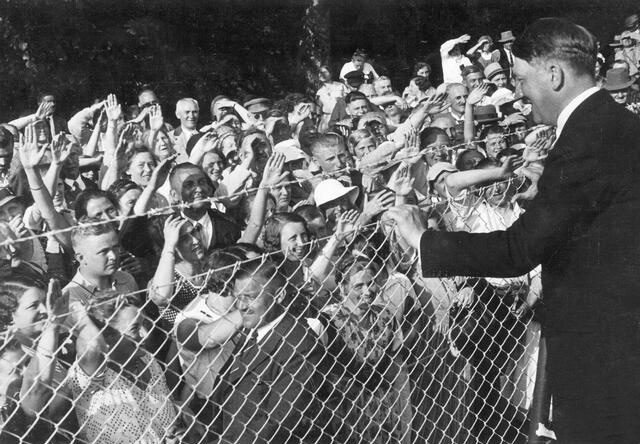
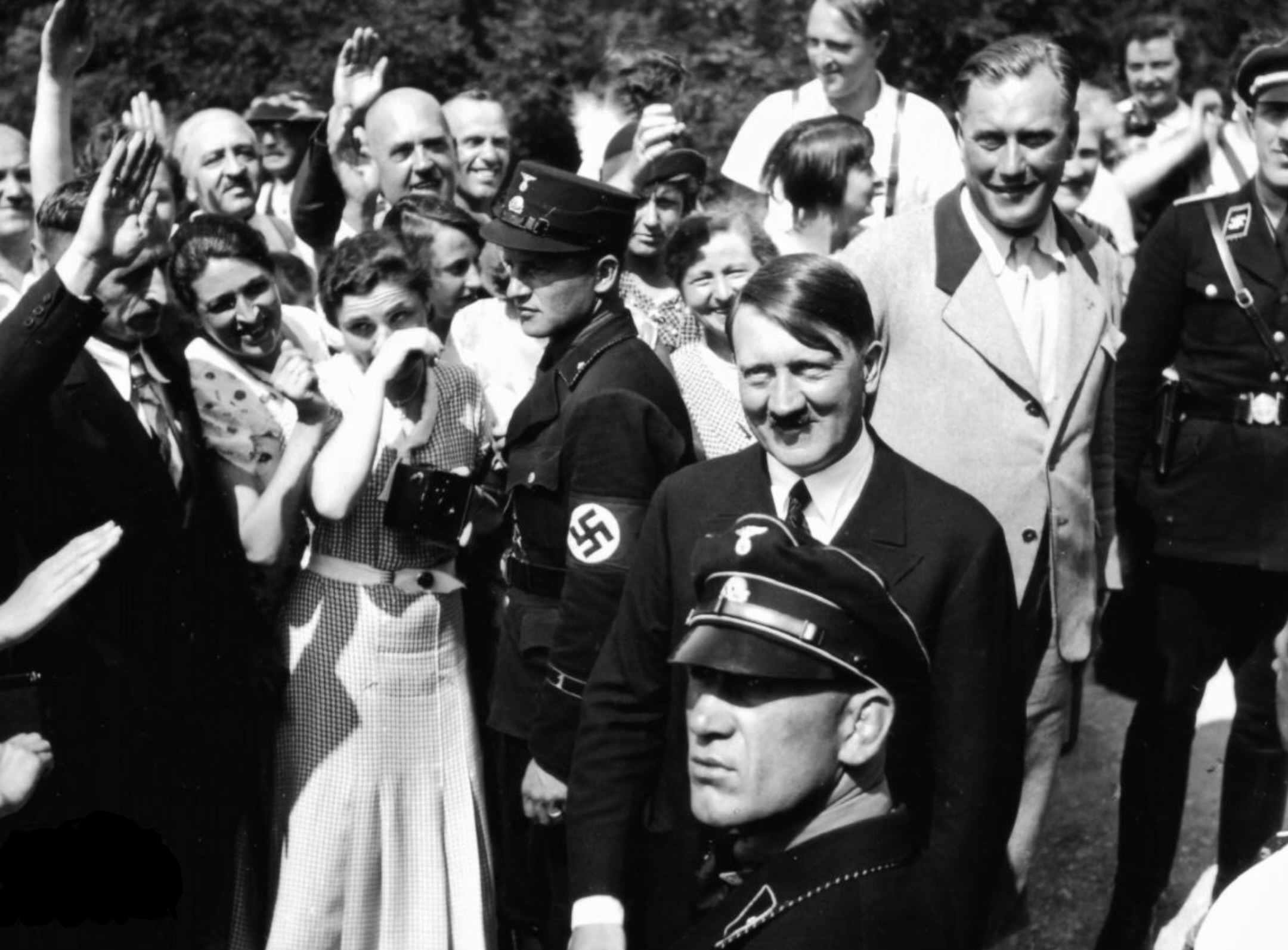
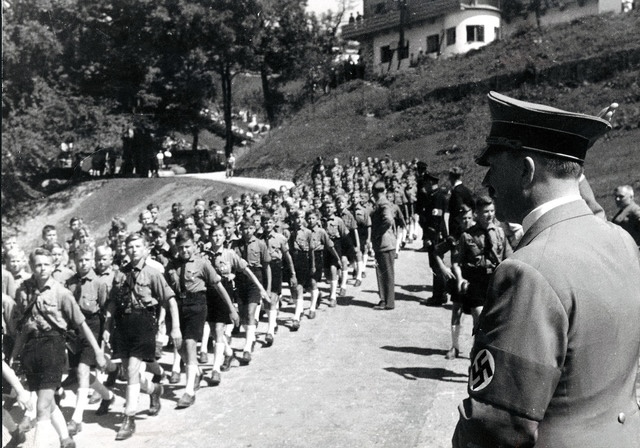
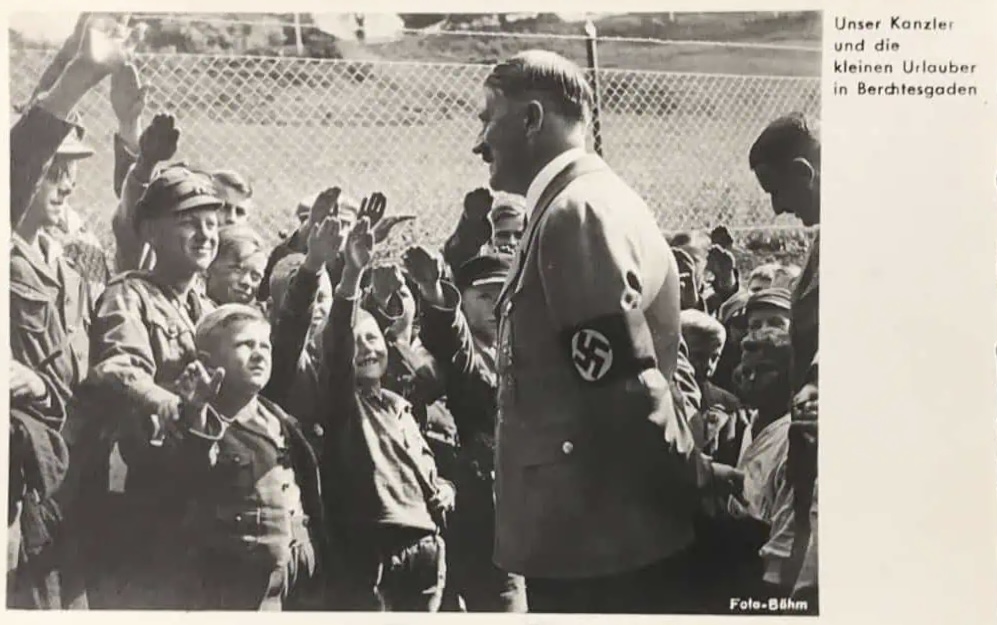
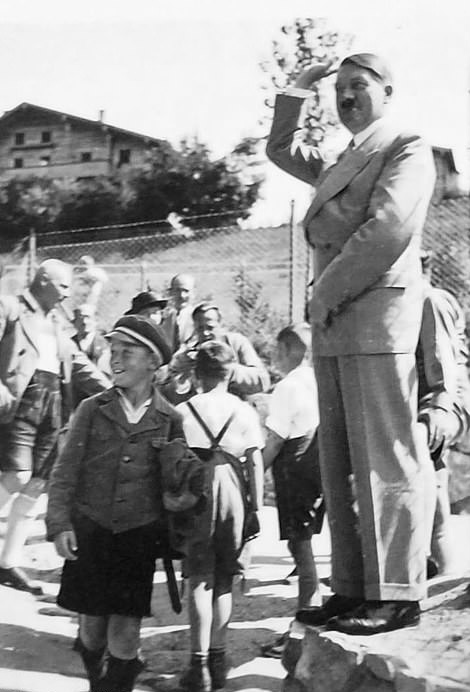
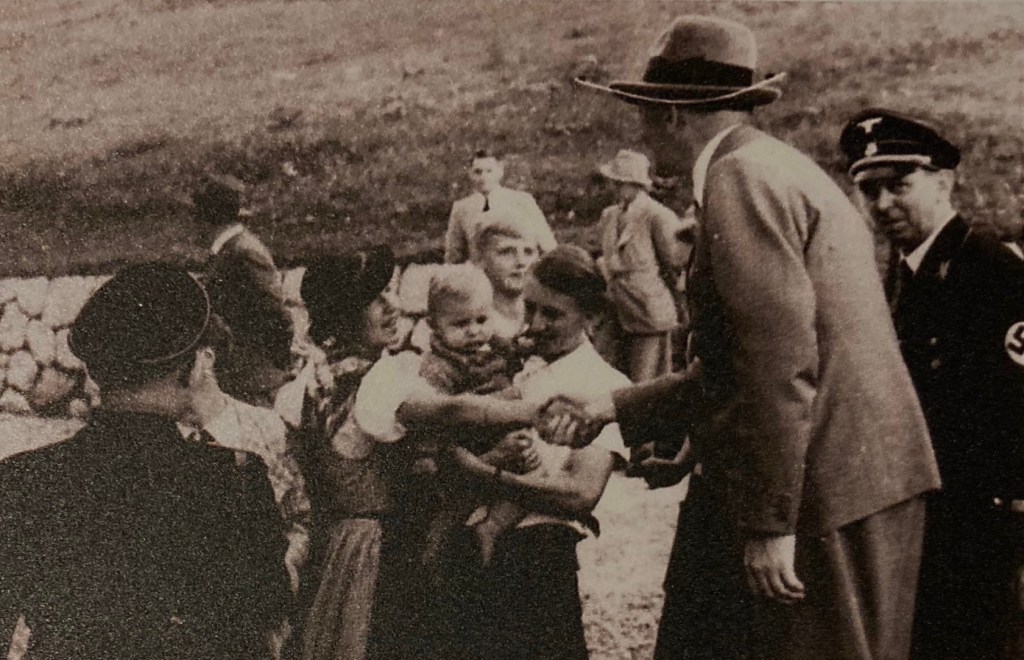
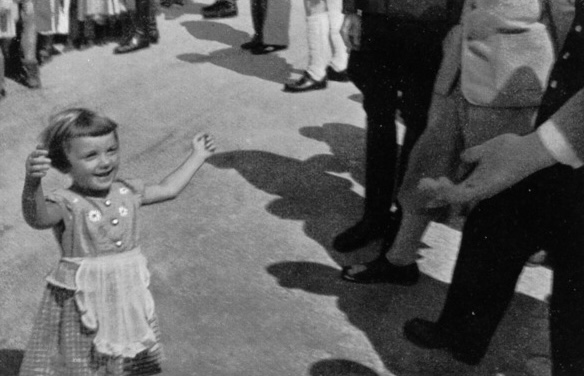
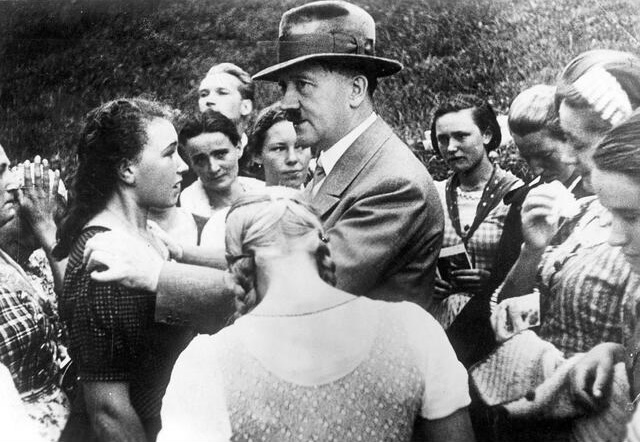
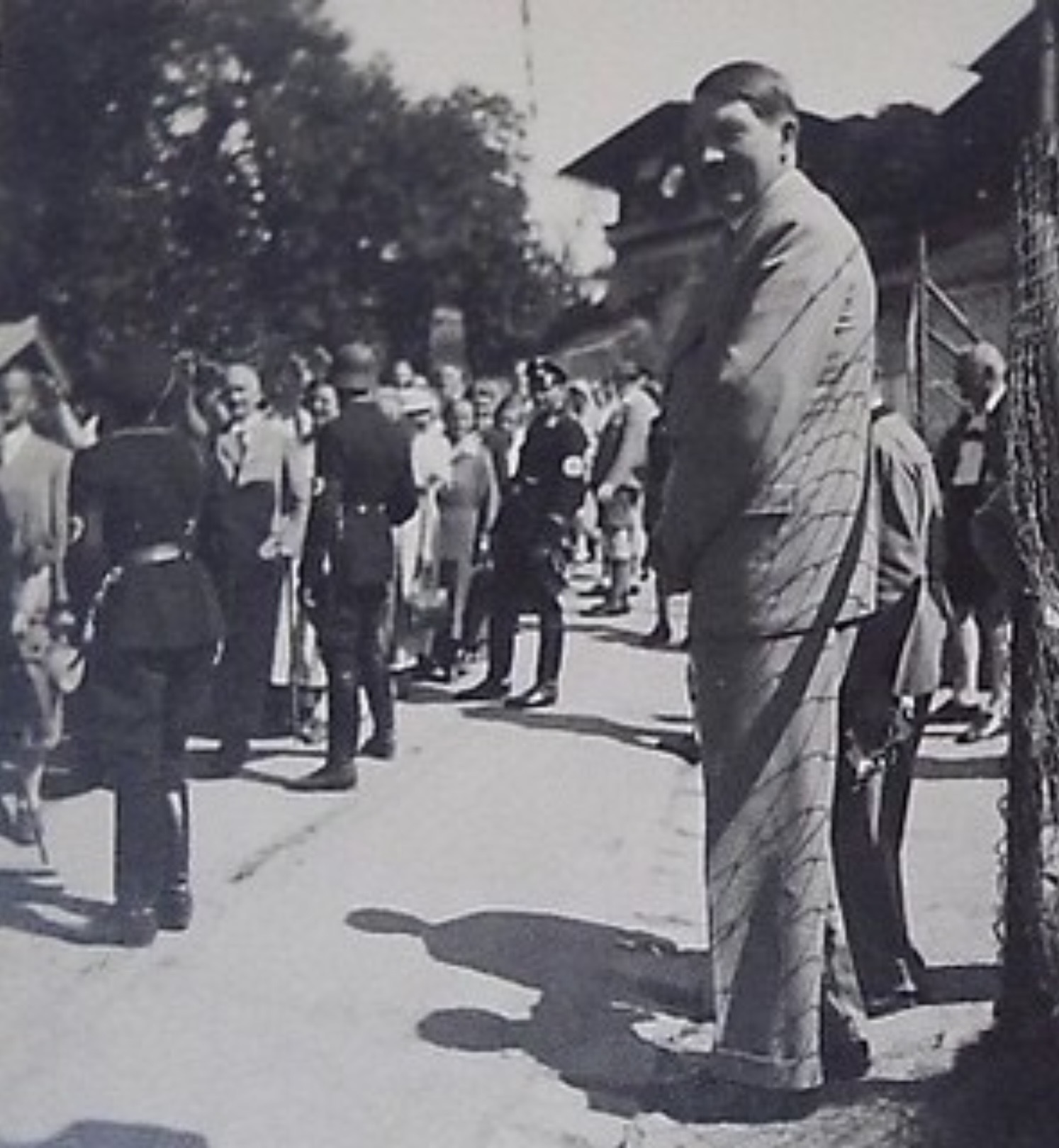
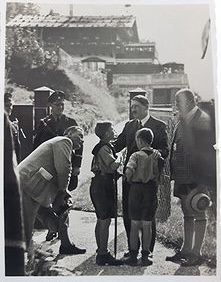
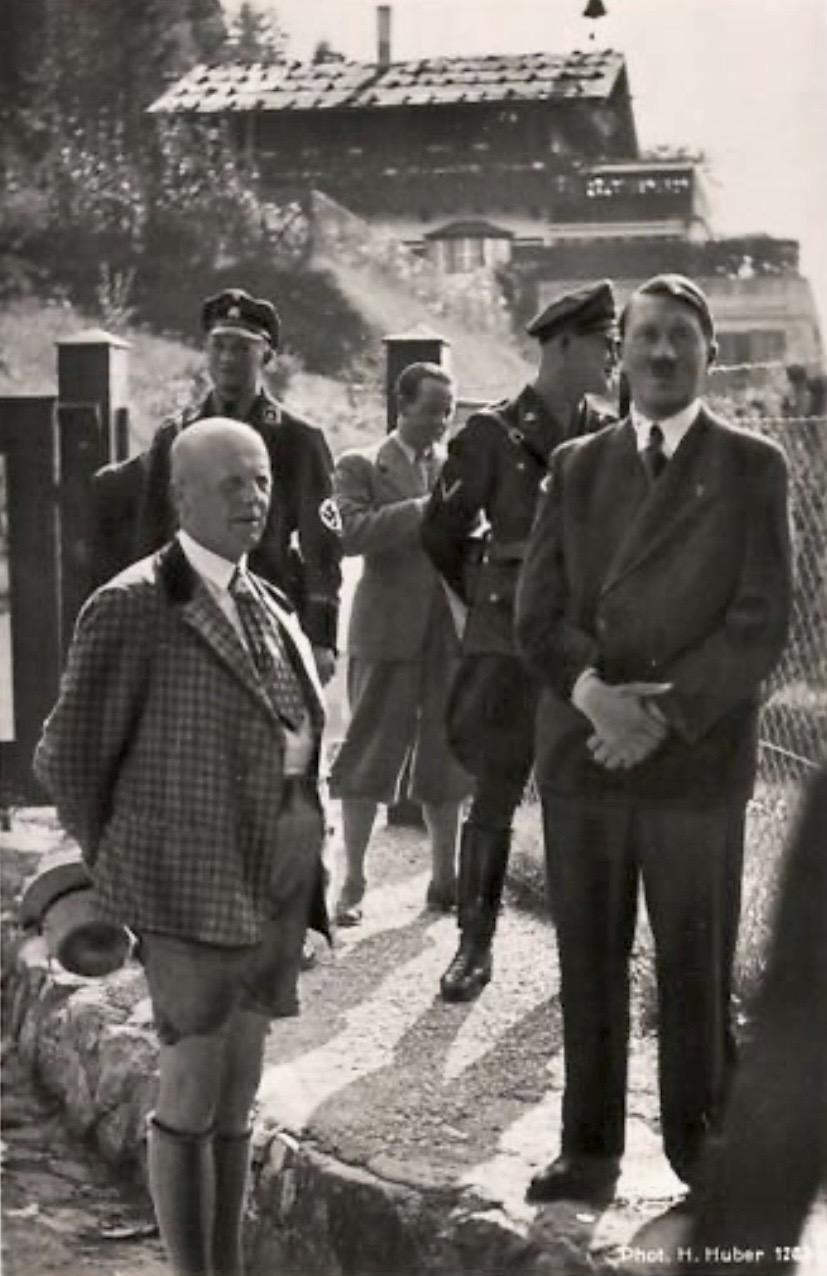
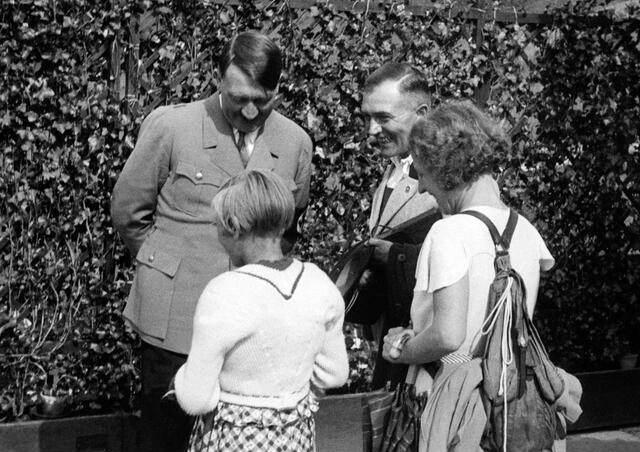
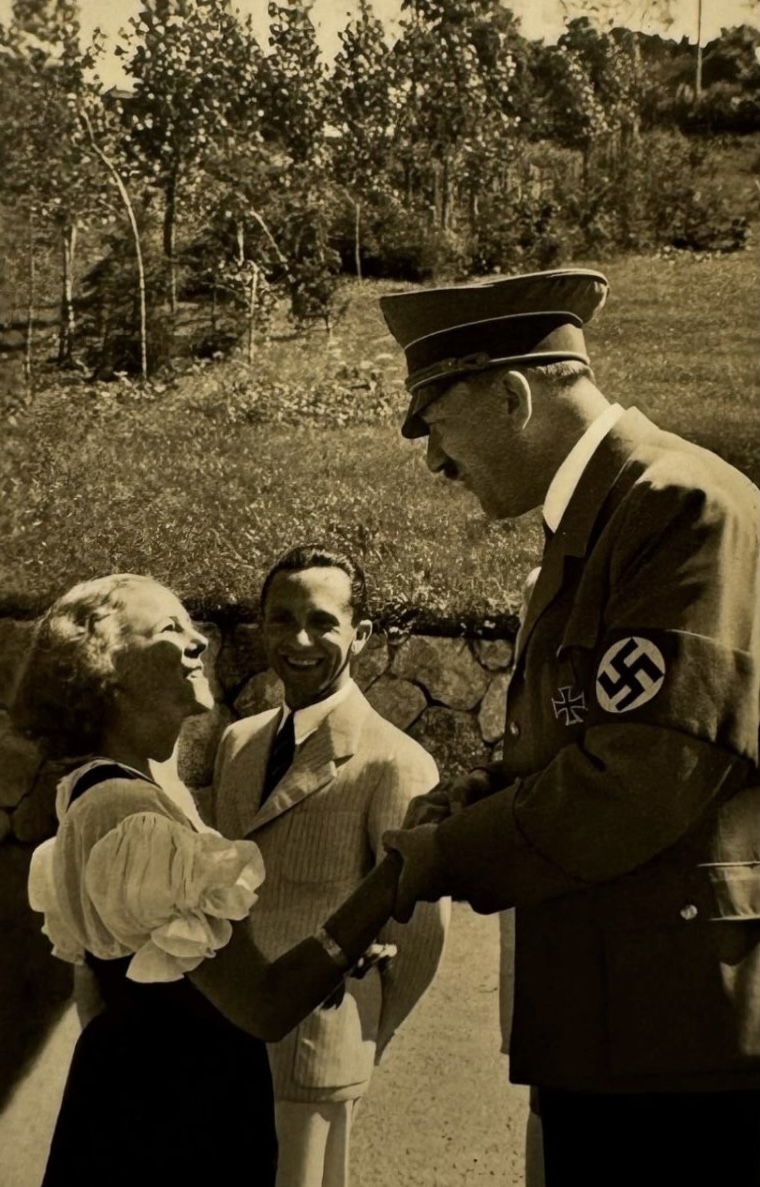
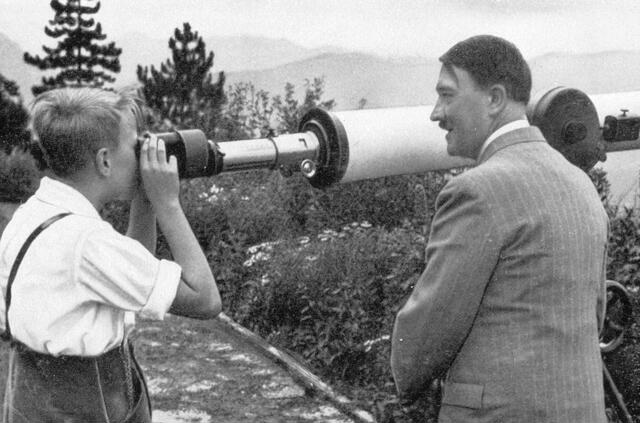
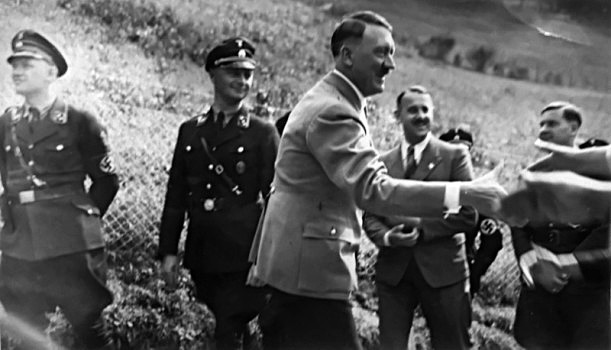
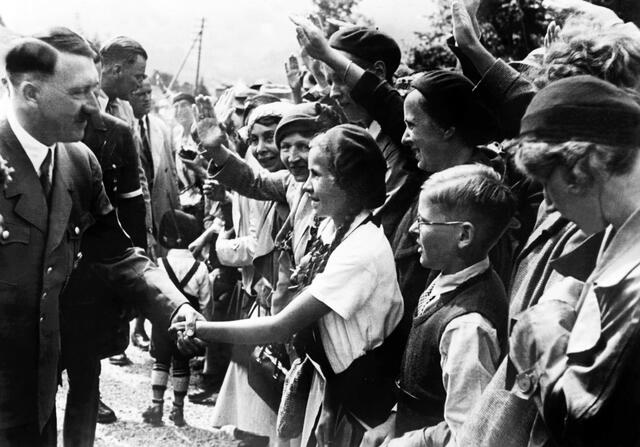
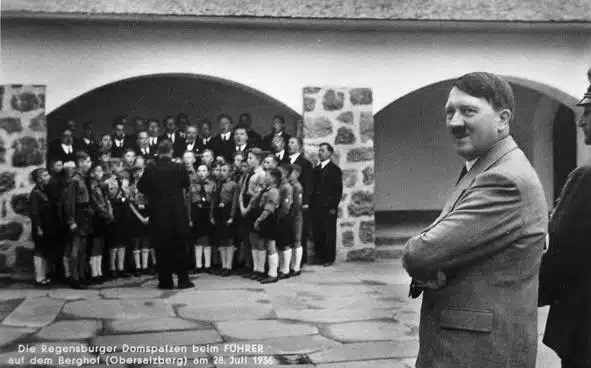
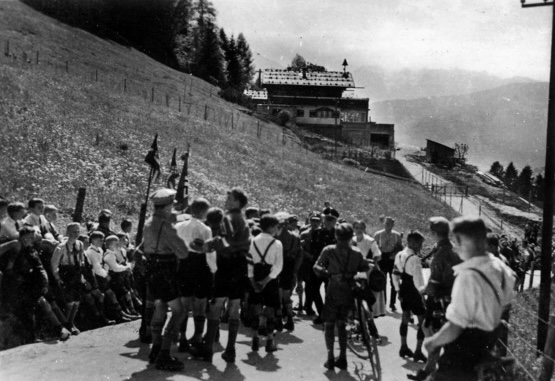
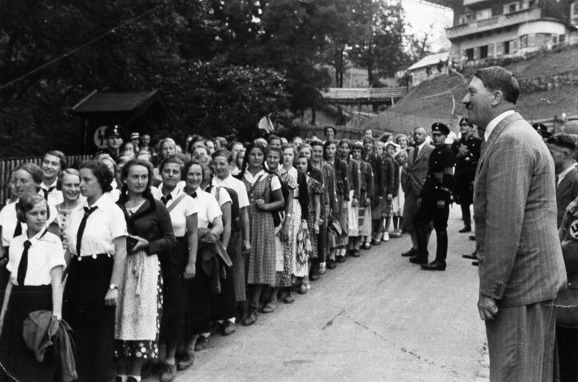
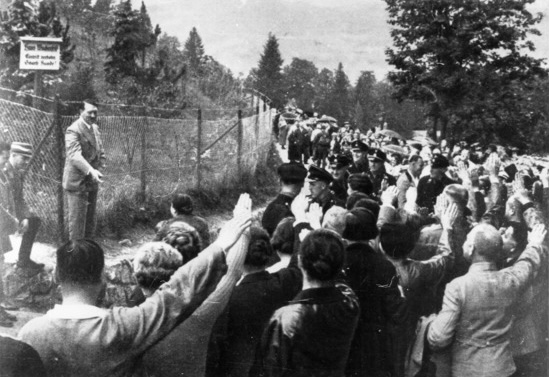
Hitler’s home became an extremely popular tourist attraction. Crowds of admirers used to wait at the end of the driveway for a chance to greet the Führer. Heinrich Hoffmann took lots of photos of these scenes. Hitler especially loved to greet children, who came to visit him in the thousands. Various youth groups also would visit the Berghof and meet the Führer. According to those who knew him, Hitler was genuinely fond of children and enjoyed having them visit him at his mountain home.
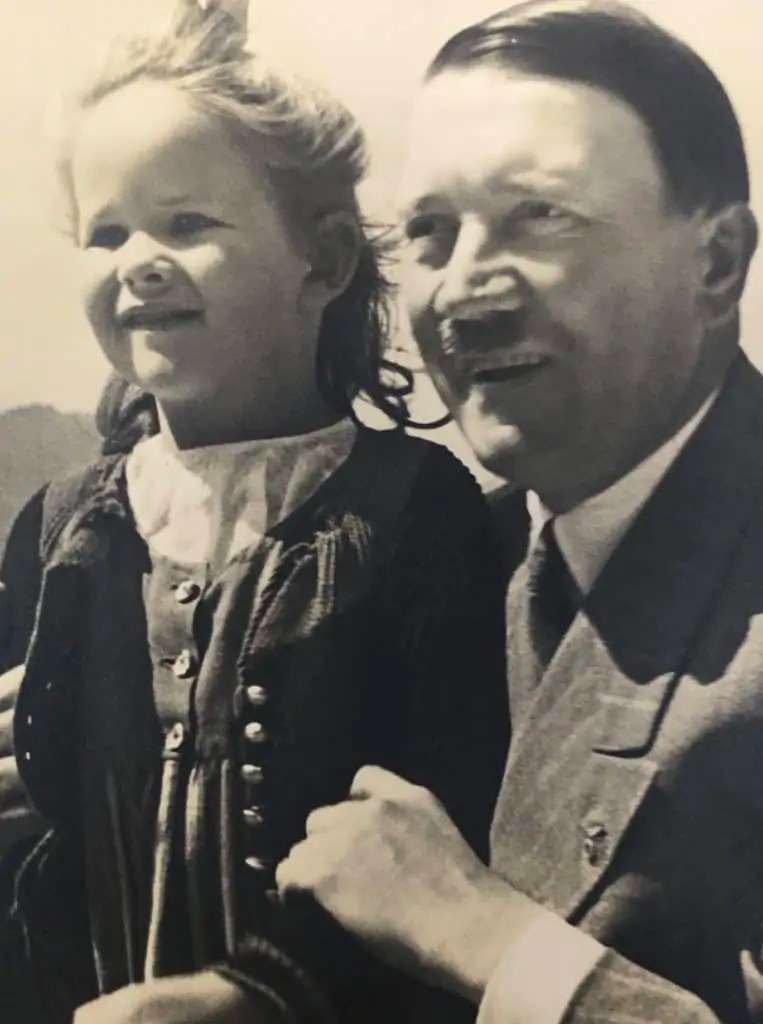
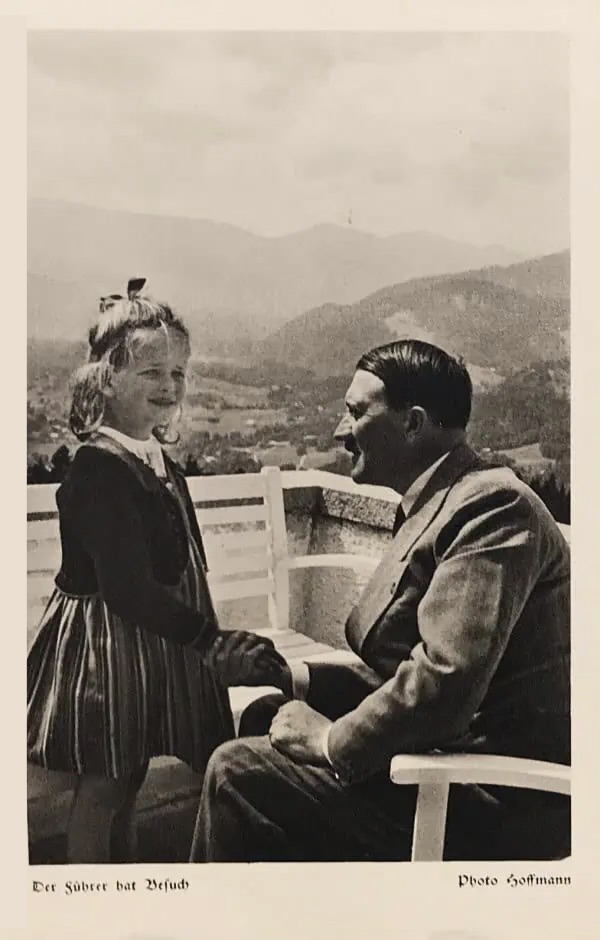
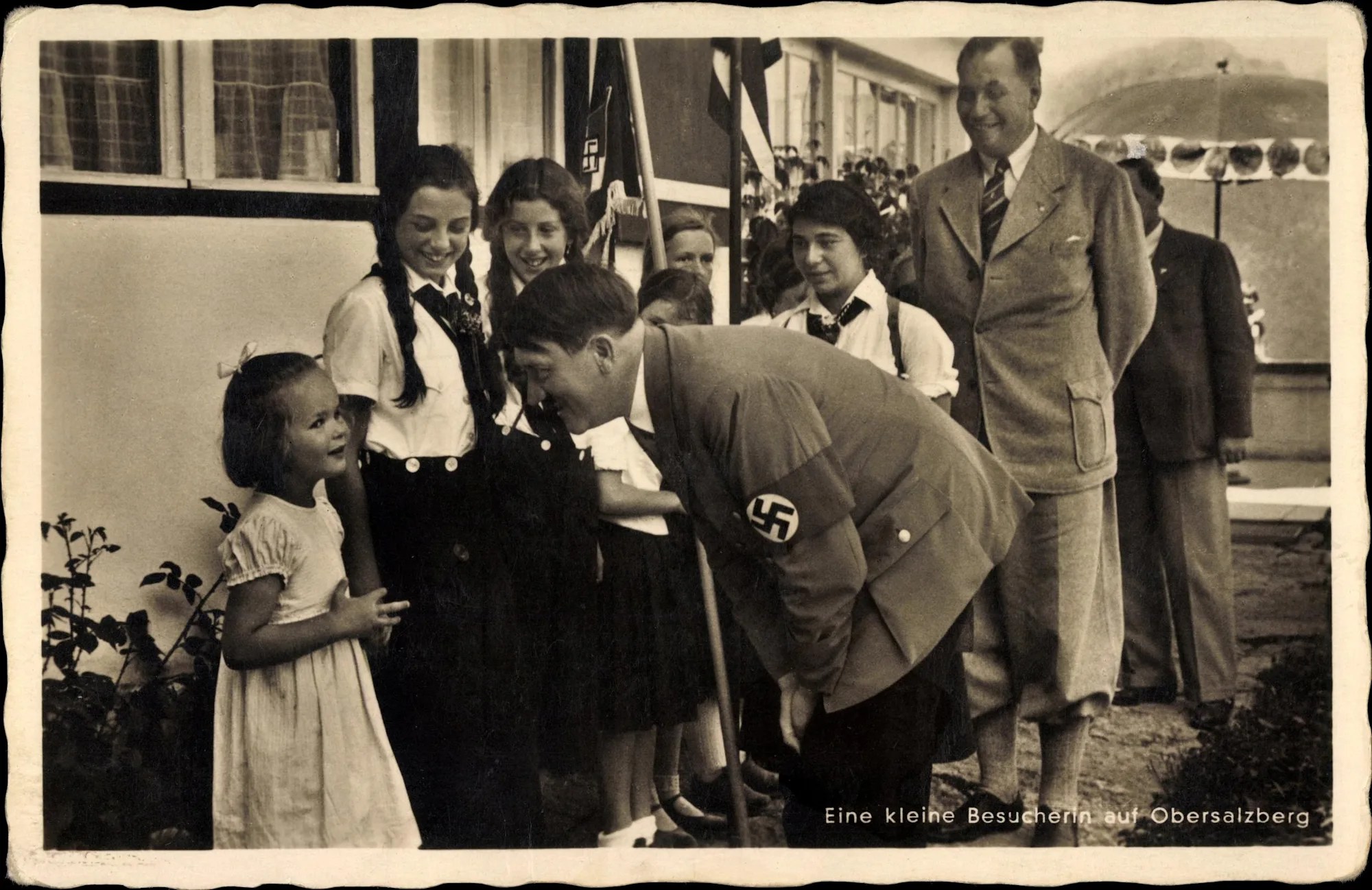
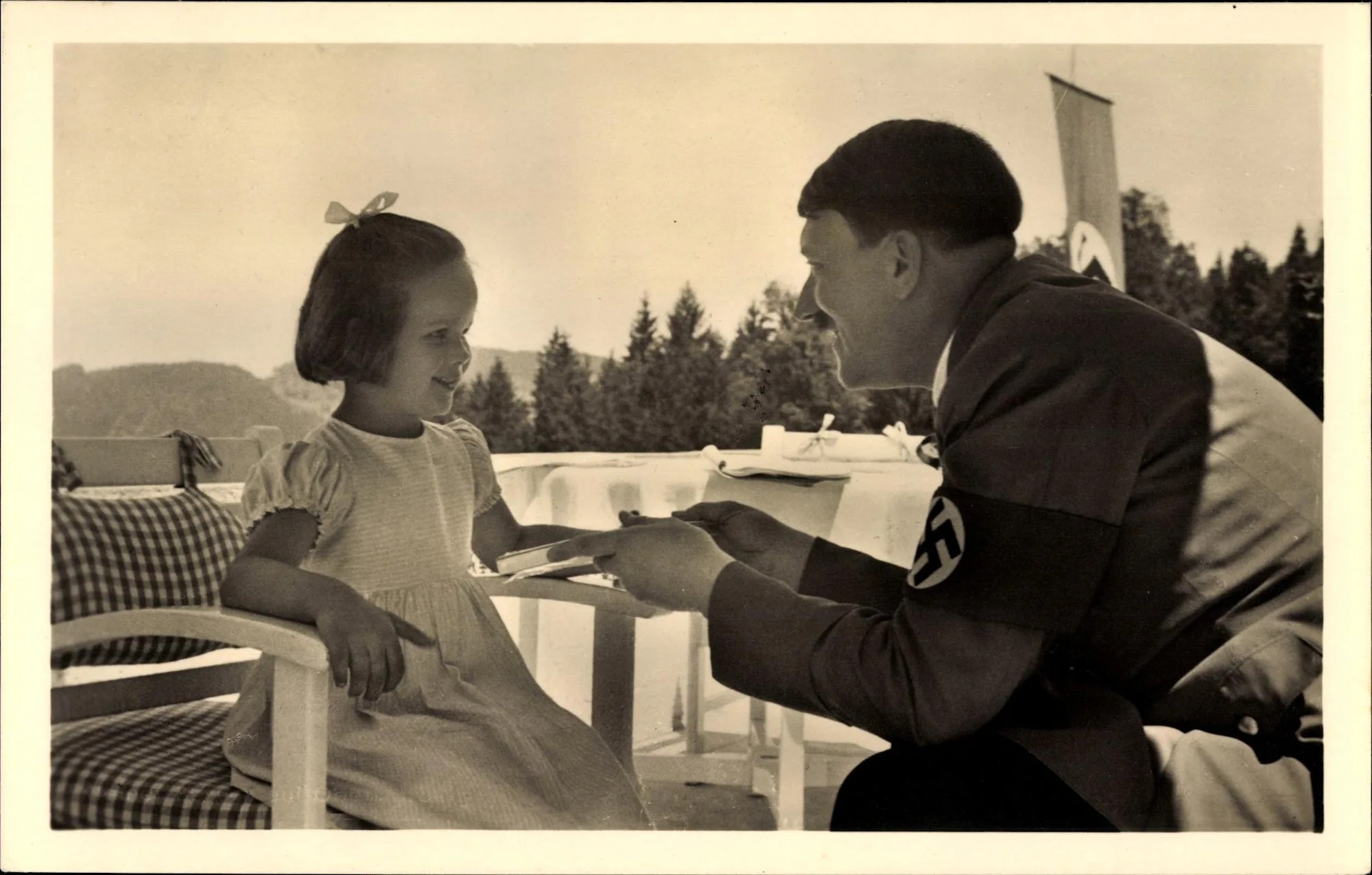
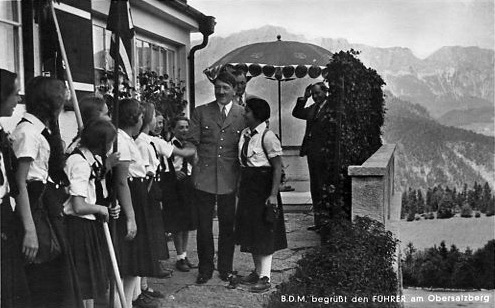
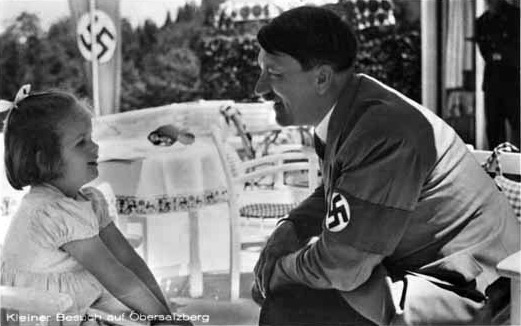


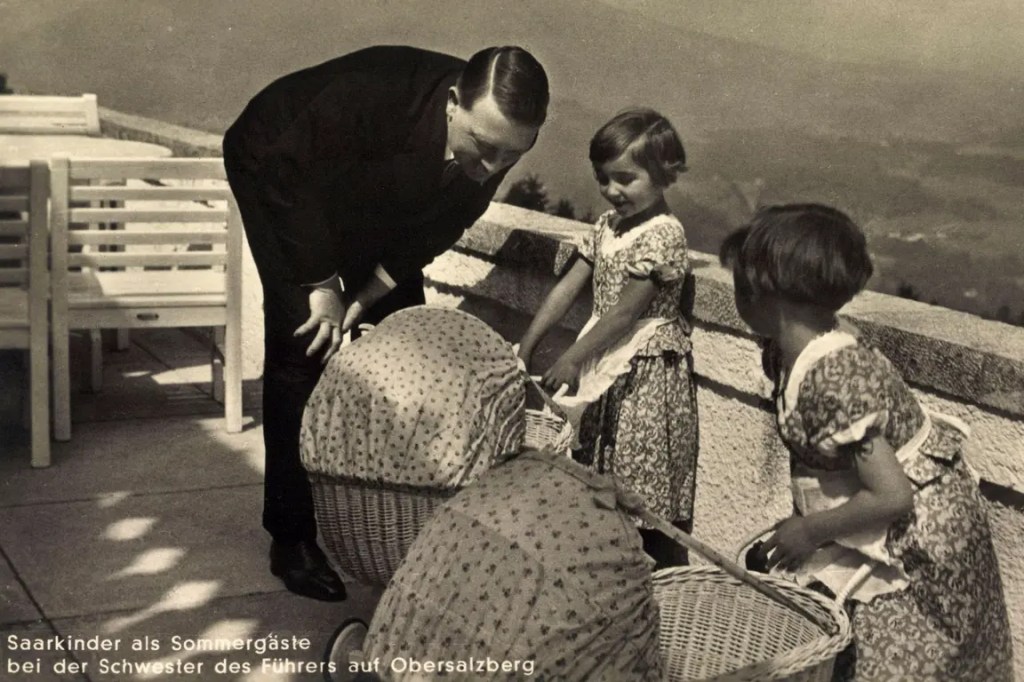
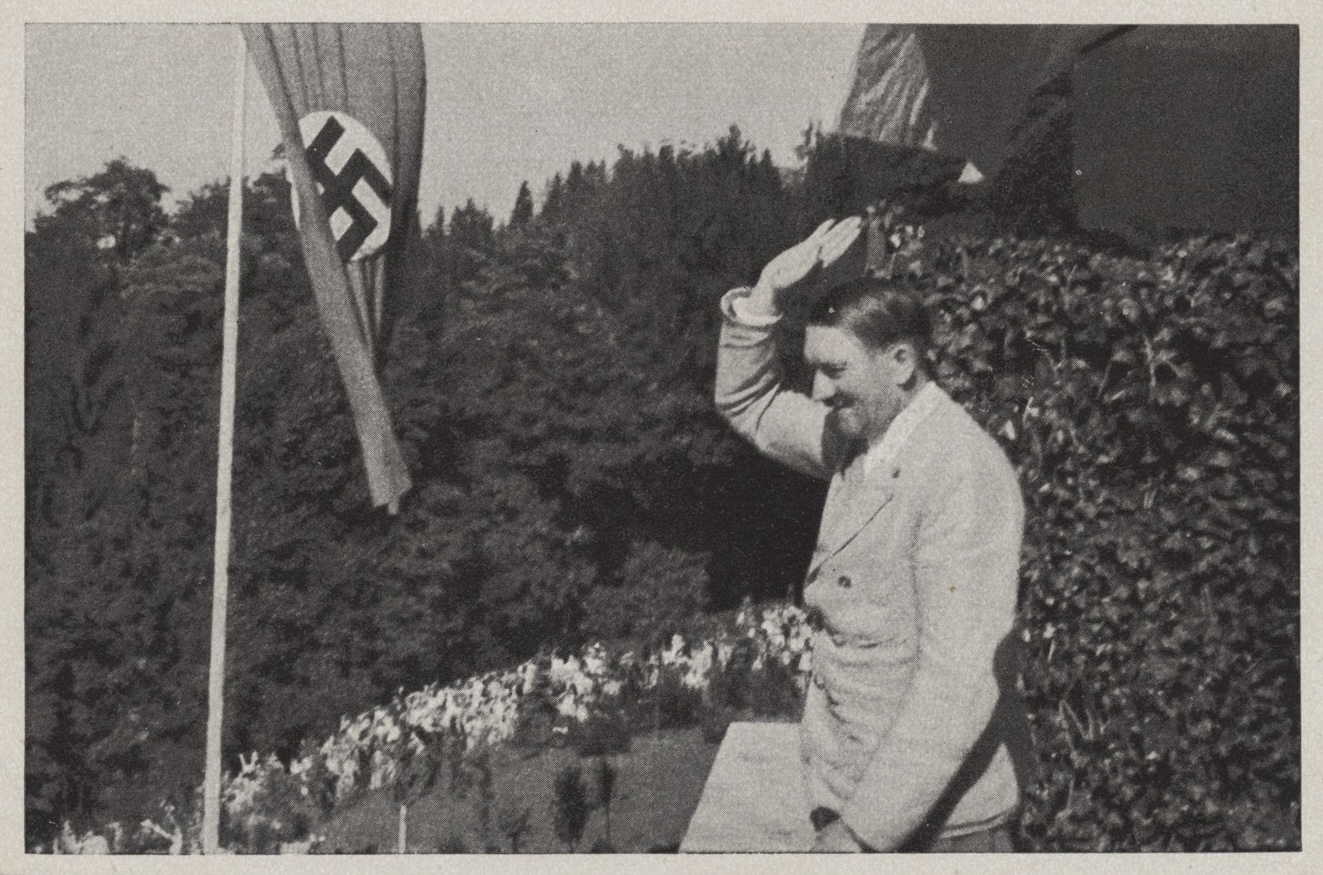
After coming to power in January 1933, Nazi propaganda increasingly portrayed Hitler as a “man of the people” living in a modest and idyllic alpine setting. From 1933 until 1936, thousands of Germans traveled to Berchtesgaden to catch a glimpse of their Führer. People would gather at the end of his driveway in what became known as “pilgrimage-like events”. In late 1936 the area was closed off to the public due to the massive influx of visitors and mounting security concerns. The area was declared a “Führersperrgebiet” or “Führer’s restricted area” and had strictly controlled access through SS-patrolled checkpoints. Organized groups like the Hitler Youth were still permitted access to the estate but not the general public.
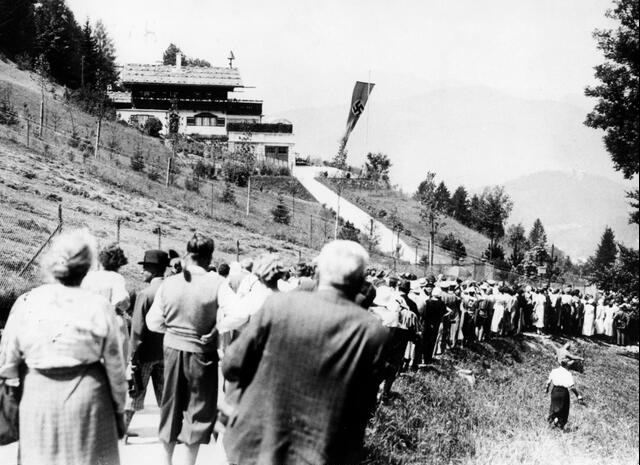
The destination of Hitler followers from all over Germany
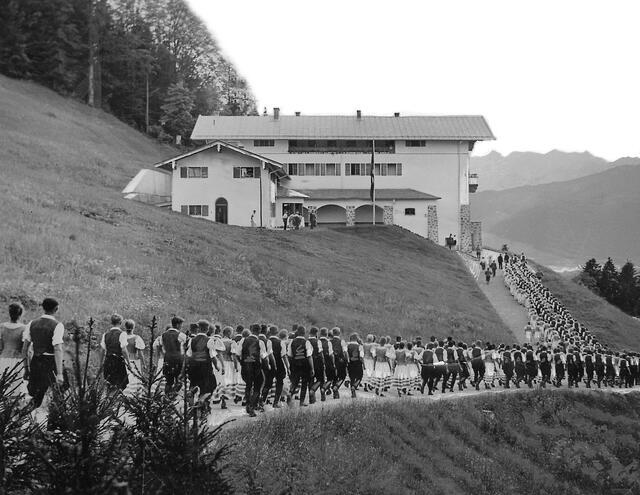
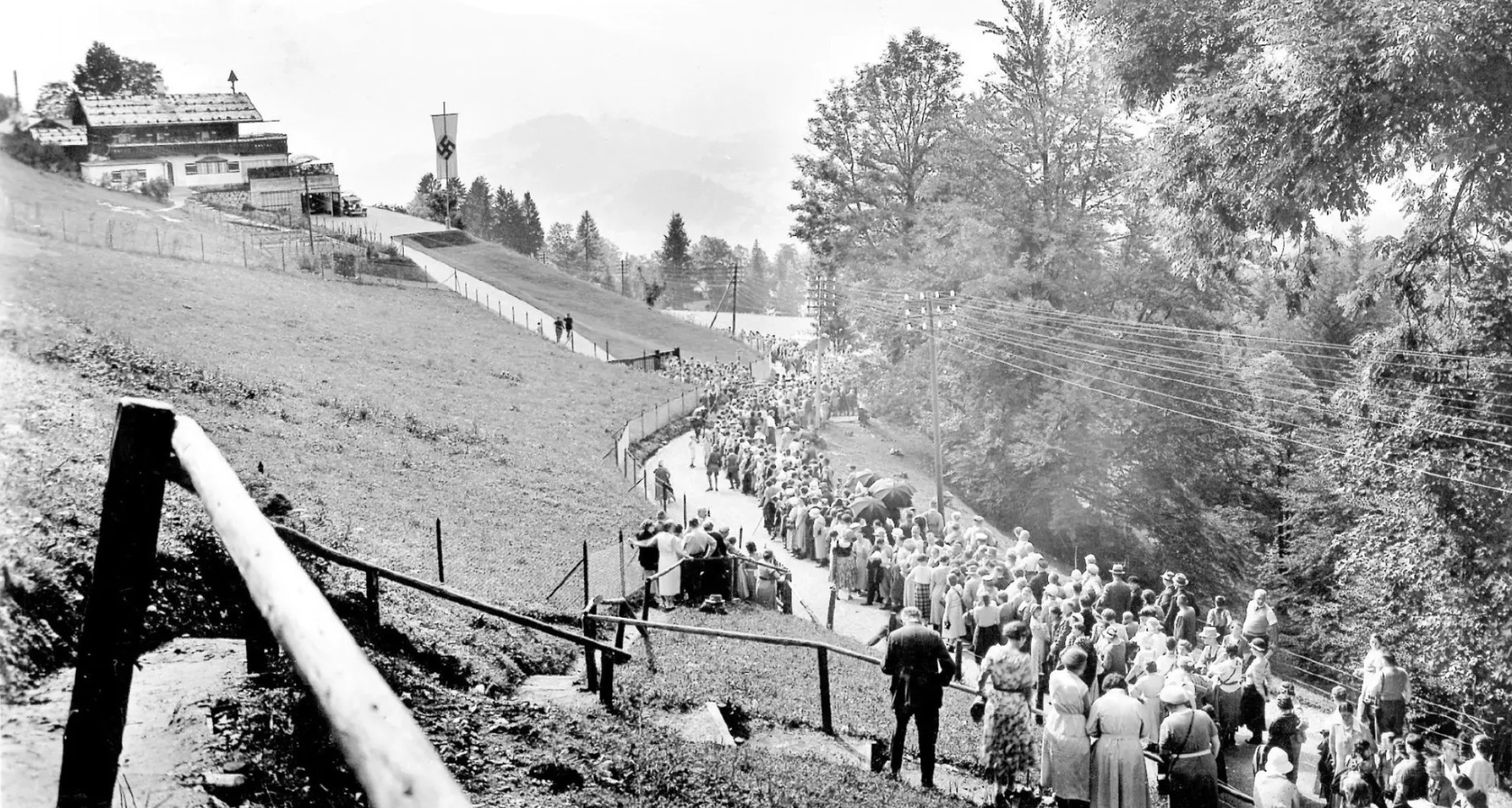
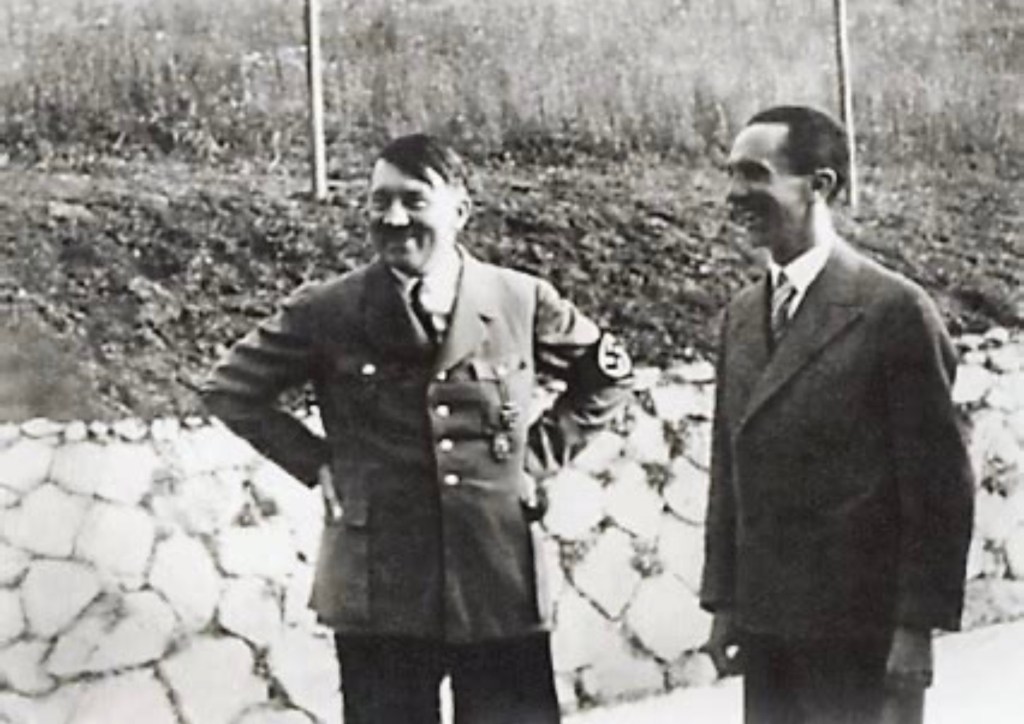
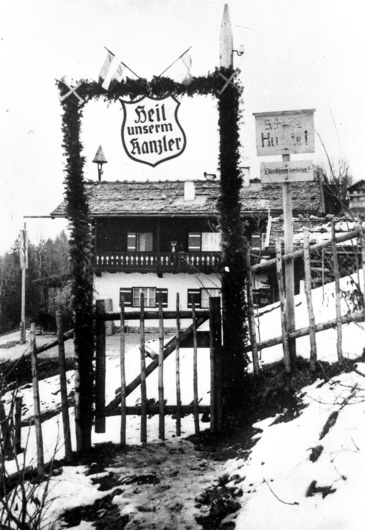
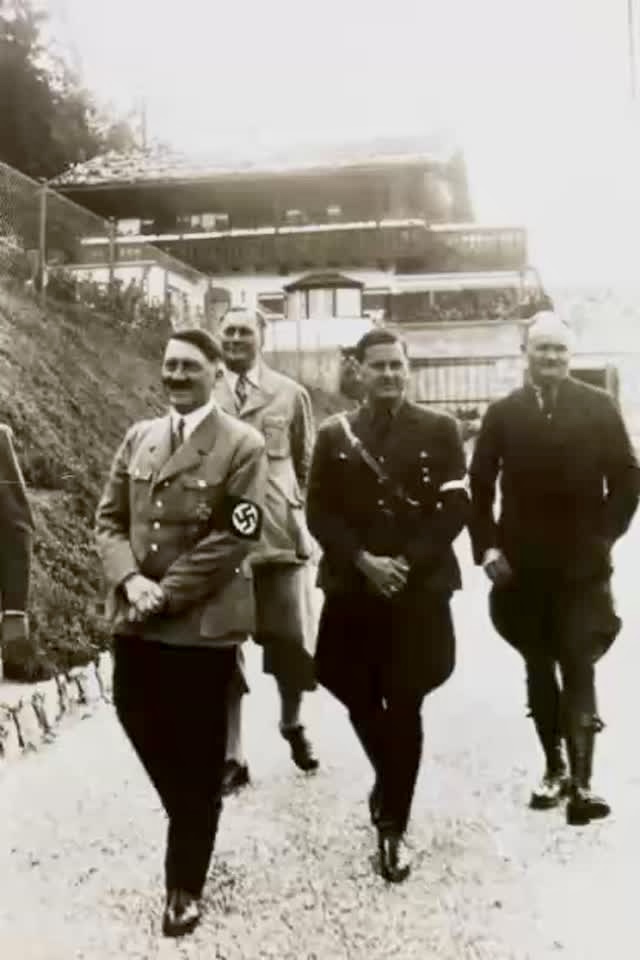














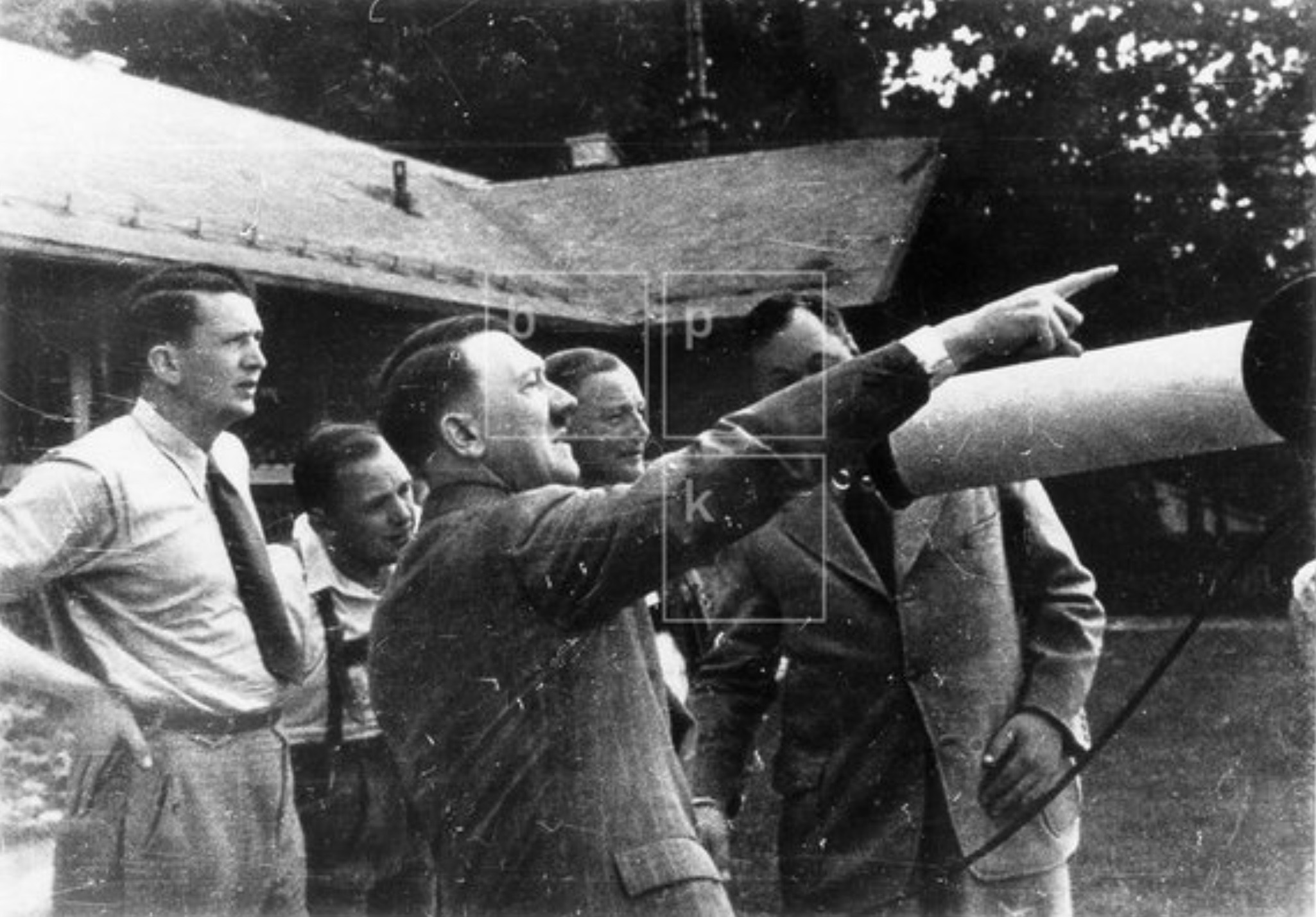
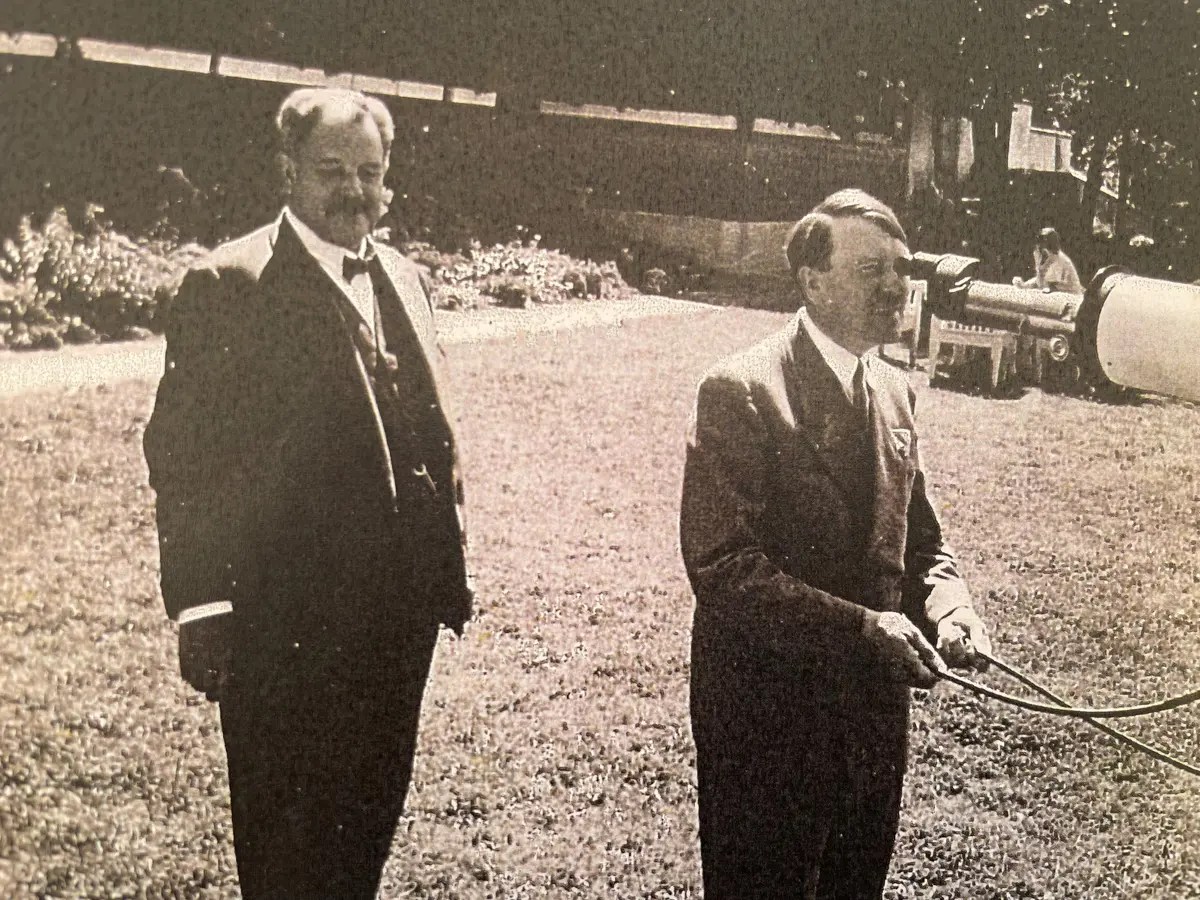





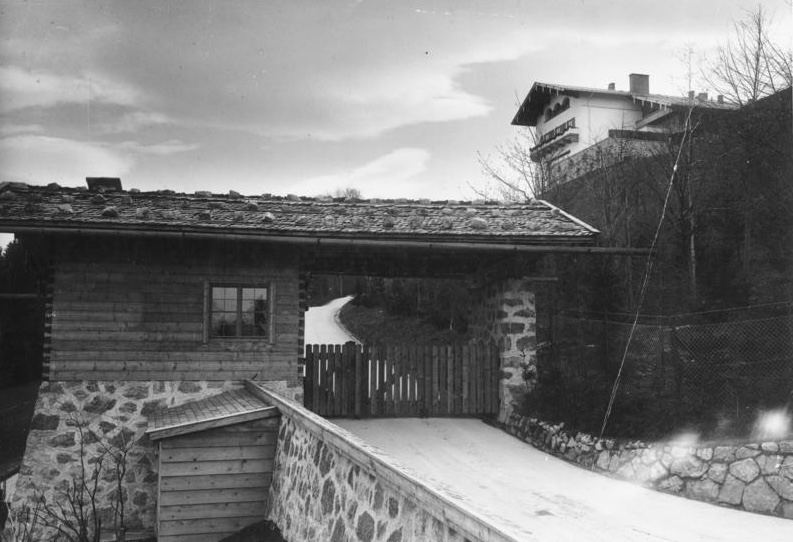
As early as the 1920s, Adolf Hitler rented the Wachenfeld house on the Obersalzberg. In 1933, he finally purchased the property and had it rebuilt according to his own plans by 1936 into a luxurious manor house with several long wings. The original Wachenfeld house was incorporated into his new design as a small annex.
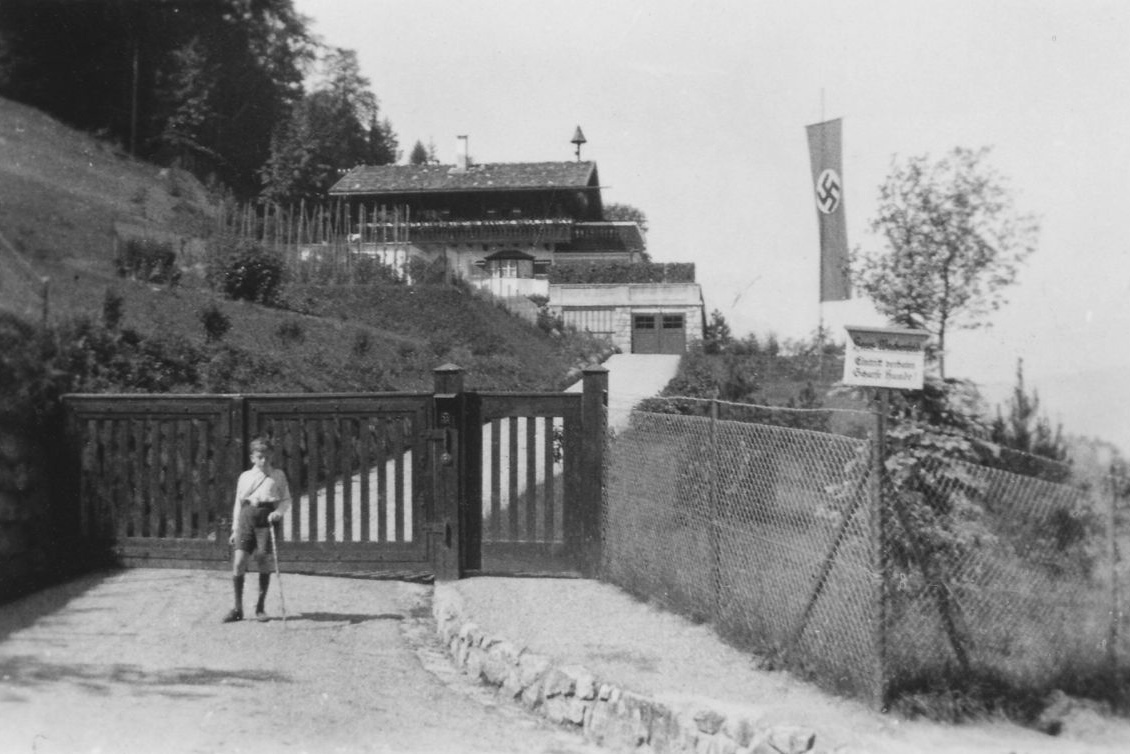


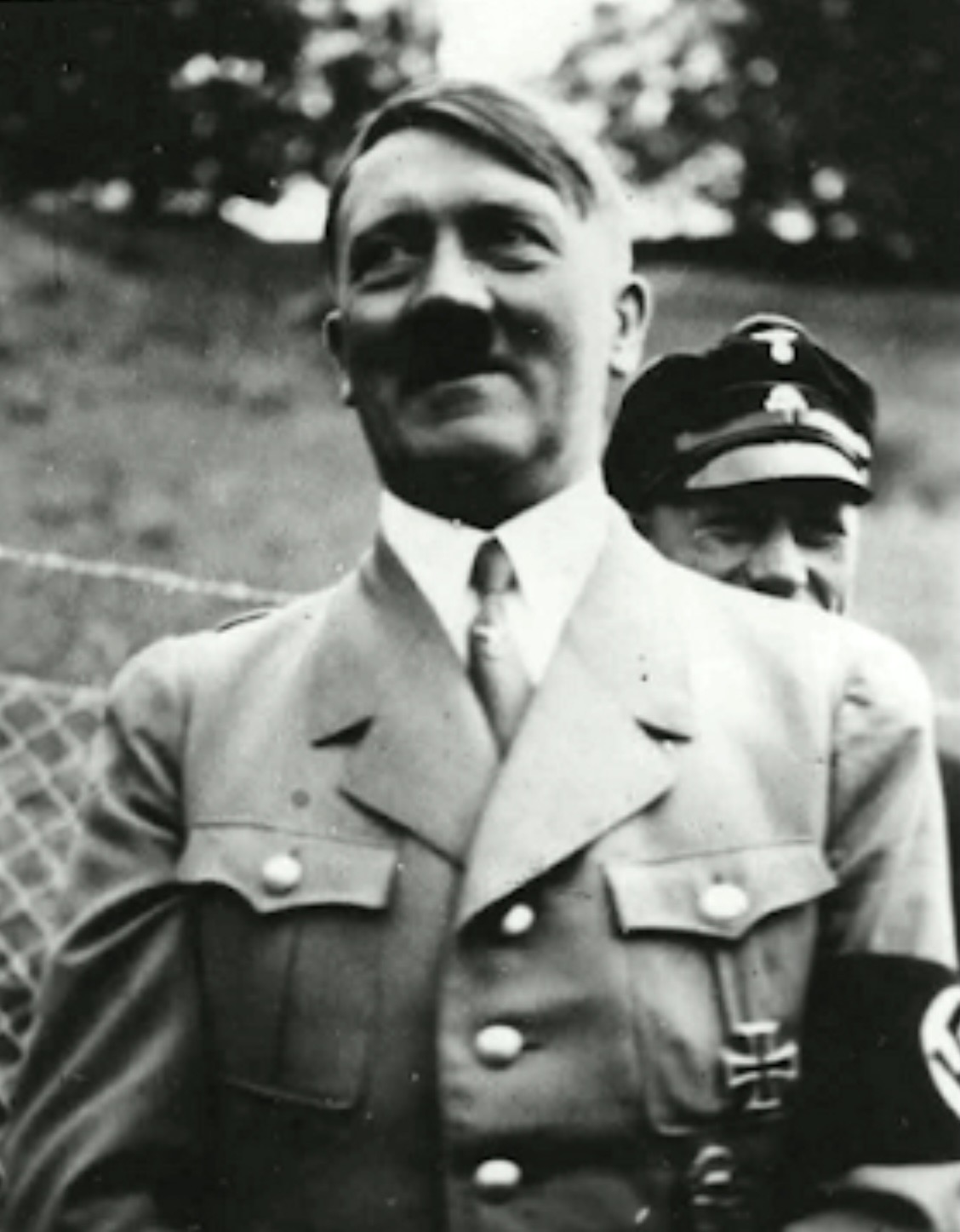
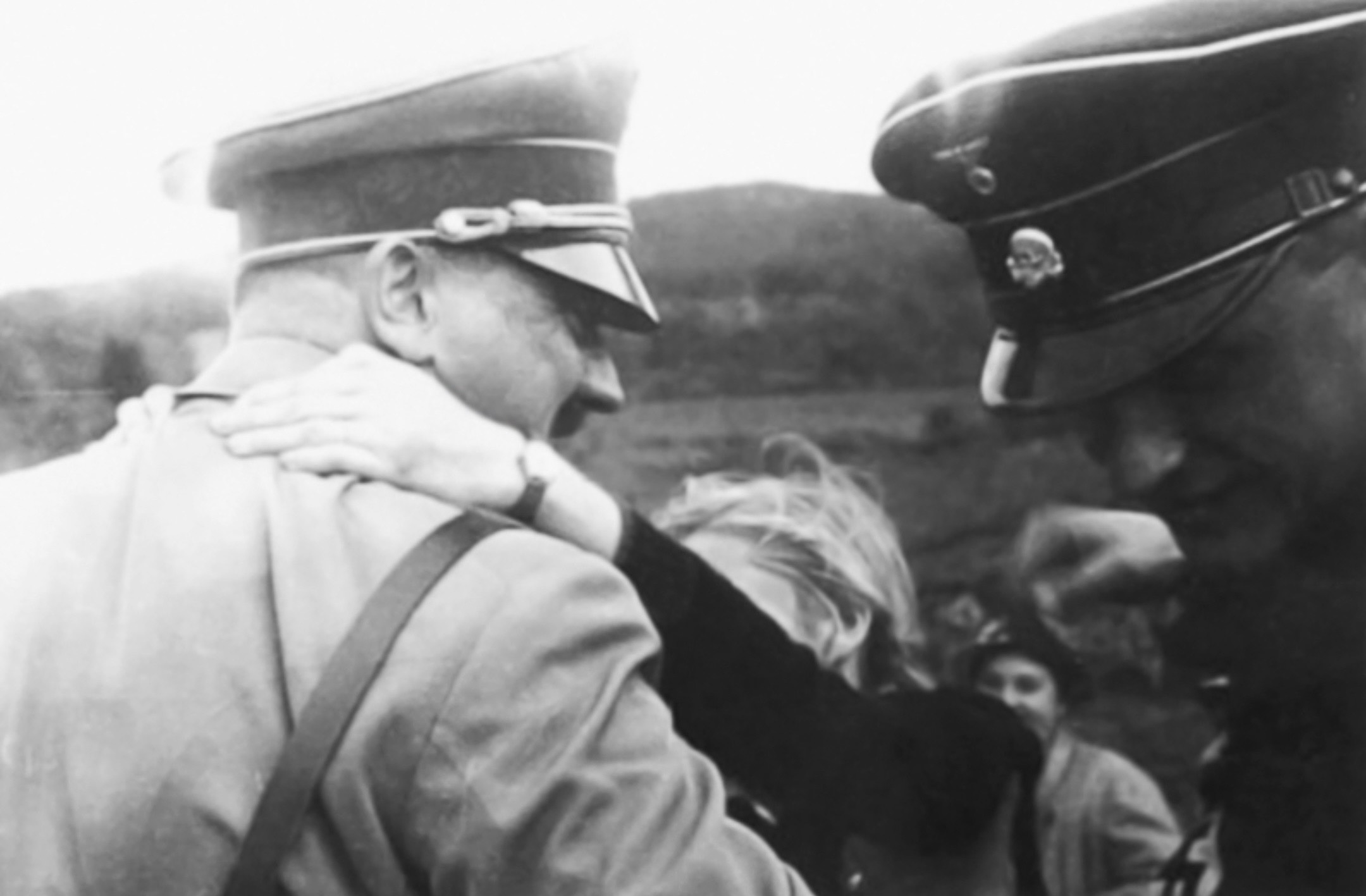
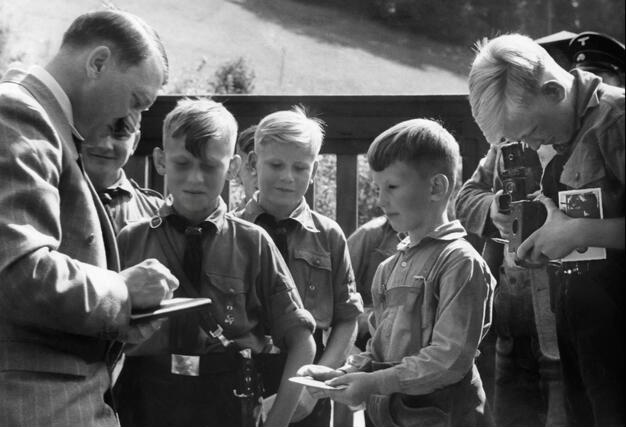

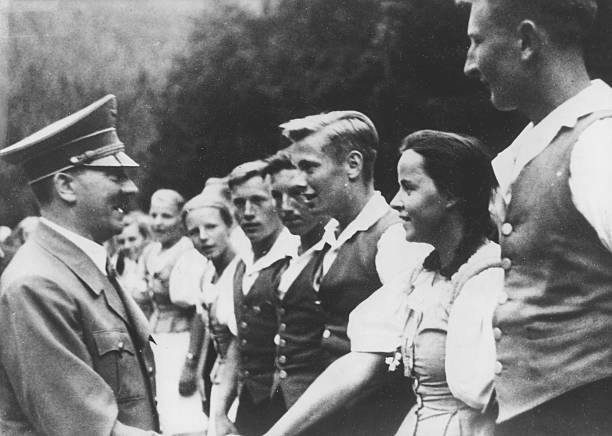
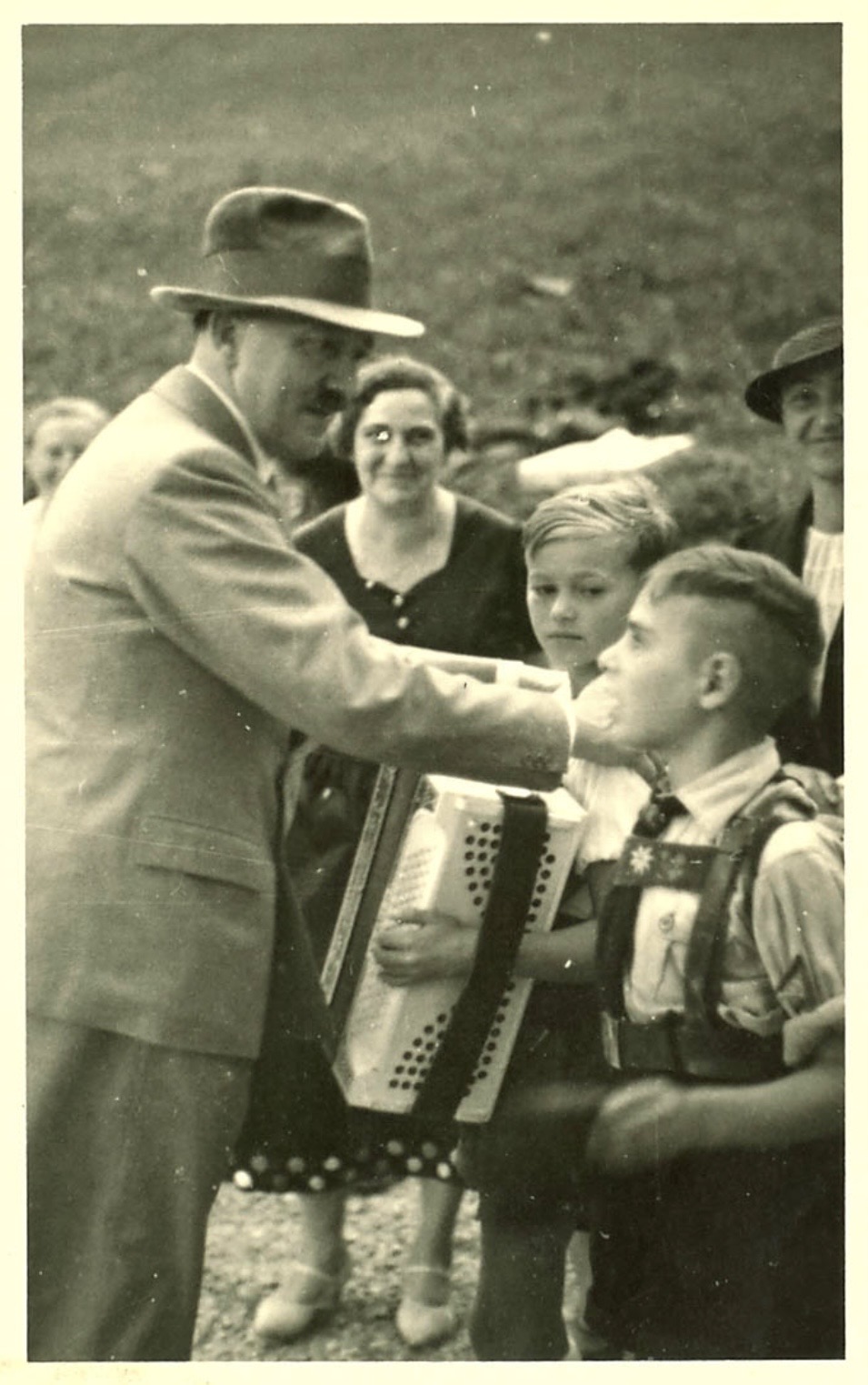
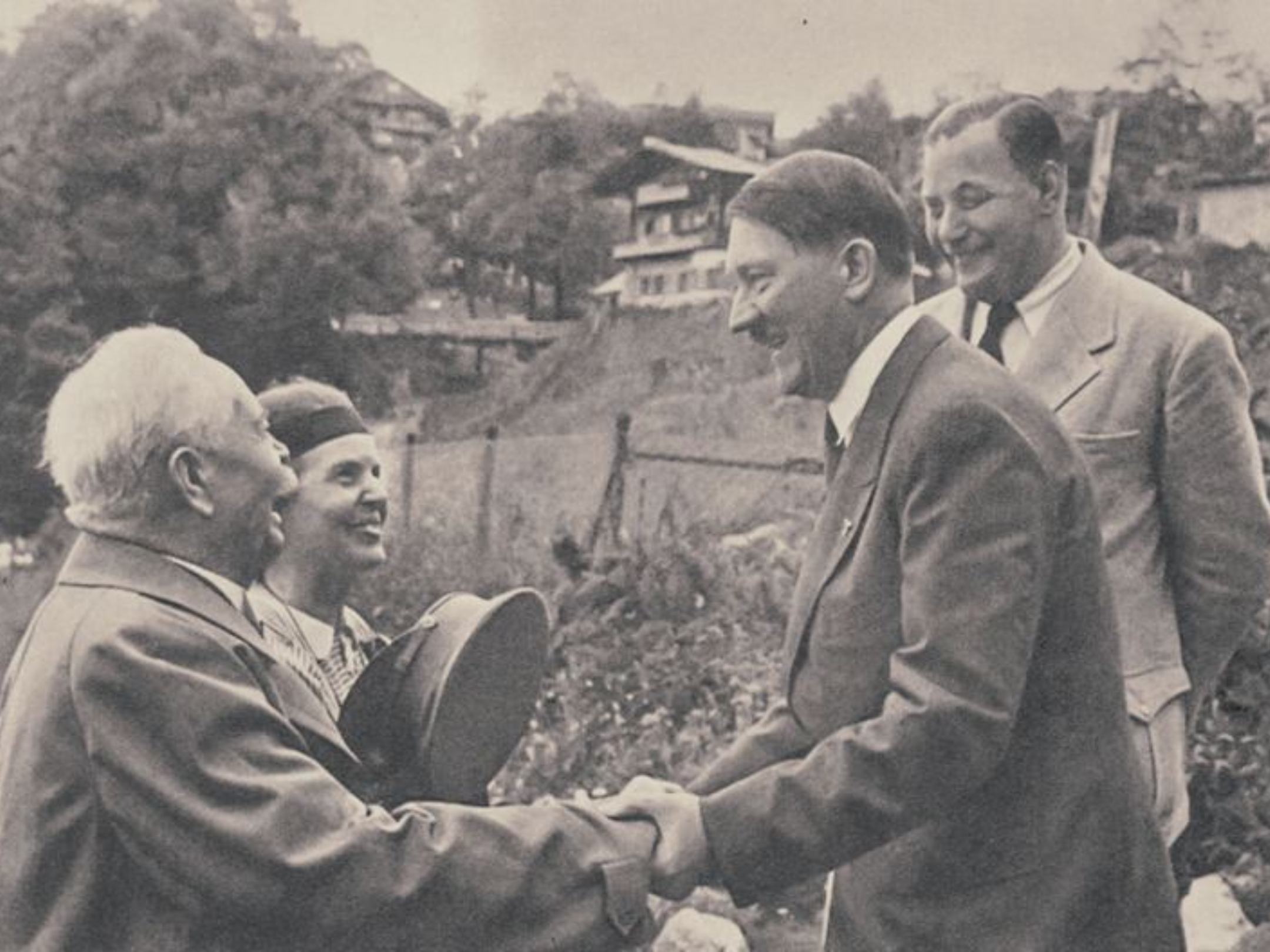
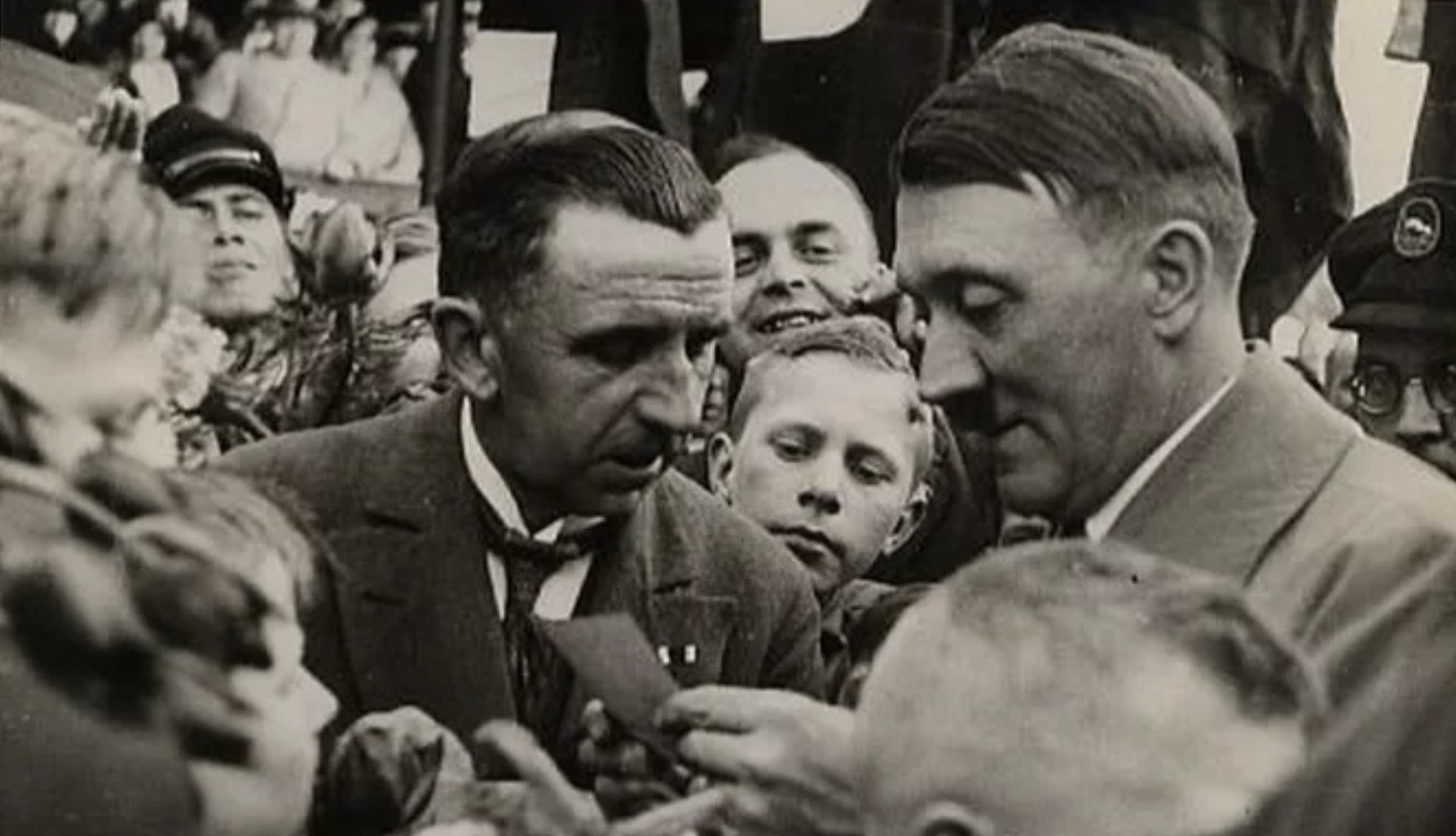
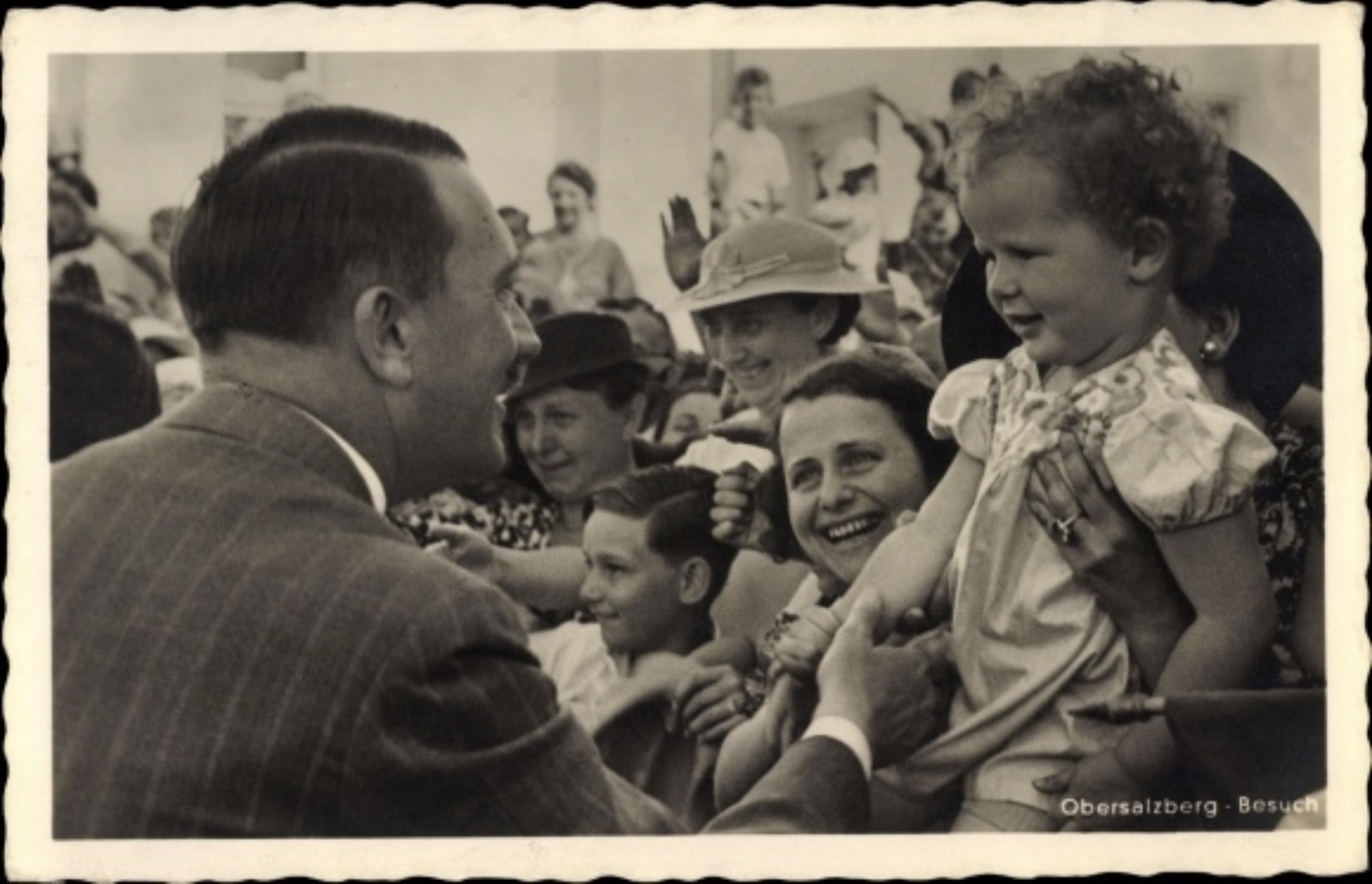
Traudl Junge, Hitler’s longtime private secretary, recalled how before the war, the gates to Hitler’s mountain-retreat were opened once a day when he began his daily walk, and then people streamed into the grounds and lined his way. She recalled a particularly intriguing scene at the Berghof, where “Hysterical women gathered up the stones which his feet had touched, and even apparently reasonable people behaved in a most irrational manner. On one occasion a lorry bringing tiles to the Berghof was plundered by a few very overexcited women, and the tiles – which the Führer’s hands and feet had certainly never touched – ended up as souvenirs in the display cabinets of their living rooms. Love letters from such women made up a considerable part of the post which arrived in the Führer’s chancellery.”
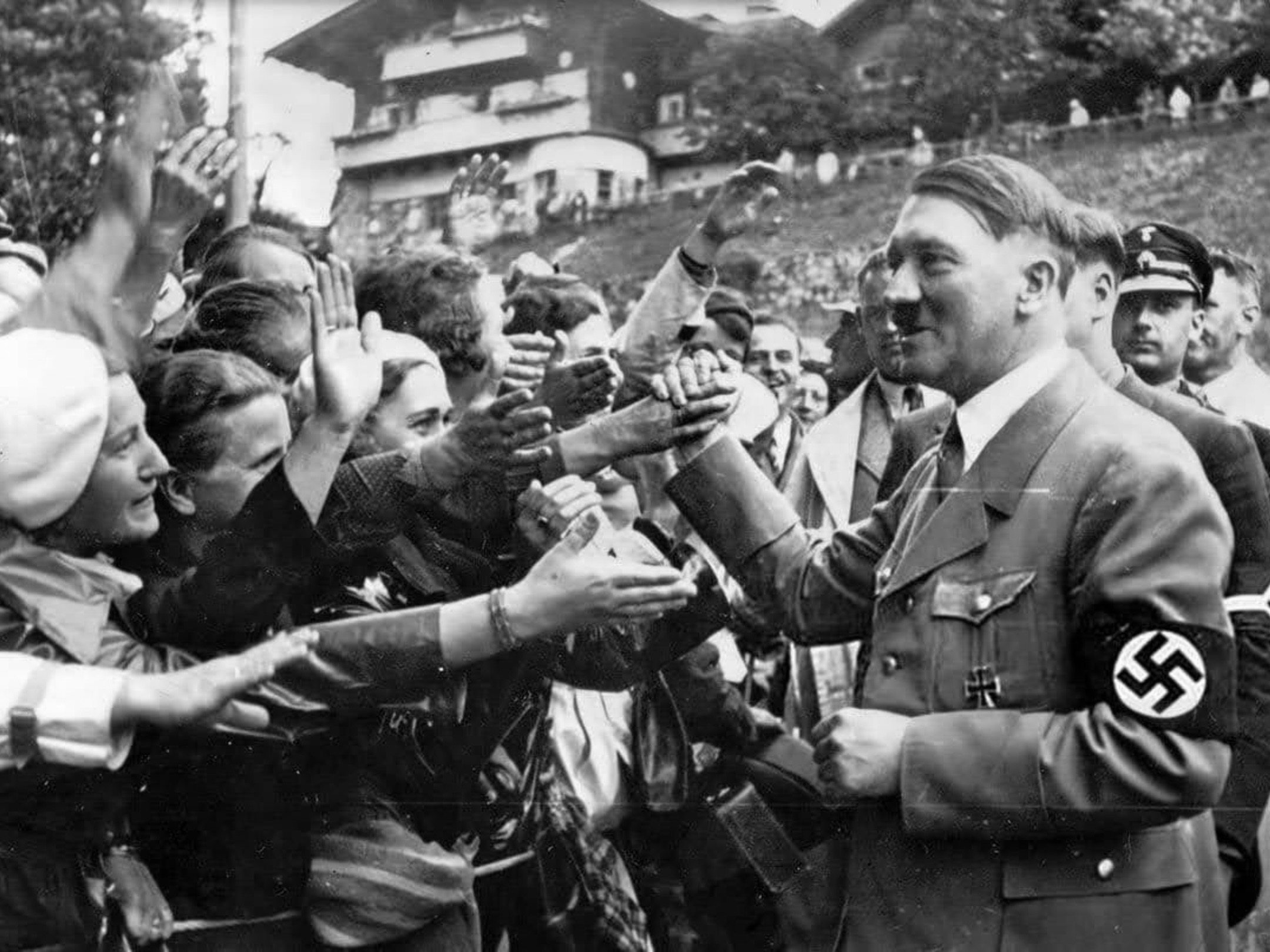
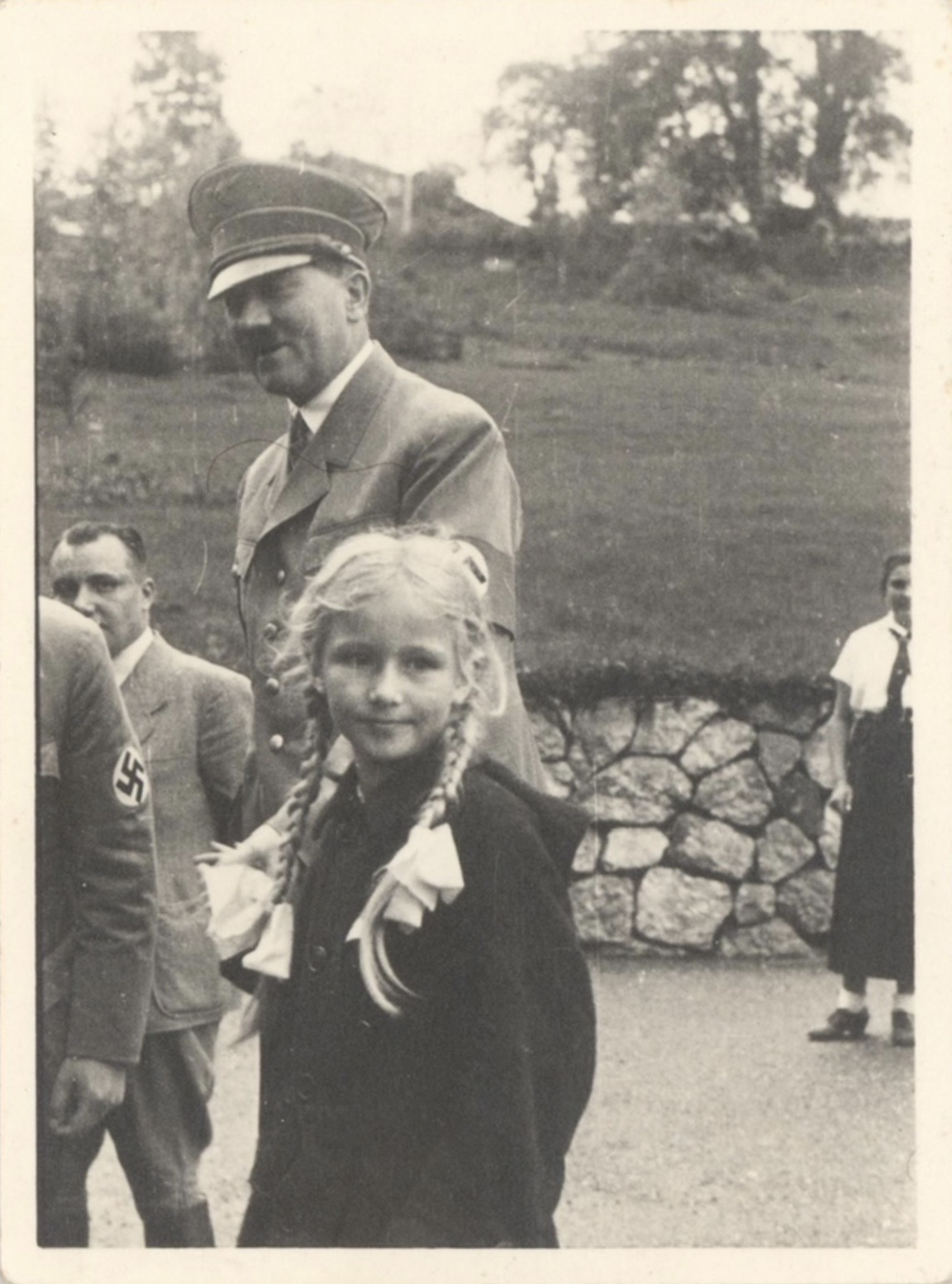
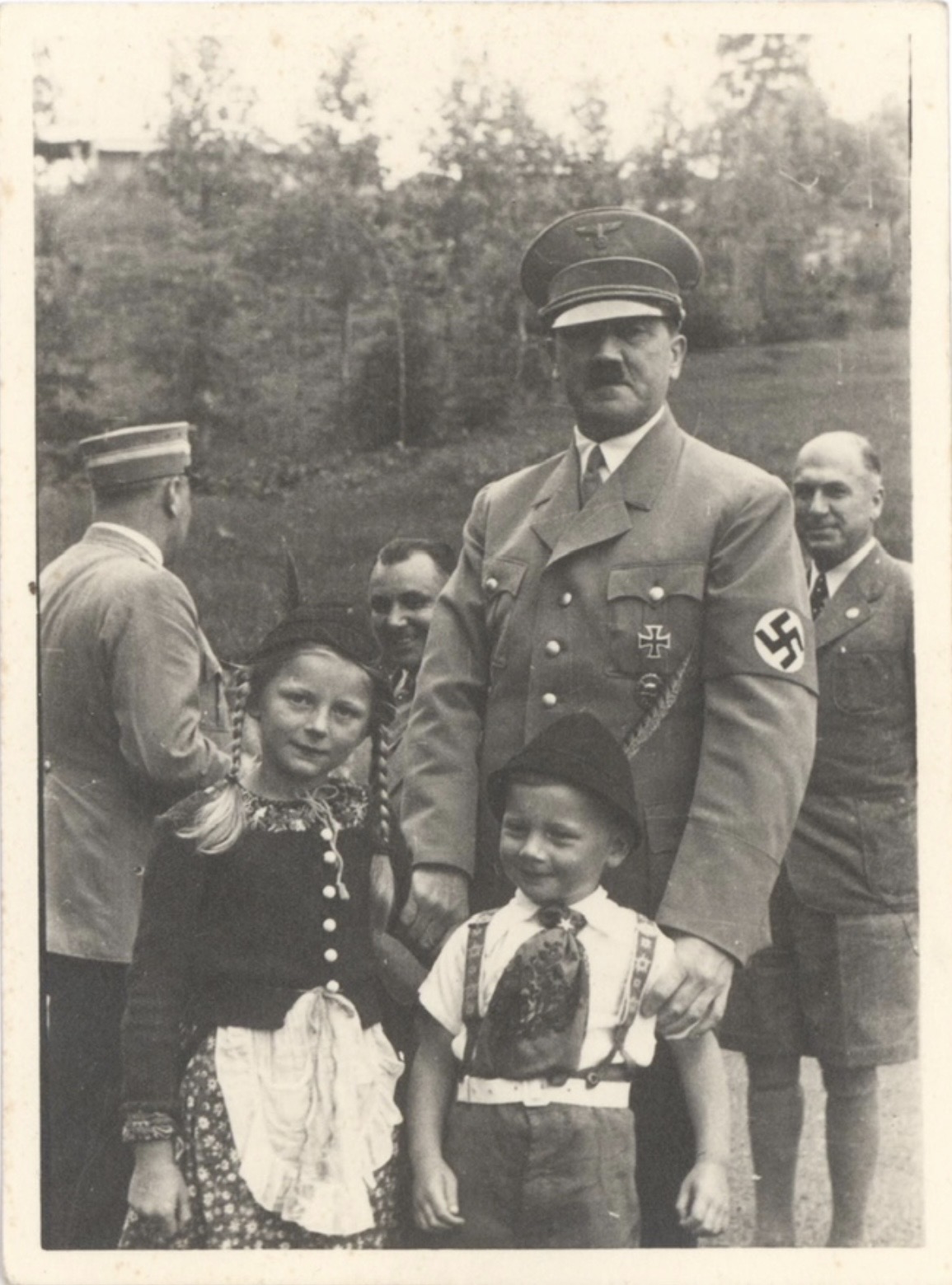
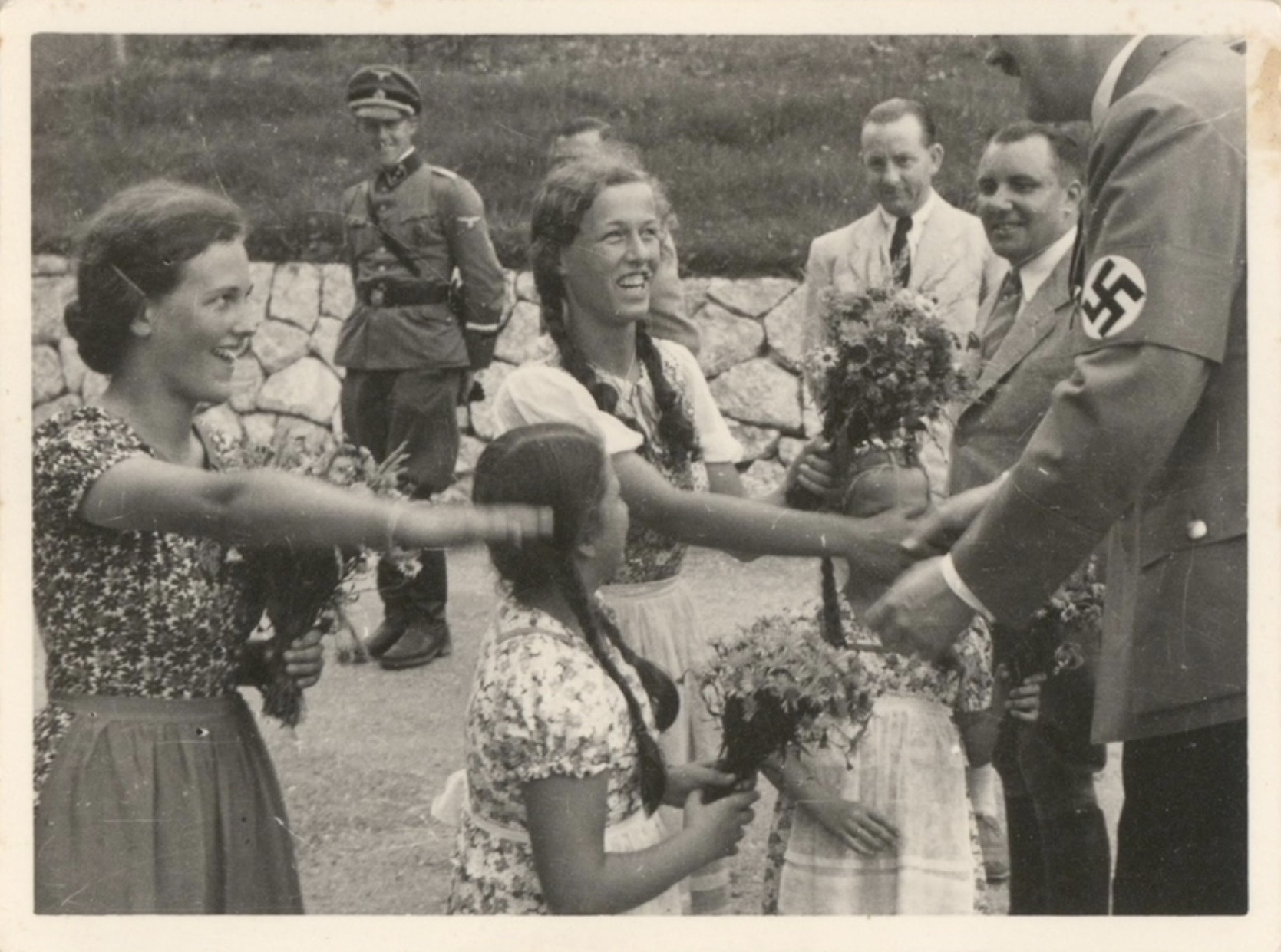
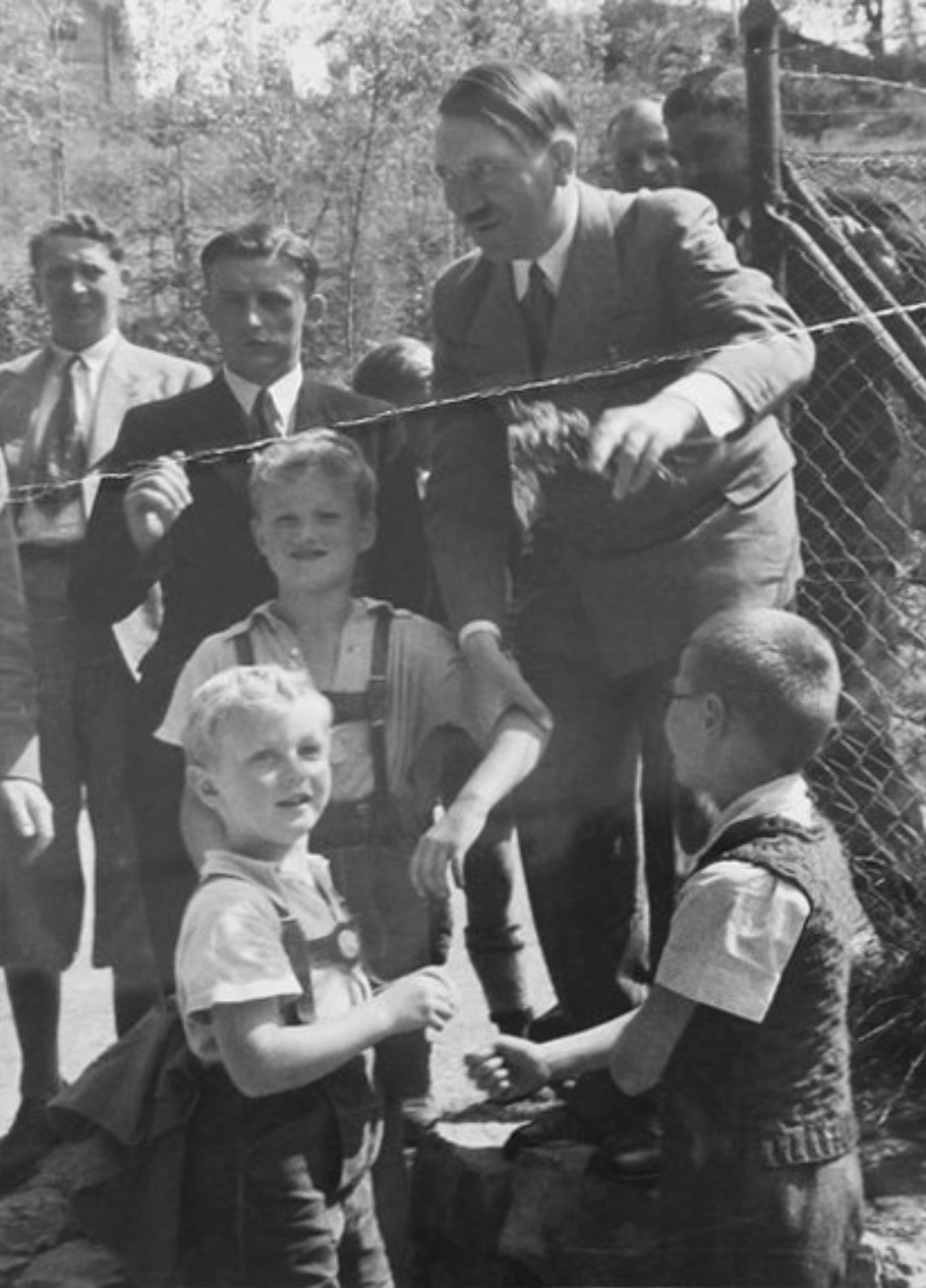
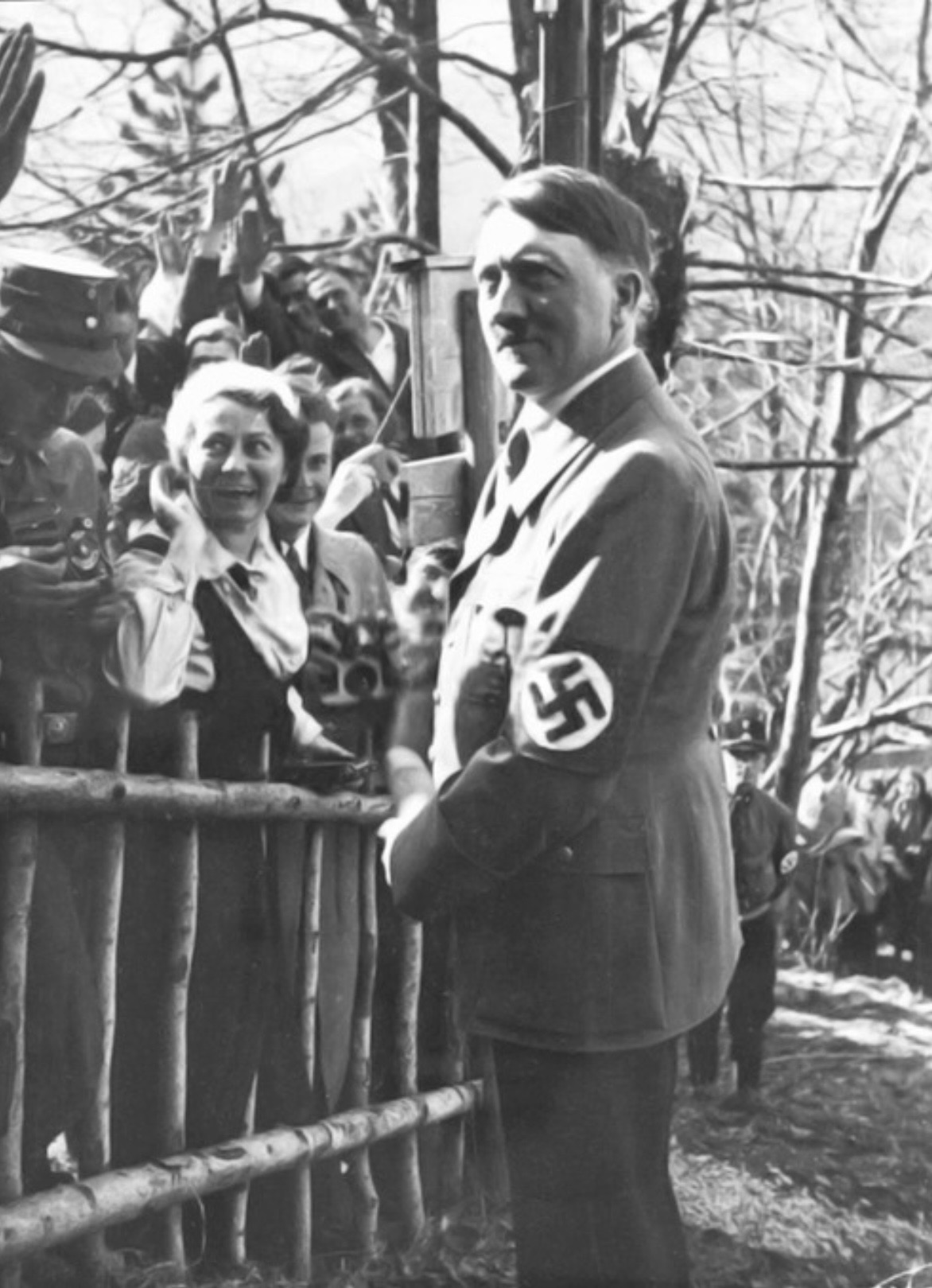
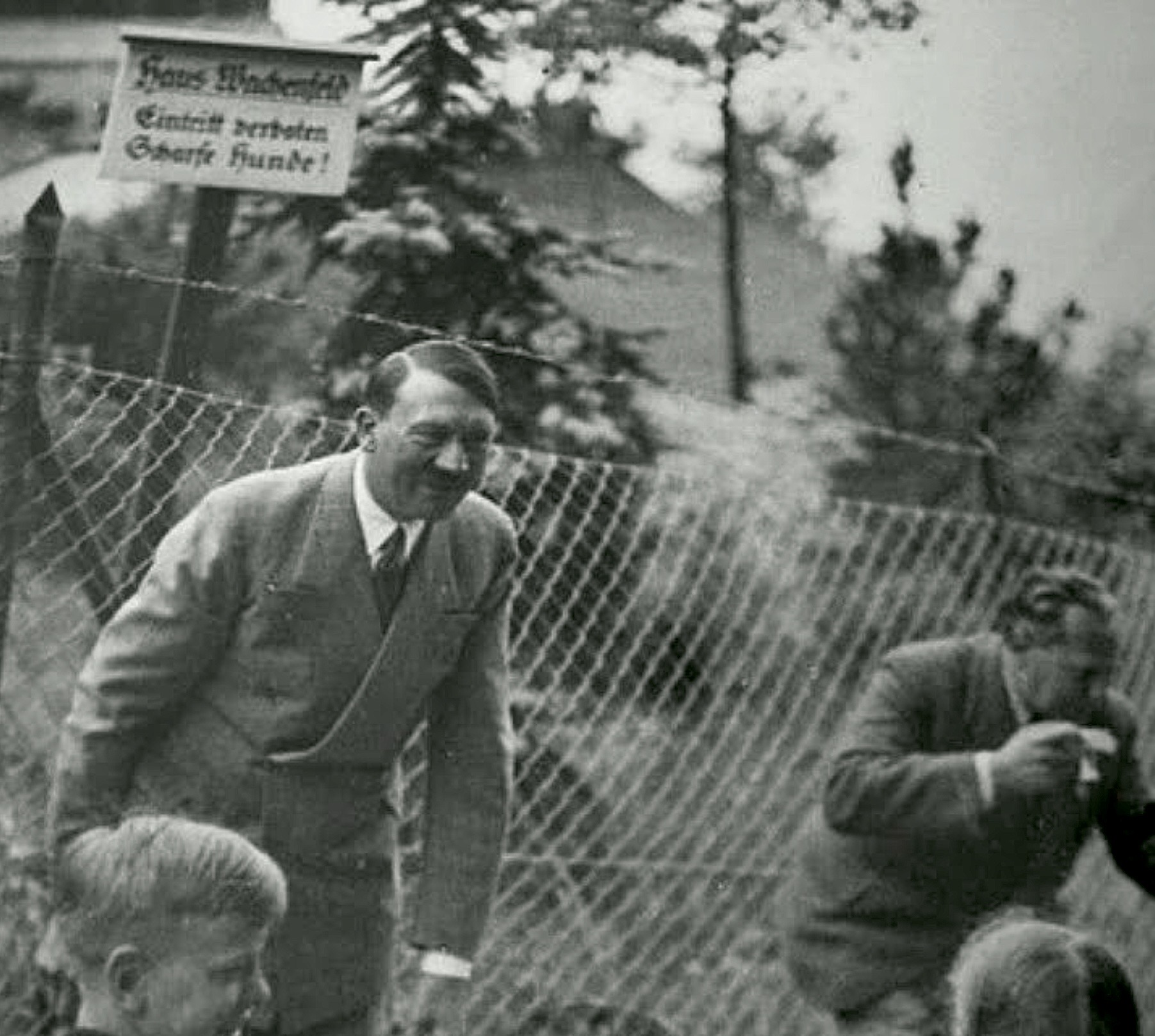


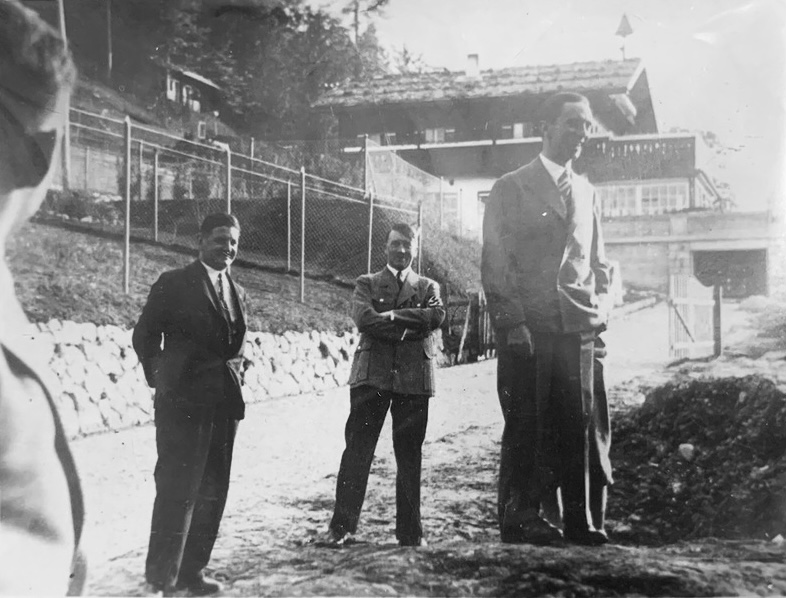
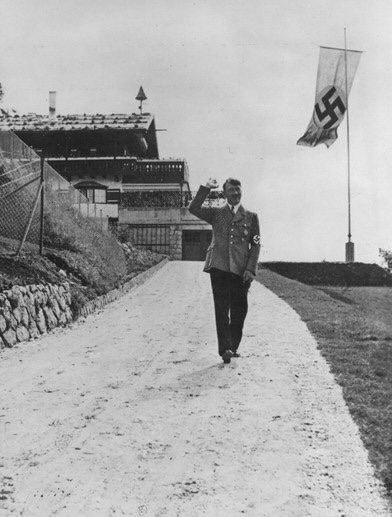
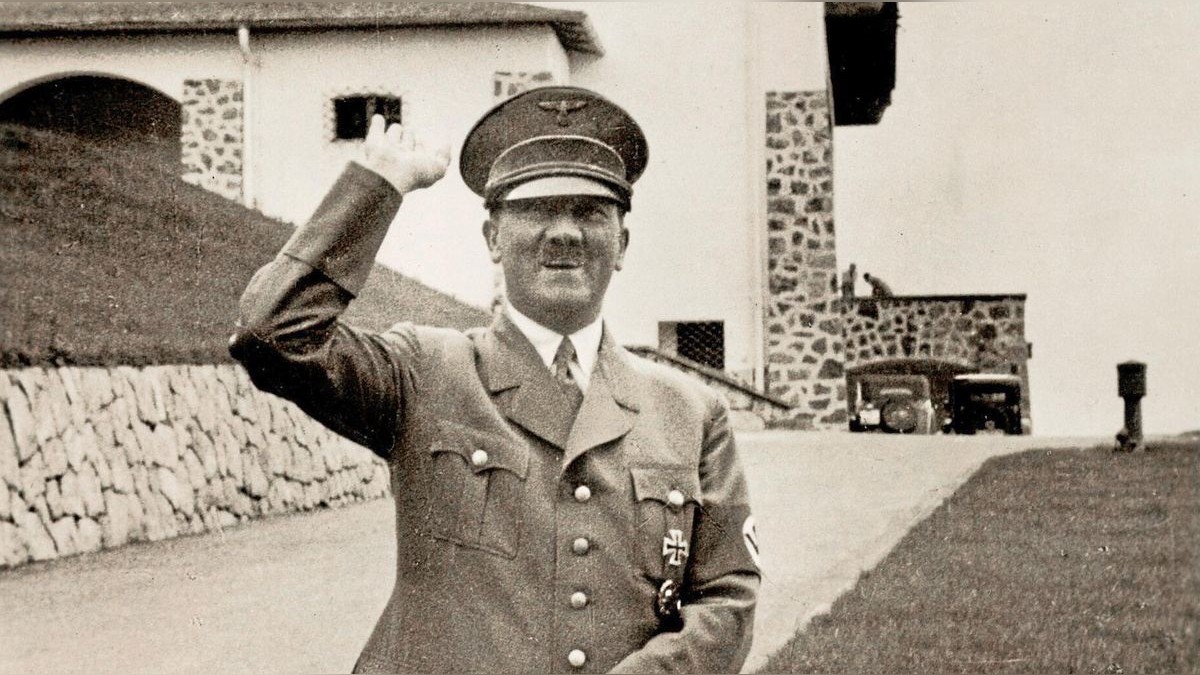
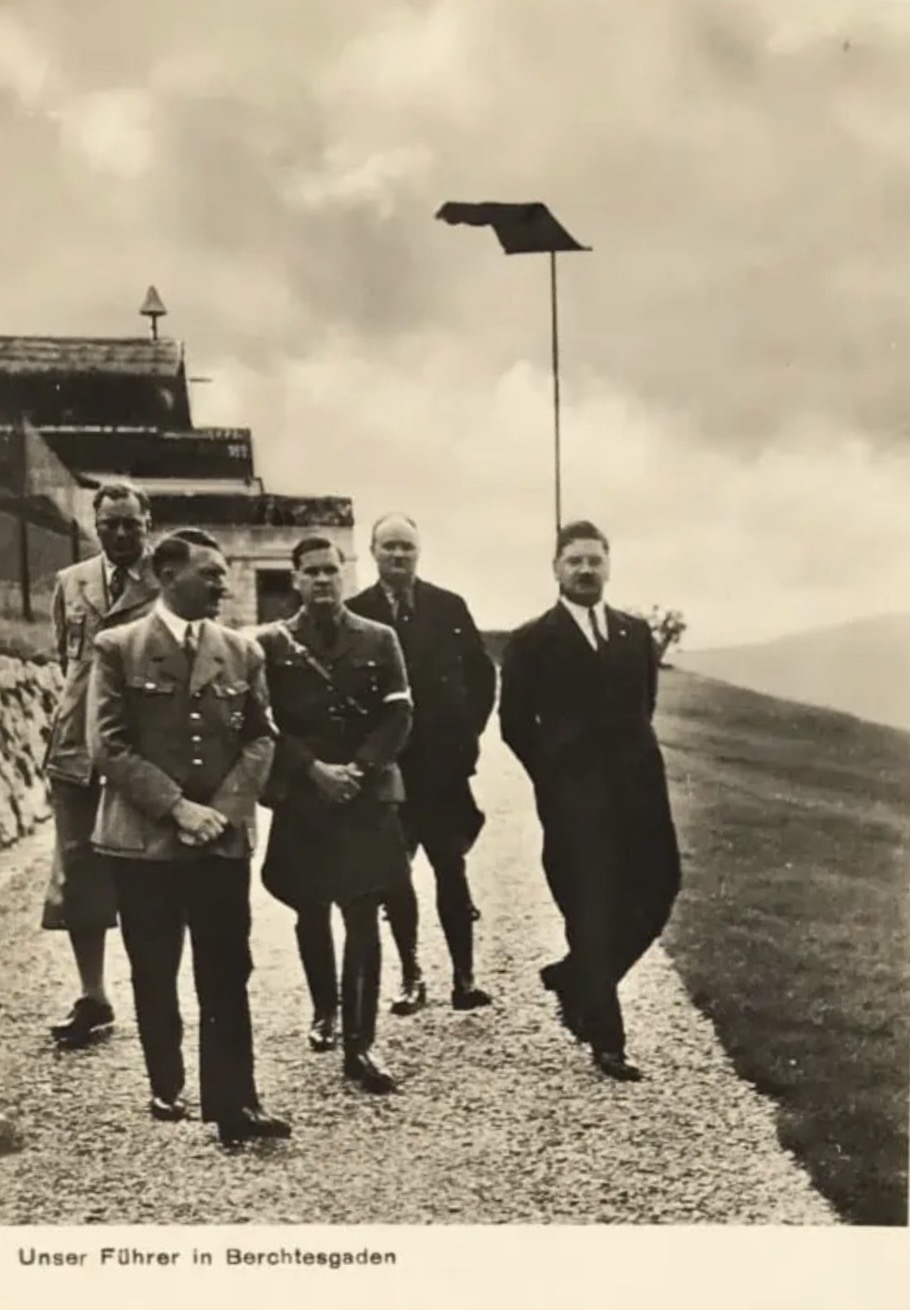
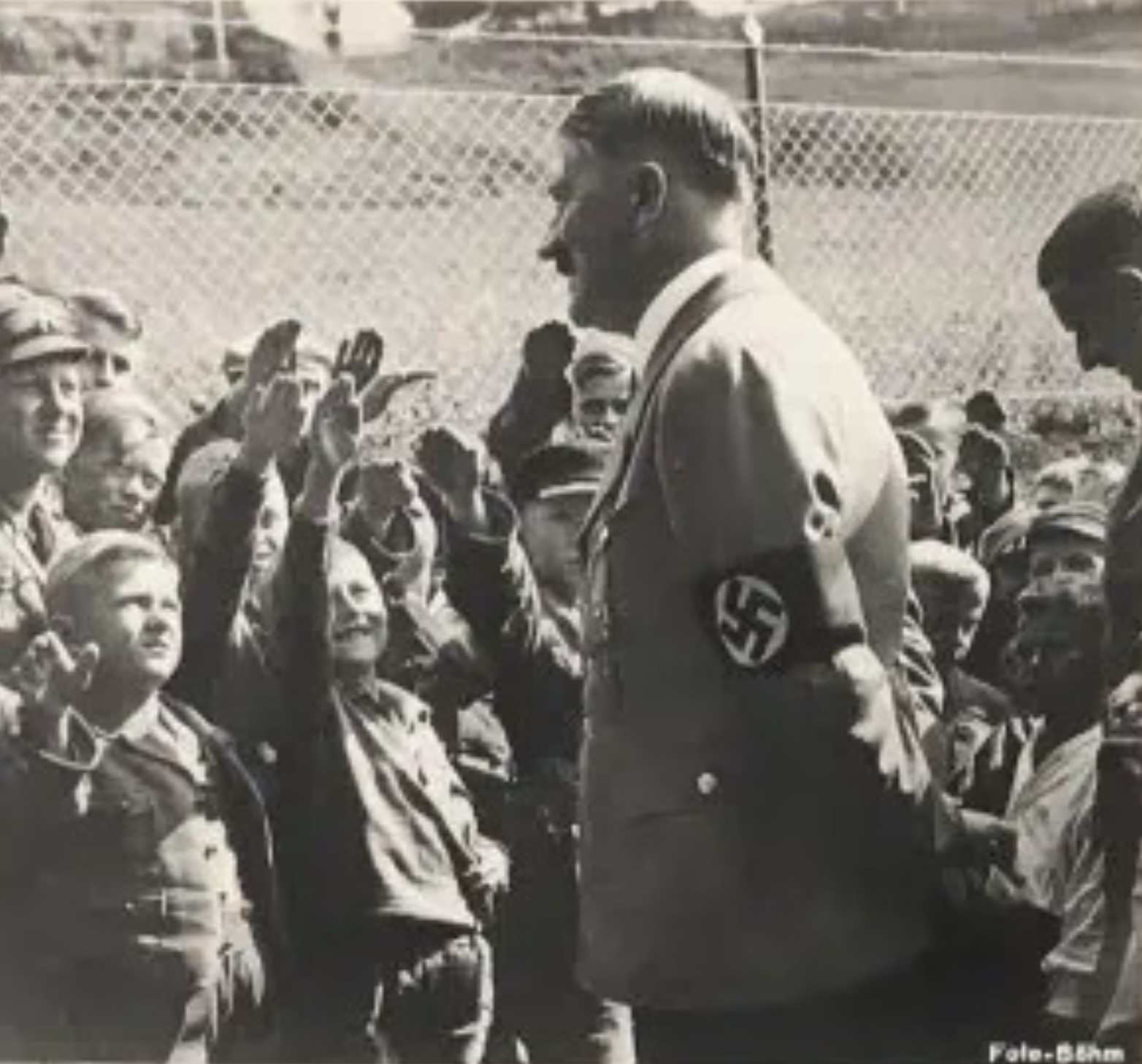
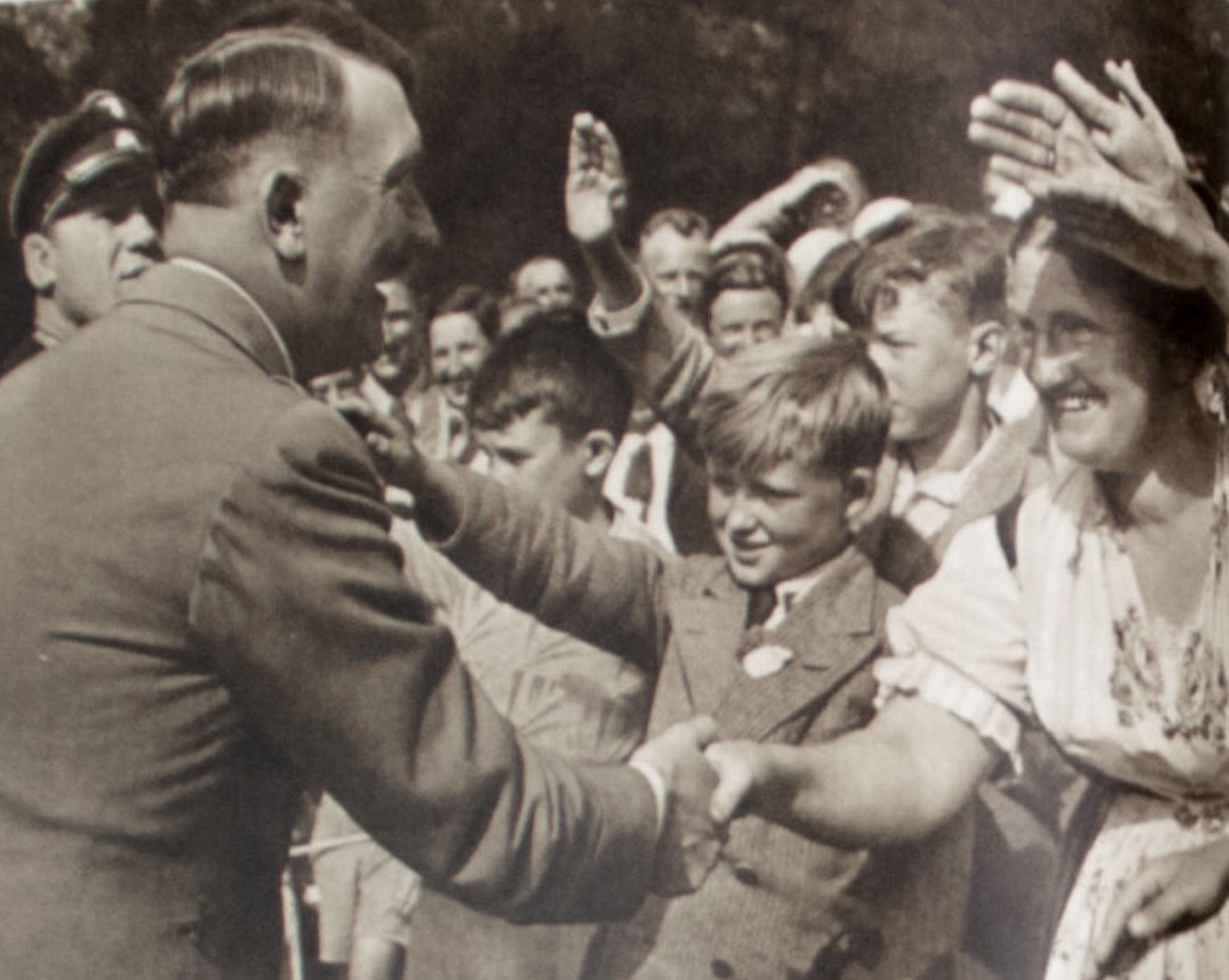


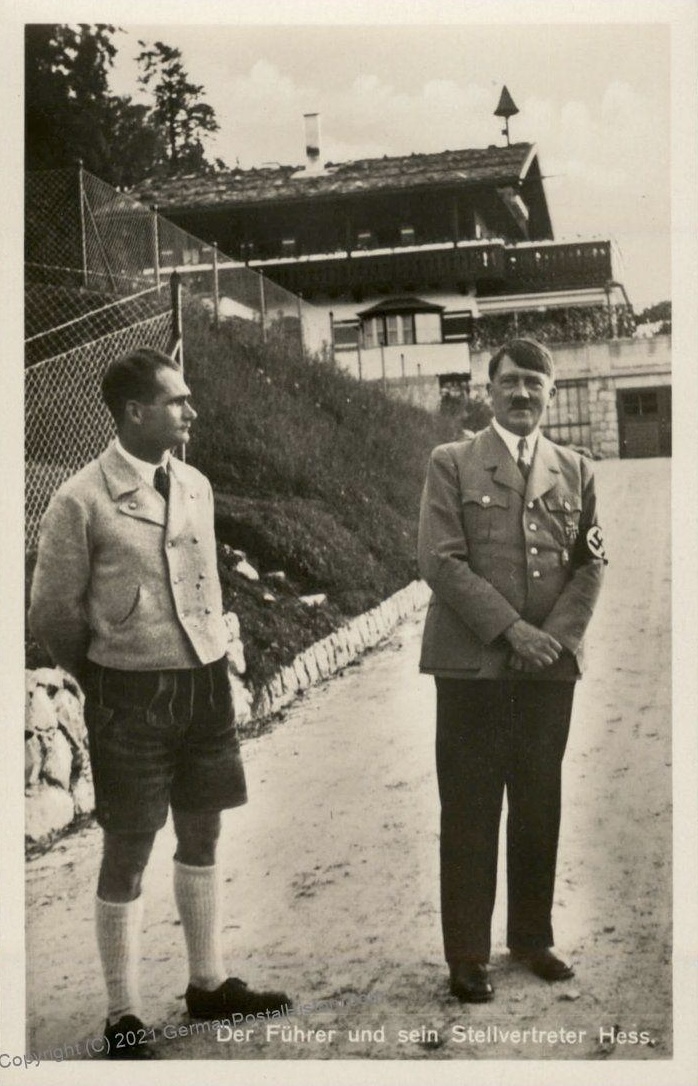
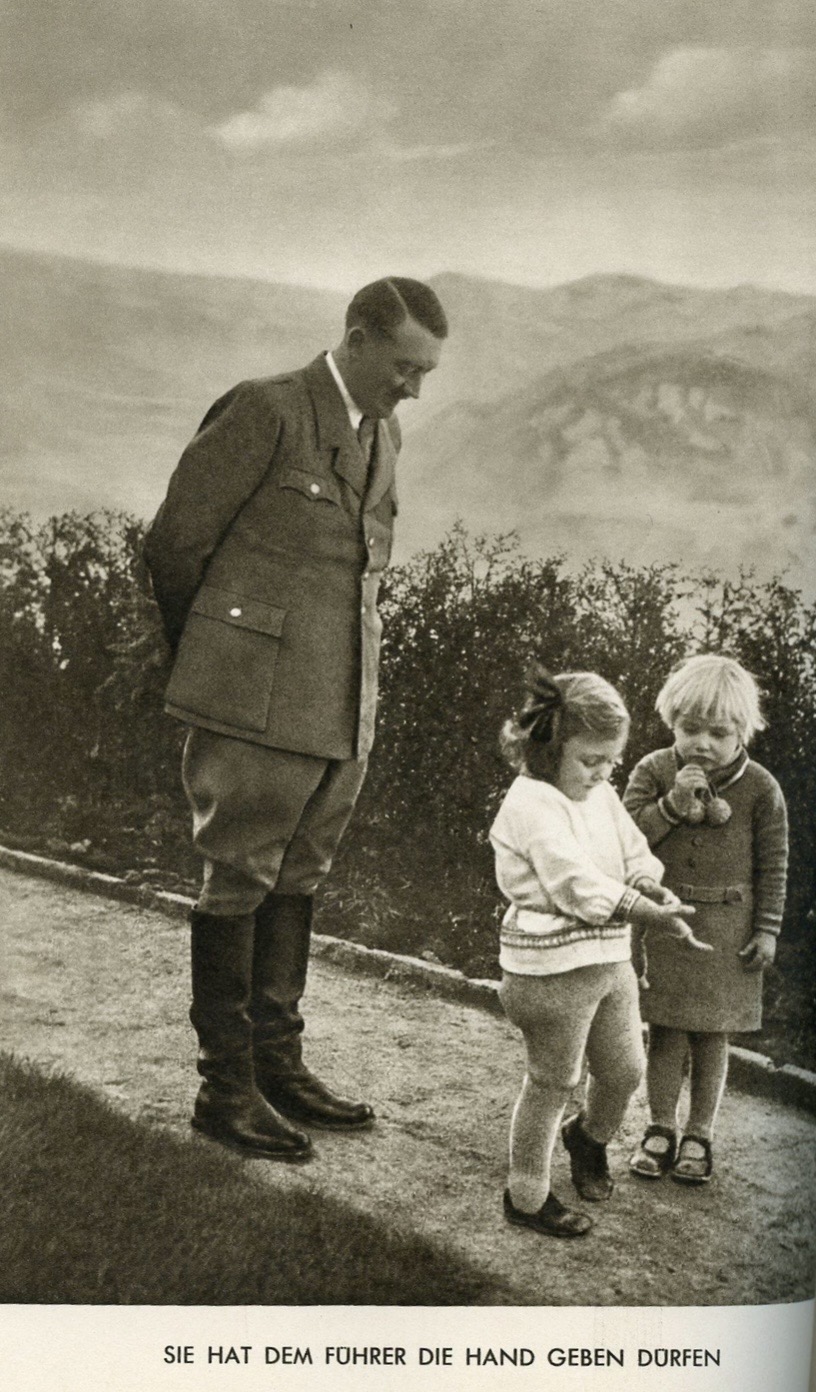
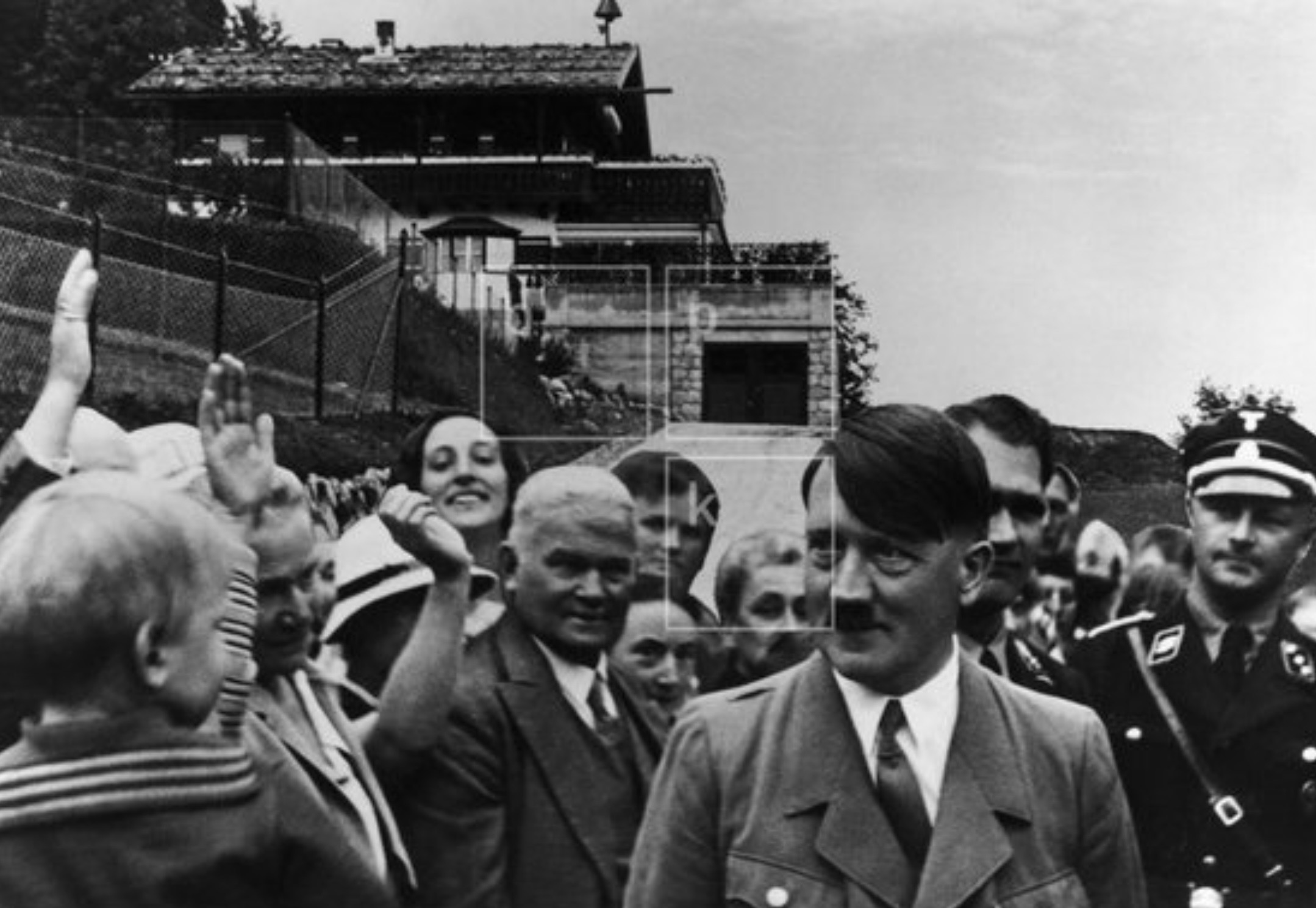
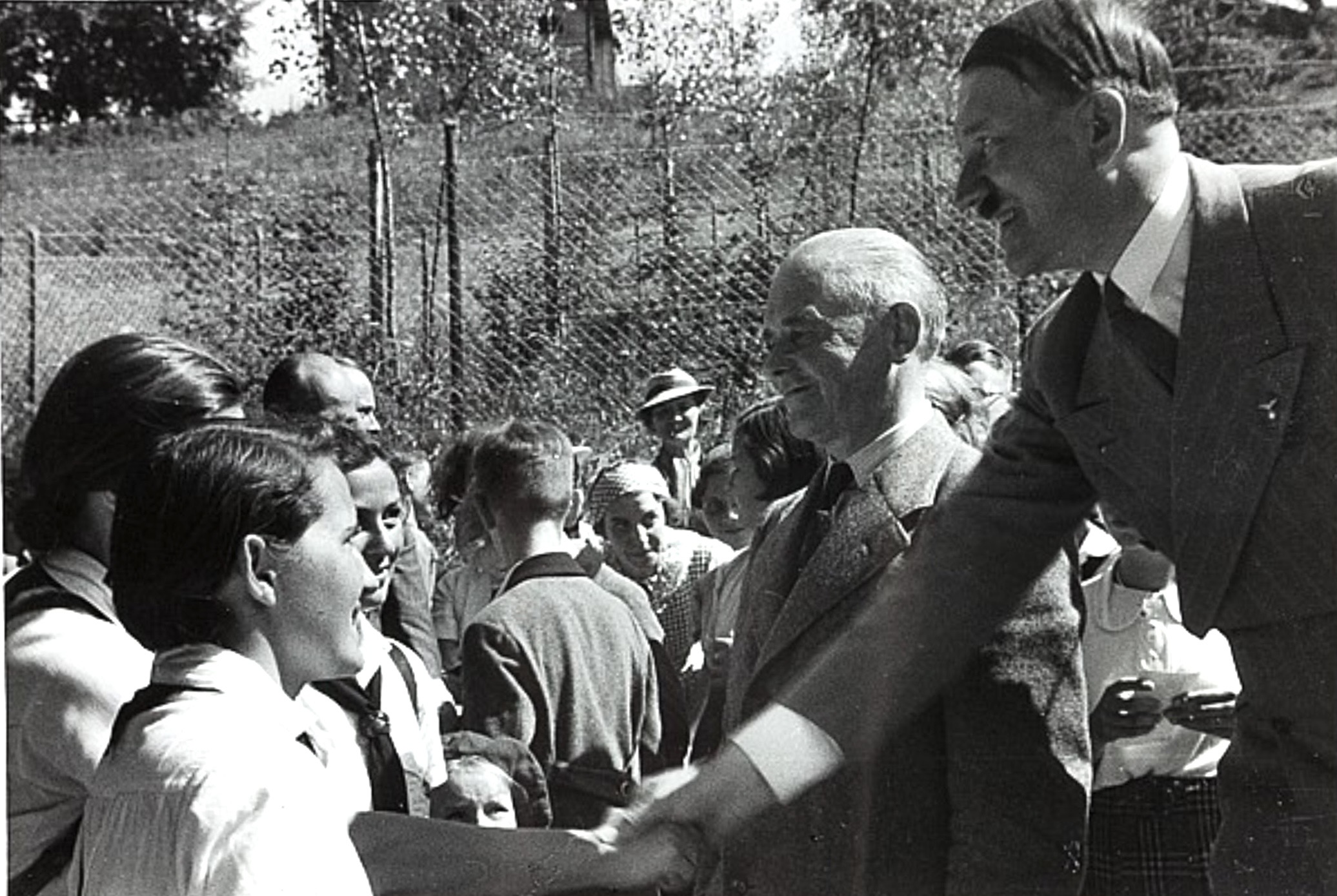


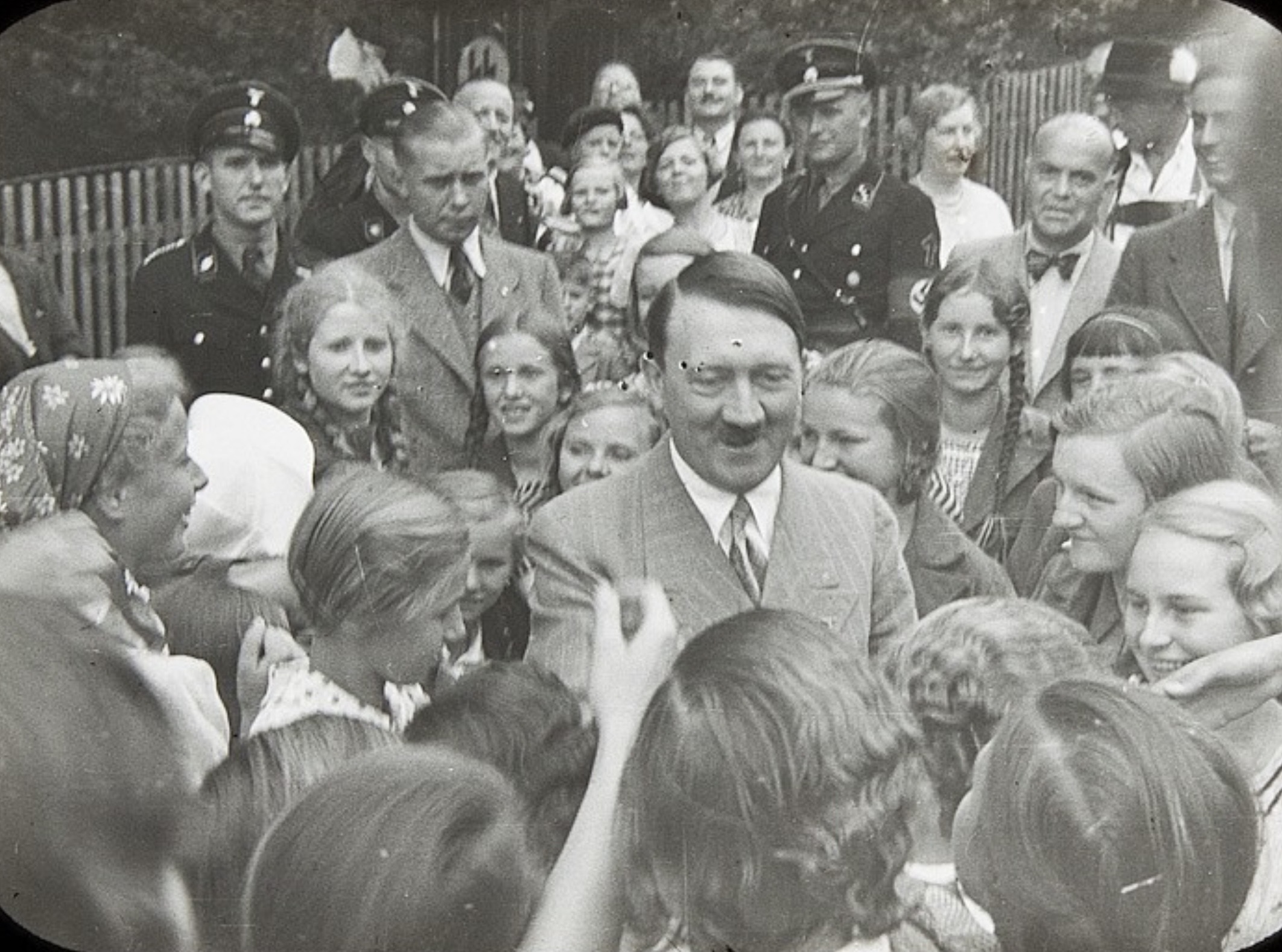


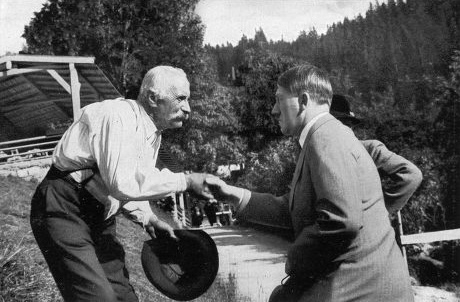
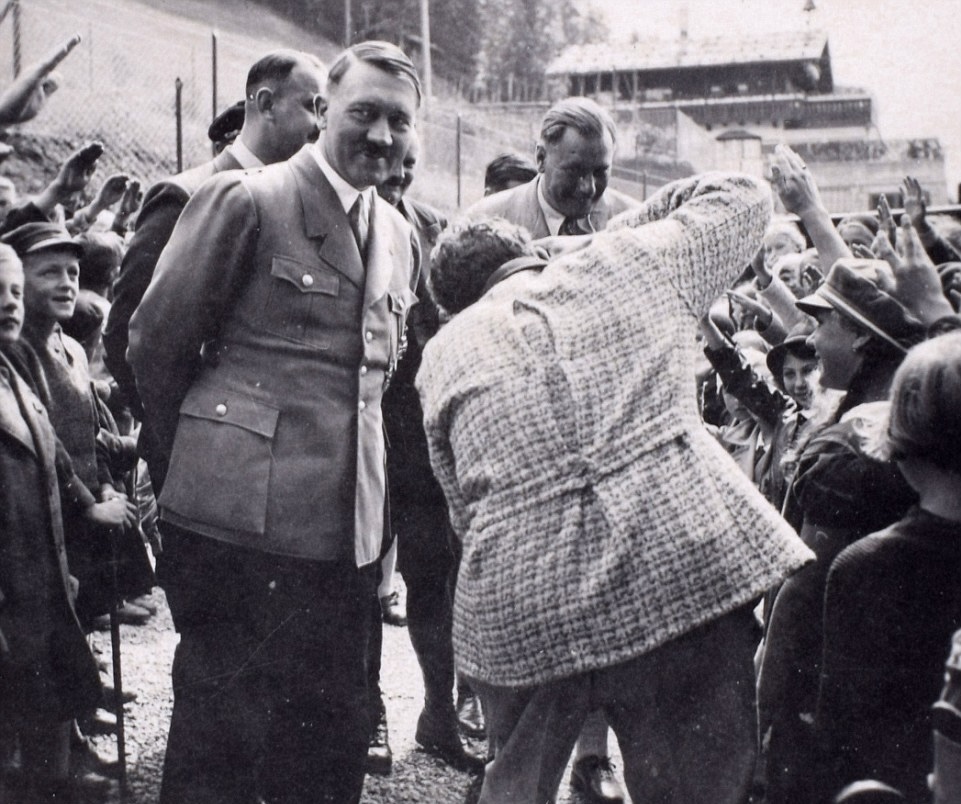
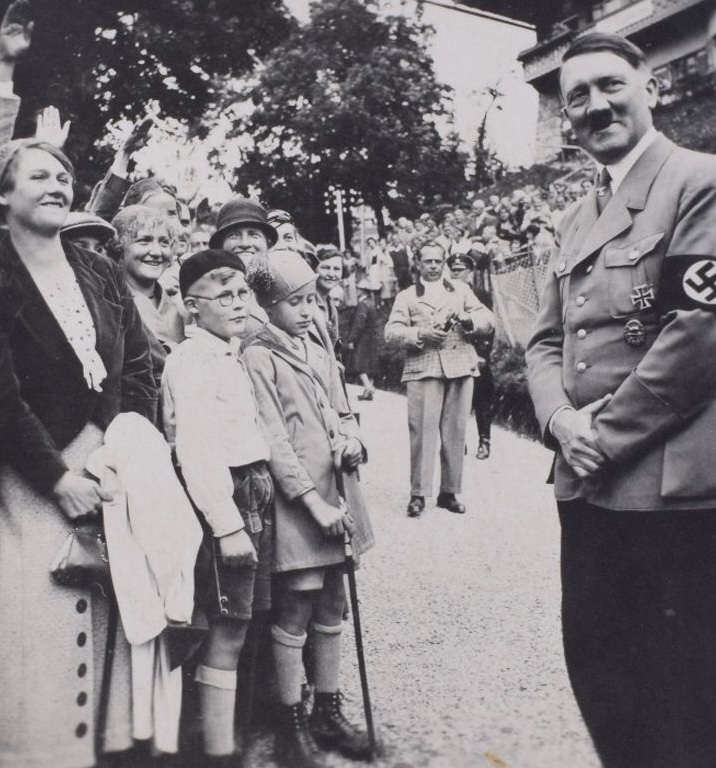
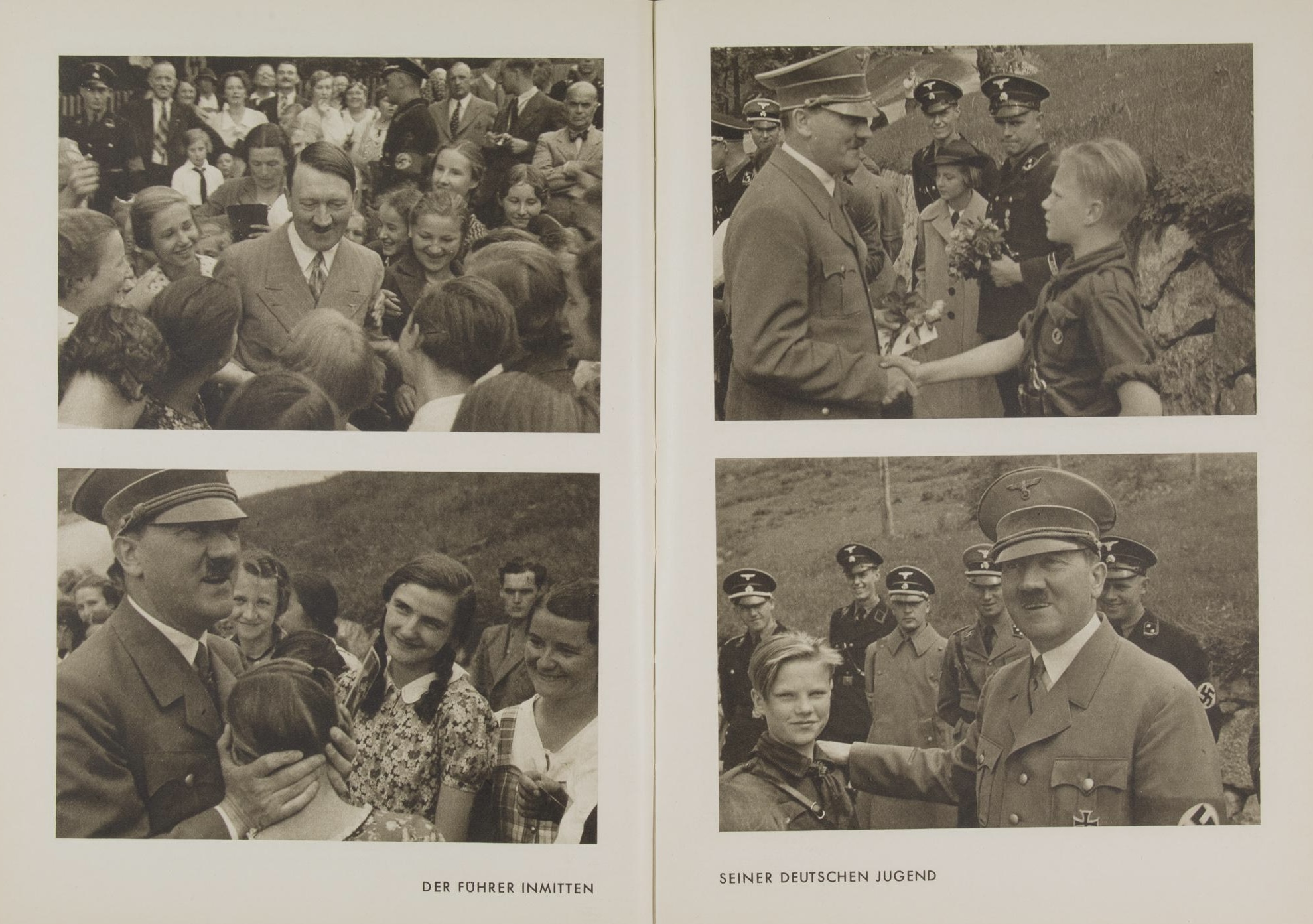
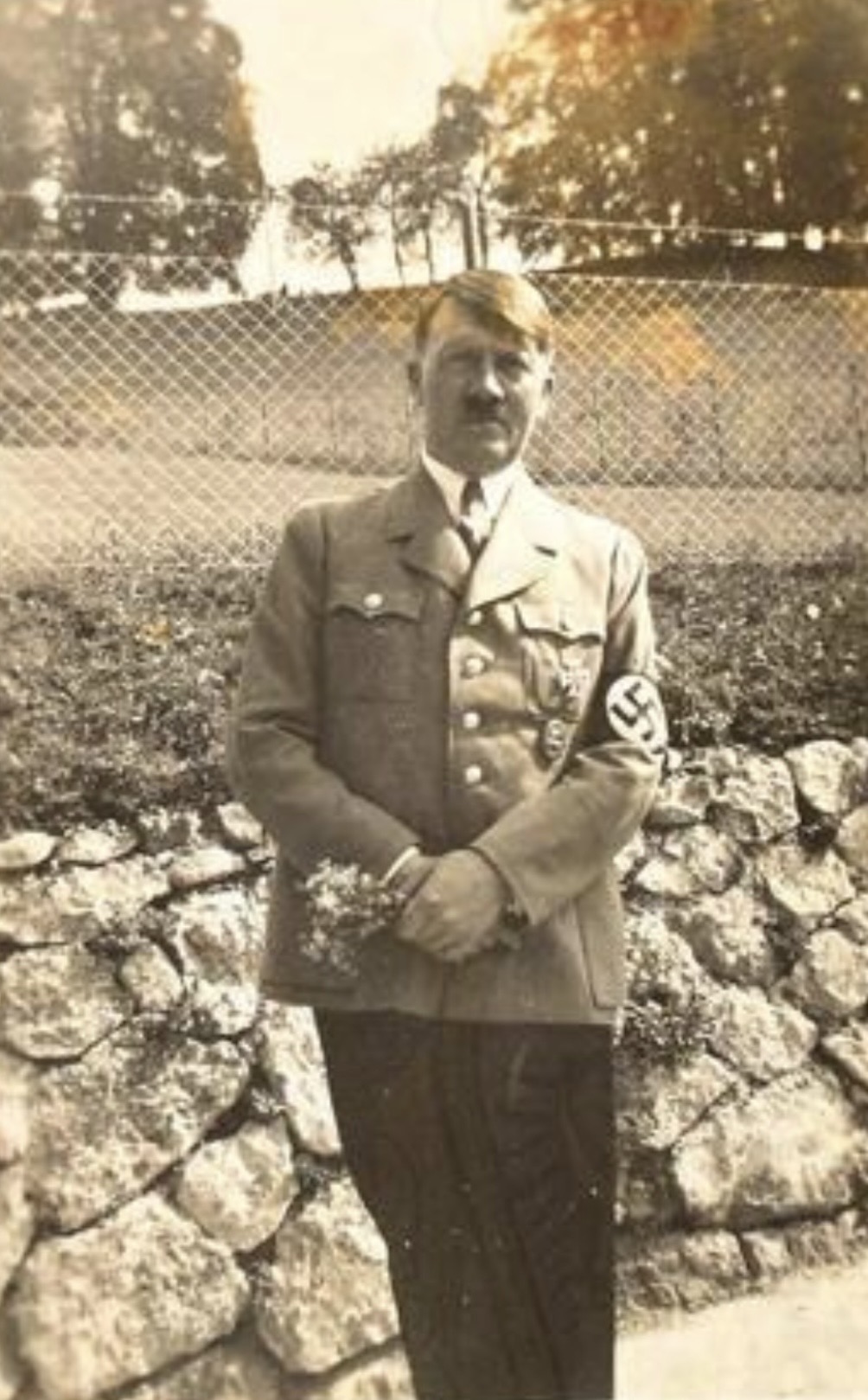
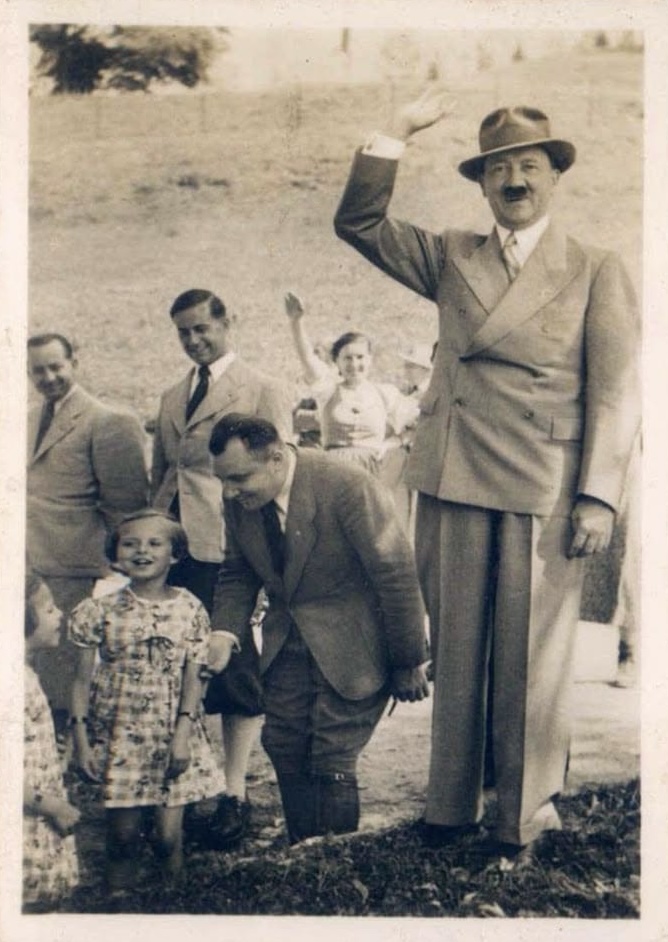
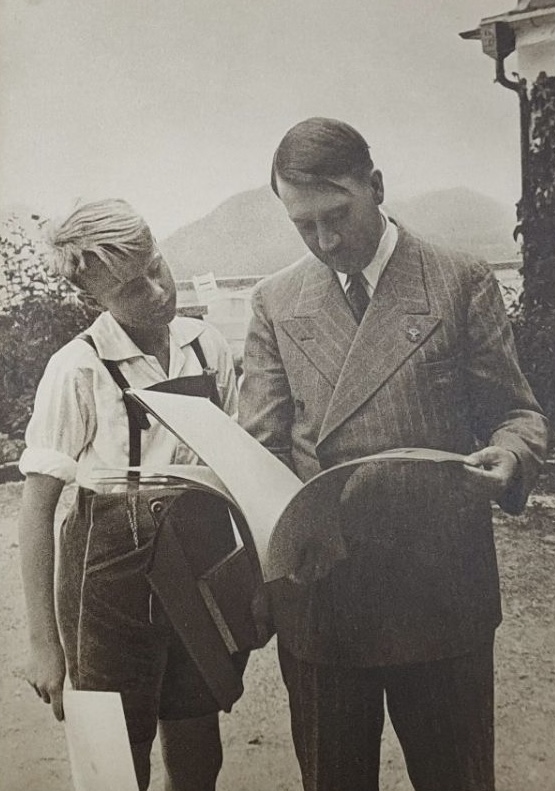
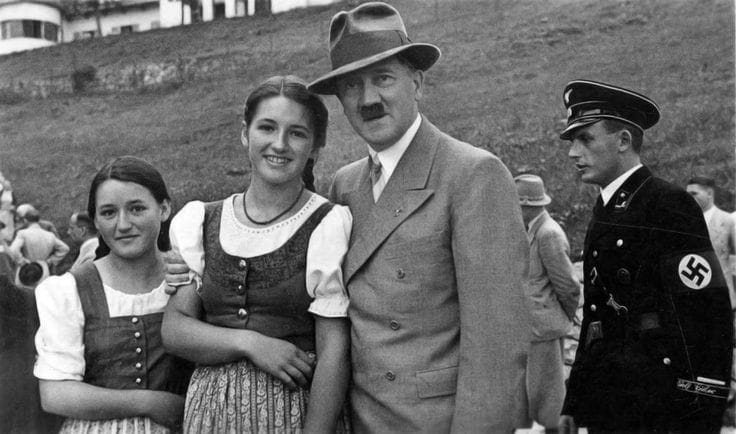
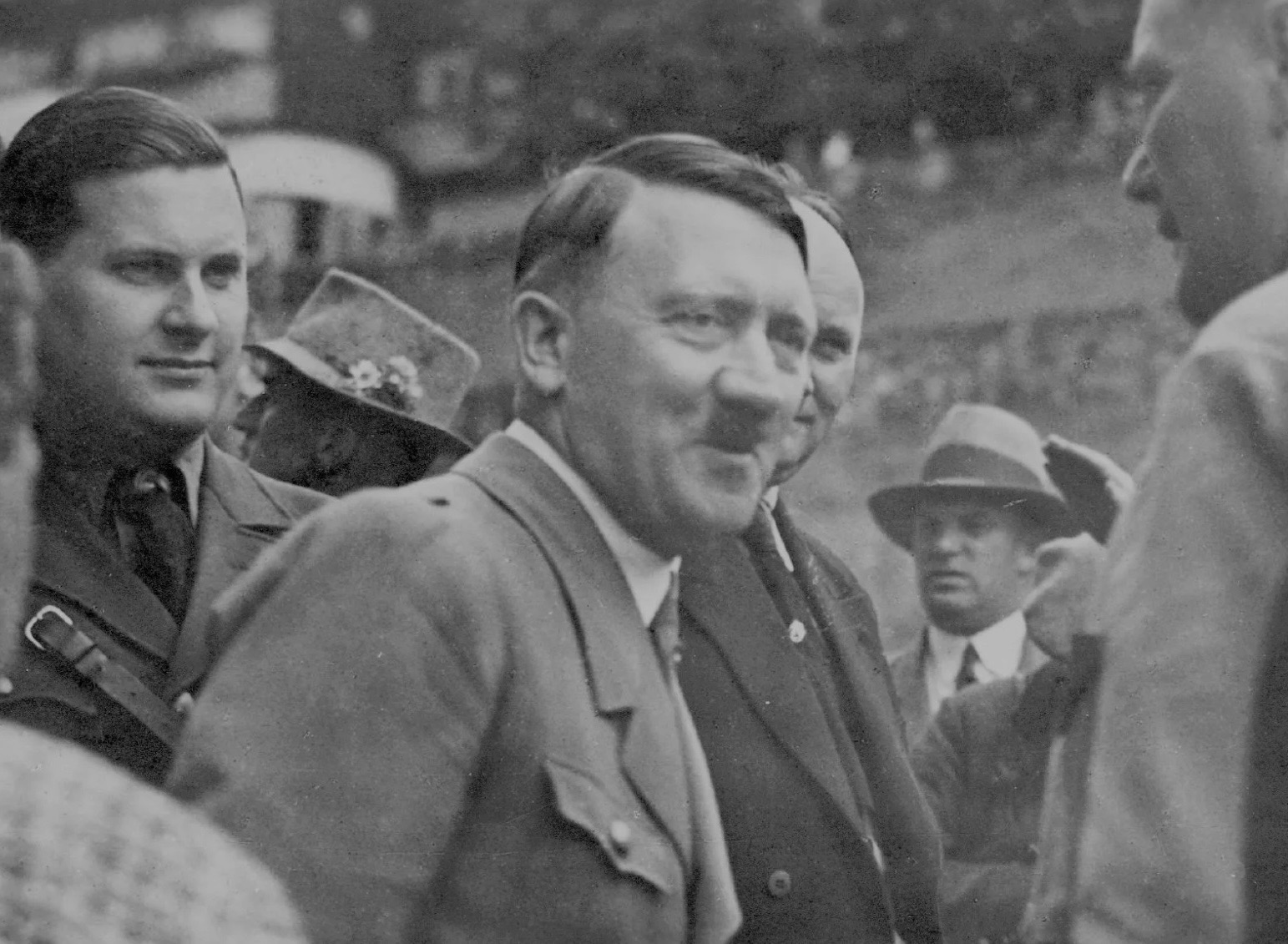
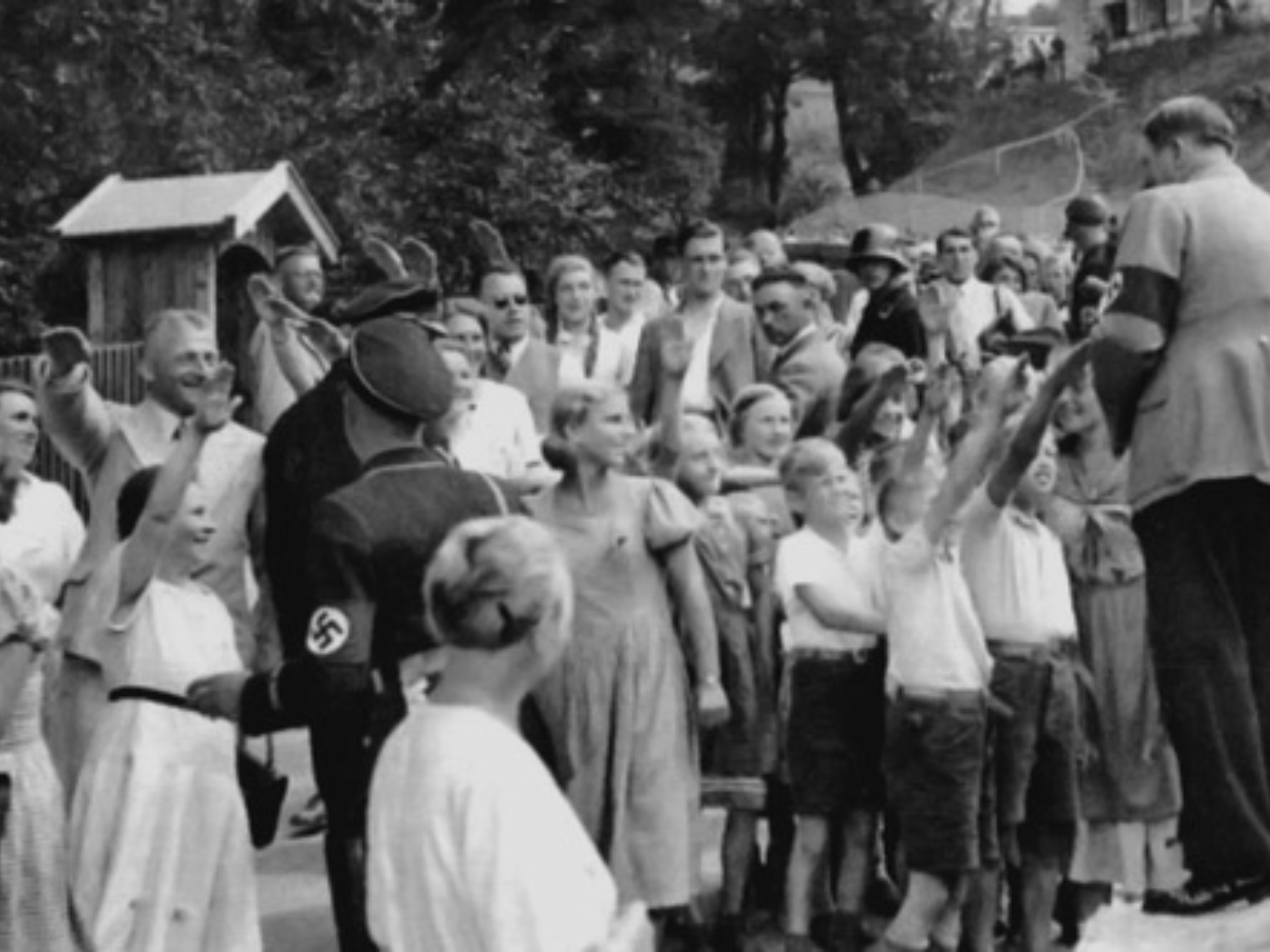
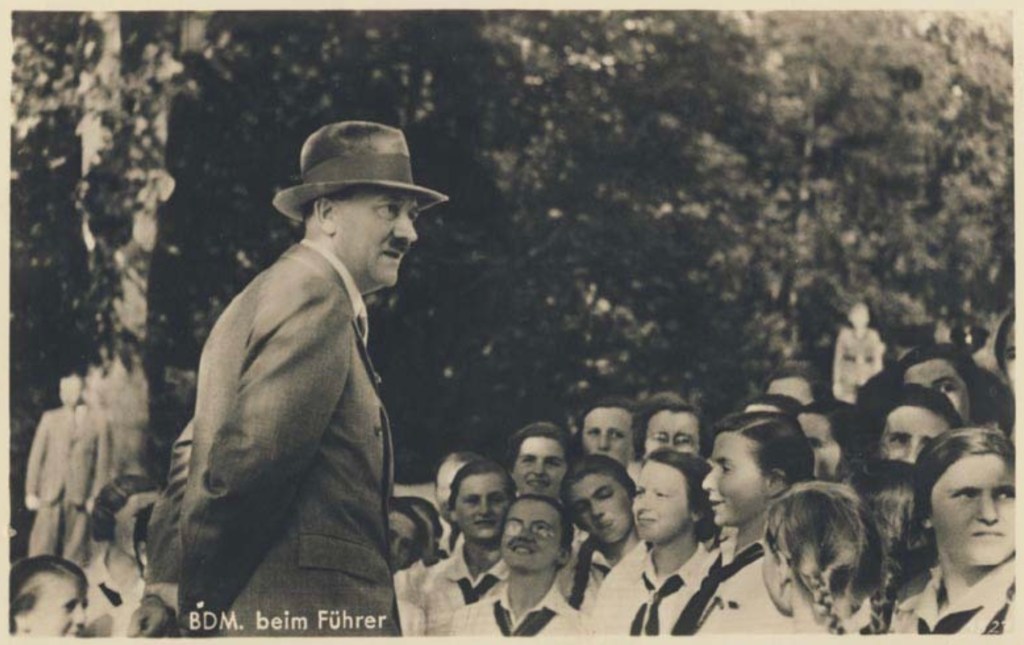

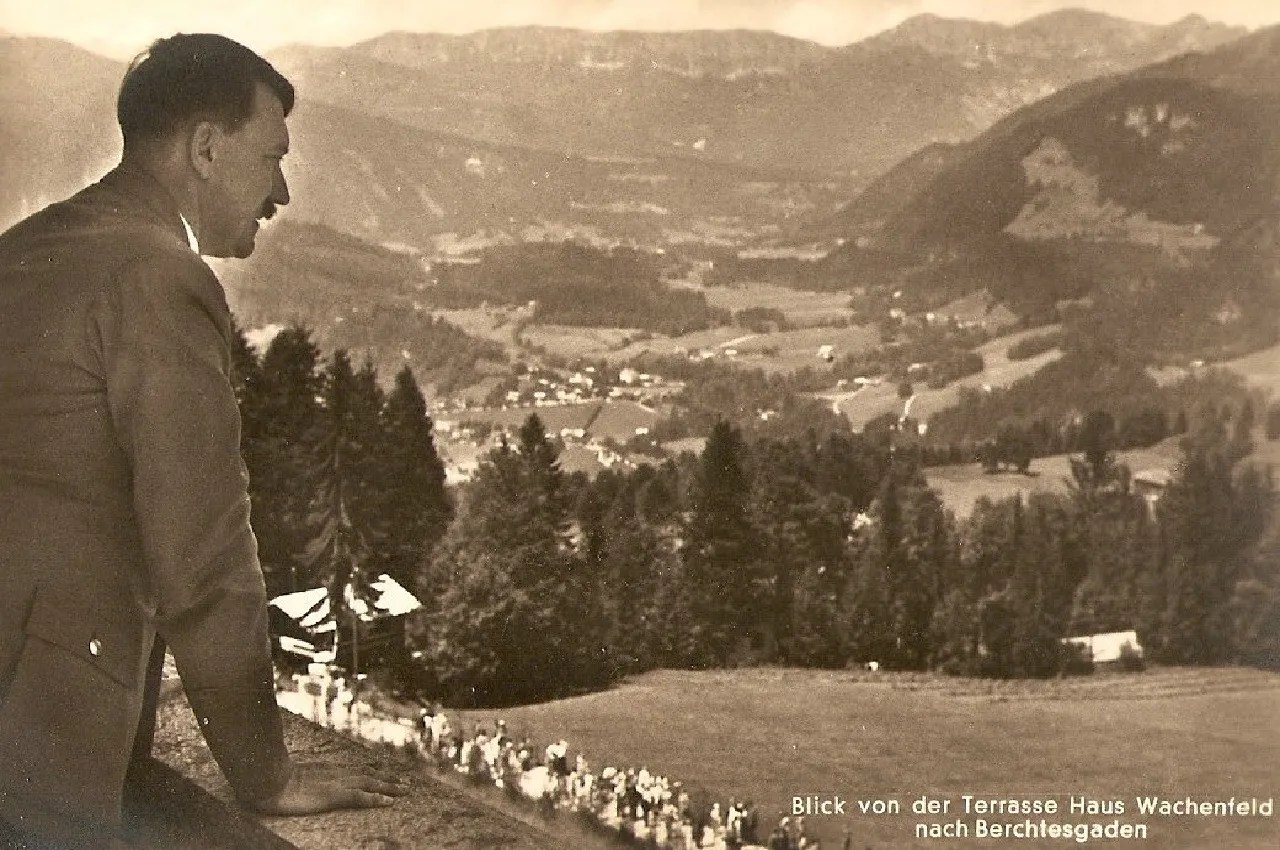
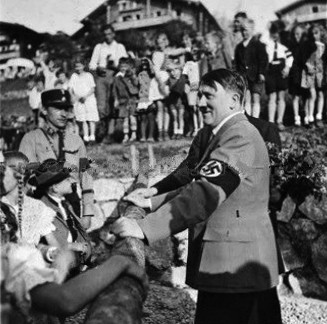
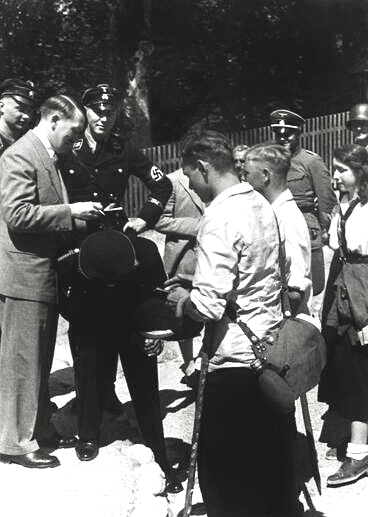
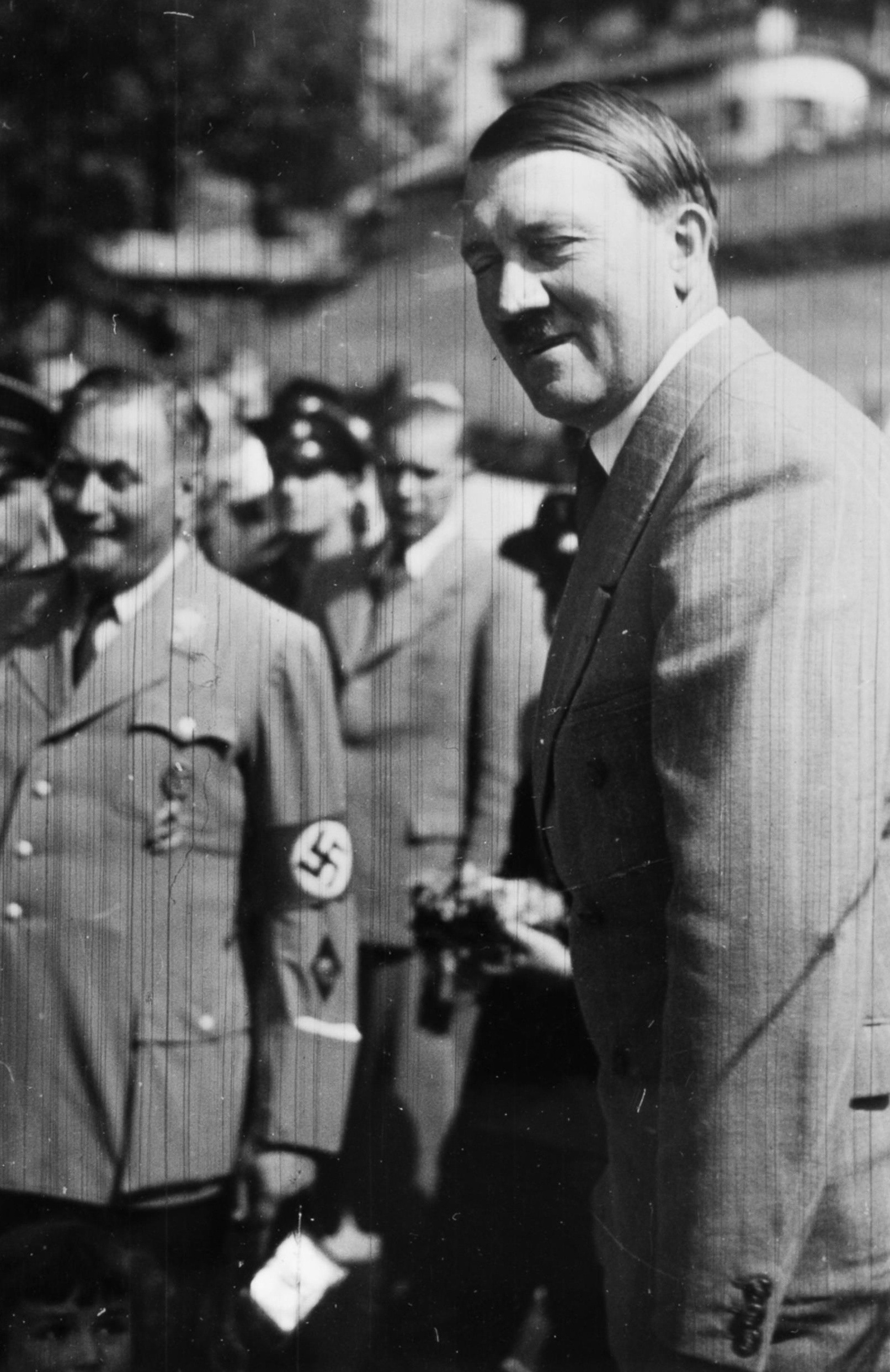
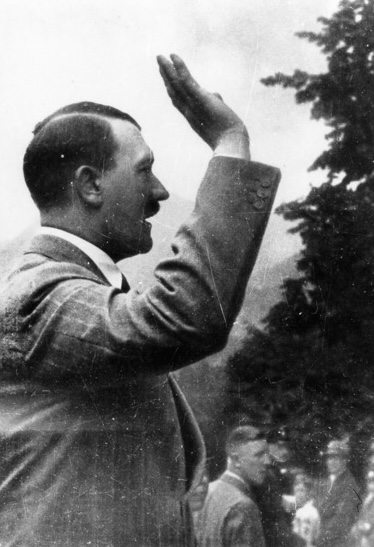
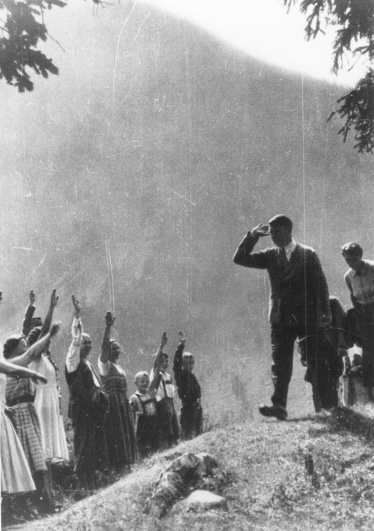
The following is a series of four photographs from Eva Braun’s private albums titled “Vorbeimarsch” (march past) showing Hitler greeting visitors arriving out in front of his private residence the Berghof. Thousands of people would make the pilgrimage each day to Berchtesgaden hoping just to catch a glimpse of the Führer, or to be lucky enough to even get an autograph and photo taken with him…
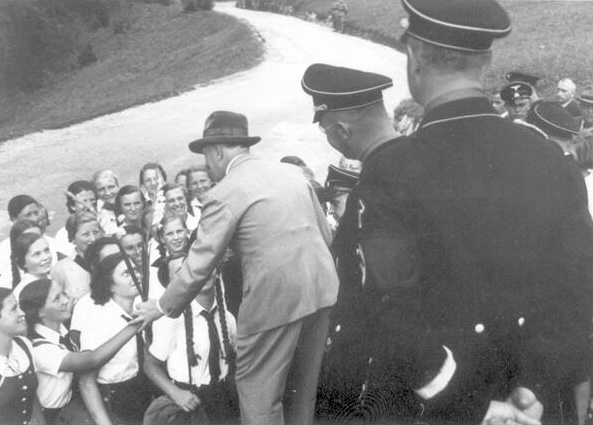
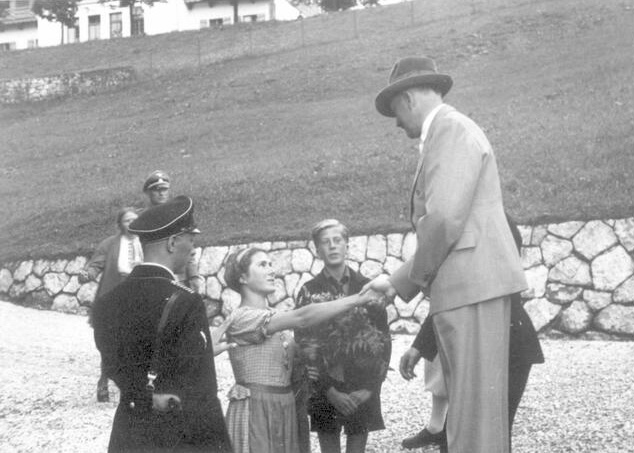
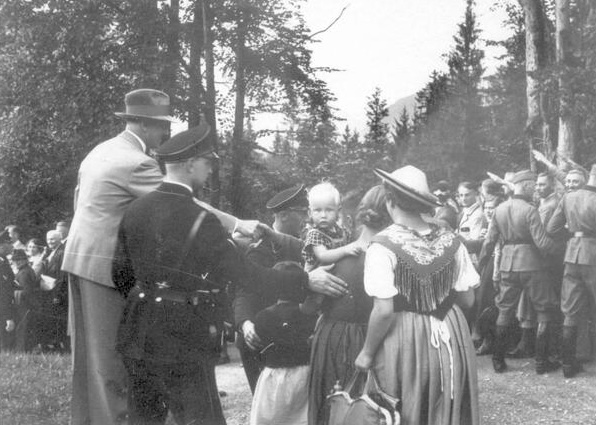
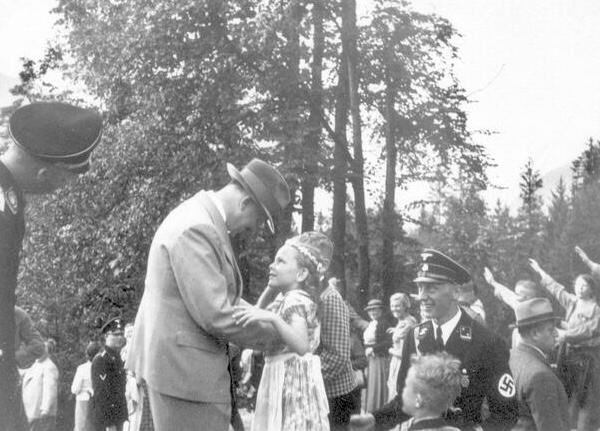
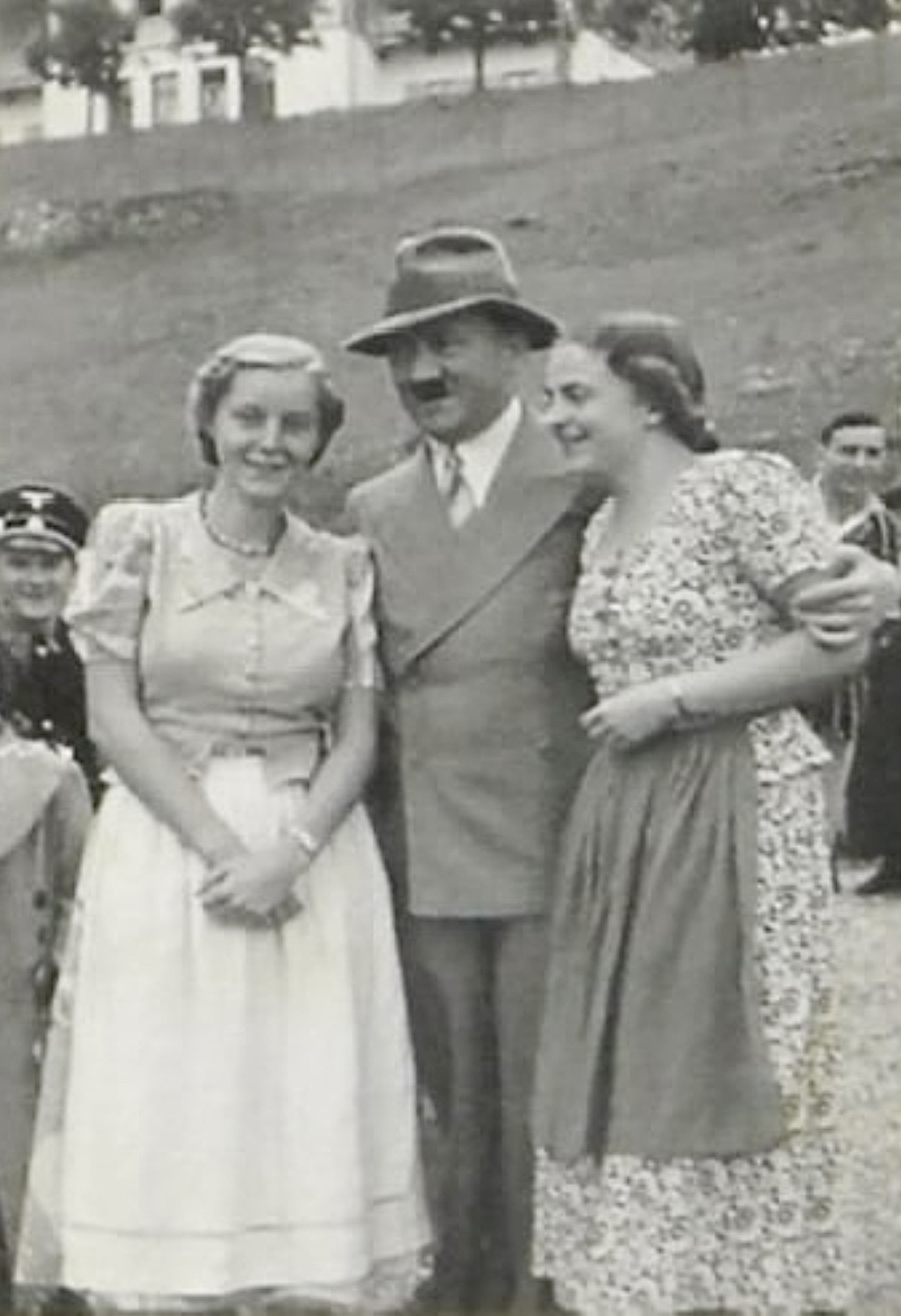
Hitler’s Obersalzberg mountain home hosted high-ranking Nazi officials, European leaders, and diplomats. Key guests included Neville Chamberlain, Benito Mussolini, and the Duke and Duchess of Windsor. It was a mix of private retreat, entertaining space for close associates, and a high-stakes diplomatic venue. These photos show public visitors who came to the Berghof, ordinary citizens hoping to get an autograph or photo taken with Hitler. Heinrich Hoffmann took hundreds of photos at these occasions to publish in his books and to produce as postcards.





 Heinrich Hoffmann Photo Gallery