
“I’m not interested in the intellectual, I’m interested in the German people….”
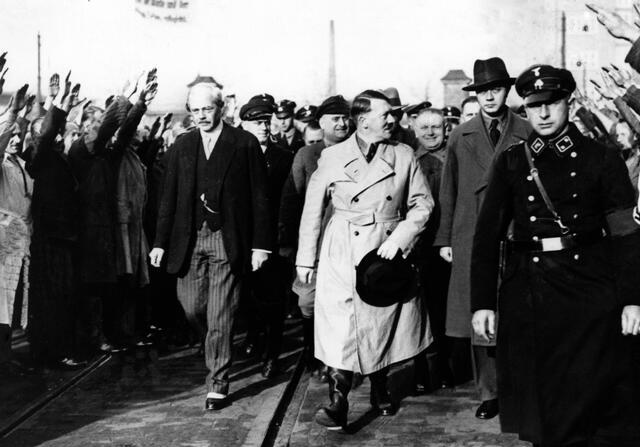
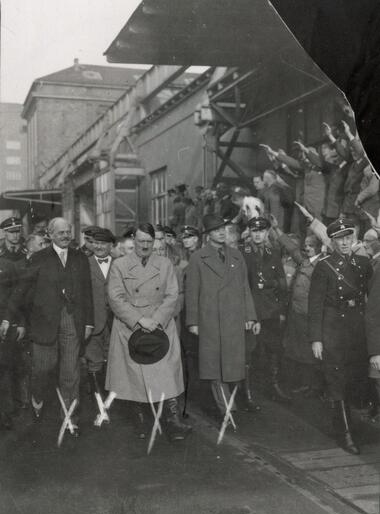
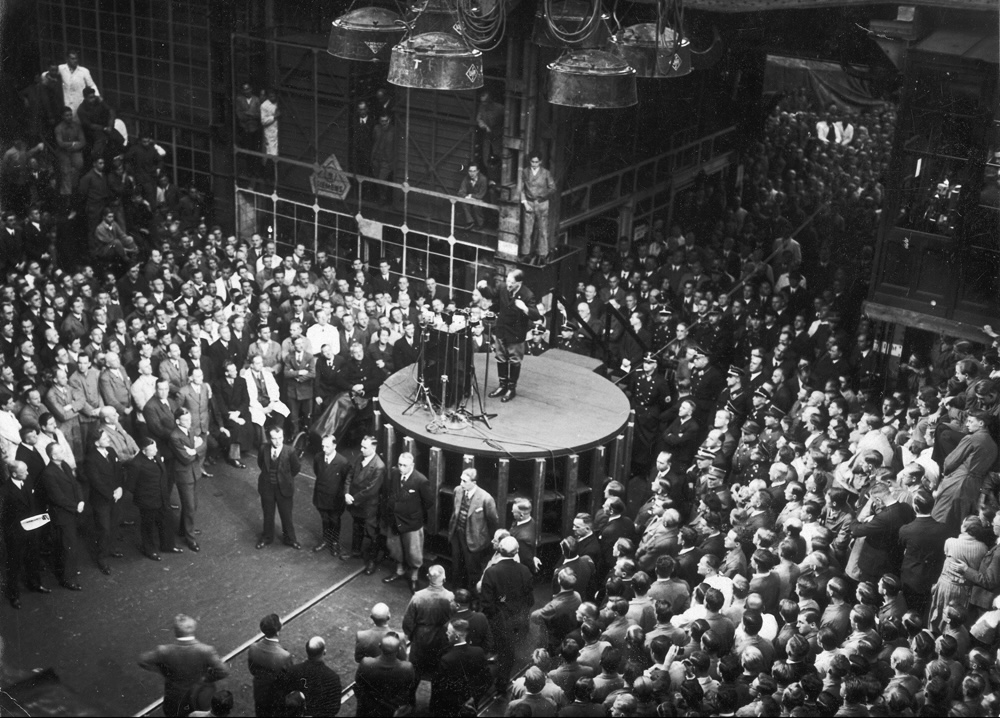
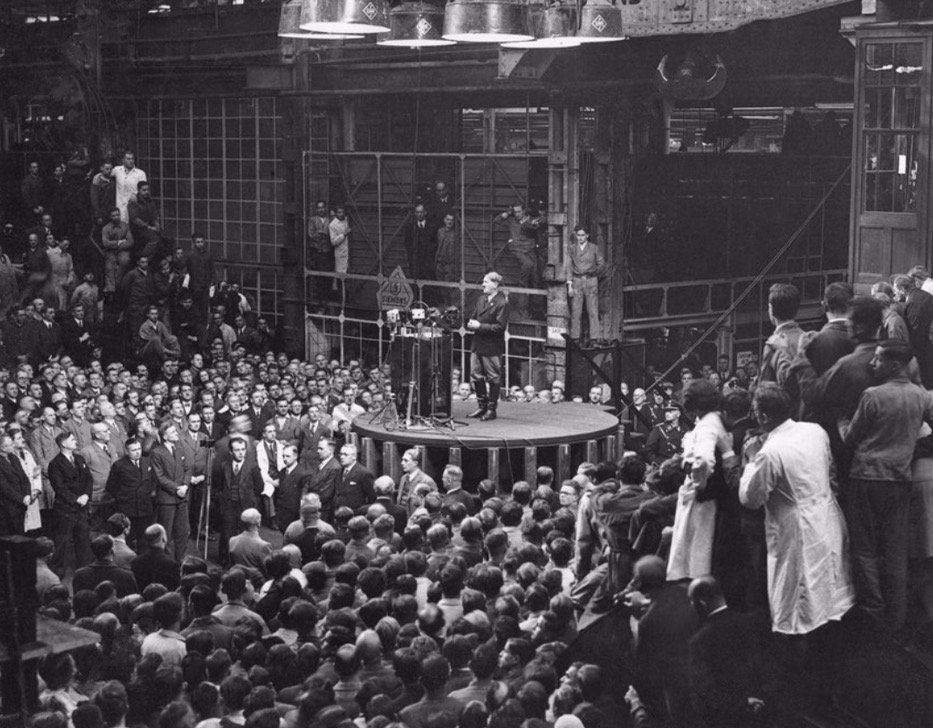
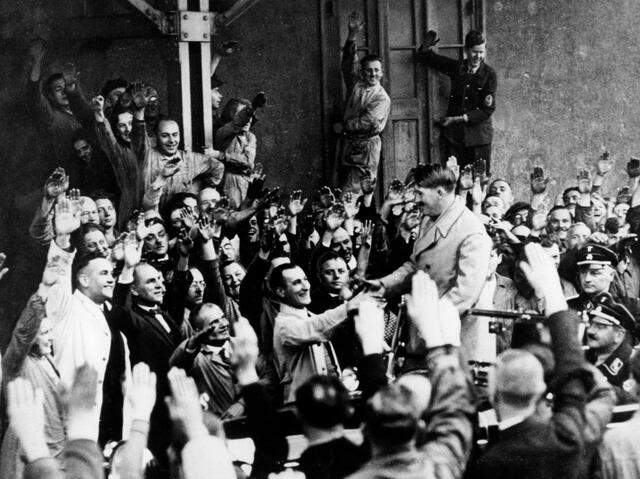
On 10 November 1933, Adolf Hitler delivered a speech at the Siemens Dynamo factory in Berlin at the Siemensstadt locality. Joseph Goebbels, Reich Minister of Propaganda, delivered an opening address before he introduced Hitler’s speech that extolled the virtues of German workers that was broadcast to millions over the radio. The occasion for the speech was an opportunity to address the German public before the 1933 Reichstag elections scheduled to be held two days later.

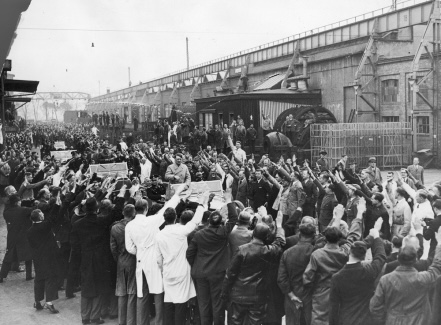
On November 10th, ten thousand Siemens employees were able to see and hear the Führer in the Dynamowerk during his last great appeal to the German people for a unanimous commitment to world peace with “honor and equality.” The German electrical industry, like the rest of the country’s economy, profited from the upswing that began soon after the National Socialists took power in 1933. The German economy grew noticeably from the mid-1930s until World War II. This growth was based significantly on government armament contracts.
As the leader of the German electrical industry, Siemens revenue increased continuously from 1934 and reached its peak during the war years. Carl Friedrich von Siemens was head of the company from 1933 to 1941. Personally, von Siemens is reputed to have detested the National Socialists. However, he was responsible for ensuring the company’s well-being and formed a close cooperation with Hitler’s government. From the end of 1943 to the end of the war, Siemens primarily manufactured for the German armed forces. Today Siemens is Europe’s largest industrial manufacturer with over 311,000 employees.


Parliamentary elections took place in Germany on 12 November 1933. They were the first to be held since the Nazi Party seized complete power with the Enabling Act in March. All opposition parties had been banned and voters were presented with a single list containing Nazis and 22 non-party “guests” (Gäste) of the Nazi Party. These “guests”, who included the likes of Alfred Hugenberg, fully supported the regime of Adolf Hitler. This election set the tone for all further elections and referendums held in the Nazi era.

NSDAP election banner displayed on the “Adolf Hitler House” on Voßstrasse for the Reichstag elections held on 12 November 1933, reading ‘One people, one leader, one ‘yes’’ [‘Ein Volk, ein Führer, ein Ja’].
Official results showed 92 percent of the voters approved the Nazi list, on a turnout of 96 percent. The vote was held in far-from secret circumstances and many voters feared that anyone who voted “no” would be detected and punished for doing so. In some communities, voters were threatened with reprisals if they dared to vote “no” or if they simply failed to vote at all. The new Reichstag, exclusively composed of NSDAP members and sympathizers, convened on 12 December to elect a Presidium headed by President of the Reichstag Hermann Göring.

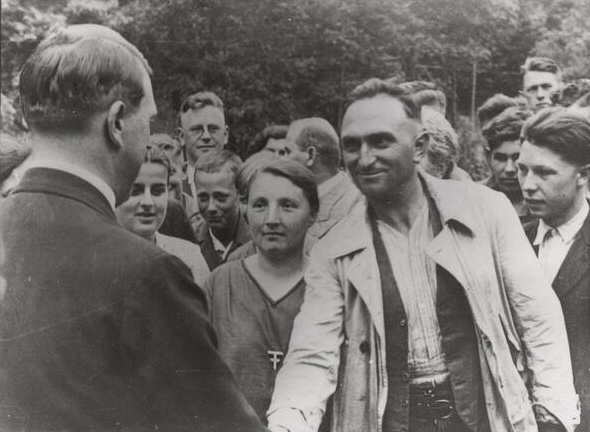
Sammelbild “Adolf Hitler” Nr. 82 “Bei den Arbeitern in Siemensstadt”

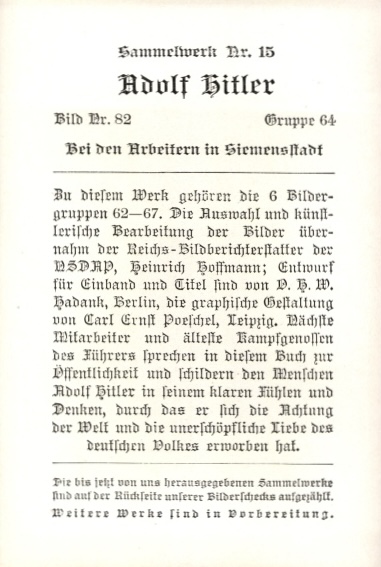
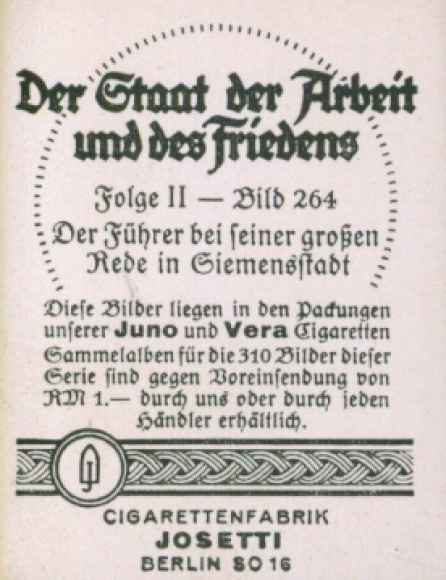
Sammelbild Der Staat der Arbeit und des Friedens, Führer Adolf Hitler, Rede in Siemensstadt – Cigarettenfabrik Josetti Berlin, Folge II Bild 264

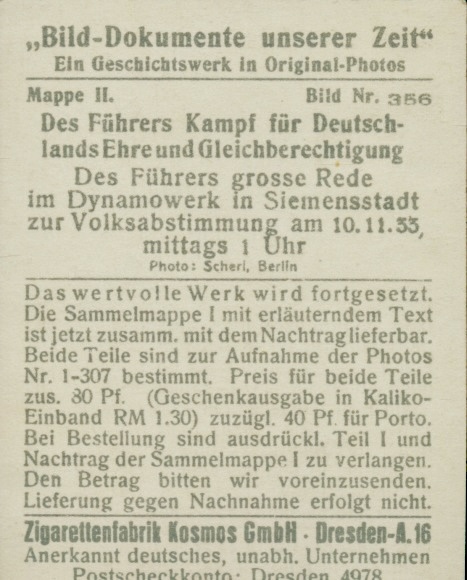
Collector’s picture Image Documents of our Time No. 356 Speech of the Führer in the Siemensstadt Dynamo Plant 1933 – The Führer’s fight for Germany’s honor and equality, Kosmos cigarette factory





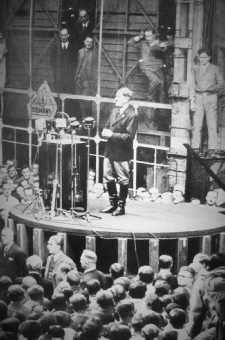
Adolf Hitler’s choice of attire during the Siemen’s speech is the only time that I have seen him wear his party uniform in combination with a formal suit jacket, definitely an interesting and unusual combination.







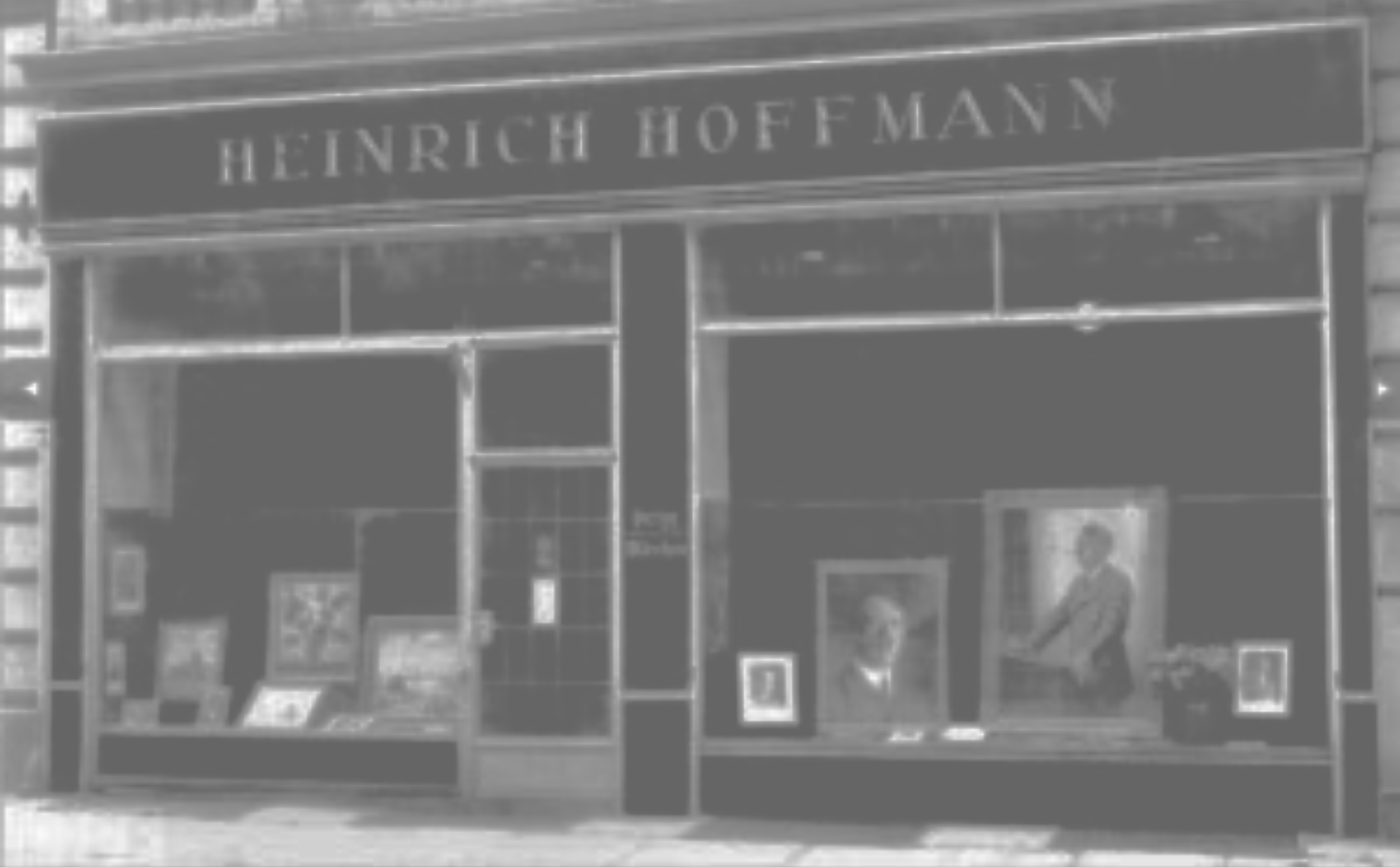
 Heinrich Hoffmann Photo Gallery