Heinrich Hoffmann (1885 – 1957) served as Adolf Hitler’s official photographer from when Hitler took control of the Nazi party in 1921 until his death in 1945. Hoffmann estimates he took over half a million photographs of Hitler over the course of his career. His portraits were the most significant source of Nazi propaganda materials published over the course of close to 25 years, everything from postcards, posters, magazines, postage stamps and picture books. Click on eachtheme below to see a complete photo albumdevoted to that particular event or topic.
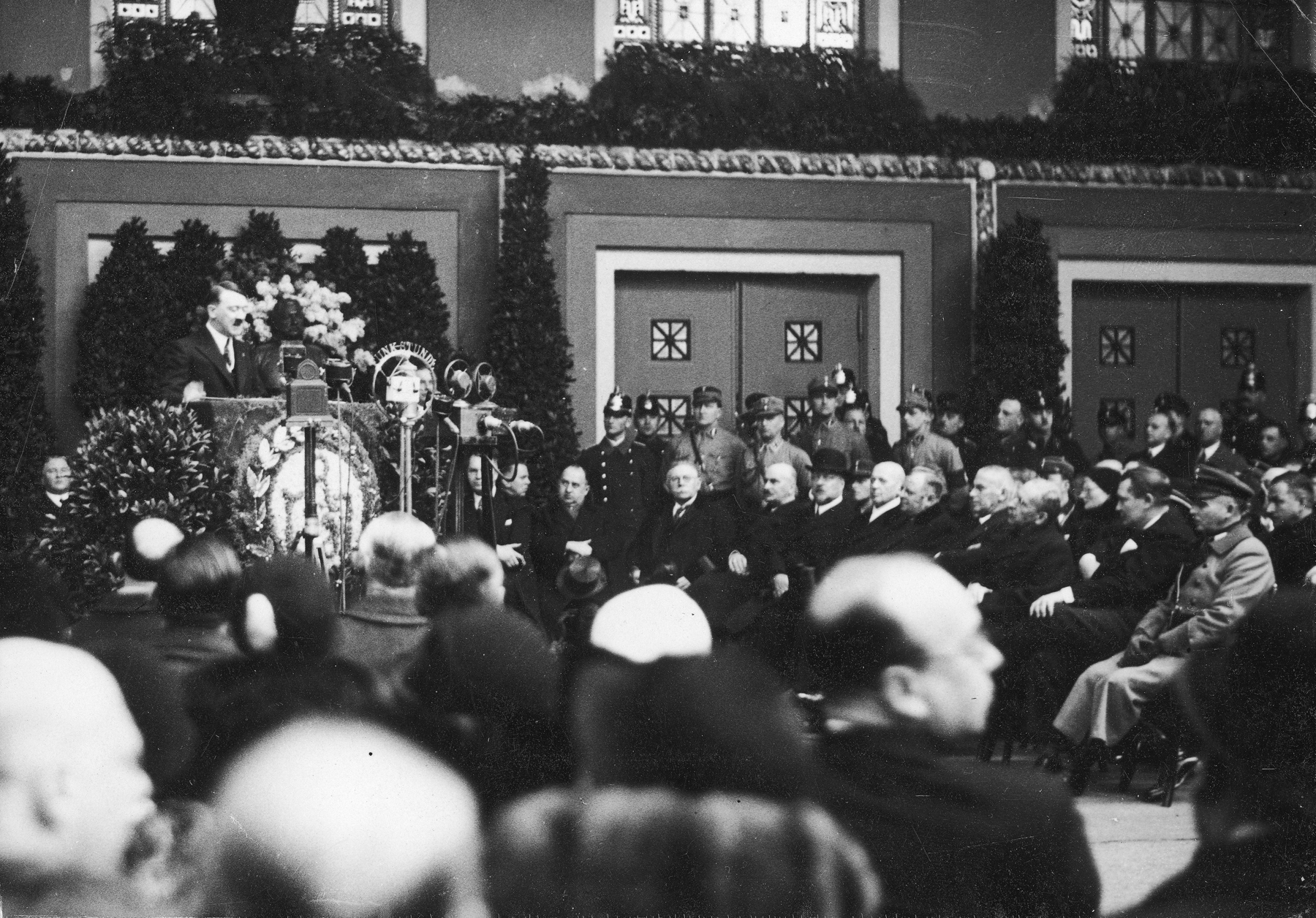
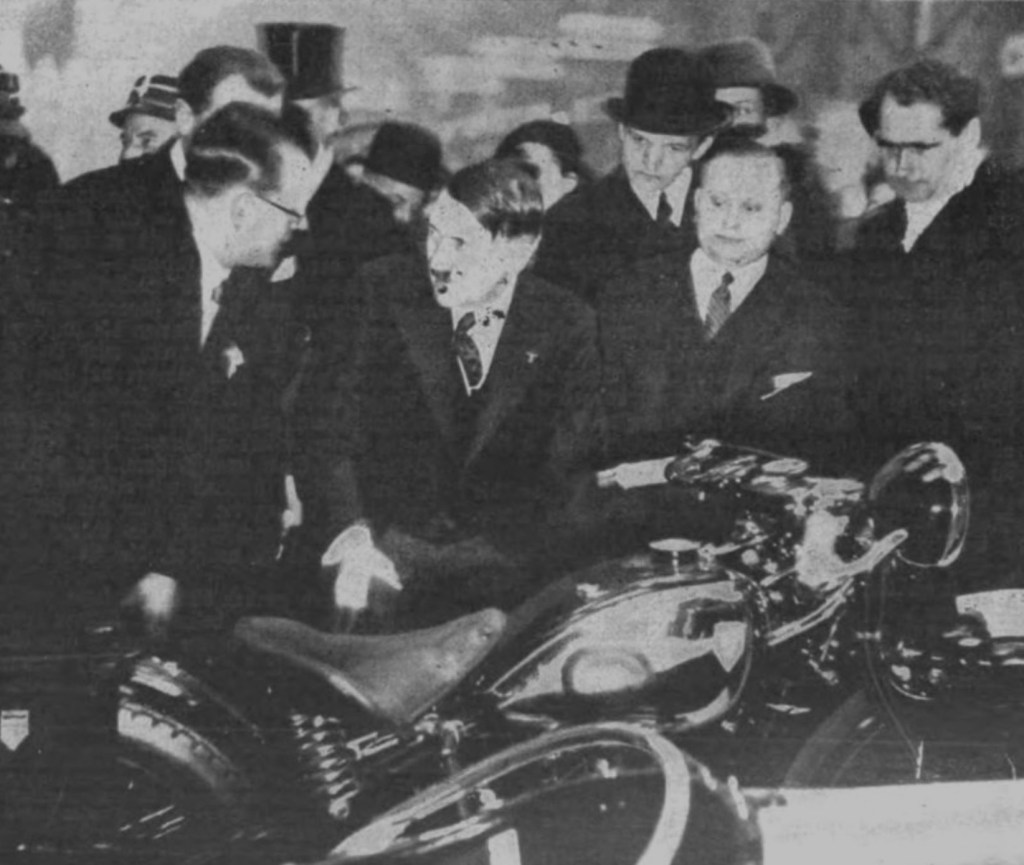
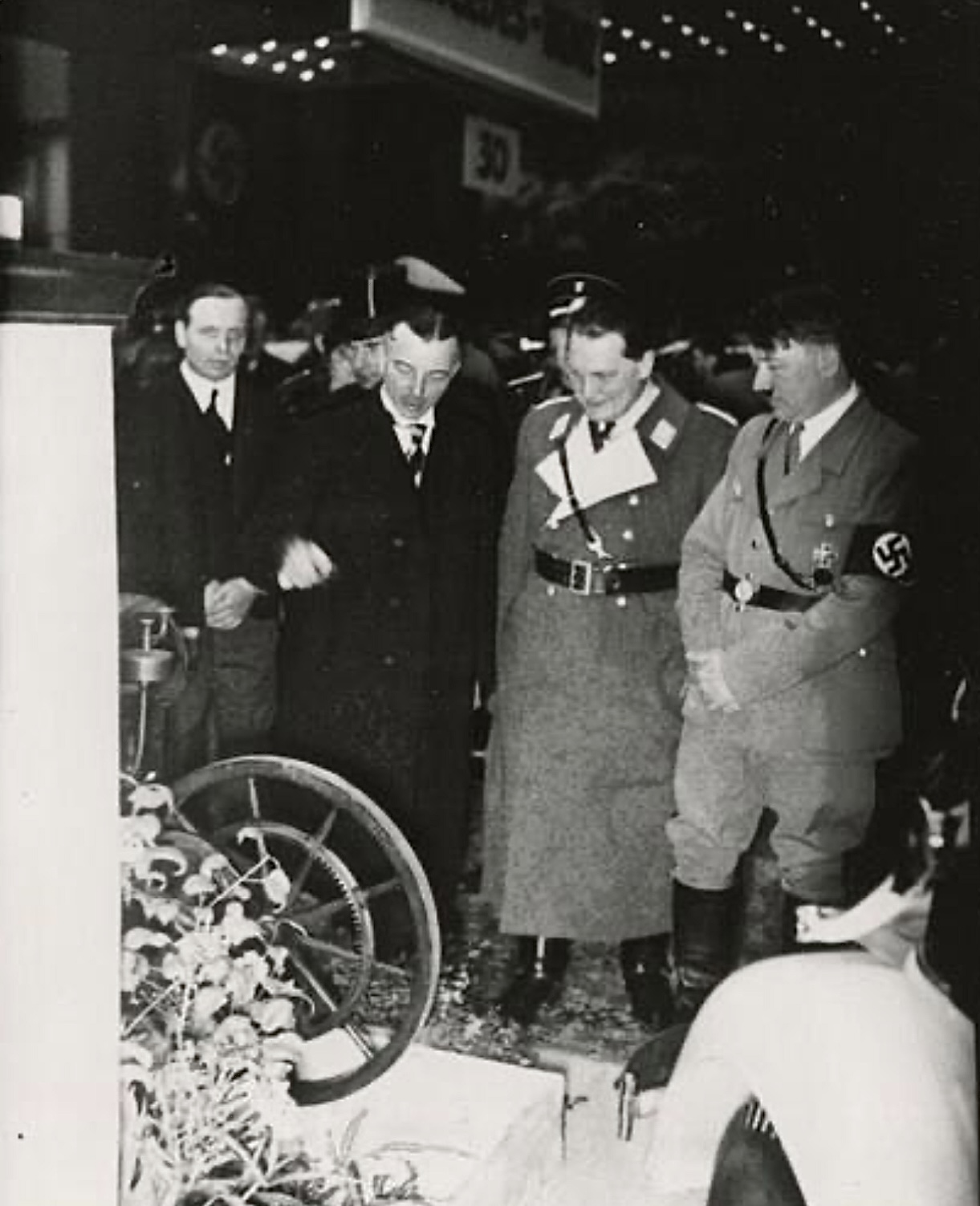
On 11 February 1933, Adolf Hitler officially opened the 23rd annual International Motor Show (IAA) in Berlin. Having become chancellor only 12 days prior, he decided to use one of his first major public speeches after coming to power to promote the German automobile industry. Hitler announced massive tax benefits to car owners, declared his intention to slash taxes and regulations on Germany’s automotive industry, and to align its growth and development on pace with aviation. He also laid out his plans to build a major nationwide highway system, the Autobahn, as well as a means to insure Germany’s domination in international motorsport with state-funded events.
The International Motor Show was hosted in the exhibition halls on the Kaiserdamm in Berlin. This is a view of the old car hall with the flags of the nations on display during the 1933 opening.
In his inaugural speech Hitler also promised the development and construction of an affordable car for the masses. The manufacturing of the people’s car (Volkswagen) remained the central issue of all subsequent IAA exhibitions. Pushed by extensive advertising and propaganda campaigns, the IAA became a mass national event, with attendance doubling to more than 600,000 visitors by the following year in 1934. In 1939, the KDF car was presented for the first time, which later came to be known as the Beetle. The 29th installation of the event had gathered a total of 825,000 visitors, and the 1939 exhibition was the last IAA before it was suspended during World War Two.
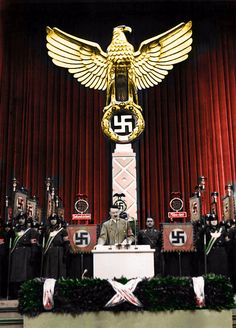
Adolf Hitler speaks for the opening of the international Motor Show in Berlin on 11 February 1933.
The first annual Motor Show was held in September 1897 at the Hotel Bristol in the German capital of Berlin. As the automobile became more well known and accepted, the IAA became a fixed event in Germany, with at least one show held every year usually in Berlin. Berlin became the official home of the International Motor Show (Internationale Automobil-Ausstellung, IAA) with the newly built exhibition hall in Berlin Westend in 1921 and remained there until 1939. In 1951 the IAA was re-established in Frankfurt and ran until the year 2000.
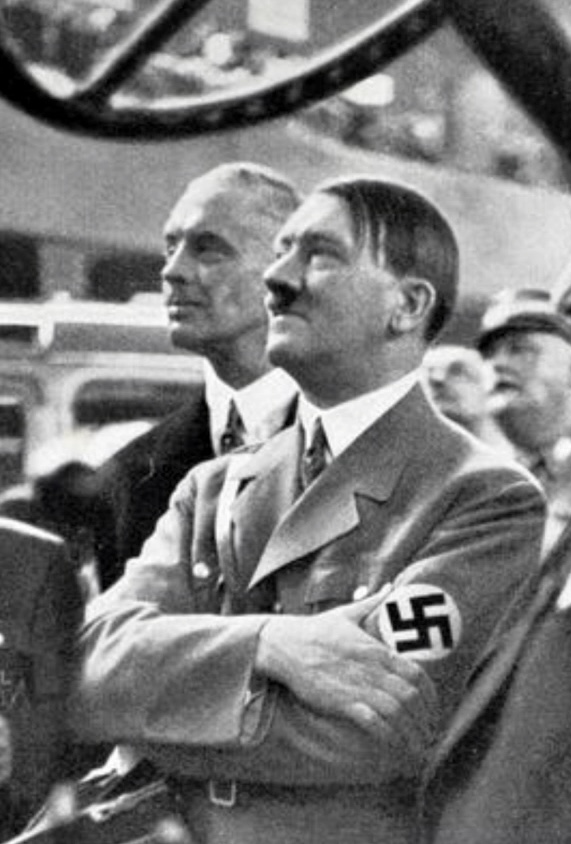
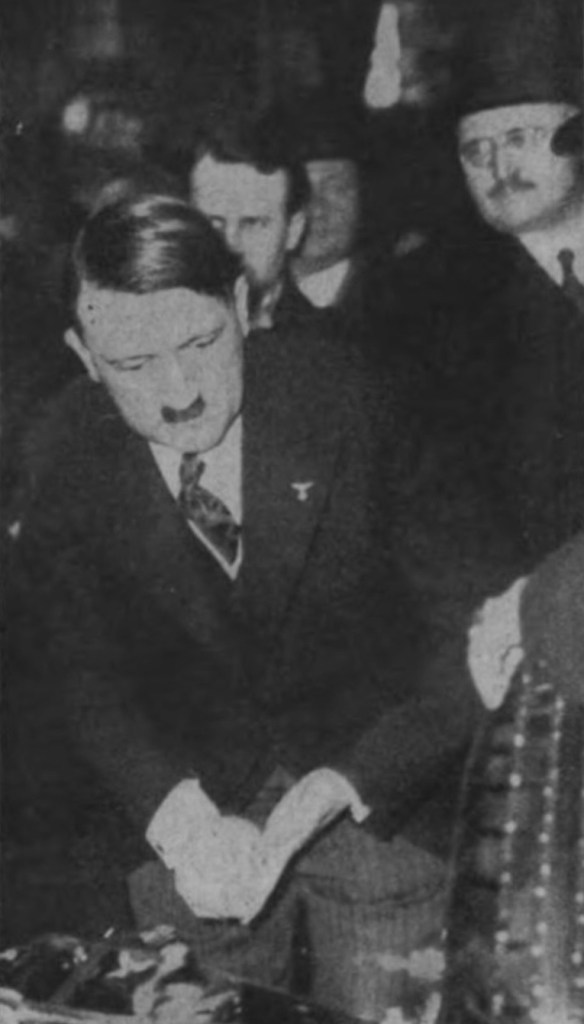
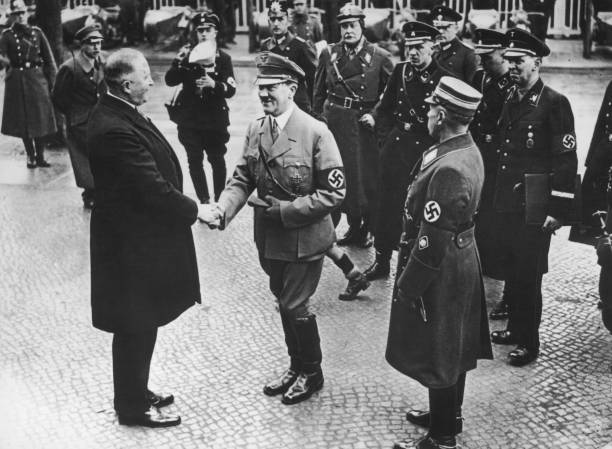
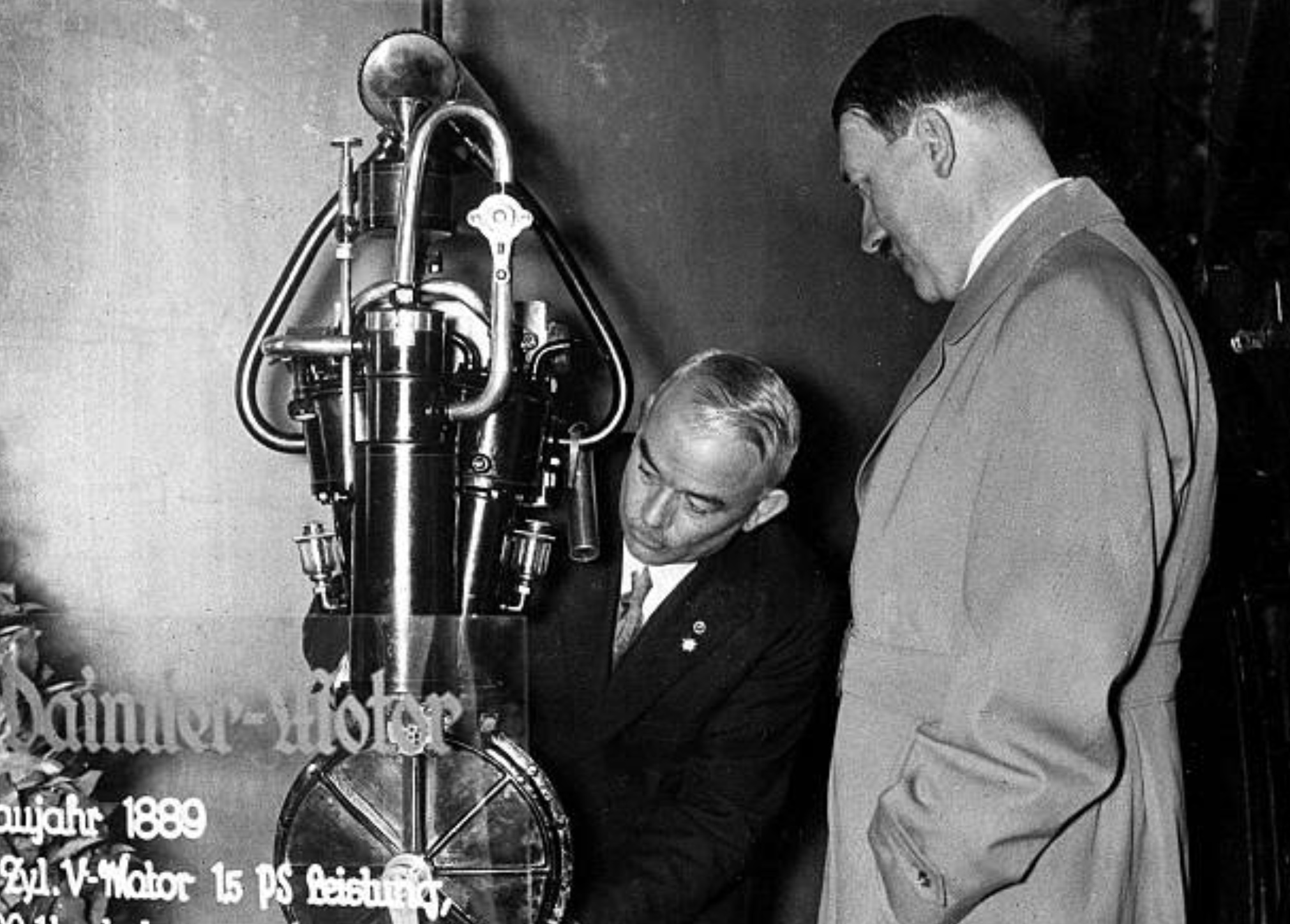
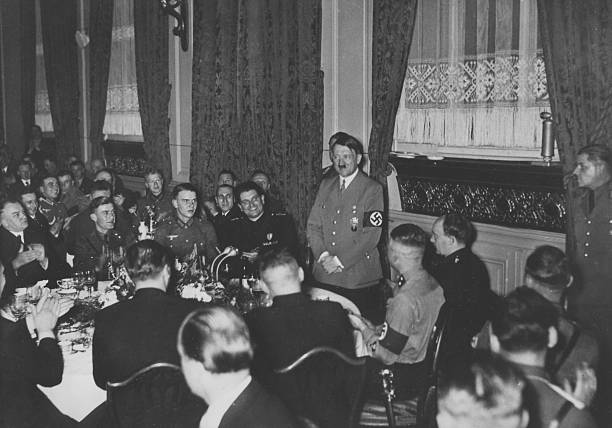
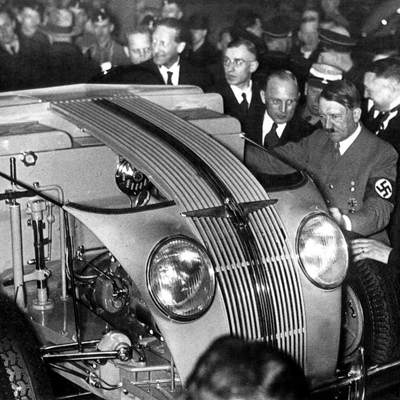
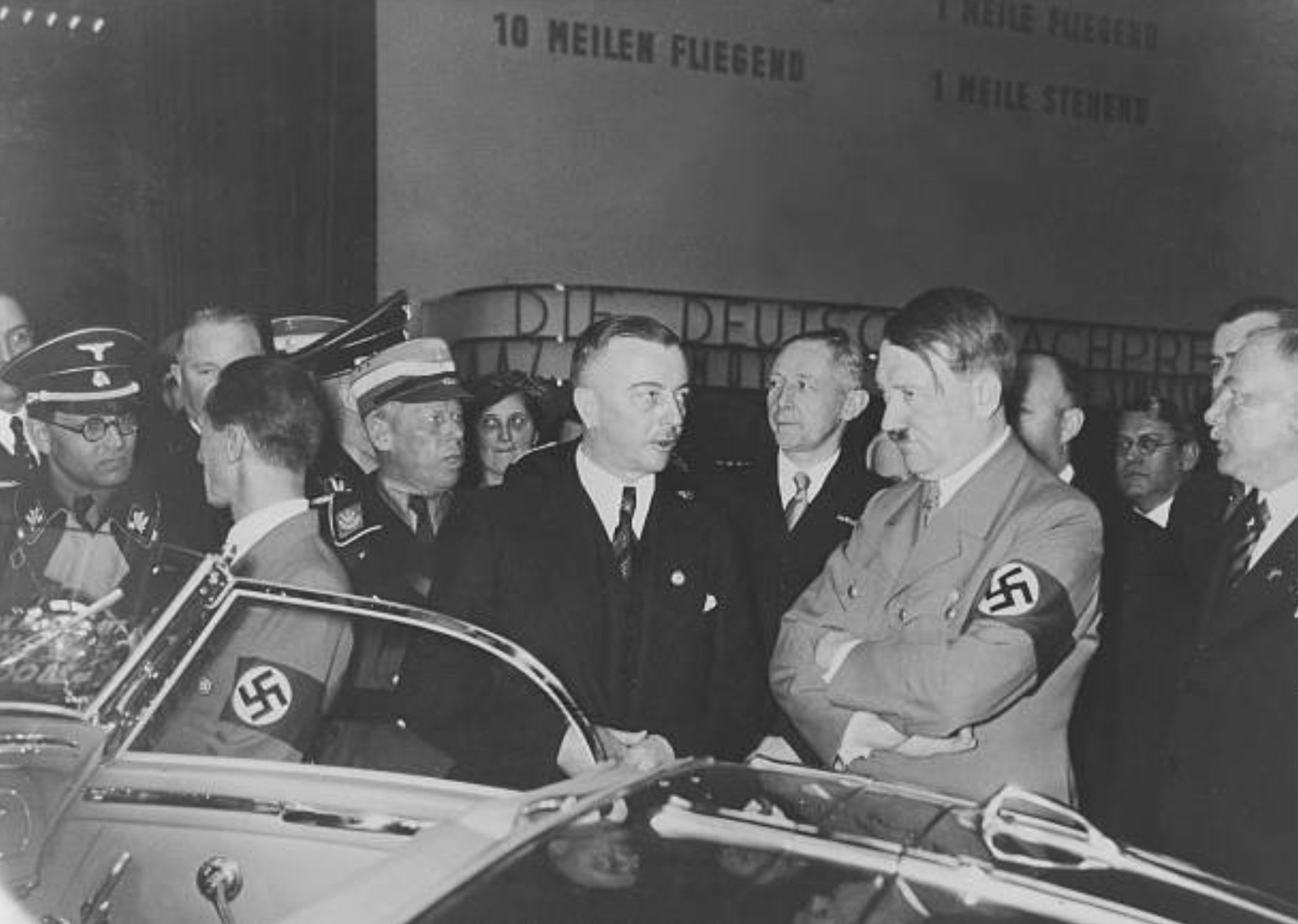
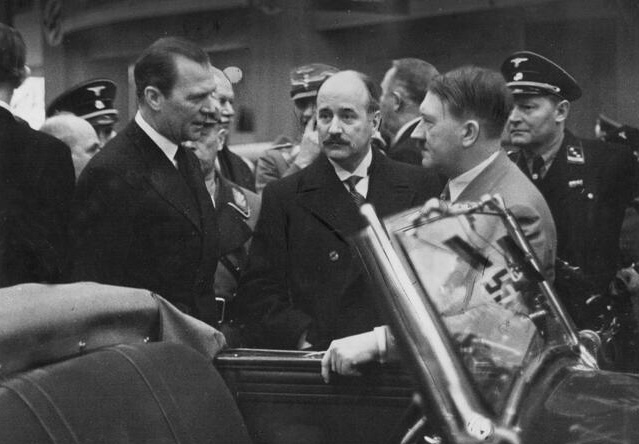
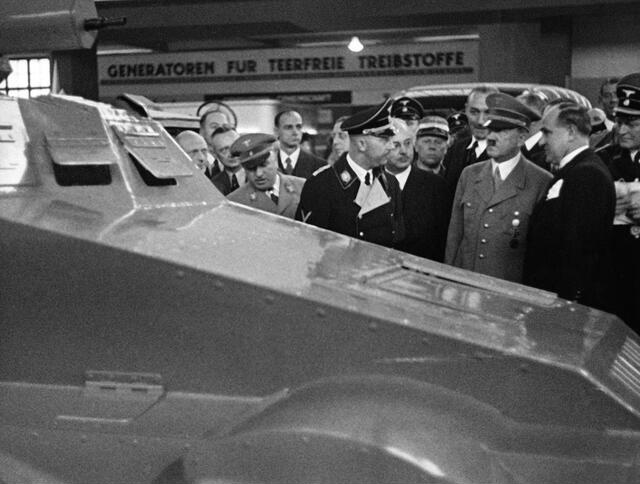
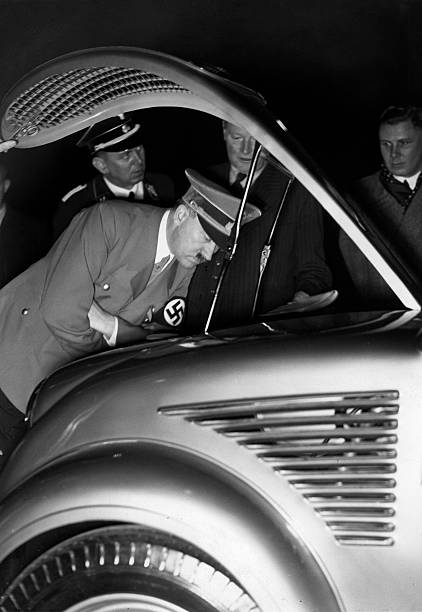
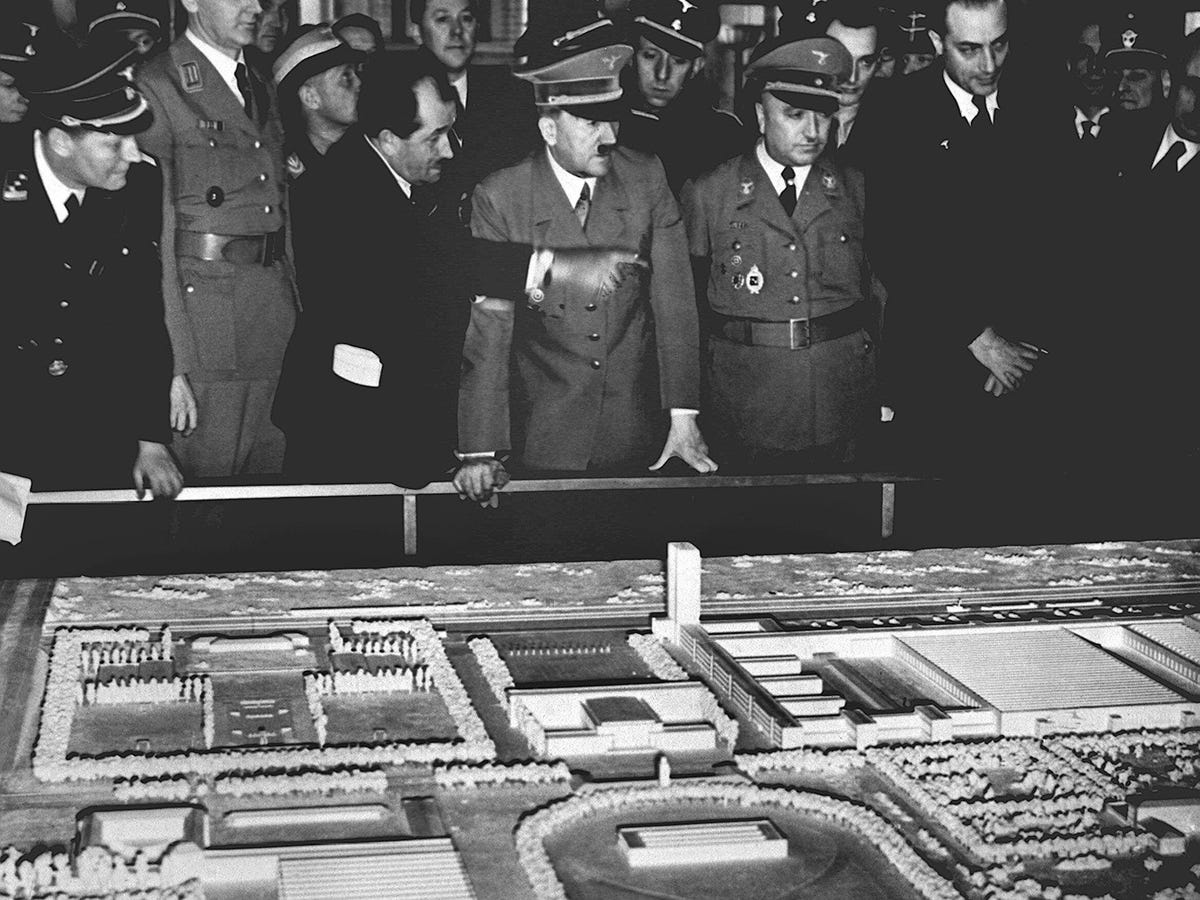
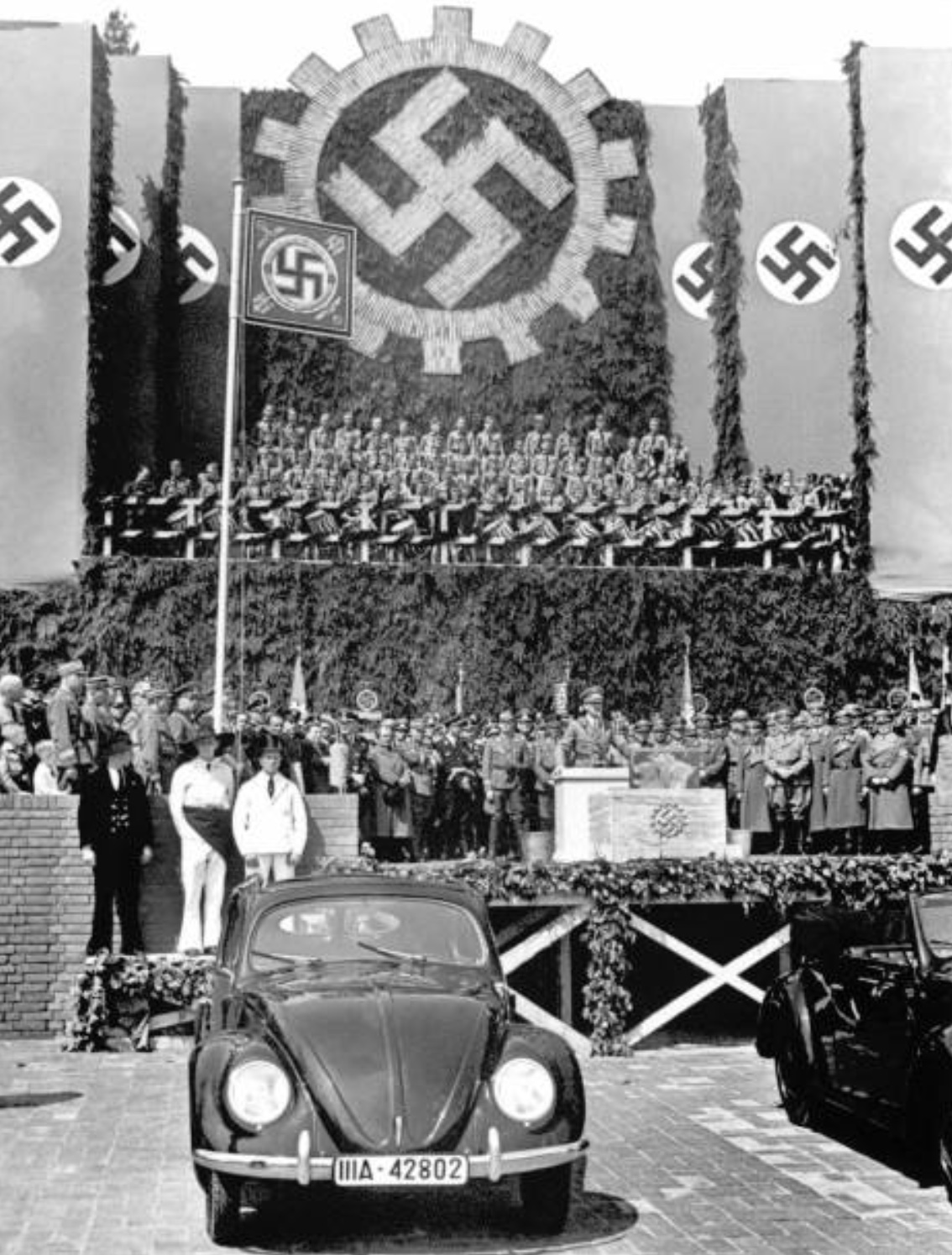
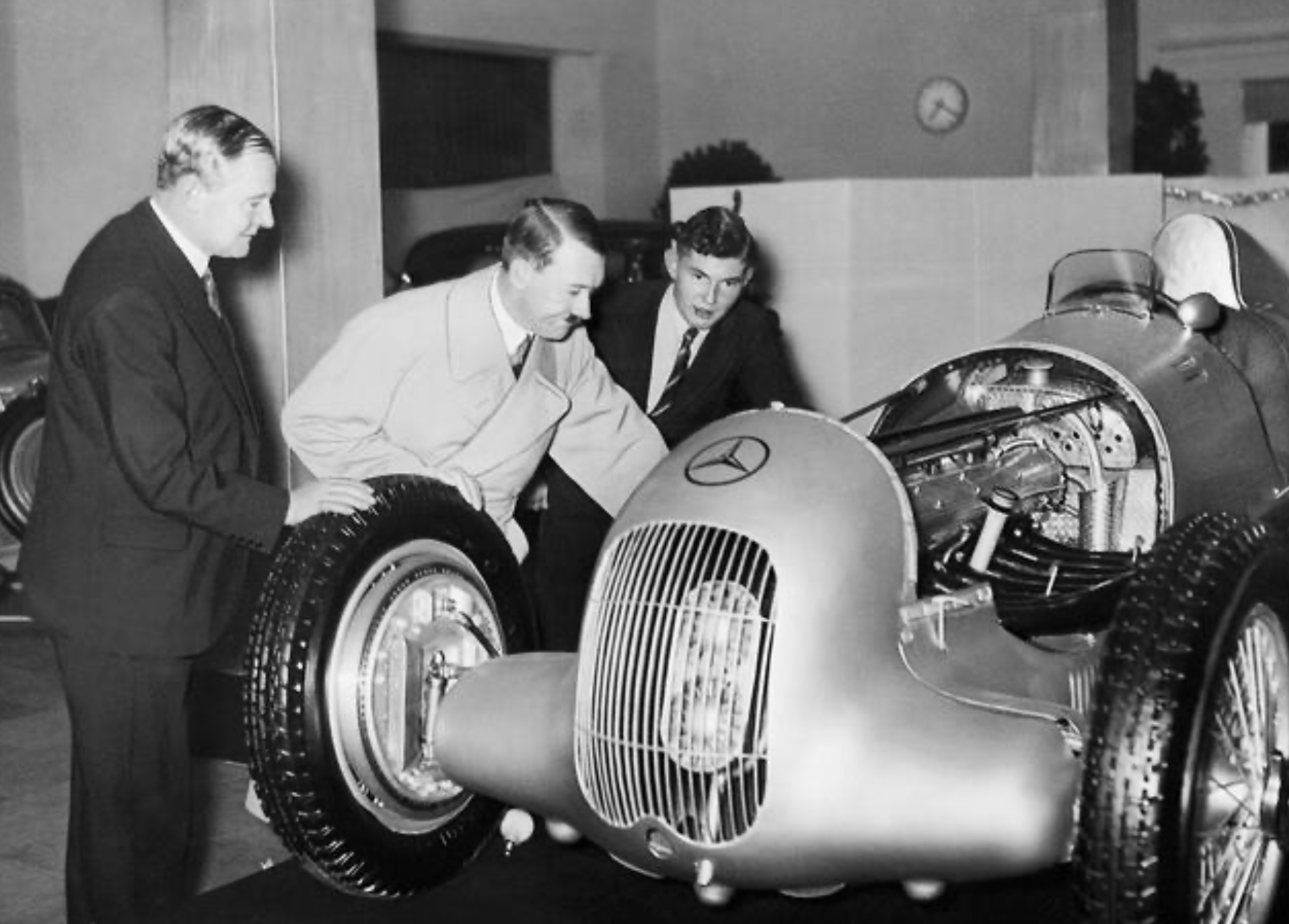
Adolf Hitler and Hermann Göring at the Berlin Motor Show on 11 February 1933.Adolf Hitler visits the automobile exhibition with Hermann Göring on 11 February 1933. Adolf Hitler in a tuxedo, accompanied by Hermann Göring, inspects a motorbike during his visit to the automobile exhibition at the Kaiserdamm, Berlin.Adolf Hitler eröffnet die Automobilausstellung, 1934Adolf Hitler at the Berlin Motor Show with Wilhelm Kissel, director of Daimler-Benz AG and Hermann Göring on 7 March 1934.Adolf Hitler at the Berlin Motor Show on 7 March 1934.Adolf Hitler visits the 1934 automobile exhibition.Adolf Hitler at the opening of the Berlin Motor Show on 7 March 1934.Adolf Hitler inspects an Opel ‘Olympia’ at the opening of the Automobile Exhibition in 1935 at the Kaiserdamm in Berlin. Behind Hitler (from right) Opel Director Heinz Nordhoff and Mercedes-Benz Director Jakob Werlin on 14 February 1935.Adolf Hitler visits the automobile exhibition in Berlin. Adolf Hilter in a discussion with (from the left) Hermann Goering, Korpsfuehrer Adolf Huehnlein, Reichsstatthalter Carl Roever and the Mercedes-Benz director Werlin during a visit to the automobile exhibition in Berlin. The machine in the foreground is a wood gas vehicle on 14 February 1935.Adolf Hitler is greeted by Geheimrat Robert Allmers, President of the German Automobile Industry Association, upon arriving to open the German Motor Exhibition in Berlin on 15 February 1935. Cigarette card from the collectible set “ADOLF HITLER”. Collective work No. 15, Group 62, Image No. 94. “International Automobile Exhibition in Berlin 1935: The Protector of Automobiles”. Adolf Hitler examines a model of a new D-type racing car at the Berlin Motor Show automobile exhibition in Berlin, Germany in 1935. Adolf Hitler is shown the first Daimler Engine. Carl Lautenschläger explains to Adolf Hitler how the Daimler motor of 1889 works at the Berlin Motor Show on 7 March 1935.Adolf Hitler speaks at the Berlin Automobile Show on 15 February 1936. Adolf Hitler in Berlin Rede zu der Eröffnung der internationalen Automobilausstellung und Motorradausstellung in den Ausstellungshallen.Adolf Hitler and Robert Bosch at the Berlin Auto Show on 15 February 1936. From left: Director Rassbach, Korpsfuehrer Huehnlein, Robert Bosch, Adolf Hitler and Director Werlin.Adolf Hitler at the Berlin exhibition center for the tour of the International automobile exhibition in front of a Mercedes stand on 15 February 1936; further to the right: Joseph Goebbels, Dr. Wilhelm Kissel, Director of Daimler-Benz AG, and board member Jakob Werlin; left in the background: Dr. Robert Allmers, President of the Reichsverband der Deutschen Automobilindustrie.Adolf Hitler (1889 – 1945) visits the Berlin motor show after hours, 29th February 1936. He is inspecting the car he used at the beginning of his propaganda campaign. Adolf Hitler inspects a Mercedes-Benz 770, also known as the Großer Mercedes, a luxury car produced from 1930 to 1944. This model is recognized for its association with high-ranking Nazi officials during World War II. Adolf Hitler used a 770 from 1931 onwards.Adolf Hitler speaks to workers in the automotive industry at a reception at the Hotel Kaiserhof on the occasion of the opening of the International Motor Show in Berlin; to the left of Hitler is the Italian workers’ leader Tullio Cianetti on 20 February 1937.Adolf Hitler during the inspection of the latest German automobile technologies, including the Adler 2.5 Liter at the Berlin Auto Show in 1937. Adler’s fastback streamliner caused a sensation and was given the nickname the “Autobahn Adler” referring to its cruising ability on Germany’s expanding motorway network.Adolf Hitler at the opening of the IAME in Berlin on 20 February 1937. Adolf Hitler inspects at the international automobile exhibition in Berlin a Mercedes-Benz airship diesel-motor, which was used in the zeppelin air vessel LZ129 “Hindenburg”. From the left: State Councellor von Stauss, Adolf Hitler, Director Sailer, Director Werlin.Adolf Hitler visits the Berlin automobile exhibition and inspects a motor. Next to him is Brigadeführer Julius Schaub on 20 February 1937.Adolf Hitler, Jakob Werlin on the Berlin exhibition grounds during a tour of the International Automobile Exhibition on 20 February 1937.Adolf Hitler at the Berlin exhibition center during a tour of the International Automobile Exhibition in conversation with the director of Daimler-Benz AG, Dr. Wilhelm Kissel, in front of a Mercedes sports car; next to them (from the right), board member Jakob Werlin (in SS uniform), Adolf Hühnlein, corps leader of the Nazi Motor Corps (almost hidden), and Joseph Goebbels on 20 February 1937.At the opening of the IAA in Berlin, Hitler takes a tour of the exhibition halls in the company of the French ambassador in Berlin Andre Francois-Poncet on 20 February 1937.Adolf Hitler and Adolf Hühnlein ride in an open car on their way to the opening of the International Motor Show (IAMA) in Berlin. Adolf Hitler and Adolf Hühnlein at the opening of the IAMA in Berlin on 18 February 1938. Hühnlein was the Korpsführer of the National Socialist Motor Corps (NSKK). He first heard Hitler speak in 1919, and described his effect on him: “I was possessed by his philosophical outlook on the world, it drew me to him, held me fast, and inspired that sort of disciplineship which only ends with death.”Adolf Hitler visits the automobile exhibition in Berlin. Adolf Hitler inspects the police street tank on his tour around the automobile exhibition. He is accompanied by to his left Reichsführer SS Heinrich Himmler and Reichsorganisationsleiter Dr. Robert Ley, 18 February 1938.Adolf Hitler visiting the motor show in Berlin; in the background his personal adjutant SS-Fuehrer Julius Schaub, Jakob Werlin, chairman of the Daimler-Benz AG, and his personal adjutant Albert Bormann, Gruppenfuehrer of the NS-Kraftfahrerkorps (from left) on 18 February 1938.Adolf Hitler seated between Göring and Goebbels at the opening of the automobile exposition on 18 February 1938.Model of the Volkswagen plant, as shown at the International Automobile Exhibition in Berlin in 1938. From left: allegiance building, administration building (with tower), and the assembly hall.On a tour after the opening of the IAMA on 18 February 1938, Dr. Robert Ley (left) and Prof. Dr. Ferdinand Porsche (right) explain to Adolf Hitler the model of the planned Volkswagen plant. On the far right is the Mercedes-Benz consultant to the Führer, Jakob Werlin, who sold Hitler his first Benz in 1923.German Chancellor Adolf Hitler (1889 – 1945) after opening the International Motor Show in Berlin, Germany, 18 February 1938. To his left is Nazi official Robert Ley (1890 – 1945).Reich Chancellor Adolf Hitler examines a model of the Volkwagen factory. On 26 May 1938, he laid the foundation stone for the Volkswagen factory on the grounds in Fallersleben north of Braunschweig. According to his commands, not only the car factory was built on the grounds, but also a ‘Kraft-durch-Freude-Stadt’ (Strength through Joy city), the present Wolfsburg. At the end of the war, Allied forces freed forced labor plant workers and renamed the factory town “Wolfsburg.” The city remains home to Volkswagen’s headquarters today.Inauguration Of The New People’s Car Near the small town of Fallersleben. While 70 000 people look on, German chancellor Adolf Hitler sets the first stone of the VOLKSWAGEN factory. He announces the name of the new people’s car, designed by Ferry Porsche: the KdF (Kraft durch Freude / Strength through Joy) which will become the Beetle. 26 May 1938.Adolf Hitler greets British racing driver Richard Seaman after opening the Berlin Motor Show, on 17 February 1939 with Lt. General Wilhelm Keitel at far left.Adolf Hitler greets the German racing driver Rudolf Caracciola, who with other drivers lined up in front of the Reich Chancellery, before the opening of the International Automobile Exhibition in Berlin on 17 February 1939.
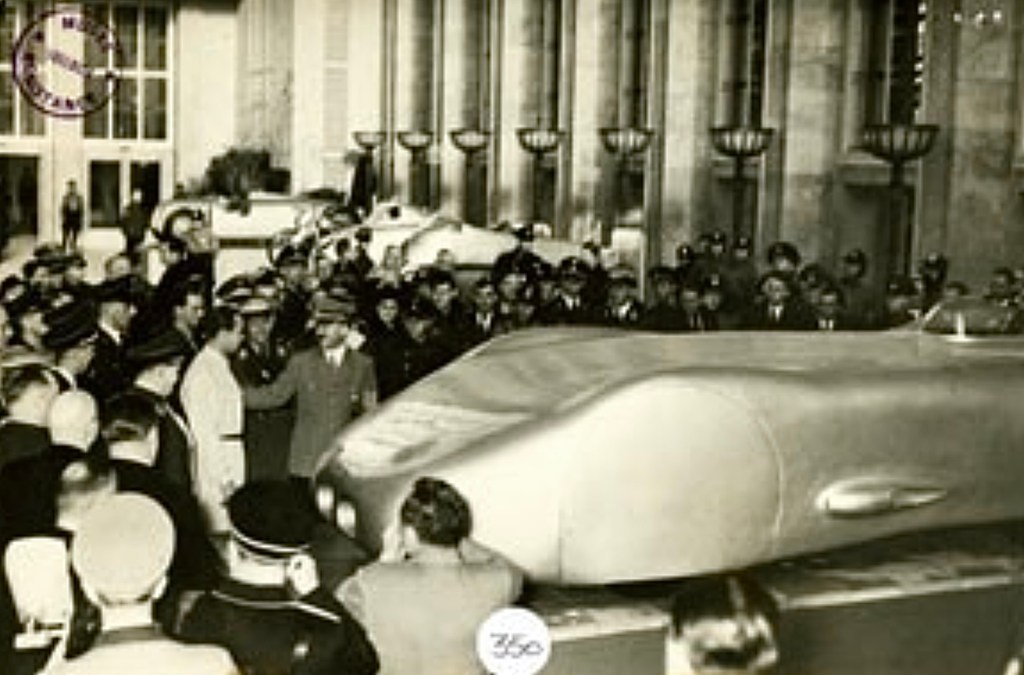
A highlight of the 1938 auto show in Berlin had been the display of the Mercedes-Benz W125 Rekordwagen in the main exhibit hall. In this very rare photograph Hitler personally congratulates Rudolf Caracciola on 20 February 1938, soon after he had recently broke the world speed record on 28 January.
Adolf Hitler speaks at the opening of the International Automobile Exhibition in the Hall of Honor on Kaiserdamm in Berlin on 17 February 1939. On his right is an example of the pre-series of the Volkswagen, the so-called KdF (Strength through Joy) car.
Hitler’s mission was to bring the price of cars within the reach of all classes. He believed if a man started with a cheap car, soon he would want something better, and thus manufacturers of expensive cars would also benefit in the end.
Adolf Hitler during a tour of the Volkswagen factory under construction near Fallersleben; right: Dr. Ferdinand Porsche, left: Dr. Robert Ley, leader of the German Labor Front (DAF), on 7 June 1939.Adolf Hitler visits the international automobile exhibition in Berlin. Here, he is received by the two directors of Mercedes-Benz, General Director Kissel (to Hitler’s right) and Director Sailer (far right). Hitler is accompanied by General Field Marshall Hermann Göring In 1939.
BONUS PHOTOS:
The following photos show Adolf Hitler with Jakob Werlin in 1935. Jakob Werlin worked for the Benz motor company in Munich, and the Benz dealership was located right next to the office where the Völkischer Beobachter was printed. He became acquainted with Hitler in 1923 when he sold a Benz to Hitler for the use of the Nazi Party, and thereafter the Party would come to Werlin to purchase limousines. Jakob Werlin often accompanied Hitler to the annual Motor Show in Berlin, and along with Ferdinand Porsche, was involved in Hitler’s project to build the People’s Car.
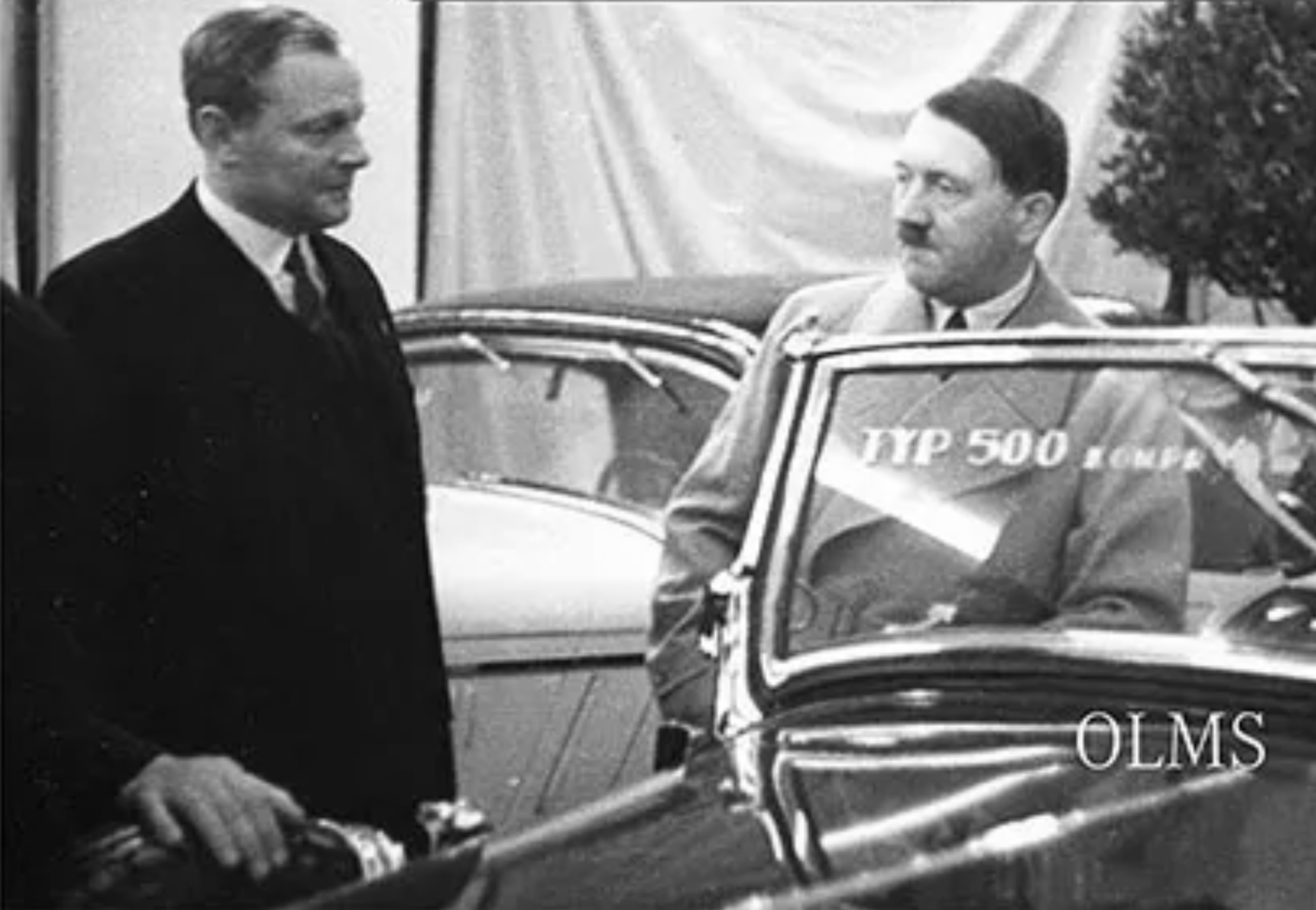
Jakov Werlin, director of Daimler-Benz, delivers a congratulatory address in the name of the Daimler-Benz automobile manufacturers management and shareholders to Adolf Hitler in Munich, Germany in 1935.Adolf Hitler taking a tour of the Mercedes-Benz works in Munich in 1935. The photograph shows the Führer with the Director of Mercedes-Benz, Mr. Werlin and the W25 Grand prix car used by racing champion Rudolf Caracciola during the 1935 season. Adolf Hitler with the Director of Mercedes-Benz, Mr. Jakob Werlin, viewing cars including the TYP 500 K in a Munich showroom. After the Great Depression, Mercedes-Benz regained its position as a top supplier for the rich and famous. One of the lineups it created was the 500 K, which evolved later on into the 540 K thanks to the increase in the engine’s displacement from 5 to 5.4-liter. The letter K designated the Kompressor (supercharger) that helped the car achieve high speeds on the recently built Autobahn.
I love history and have always been infatuated with the design and style of the 1920’s. Unfortunately I can’t time travel back to this era, so I live vicariously through books, movies and photos.
Lots of informative material and fascinating photos! My parents often spoke about the creation of the Autobahn and the VW Beetle – as if it stood out from all of the other achievements of Hitler’s government. And that first VW Beetle looks the same as those made as late as the 80s – as if it didn’t even change in all those decades!
I plan to do more research on the VW Beetle and add many more photos here in the future, as always there is just so much more to discover each time I create a new post and uncover more and more about each individual pic. I’m always amazed how much there is to learn!
[…] Liebel and Albert Speer in 1937. Adolf Hitler examines a model of a new D-type racing car at the Berlin Motor Show automobile exhibition in 1935. Adolf Hitler reading Völkischer Beobachter (People’s […]
[…] French ambassador to Germany. Reception in the Propaganda Ministry on the occasion of the International Automobile Exhibition in Berlin on 15 February 1936. Adolf Hitler in Wiesbaden at the State Theater on 21 March 1935 […]
[…] and loyalty to NSDAP ideology. Adolf Hitler examines a model of a new D-type racing car at the Berlin Motor Show automobile exhibition in Berlin, Germany in […]
[…] fibre production, undertake public works projects under the direction of Fritz Todt, increase automobile production, initiate numerous building and architectural projects and further develop the Autobahn system. The […]























 Heinrich Hoffmann Photo Gallery