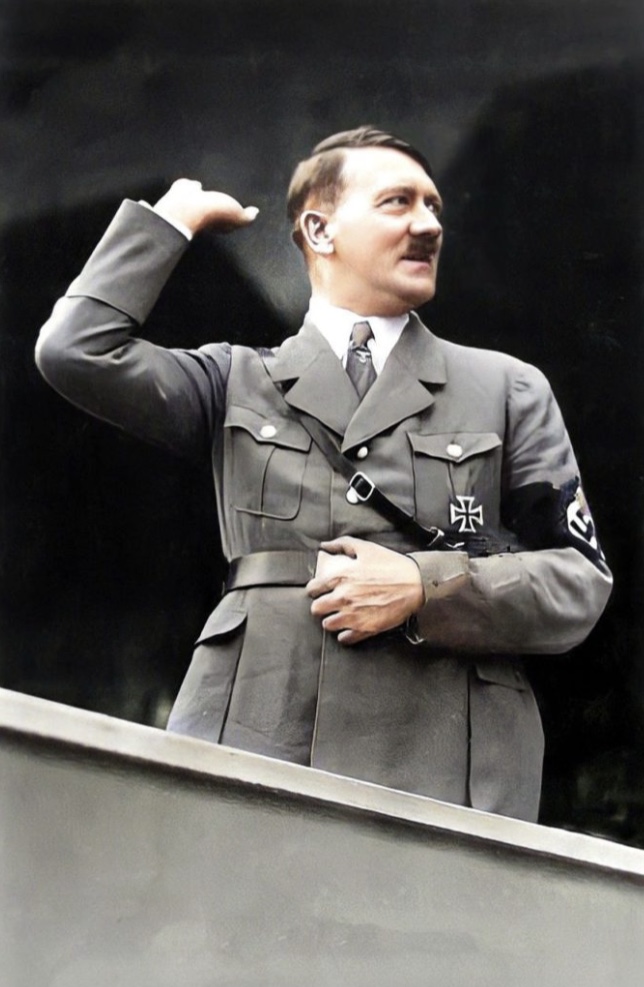
The 5th Nazi Party Congress took place exactly 90 years ago today. It was held from 30 August – 3 September 1933, and was called the “Rally of Victory” (Reichsparteitag des Sieges). The theme of “victory” was chosen because 1933 was the year of the Nazi “seizure of power” and their victory over the Weimar Republic. Leni Riefenstahl’s first propaganda film ‘Der Sieg des Glaubens’ was made at this rally. The NSDAP had held their 1927 and 1929 party congresses in Nuremberg, but in the years that followed the liberal majority on the Nuremberg city council had blocked the rallies from occurring for four straight years. The Nazis were now triumphantly calling their supporters back to Nuremberg to celebrate their ultimate victory.

The Nazi Party was celebrating its accession to absolute political power and special trains brought in close to a million of the faithful to the main Nuremberg railway station. A quarter million of the attendees dispersed to hotels, public buildings and private homes within in the city, while the remainder marched off to seven enormous tented camps set up to accommodate them in areas in or close to the Nazi Rally grounds which stood on the southern outskirt of the city.


On the evening of Wednesday, 30 August 1933, all of the church bells in the city rang in the Nazi opening meeting and the arrival of the “Führer” to a reception held in the Nuremberg town hall. The mayor presented Hitler with an original print of Albrecht Dürer’s engraving “Knight, Death and the Devil”. Dürer was venerated by ideologues within the Nazi party as “the most German of German artists”. At the 1927 Nazi rally Alfred Rosenberg had compared the assembled stormtroopers to the warrior in “Knight, Death and the Devil”, and the mayor described Hitler as the “knight without fear or blame, who as the Führer of the new German Reich, once again to carry and multiply the fame of the old imperial city of Nuremberg to the whole world.” Hitler graciously thanked the delighted city leaders by pointing out “that our party congresses will take place in this city now and forever”. The Nurembergers had achieved their goal.
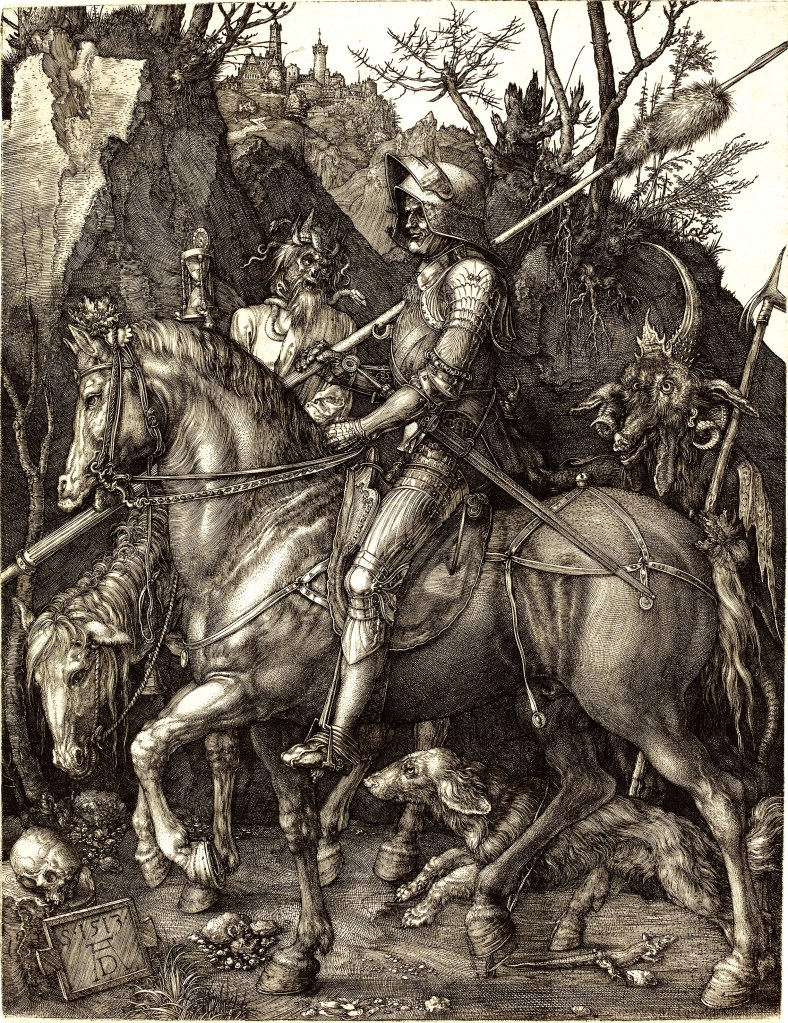
“Knight, Death and the Devil” (Ritter, Tod und Teufel) is a large 1513 engraving by the German artist Albrecht Dürer, one of the three Meisterstiche (master prints) completed during a period when he almost ceased to work in paint or woodcuts to focus on engravings.


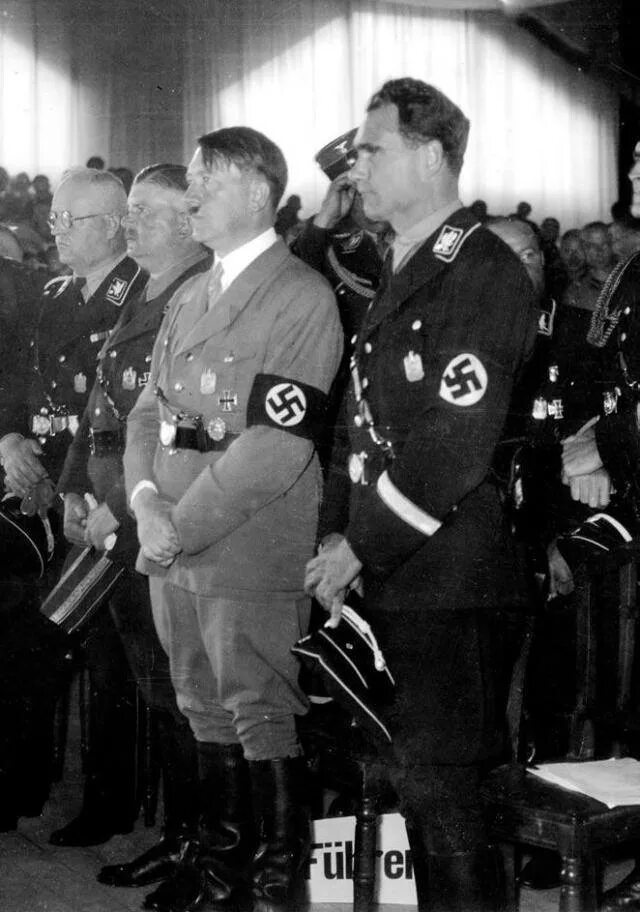


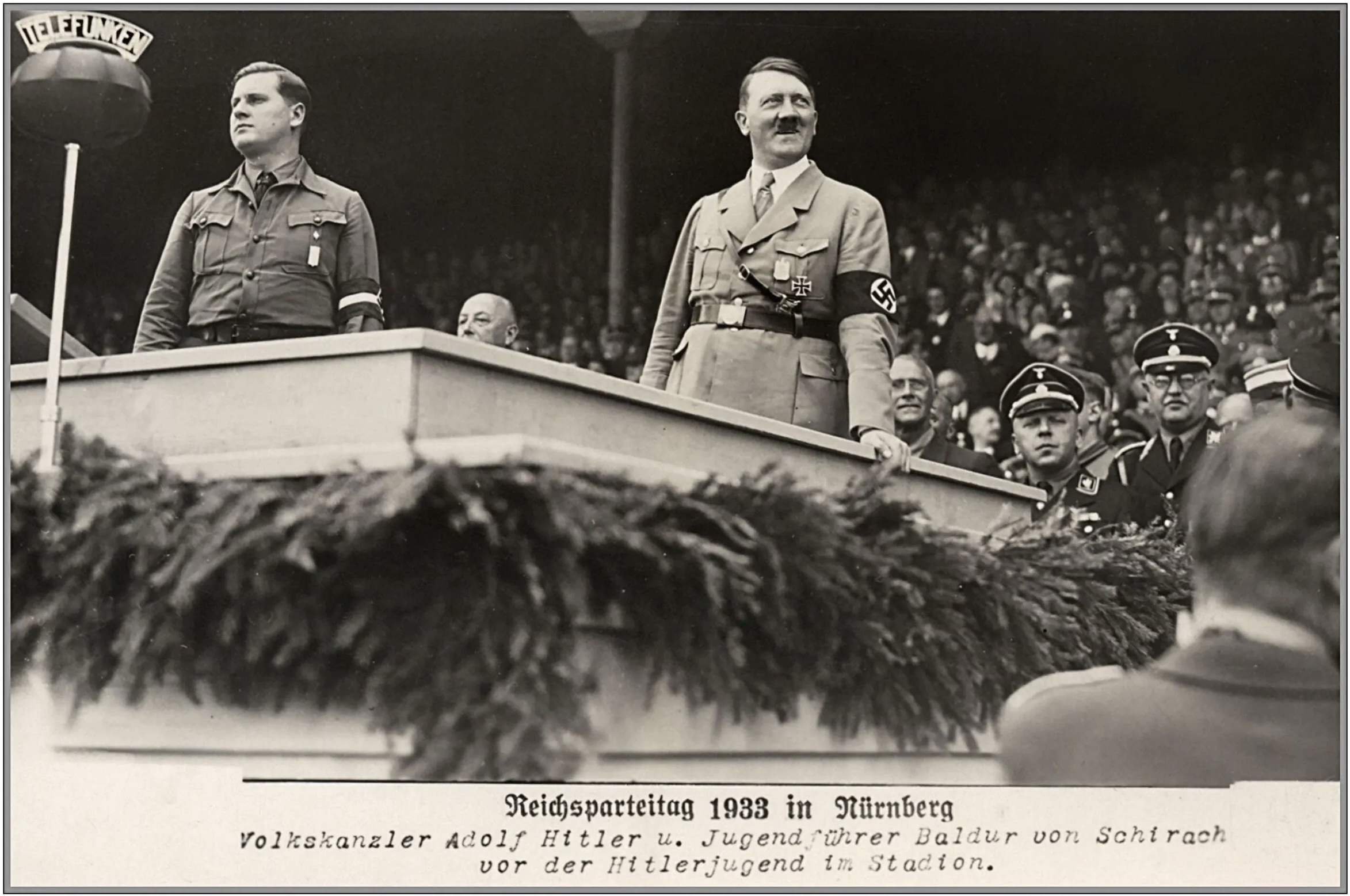
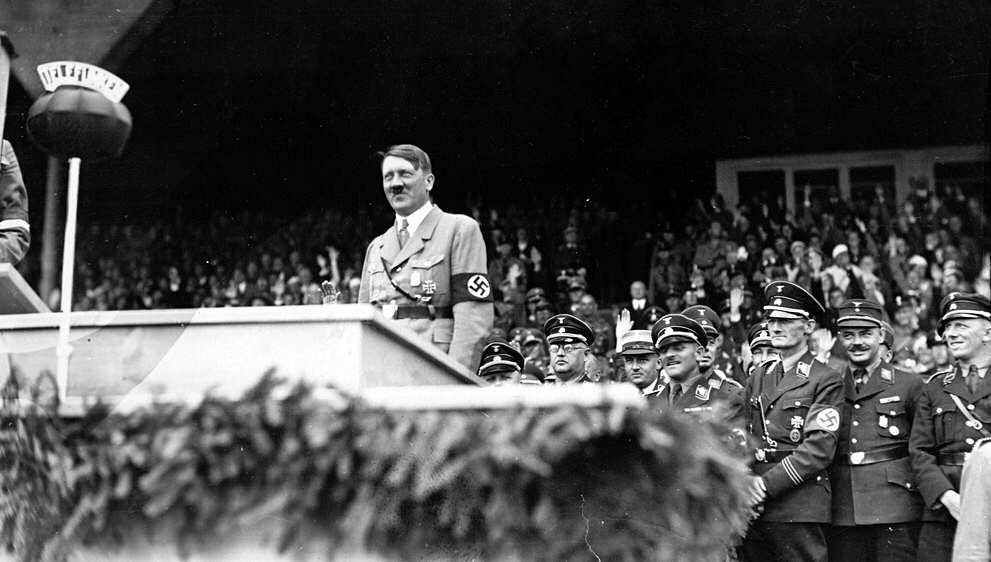
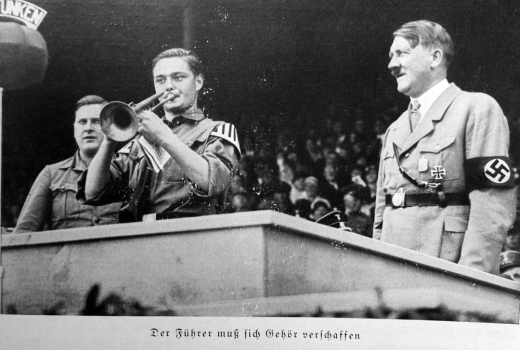


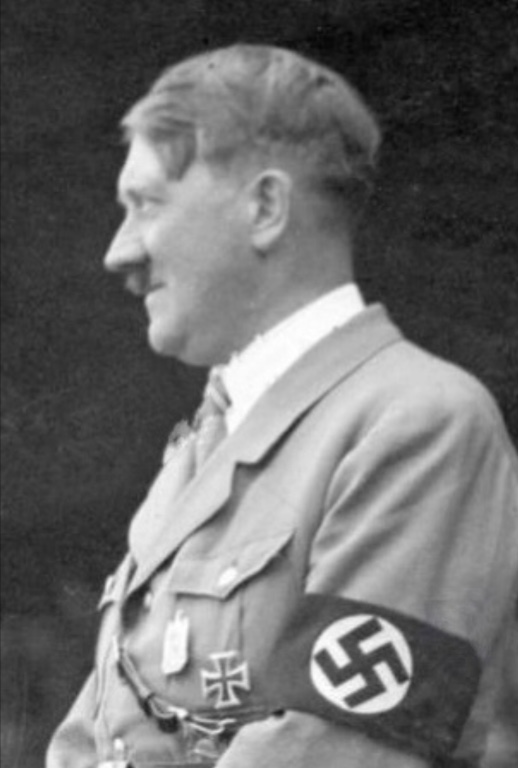
The district leaders of the party assembled on the Luitpoldhain on the morning of 2 September. A huge review of 160,000 officials and their followers stood in rows, divided by one wide middle avenue, with three narrow lanes on each side. In an impressive demonstration of mass movement, waves of flag bearers came over the embankment in the rear of the field; they swept through the blocks of men standing at attention, marching twelve abreast with their banners high through the center avenue, and in single file through the narrow lanes. Hitler was greeted by his uniformed followers in the parade ground and by 100,000 spectators in the stands with cheers that reverberated throughout the arena. In his speech, he congratulated the district leaders and the party as a whole upon their spectacular political victory and promised National Socialist supremacy in Germany for a thousand years to come.
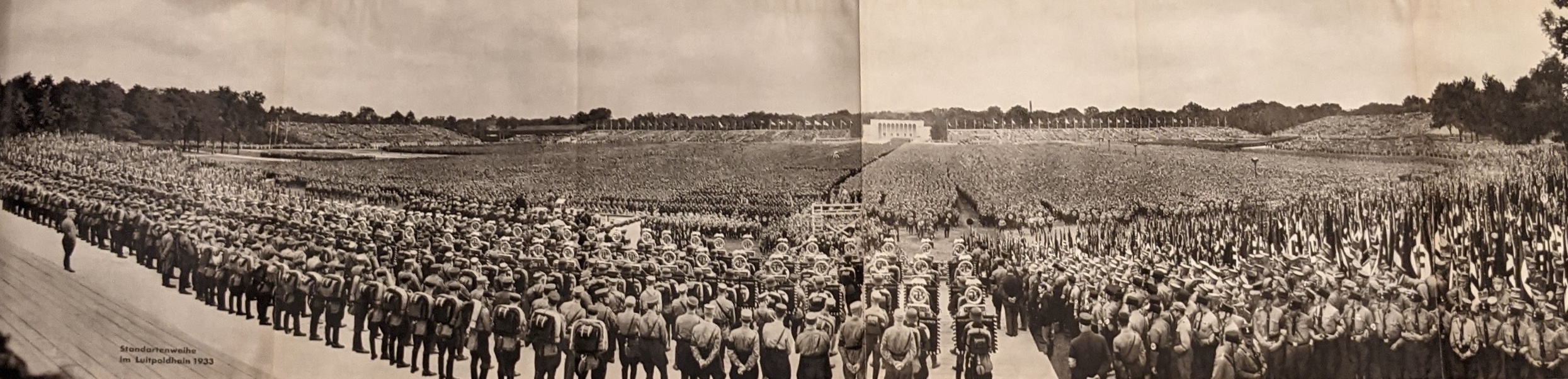
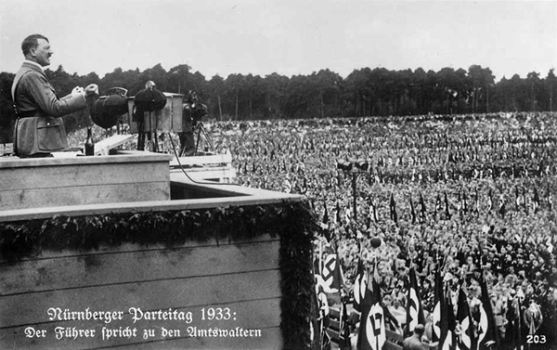
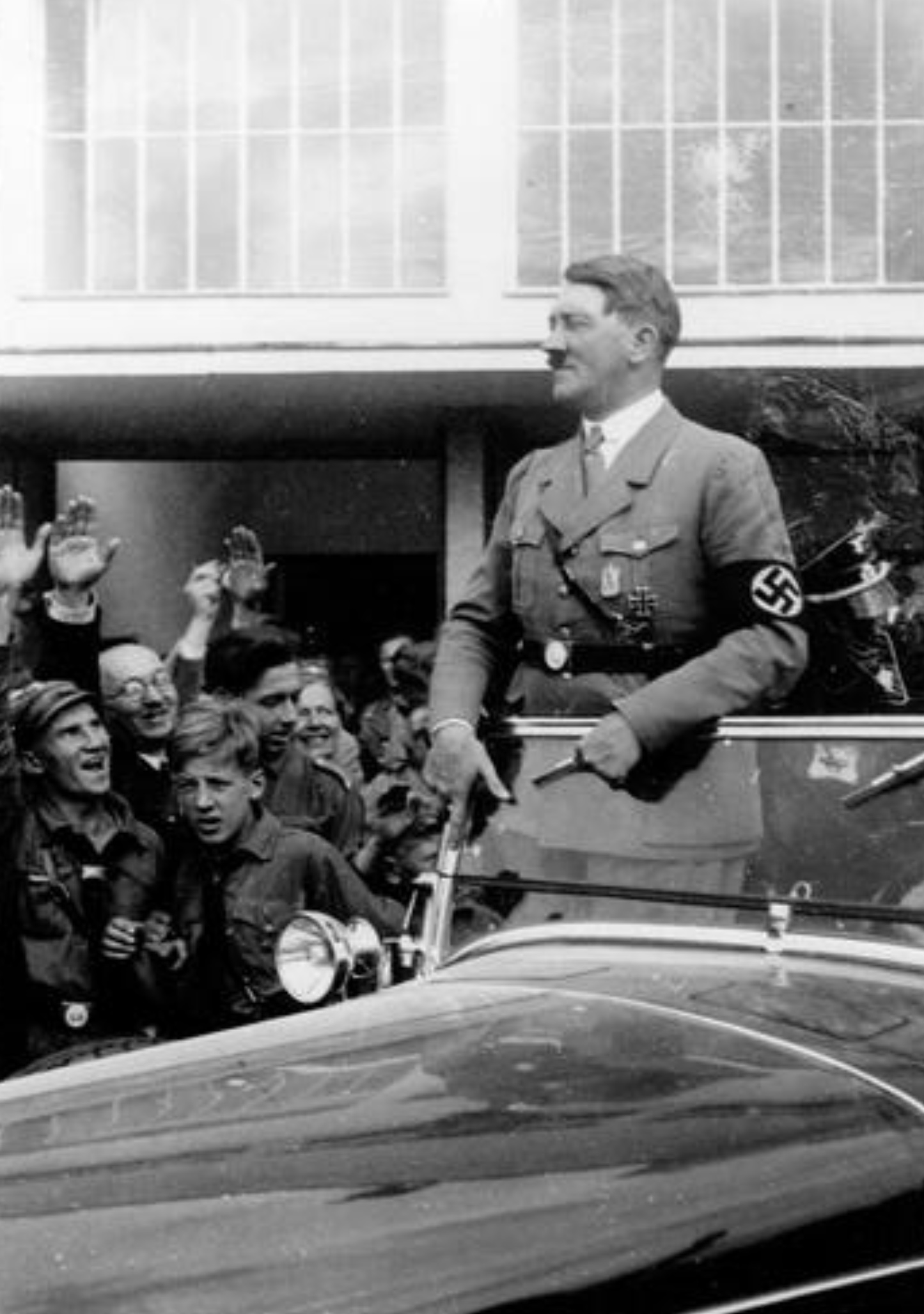

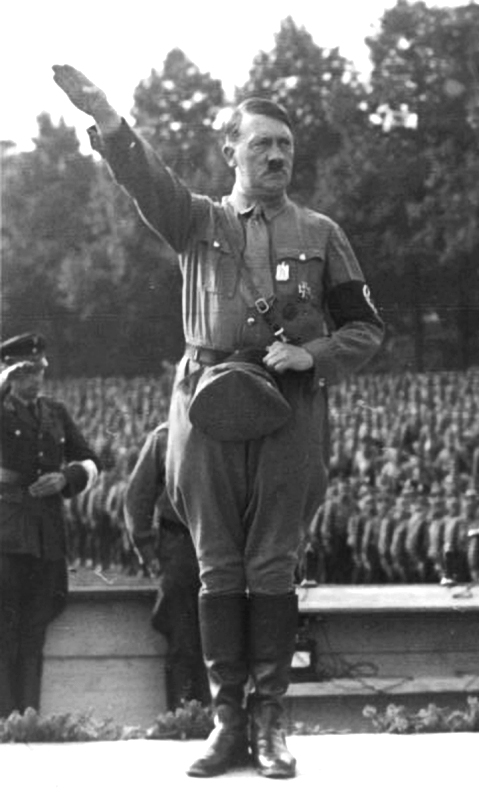
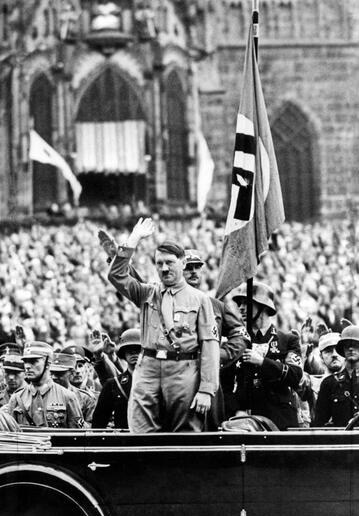

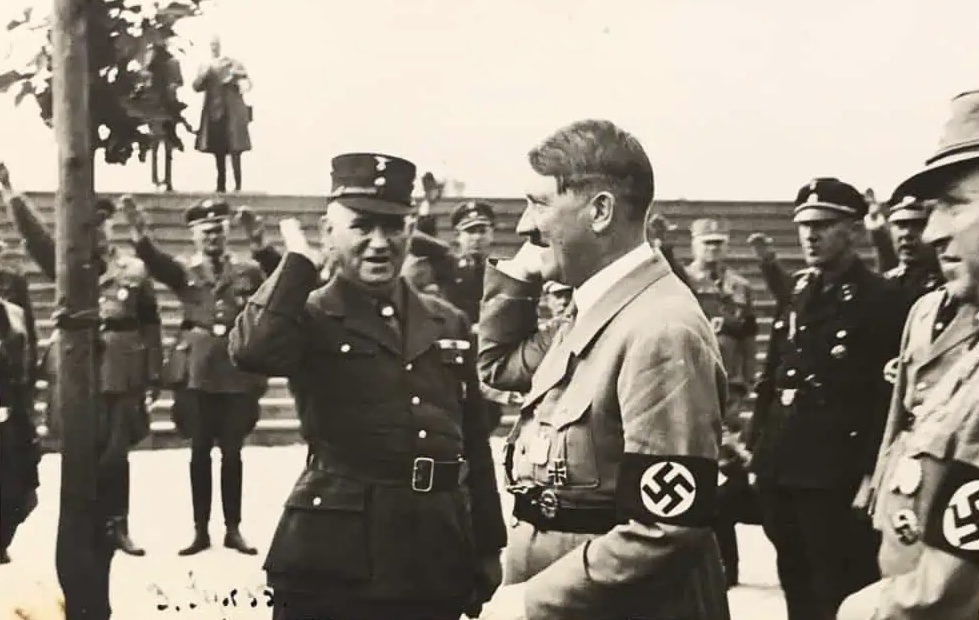
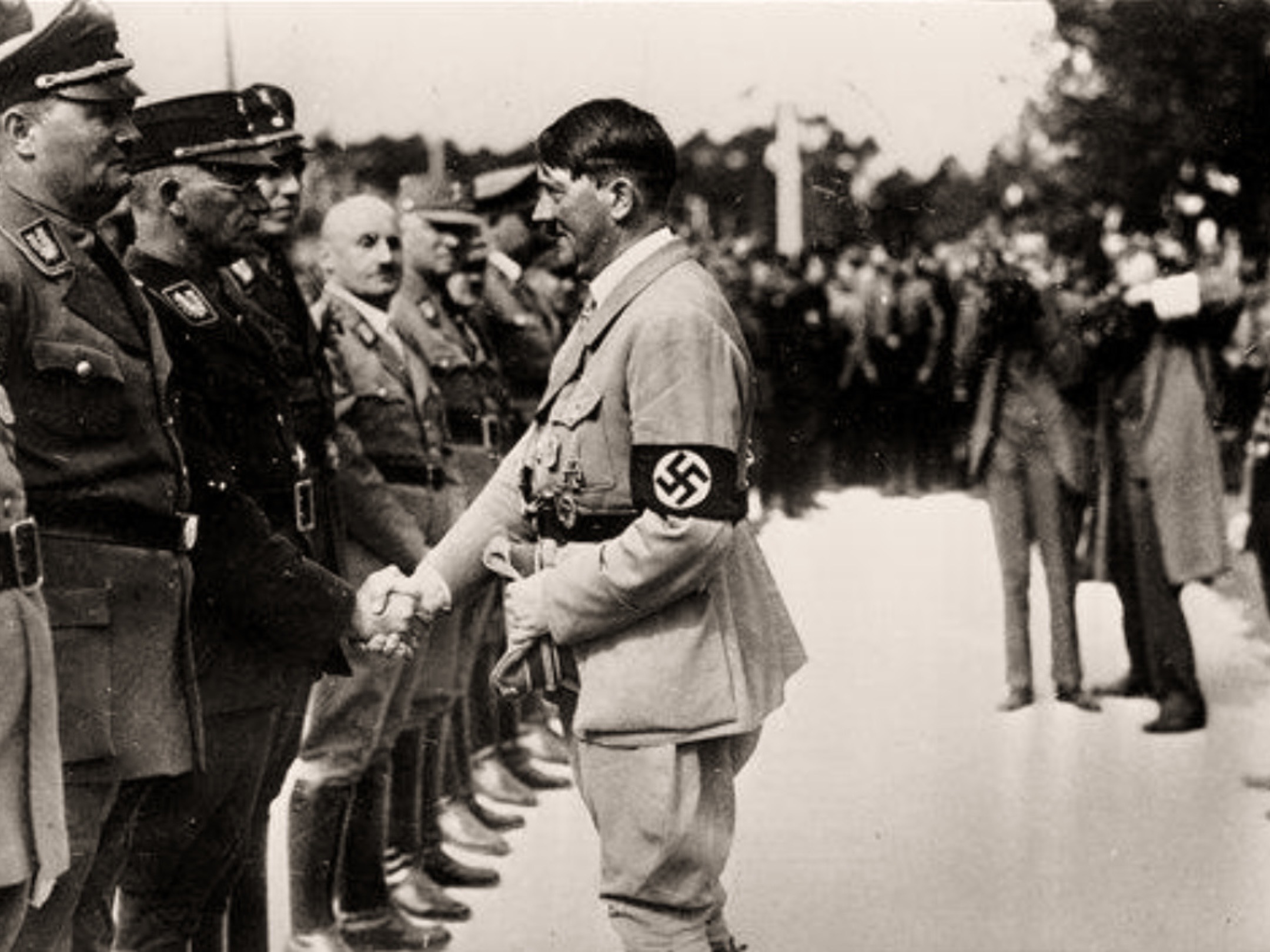
Many souvenir items were sold at the Nuremberg Rally, but the most popular were the Parteitagspostkarten or Rally Postal Cards. Some were issued on behalf of the NSDAP. This is an example of the official NSDAP cards issued by the Party’s primary publisher, Franz Eher Verlag.

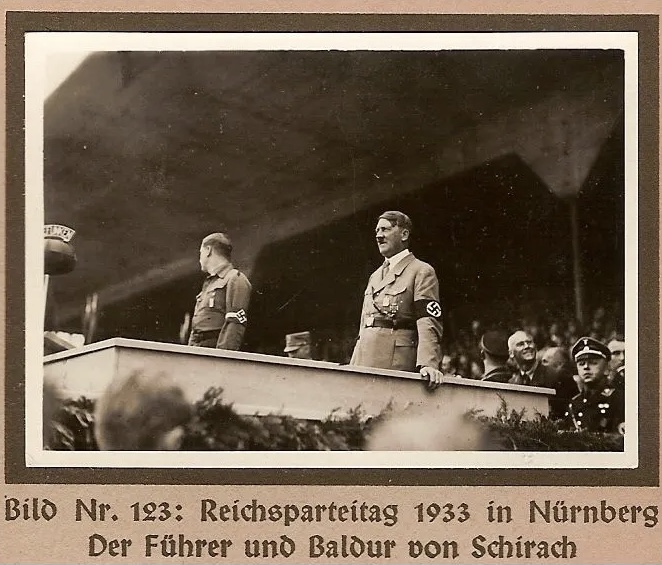
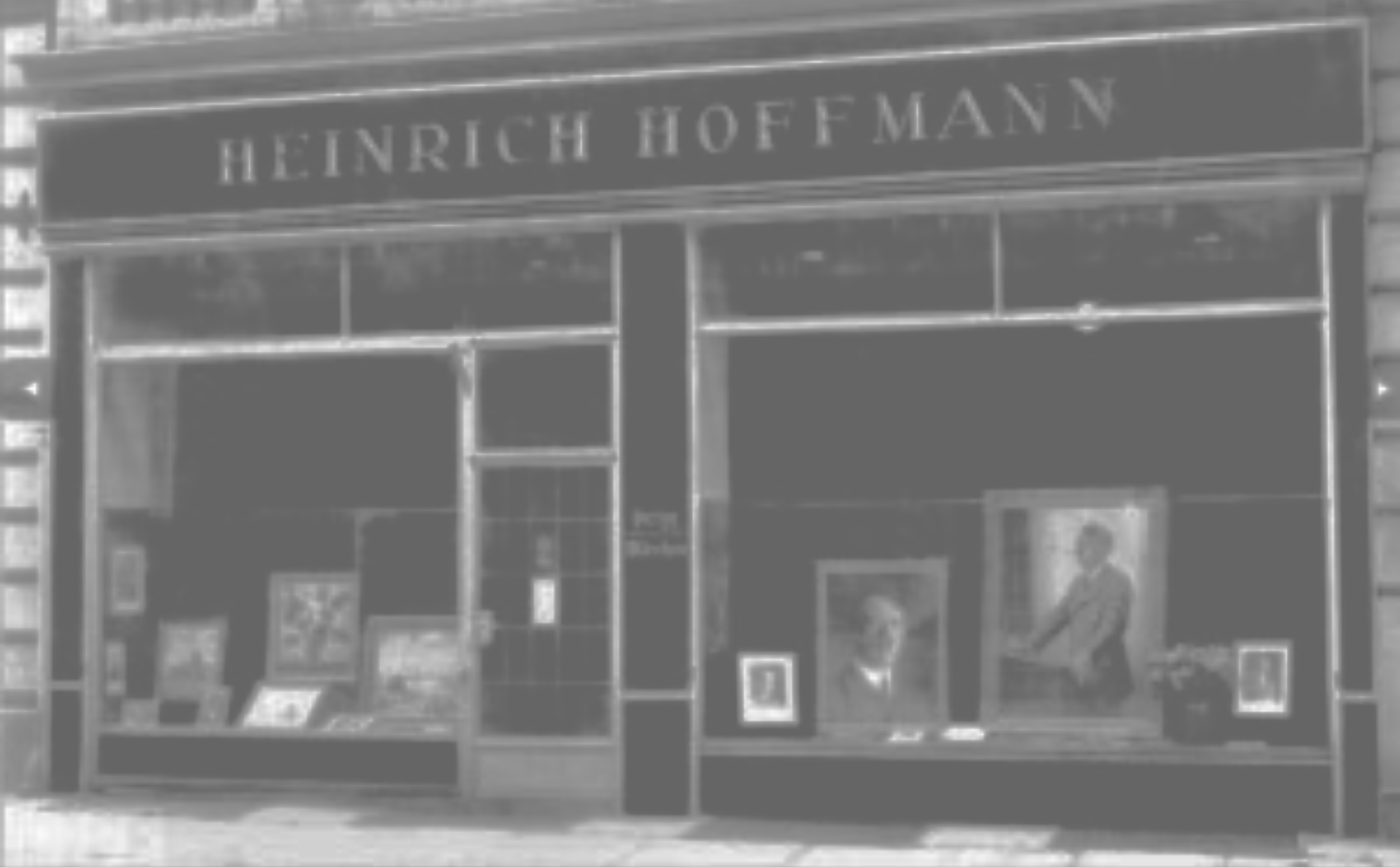
Heinrich Hoffmann published a special commemorative book titled “Das Neue Reich, eine Bilderfolge aus unserer Zeit”, a photo collection album featuring over 100 photos from the 1933 Nazi Party Rally in Nuremberg. This one is a picture of Hitler with the Reich Youth Leader Baldur von Schirach.
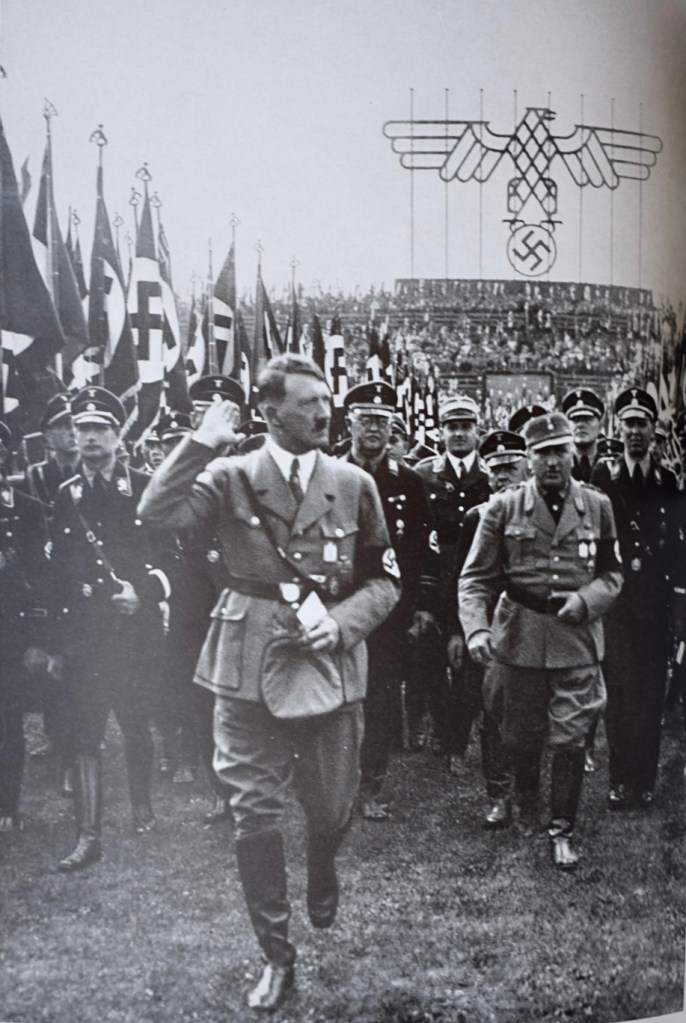

Albert Speer was commissioned to design a temporary reviewing stand on the Zeppelin Field for the 1933 Party Rally. He created a gigantic wooden eagle with a wingspan of over 100 feet. “I spiked it to a timber framework like a butterfly in a collection,” Speer later wrote. The eagle and wooden reviewing stands were replaced in 1934 by Speer’s permanent stone structure the Tribüne, the design of which was greatly influenced by the Ancient Greek Pergamon Altar. The Zeppelinfeld offered a much larger assembly area than the nearby Luitpoldhain, and six Nazi party rallies were held here between 1933 and 1938.
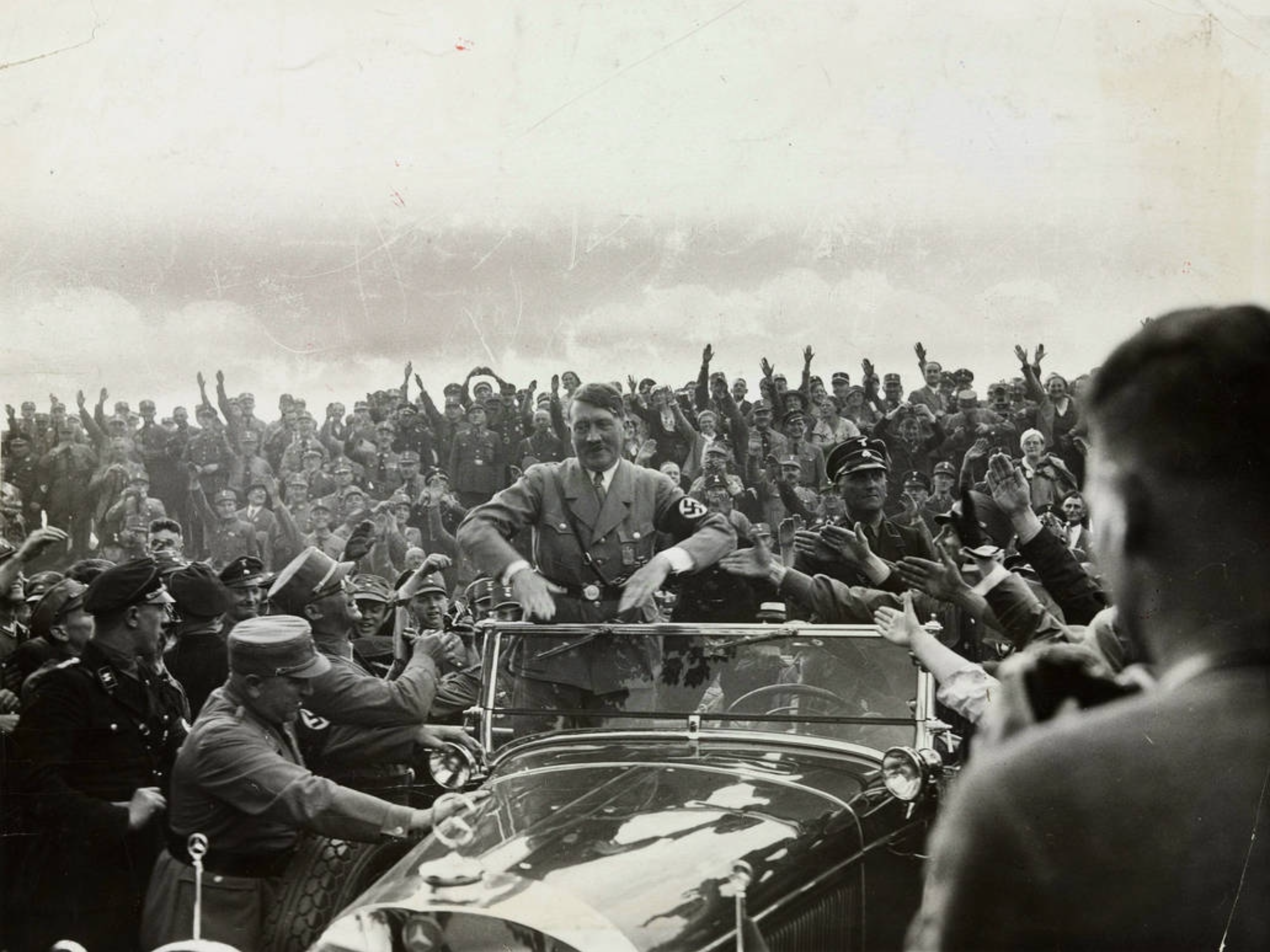


 Heinrich Hoffmann Photo Gallery