
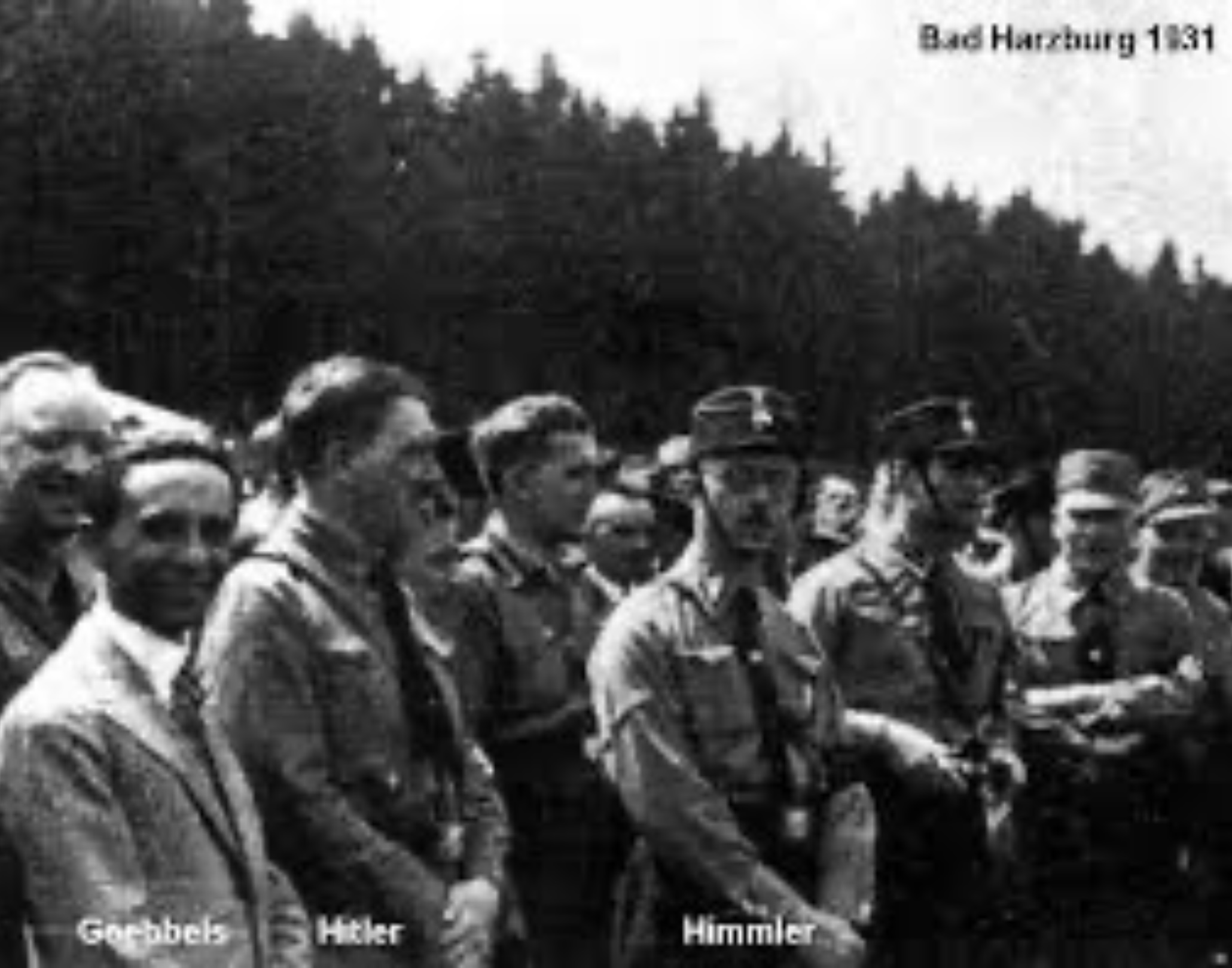
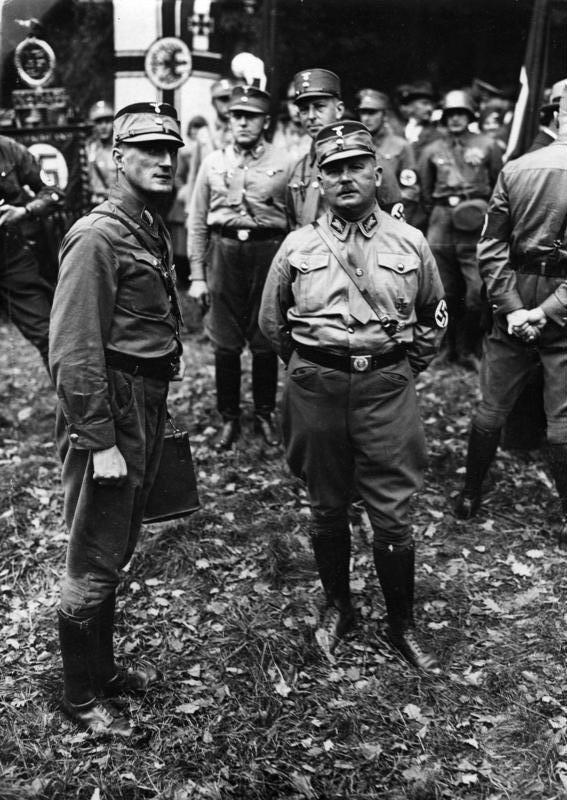
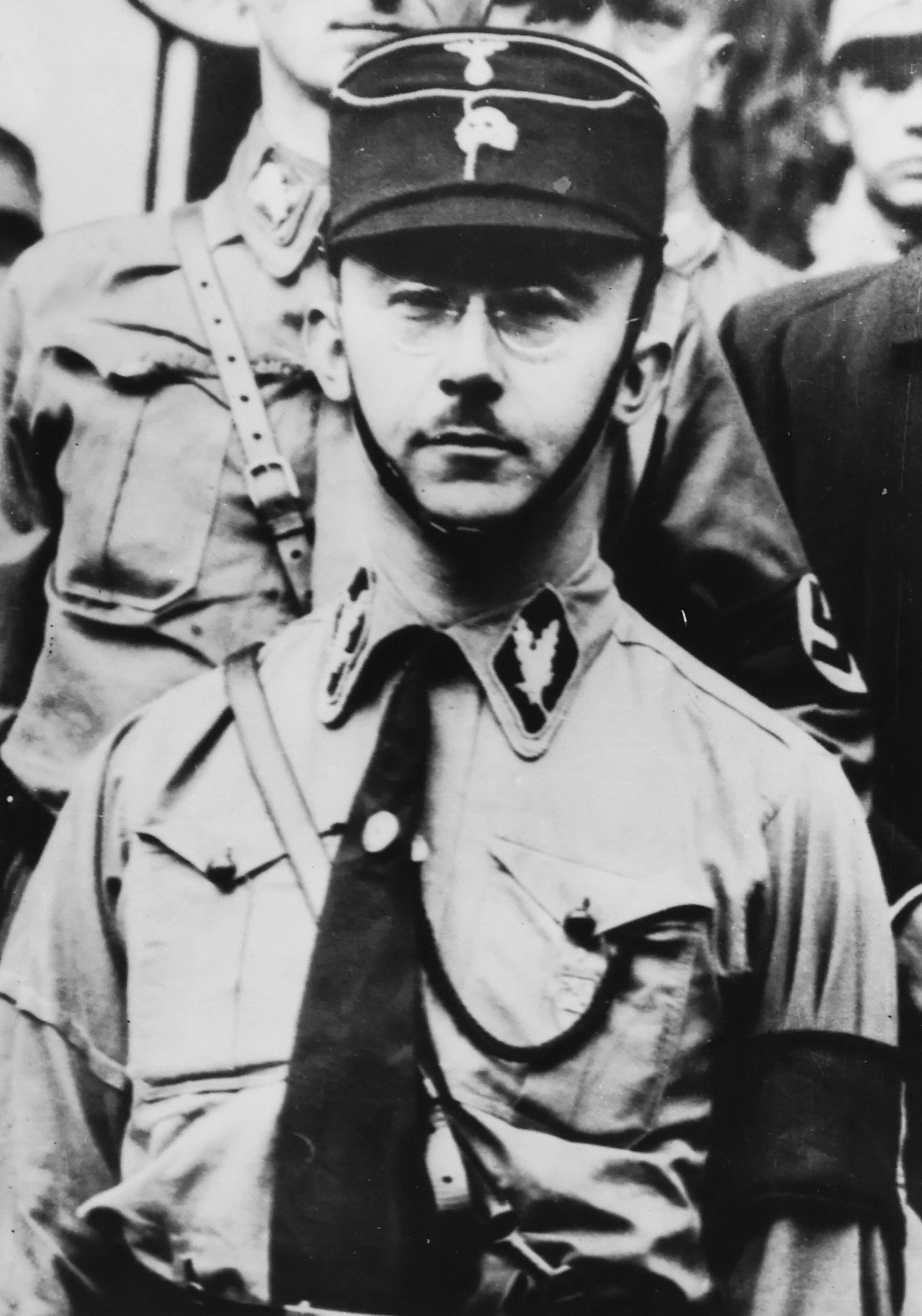
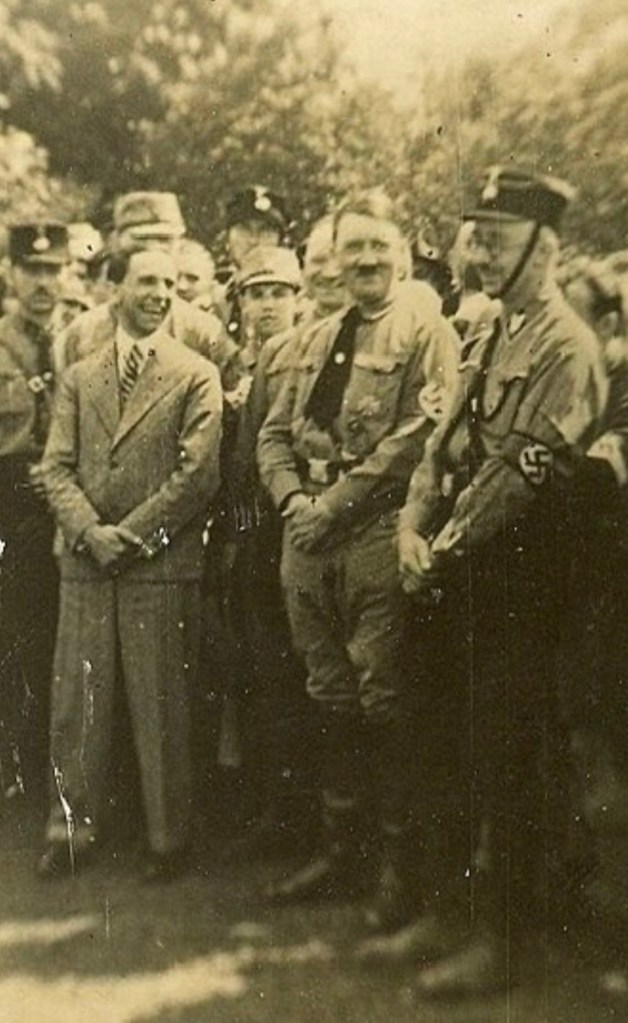
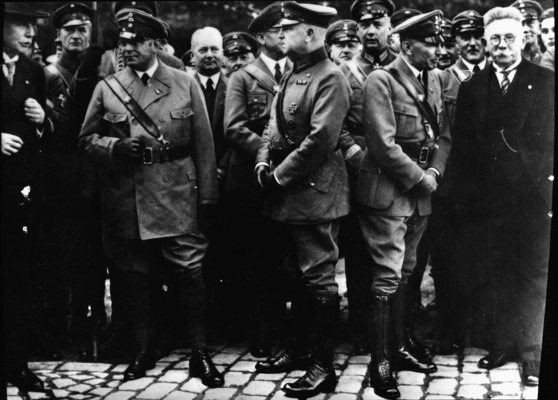
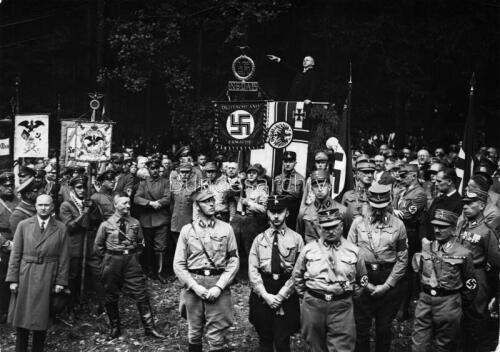
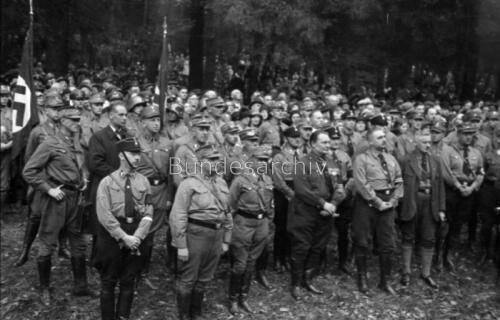
It was 93 years ago today that the political and economic giants of the German nationalist and National Socialist camps of the Weimar Republic met in Bad Harzburg on 11 October 1931. This congressional gathering of radical right-wing conservatives came to be known as the “Harzburg Front” – a very short-lived anti-democratic political alliance in Weimar Germany, formed as an attempt to present a unified opposition to the government of Chancellor Heinrich Brüning. It was a coalition consisting of the national conservative German National People’s Party (DNVP) under millionaire press-baron Alfred Hugenberg, Adolf Hitler’s National Socialist German Workers’ Party (NSDAP), Franz Seldte’s Der Stahlhelm (Steel Helmets) paramilitary veterans’ association, the Agricultural League and the Pan-German League organizations.
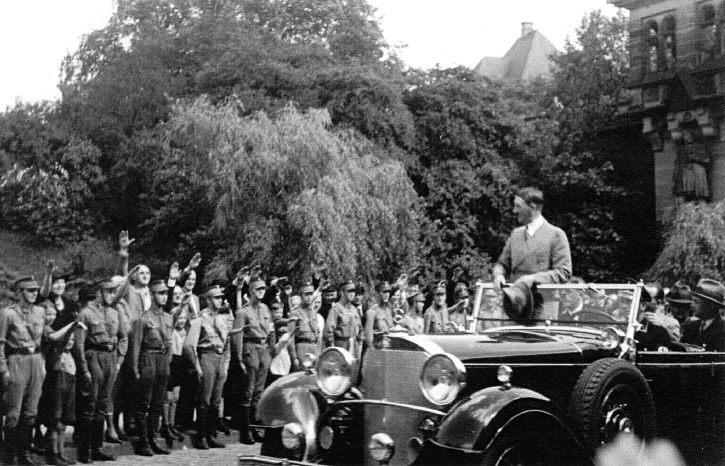
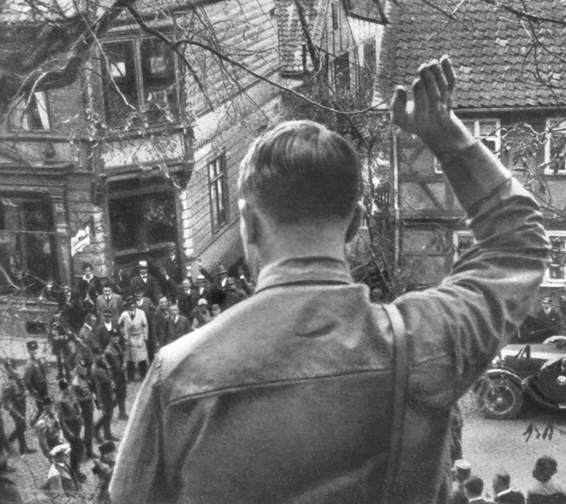
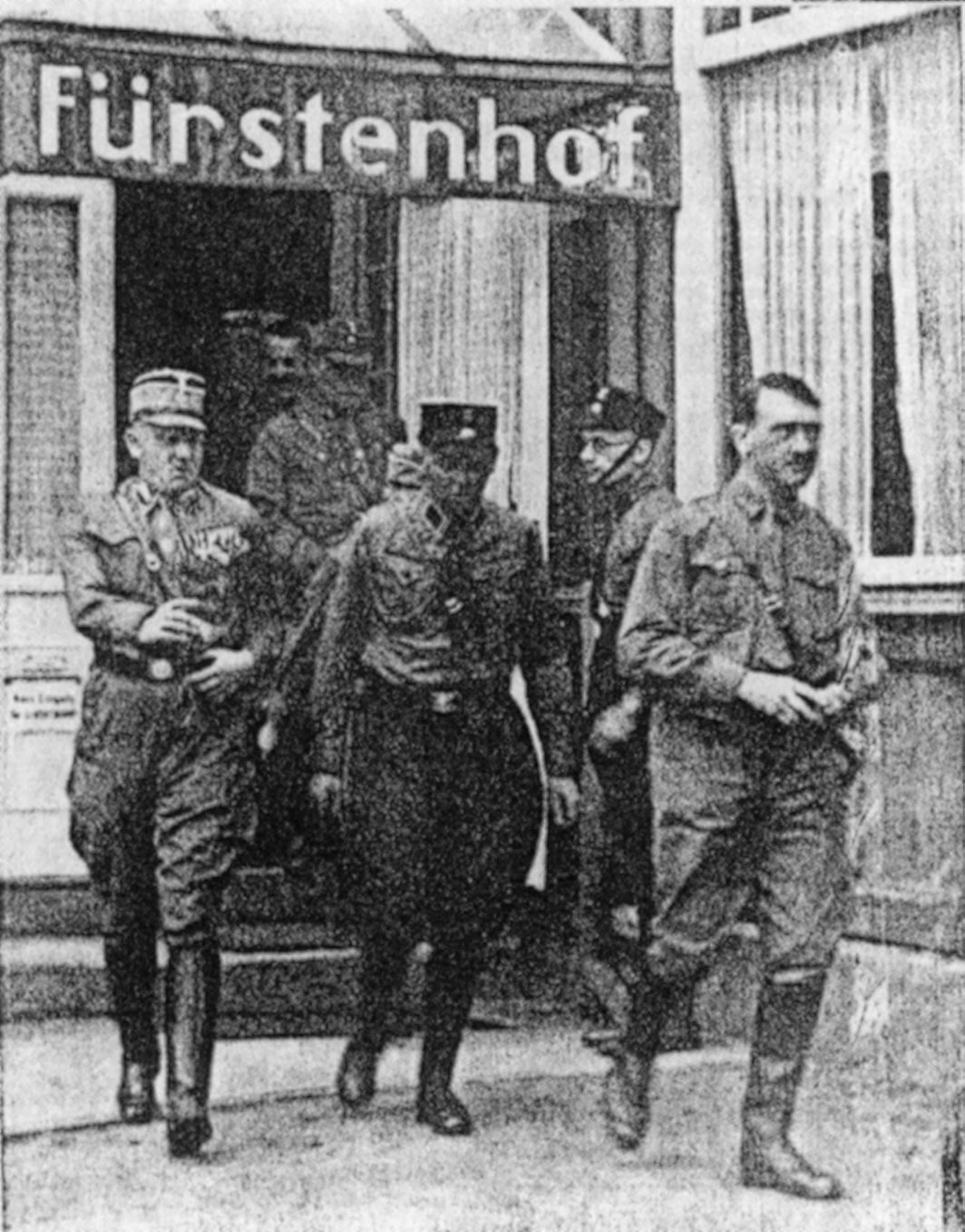

Bad Harzburg was a meeting place for around 2,000 leaders and supporters of the National Socialist and right-wing nationalist movements of the Weimar Republic. The events surrounding the Harzburg Front and the reporting at the time clearly show how the bourgeois public enthusiastically turned away from democratic-liberal ideas and gave preference to right-wing nationalist and National Socialist proclamations of salvation. The formation of the Hartzburg Front is also seen as marking the beginning of the end of the Weimar Republic.
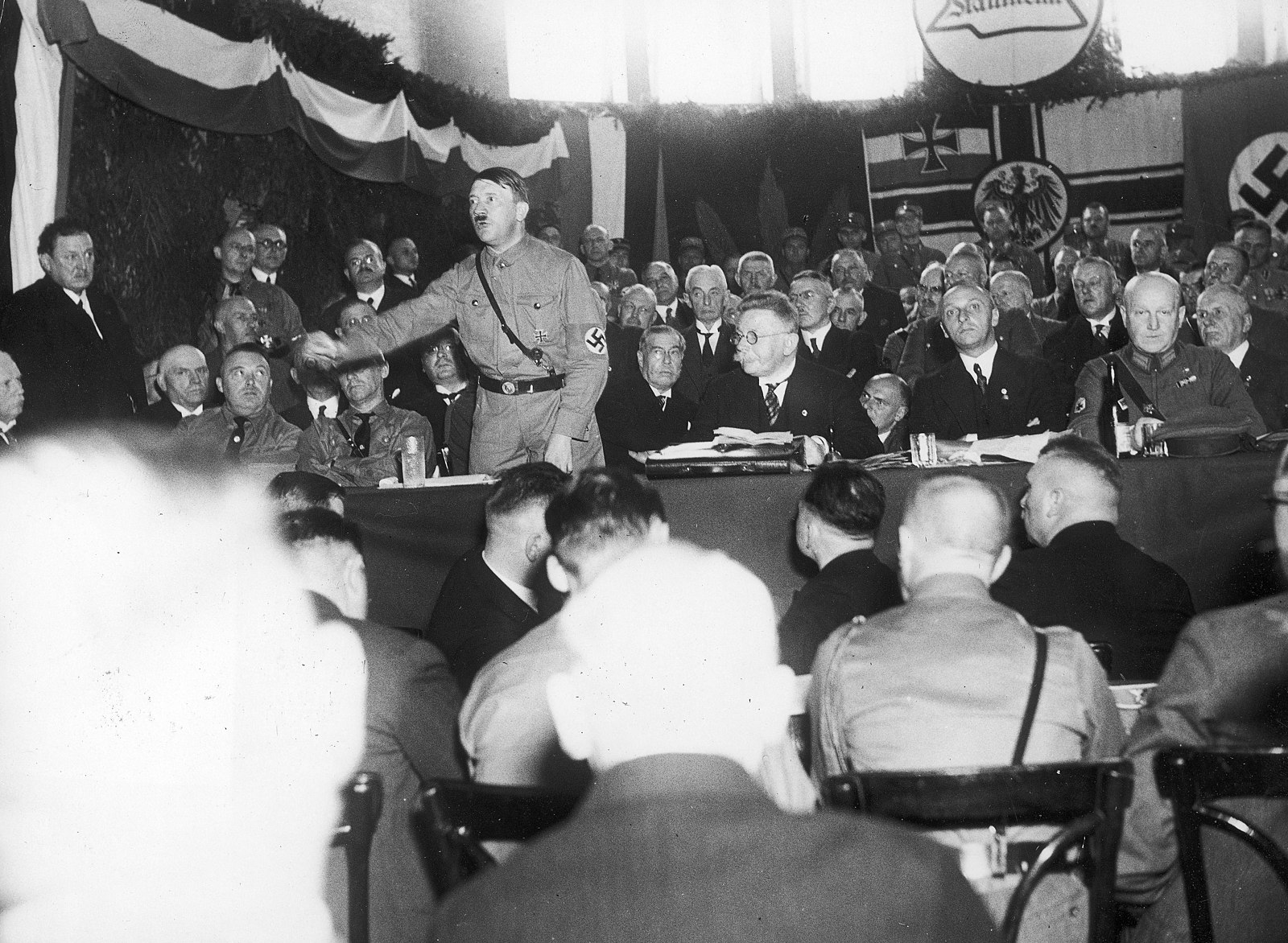
Industrialist and politician Alfred Hugenberg formed the Harzburg Front as an alliance between nationalist, conservative elements and Hitler. Hugenberg was not only chairman of the directorate of the company Krupp, he had also developed his own economic and political position of power with his national-conservative media group, the Hugenberg group. As chairman of the German National People’s Party (DNVP) Hugenberg was hoping to exploit Nazi successes at the polls for his own political ambitions. Instead, Hugenberg ended up playing a major role in making Adolf Hitler more socially and politically acceptable to the German public.
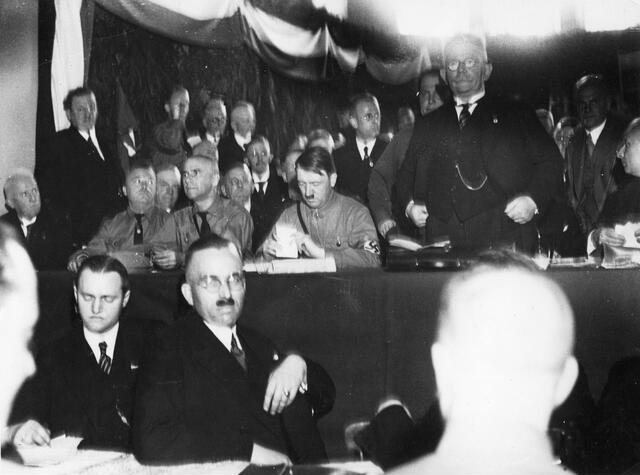
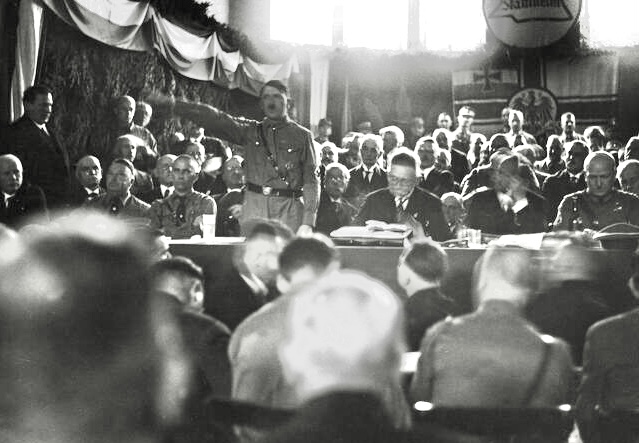


Adolf Hitler (at the table 4th from left), Alfred Hugenberg (right beside him ) and other representatives of right-wing parties at the foundation of the anti-republican Harzburg Front.

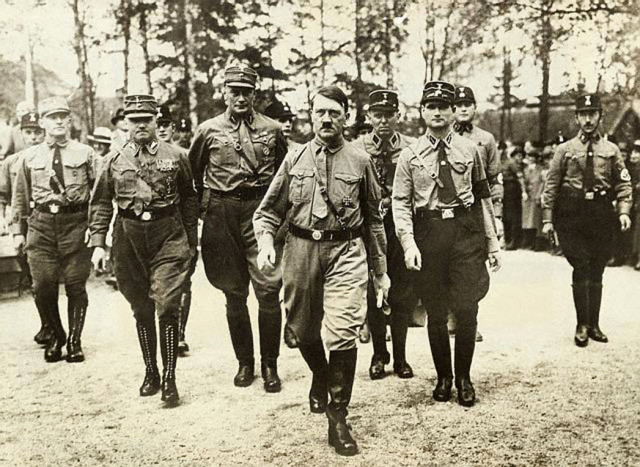
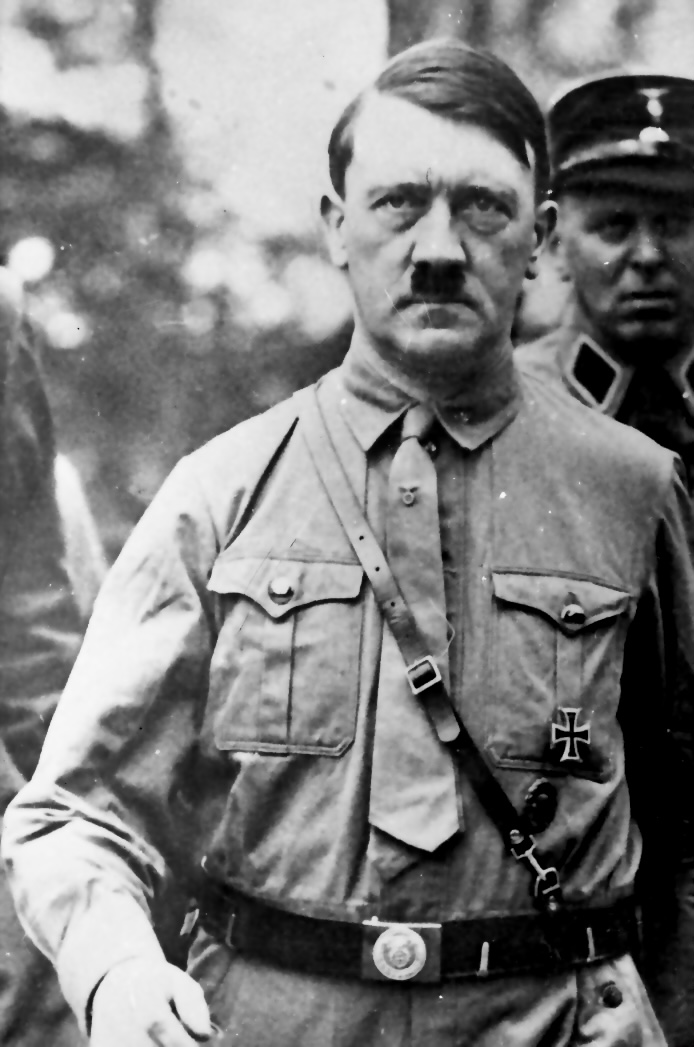
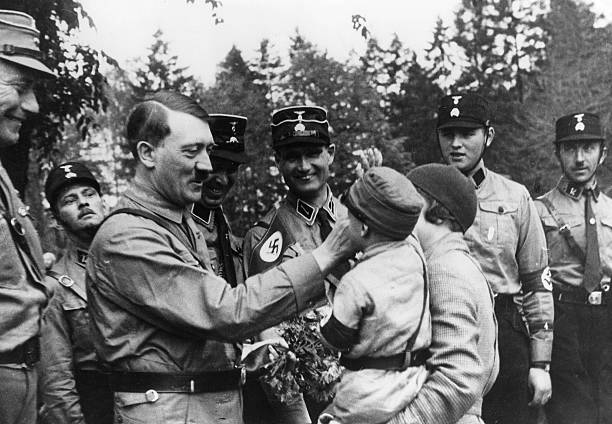


Hitler was not comfortable with the more mainstream conservative elements and only agreed to take part in the movement with great reluctance. To his disappointment, the Stahlhelm contingent outnumbered the Nazi paramilitary units. He also felt resentful sharing the limelight with Hugenberg and Seldte, and refused to attend the joint luncheon with the other nationalist leaders. He stayed to review the march-past of the Nazi participants but, after keeping them waiting for nearly a half-hour, abruptly left the proceedings before the procession of the Stahlhelm began. One week later, in order not to be outdone, Hitler staged his own massive NSDAP rally in nearby Braunschweig (Brunswick), which drew an attendance of over 100,000 spectators.

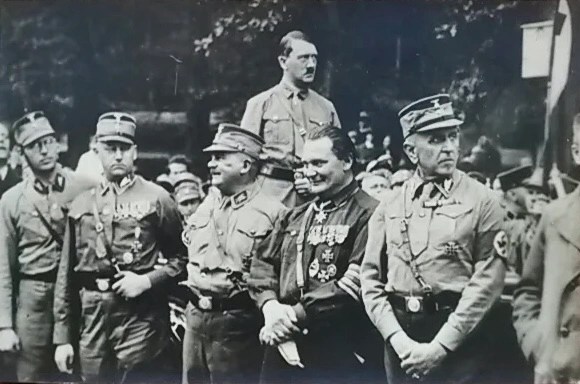
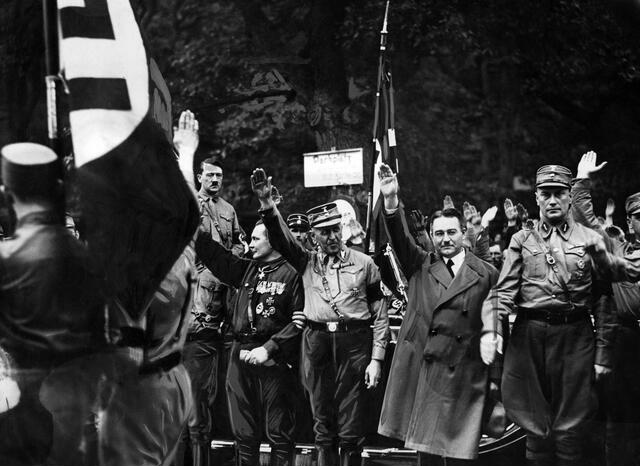
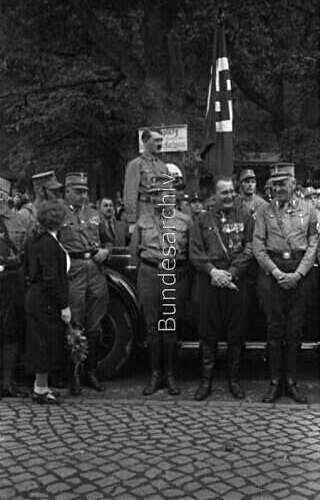
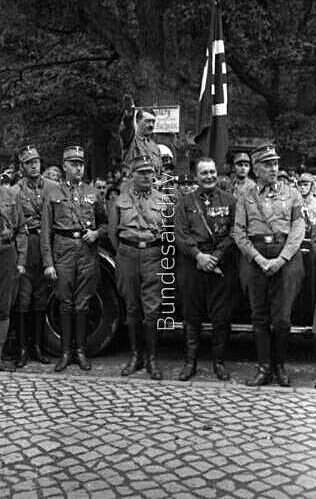
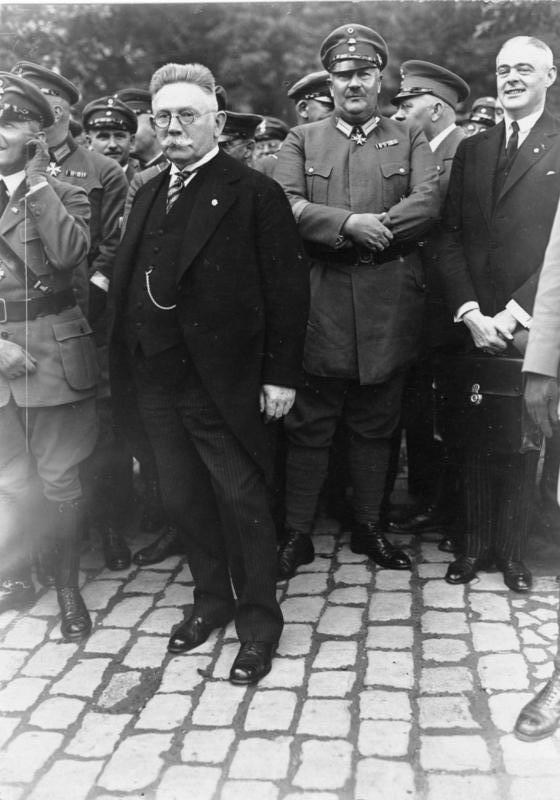
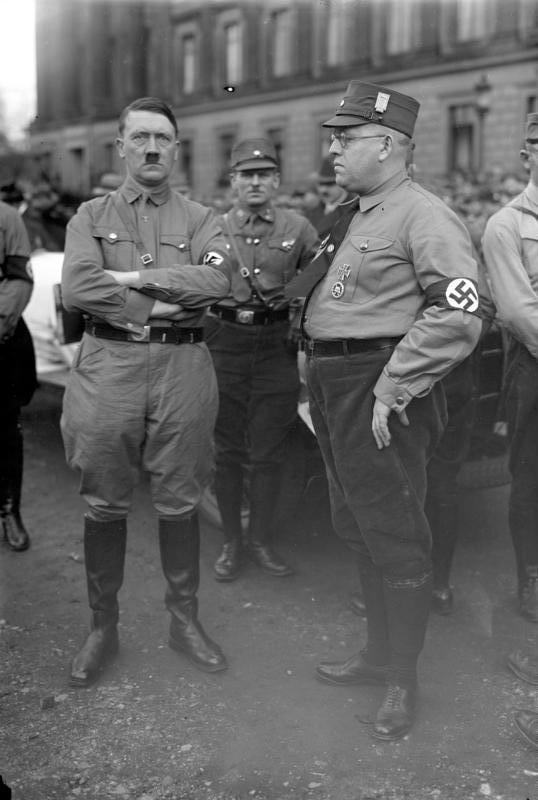
Hitler wasn’t very cooperative towards the leaders of the other participating parties. Wanting power solely to himself, he left the tribune that had been built to watch the parade immediately after the SA had finished marching and didn’t wait for the parades of other participating parties. This poorly assembled photo composite shown below attempts to show Hitler and Hugenberg standing in solidarity at the Harzburg Front parade, but due to Hitler’s early departure his image had to be pulled from a separate event that he had attended in Brunswick.



The Young Plan
Alfred Hugenberg had also served as the driving force for the alliance of the German right-wing parties against the Young Plan, passed two years earlier in 1929, which made the German reparation debt from WW1 totaling 36 billion Reichsmarks payable in annual installments through 1988. Hugenberg especially admired the Nazis’ dynamism and youthful enthusiasm and hoped to use them as a ‘drum’ in the campaign against the Young Plan. The fight against the Young Plan offered a point around which the divided conservatives could crystallize in order to strike out at the government leaders who had signed the Armistice of November 1918. Beginning in January of 1929 Hugenberg was seeking to rally the political right, and the fight against the Young Plan seemed a likely means to do so.

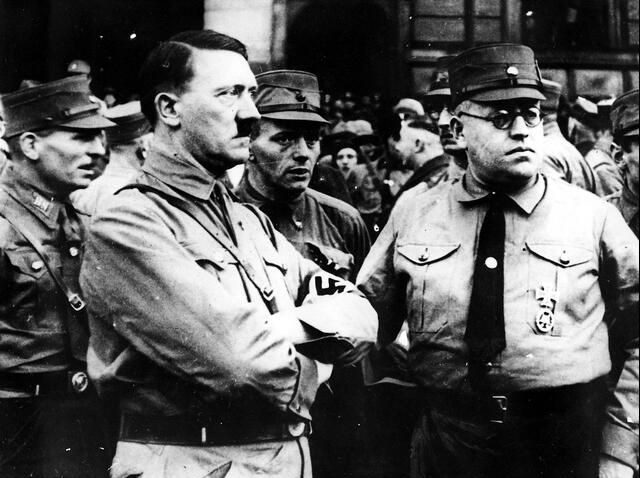
Adolf Hitler, Rudolf Hess, and the head of the SA Franz Pfeffer von Salomon attend a speech of Privy Councilor Alfred Hugenberg in the Munich Circus Krone on 29 October 1929. The occasion of this speech was the referendum against the adoption of the Young Plan to regulate payment of the war reparations debt.
Hugenberg controlled a large number of newspapers and news services, including Germany’s most important film company, UFA, and through these had a strong influence on the formation of public opinion. The “Reichsausschuss fuer den Volksbegehren” (Reich Committee for Referendum), in which all the anti-Republican parties were represented, including the NSDAP, became the springboard for Adolf Hitler to launch into main-stream politics.


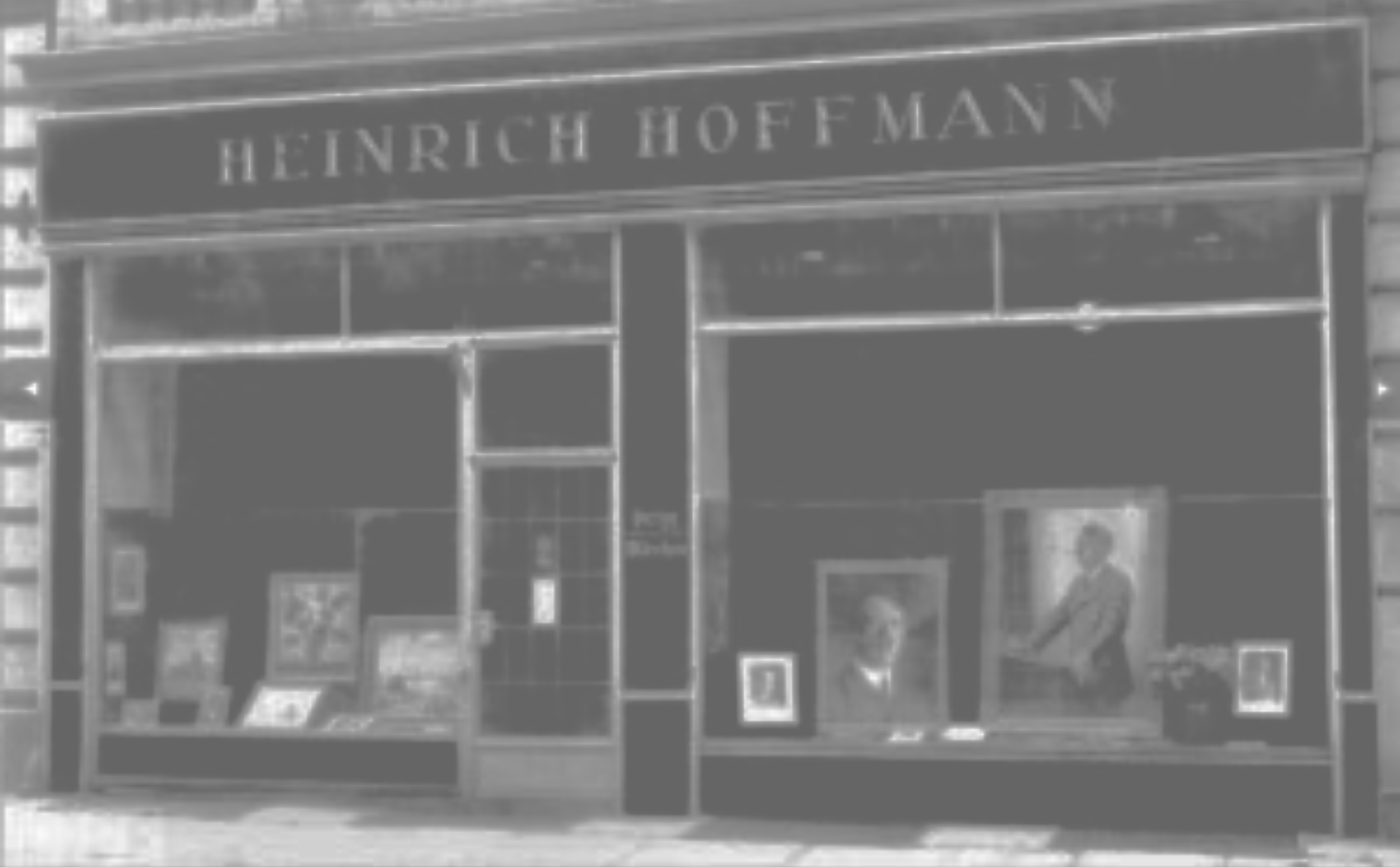
 Heinrich Hoffmann Photo Gallery