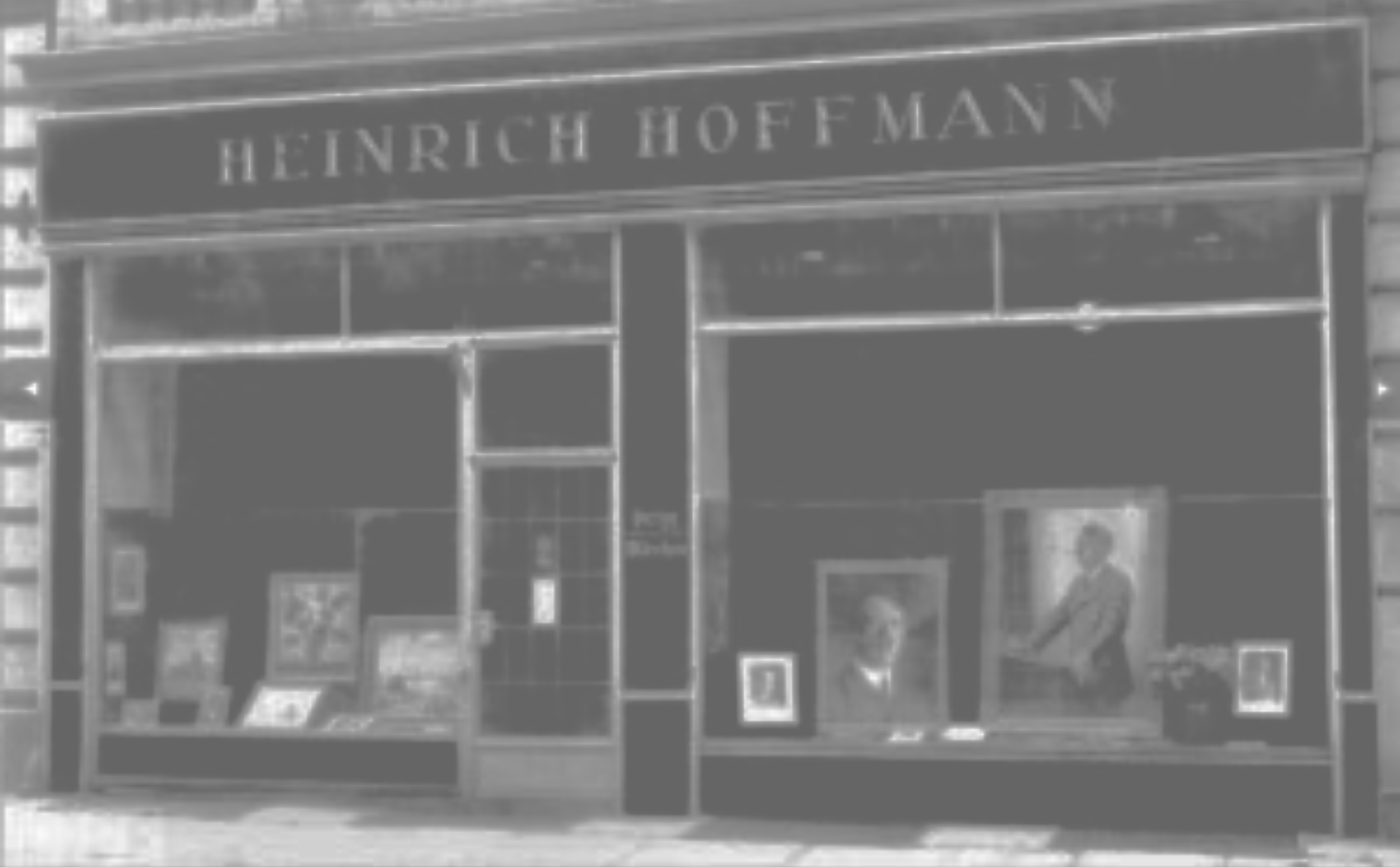
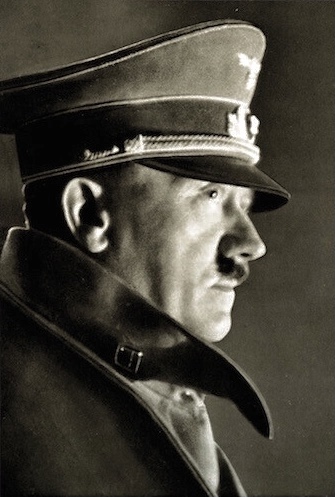
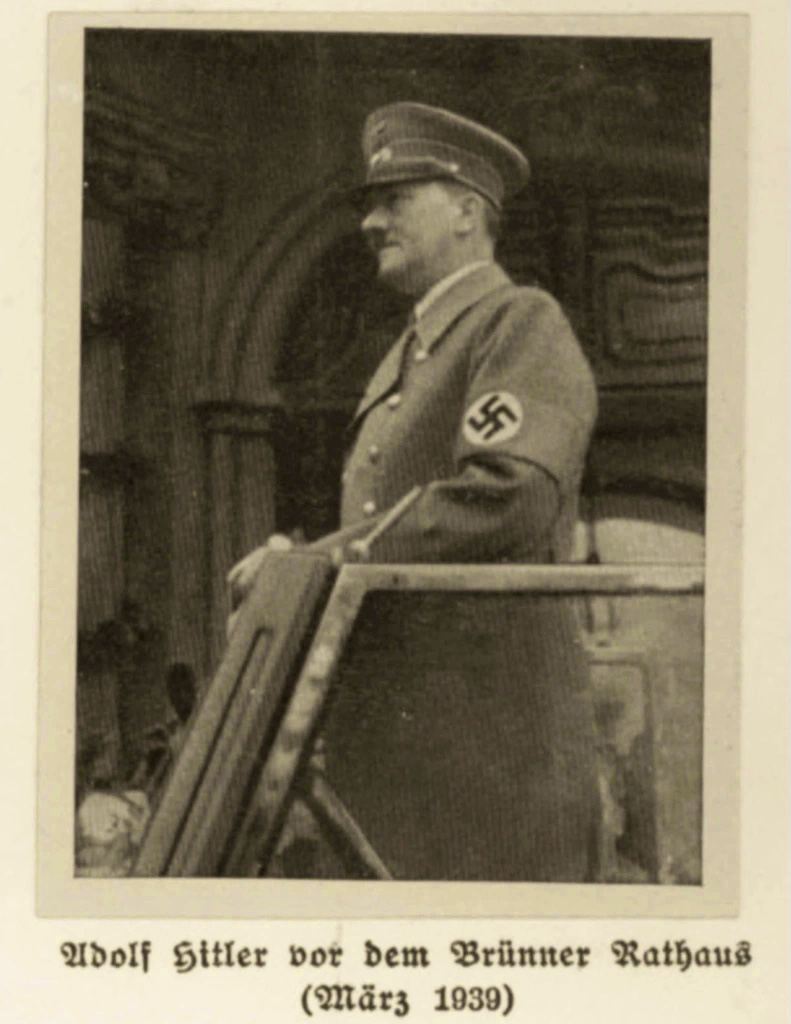
‘How Austria experienced its Liberation’ is a cigarette card photo album book published in 1940. Heinrich Hoffmann took most of the 250 photos contained in the album. Unlike similar albums, this one was much more political, putting the Nazi Party’s spin on the Anschluss (the annexation of Austria). Ostmark was the official name of Austria as part of Nazi Germany between 1938–1942. The annexation of the Federal State of Austria into the German Reich occurred on 13 March 1938. The album features many photos of Adolf Hitler visiting the Austrian capital of Vienna three days after Austria was annexed by Nazi Germany.
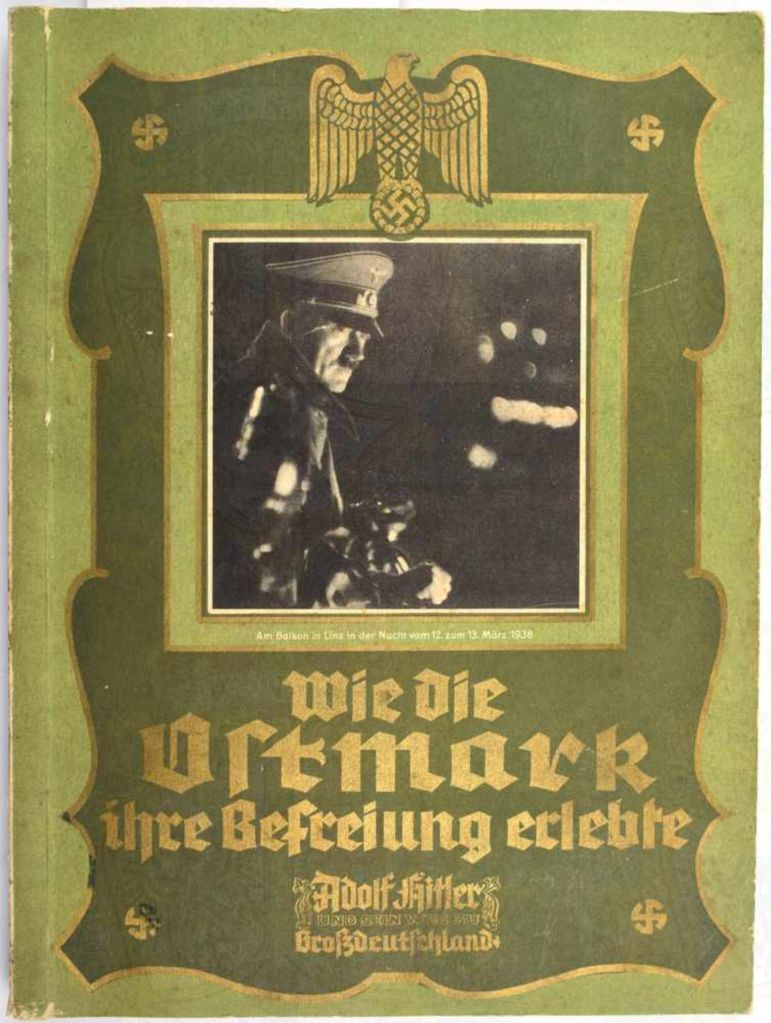
This book was published as propaganda to promote the annexation of Austria by Nazi Germany and to show the deep roots common to both countries. Even though many Austrians had welcomed Hitler as seen by their cheering crowds, more propaganda was apparently considered necessary.
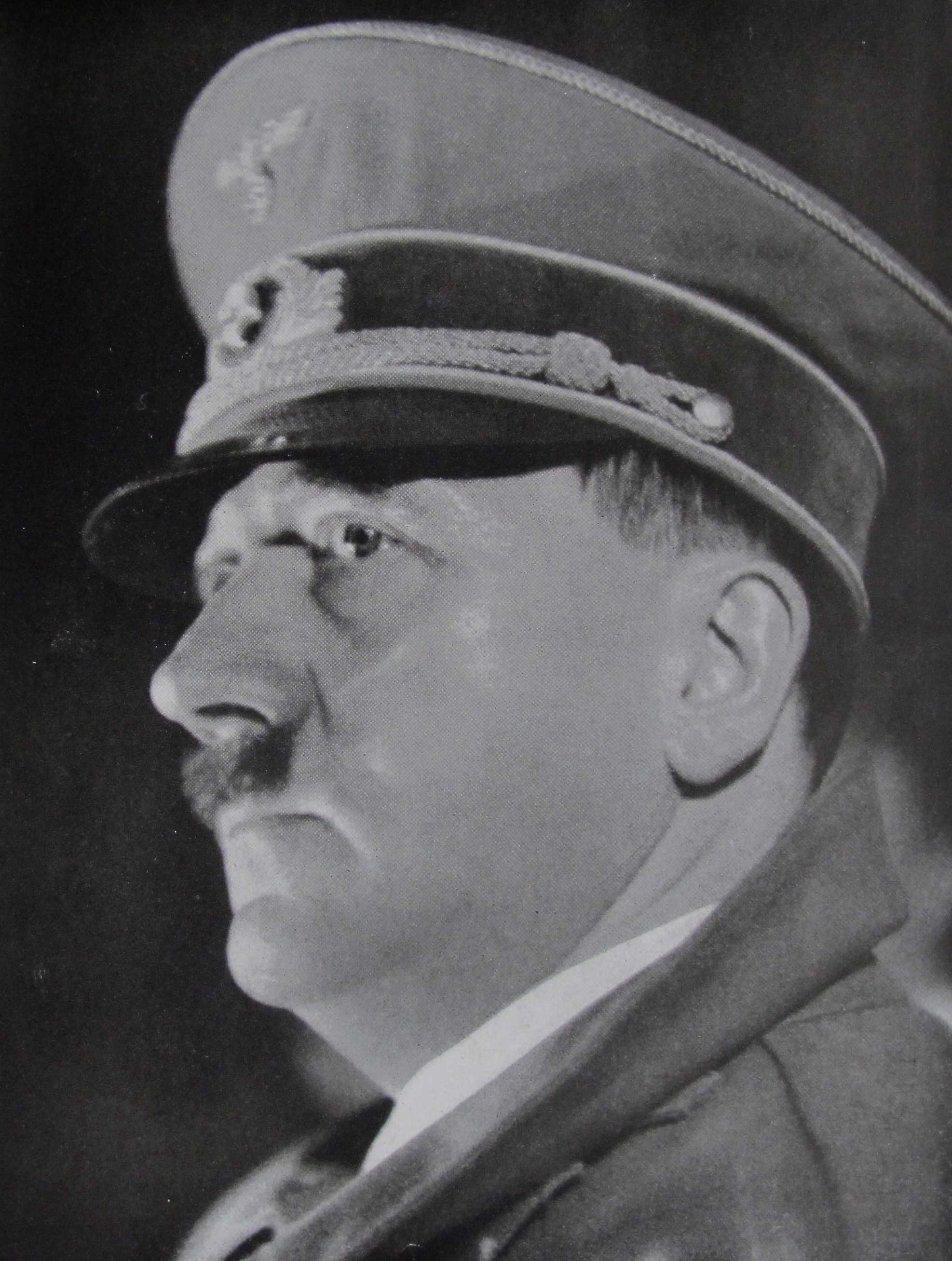
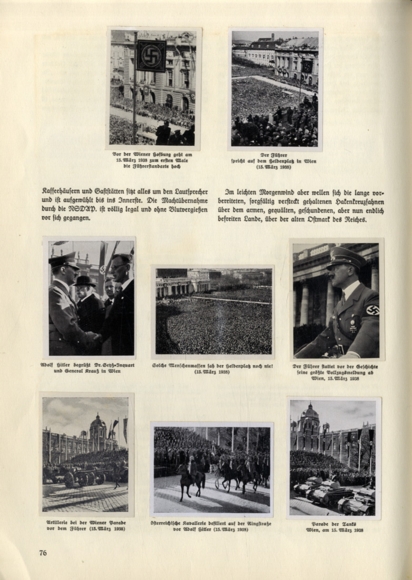
This book especially appealed to a younger generation who liked to collect and trade the photos. A single photo came with the purchase of a pack of cigarettes and could then be glued into the album.
Collectible images were already extremely popular in Germany, but usually with themes such as animals or movie stars. Hitler used the cigarette pictures for the first time to promote a political message.
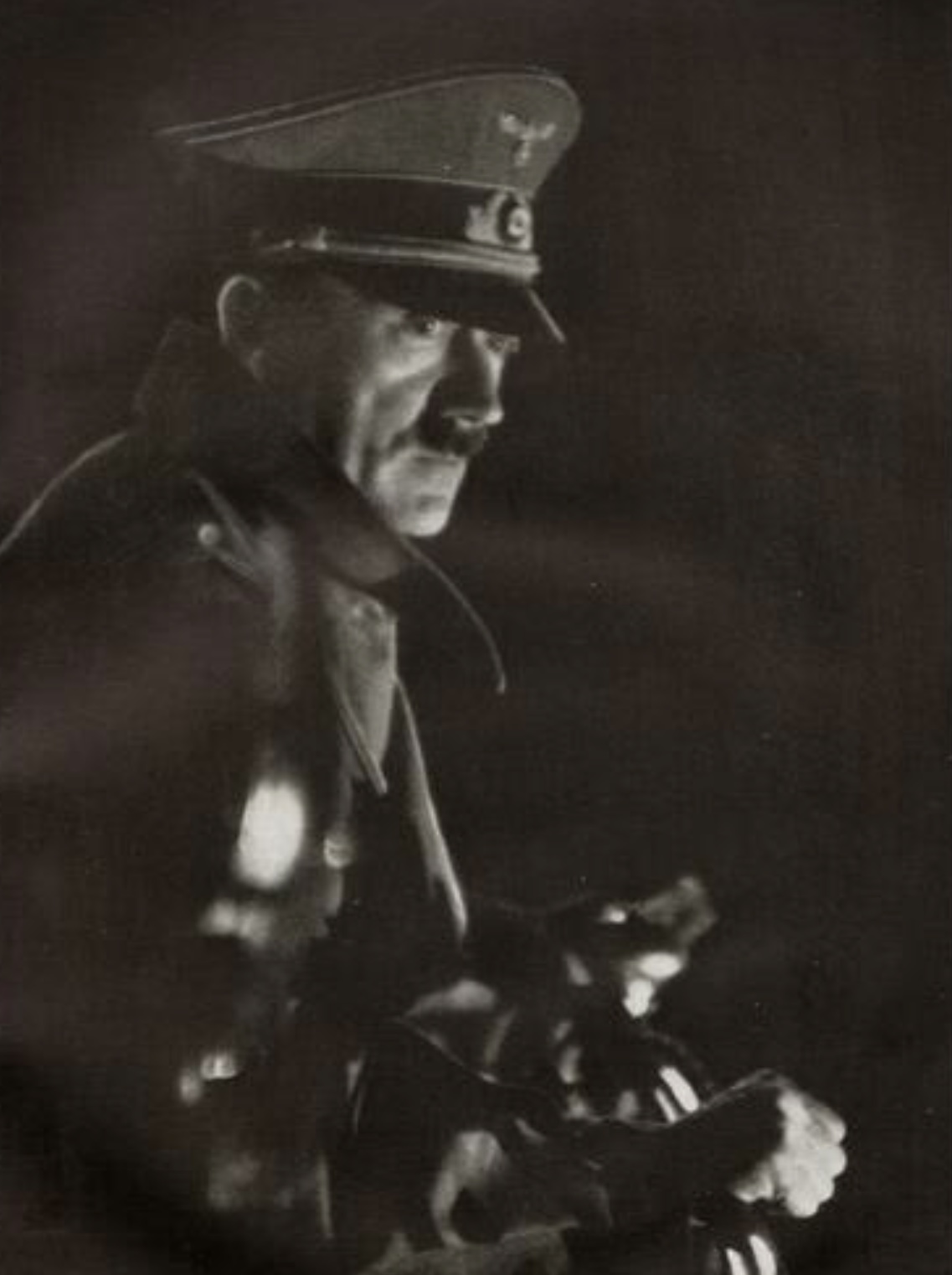
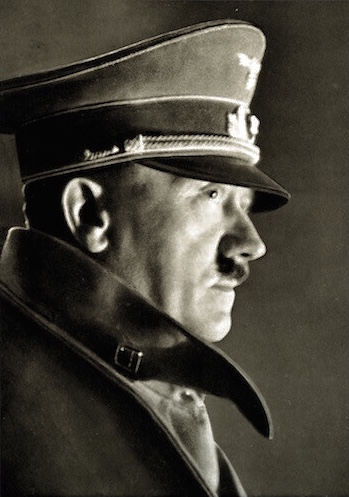
Adolf Hitler triumphantly returned to Vienna on 15 March 1938 following his Anschluss, the German annexation of Austria. His parade progressed along the boulevard, passing the dissolved parliament and the town hall before stopping at the Hofburg Palace, where the emperor once lived. From the terrace of the Neue Berg wing, he welcomed to the Reich the 200,000 jubilant Viennese gathered before him in the Heldenplatz. Hitler spent just 24 hours in Vienna before returning to Berlin. Vienna had become a provincial capital.
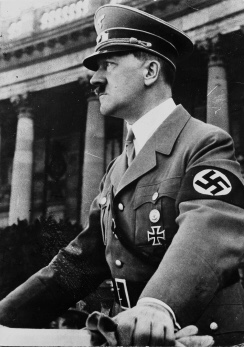
This 96 page book also depicts Hitler’s childhood and young adult years in Austria, the rise of the Austrian Nazi party, and dozens of photos of the notable successes and accomplishments of the Third Reich up until World War II. These include the Reichsautobahn, the House of German Art in München, the Führerbau and Ehrentempel in München, the New Reichschancellery in Berlin, the Reichs Party Day in Nürnberg, the Westwall, and the Berghof on the Obersalzberg near Berchtesgaden.
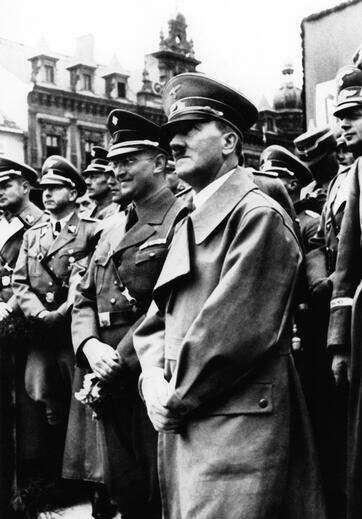
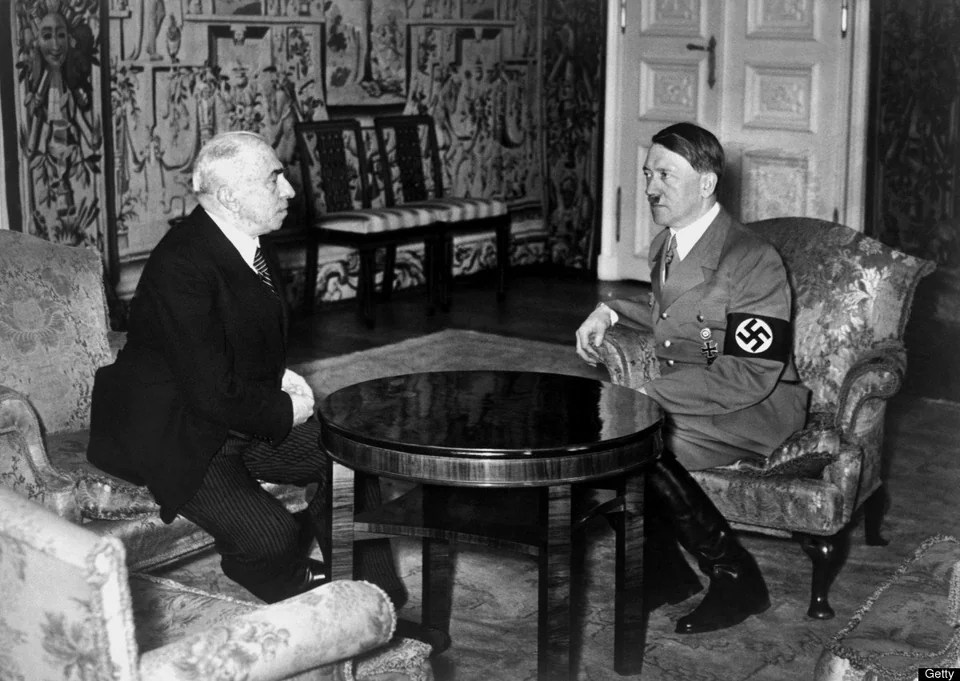
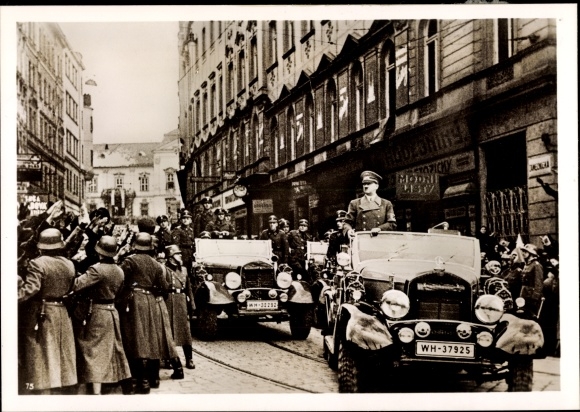
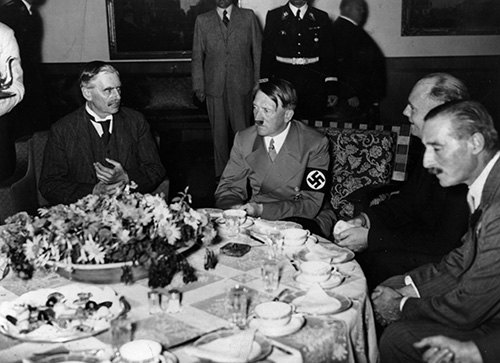

 Heinrich Hoffmann Photo Gallery